Key Takeaways
-
A dental midline is the imaginary line between your front teeth; a well-balanced smile has upper and lower midlines that match each other and the center of your face.
-
A midline assessment combines a facial exam, an intraoral exam, and a bite check, with photos, scans, or X-rays added only when the exam calls for them.
-
A bite check watches how your jaw closes, since a sideways jaw slide (functional shift) can make the midline look off even when the teeth themselves are fine.
-
The cause of a shift falls into three types: dental (tooth position), skeletal (jaw growth), or functional (jaw moving to one side), and the cause determines the treatment plan.
-
A difference under about 2 mm between the upper dental midline and facial midline is often considered acceptable, though each smile is judged individually.
-
Treatment options range from watching and waiting to tooth movement with braces or clear aligners, arch widening for crossbite, or combined orthodontic and surgical care for complex jaw differences.
Have you ever looked in the mirror, smiled, and noticed that the center of your top teeth doesn’t quite line up with the center of your face? Or maybe you spotted that your top and bottom front teeth don’t meet in the middle? You’re not alone. It’s one of the most common things people notice about their smile, and it’s something we love to talk about at the orthodontist’s office.
So, what a dental midline assessment involves is actually pretty simple and painless. It’s a careful check of how the centers of your upper and lower front teeth line up with each other and with your face. Your orthodontist looks at your facial features, your teeth, and the way your jaw closes. Then they work out why the lines might not match and whether it matters.
In this friendly guide, we’ll walk you through every step. You’ll learn what your orthodontist looks for, what can cause a shifted midline, and what your options are. Whether you’re a parent wondering about your child’s smile, a teen planning for braces, or an adult thinking about treatment, you’ll know just what to expect.
What Is a Dental Midline?
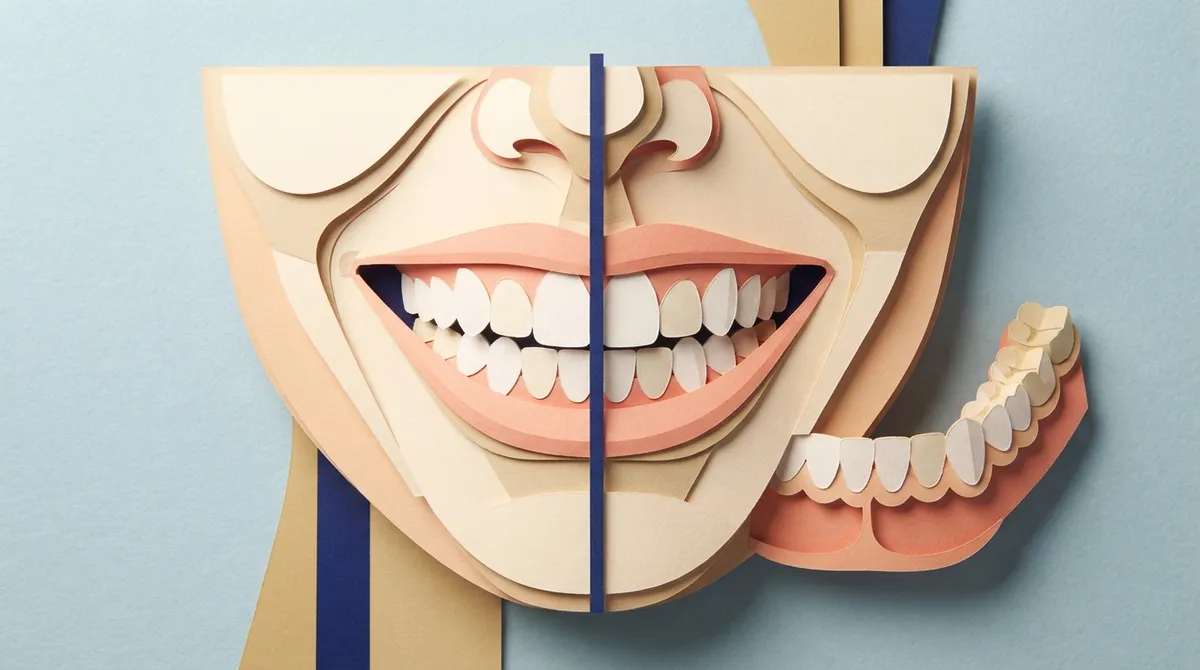
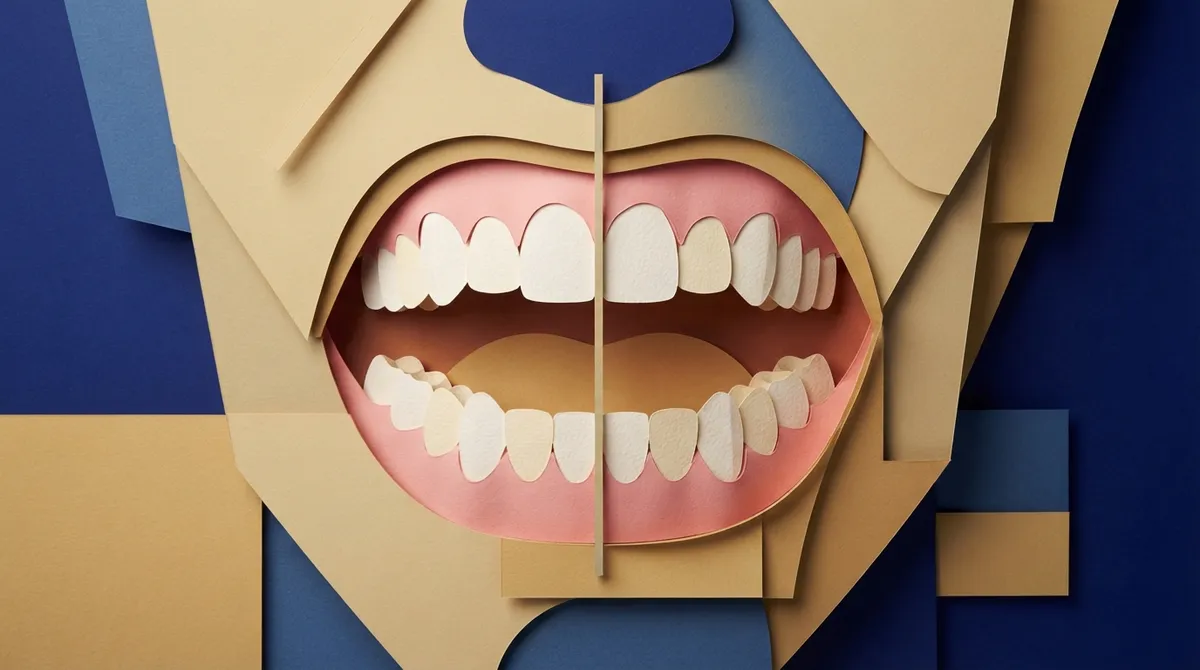
Your dental midline is the imaginary line that runs down the center between your two front teeth. Every smile has two of them. The upper (maxillary) midline sits between your top front teeth. The lower (mandibular) midline sits between your bottom front teeth.
In a well-balanced smile, these two lines match each other. They also line up with the middle of your face. Think of it like hanging a picture frame. When the frame is centered on the wall, everything just looks right.
Here’s the good news: perfect alignment is rare, and most people have a little bit of difference. A small shift is usually not a problem at all. The goal of an assessment is to find out whether a shift is just a minor quirk or something worth treating.
Why Do Orthodontists Check the Midline?
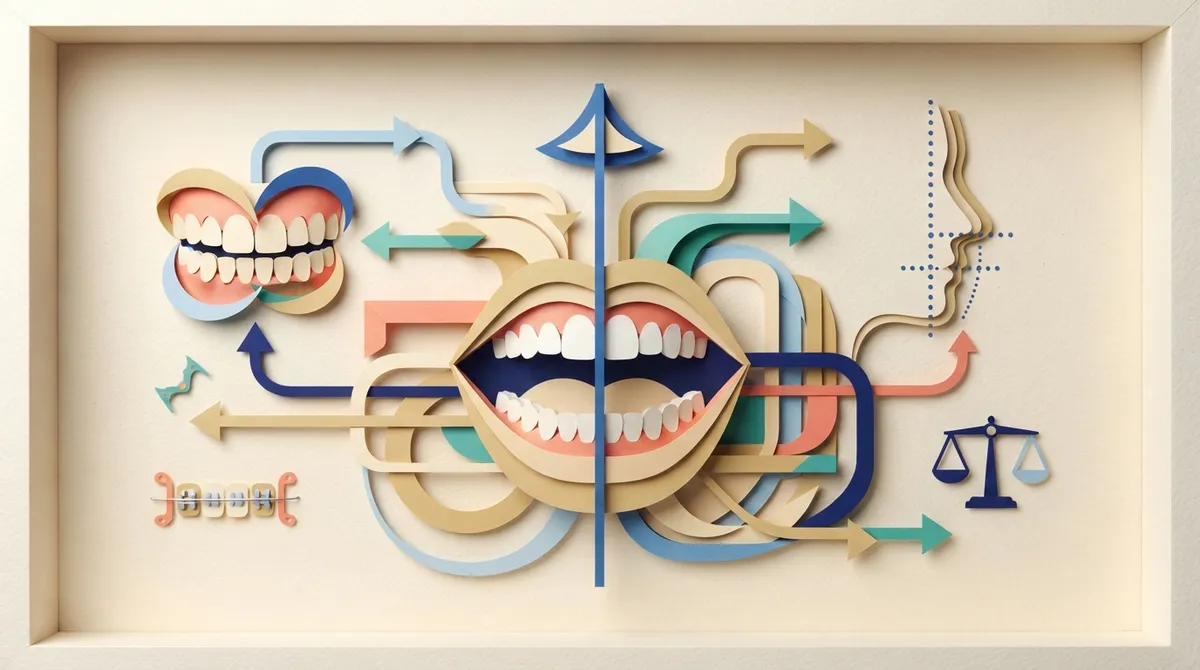
The midline is a handy clue. It tells your orthodontist a lot about how your teeth and jaws are working together. A shifted midline can be a sign of something going on with tooth position, jaw growth, or the way your bite closes.
Checking the midline helps your orthodontist:
- Spot whether the issue is with the teeth, the jaw, or both
- Plan the best way to move teeth during treatment
- Decide whether you need extra records like scans or X-rays
- Set realistic goals for your smile and your bite
It’s one piece of the puzzle. Your orthodontist never looks at it alone. They look at your whole face, your teeth, and your bite together.
Step-by-Step: What a Dental Midline Assessment Involves
Here’s how a typical assessment goes. Every patient is different, but these are the main steps.
- A facial exam. You sit or stand upright and look straight ahead. Your orthodontist checks your face with your lips relaxed and then while you smile.
- A look at facial landmarks. They compare your tooth midline to the center of your face. One common guide is the philtrum, the little groove in the center of your upper lip. They also look at your chin and lips.
- A check of the dental midlines. They see if your upper and lower midlines match each other and your face.
- An exam inside your mouth. They look at tooth position, tipping, arch shape, and how your teeth fit together.
- A bite check. They watch how your jaw closes, including whether it slides to one side.
- Extra records, if needed. Photos, scans, or X-rays may be used to learn more.
That’s it. The whole thing is gentle, and most of it is just careful looking and listening.
The Facial Exam
This part happens before your orthodontist even looks at your teeth. You’ll be asked to sit up tall and look straight ahead, with your lips relaxed. Then you’ll smile naturally.
Your orthodontist checks how balanced your face looks. They notice the position of your chin and lips, and how your upper teeth sit under your lip at rest and in a smile. This matters because your smile lives on your face. A midline that looks fine on a model of your teeth might look different on your actual face.
The Intraoral Exam
Next, your orthodontist looks inside your mouth. They check how your teeth are positioned and whether any are tilted or turned. They look at whether your dental arches (the curves of your upper and lower teeth) are balanced from side to side.
They also look for things that can pull the midline off center, such as:
- Crossbite, where some upper teeth sit inside the lower teeth
- Missing teeth or teeth that haven’t come in yet
- Teeth that have drifted into gaps
- Crowding that pushes teeth to one side
The Bite Check
This is one of the most important steps. Your orthodontist asks you to close your mouth in different ways. They may compare your midlines with your mouth open, at the very first moment your teeth touch, and in your usual bite.
Why does this matter? Sometimes the lower jaw slides sideways as you close. This is called a functional shift. If your teeth touch first in one spot and then your jaw glides into your usual bite, the midline may look off only because of that slide. Spotting this helps your orthodontist tell a simple tooth issue from a jaw-related one.
Dental, Skeletal, or Functional: Finding the Cause
A shifted midline can come from a few different places. Often it’s a mix. Understanding the cause is the whole point of the assessment.
| Type of Cause | What It Means | Common Examples |
|---|---|---|
| Dental | The teeth themselves are out of position | Tooth drifting, tipping, crowding, early baby tooth loss, missing teeth |
| Skeletal | The jaw bones grow or sit unevenly | Asymmetric jaw growth, a narrow or uneven arch |
| Functional | The jaw moves to one side when closing | Crossbite that makes the lower jaw shift sideways |
Why does this matter? Because the cause shapes the plan. A dental issue can often be handled by moving teeth. A functional shift might need the upper arch widened or the bite guided. A more complex skeletal difference may need a team approach, including a surgeon in some cases.
Do You Need X-Rays or Scans?
Not always. This is a common worry, so let’s clear it up. Extra records are used only when your orthodontist needs them. A simple midline check often needs nothing more than a careful exam.
When more detail is helpful, your orthodontist may use:
- Photos of your face, smile, and teeth to document how everything looks
- Digital scans or study models to see how your teeth fit together
- X-rays to check tooth roots, unerupted teeth, or jaw structure
The choice depends on what the exam shows. At Brockway Orthodontics, we use modern tools like digital impressions instead of messy molds and 3D imaging, which makes this part comfortable and precise.
How Common Is a Midline Shift?
More common than you might think. Research gives us some helpful numbers, though they apply to specific groups and not everyone.
- A study of 384 orthodontic patients aged 6 to 23 found midline deviation in about 20.7% of them. The shifts ranged from 0 to 4 mm, with an average of about 0.4 mm.
- A 2025 study of young adults in Iraq found a dental midline shift in about 26% of the group. It showed up more often in the lower arch.
Keep in mind these figures come from small, specific samples. They are not numbers for the whole population. Still, they show that a midline difference is a very normal finding.
Is a Small Midline Difference a Problem?
Often, no. Many clinicians treat a difference of less than 2 mm between the upper dental midline and the facial midline as generally acceptable. That is a common guideline, not a hard rule. Each smile is judged on its own.
Your orthodontist looks at the big picture. They don’t treat a number alone. They consider how your face looks, how your teeth meet, and how you feel about your smile. A small difference may need nothing at all.
On the other hand, a midline shift that comes with a bite problem, a jaw slide, or a crossbite deserves a closer look. That is where treatment can really help comfort and function, not just looks.
What Happens After the Assessment?
Once your orthodontist has the full picture, they will talk with you about what they found. This is a good time to ask questions and share your goals.
Treatment depends on the cause, the size of the shift, and what you want. Here are some possible paths:
- Watch and wait. A small, harmless difference may just be monitored.
- Tooth movement. Braces or Spark™ Clear Aligners can shift teeth to bring midlines closer together.
- Arch widening or bite guidance. For a crossbite or jaw slide, your orthodontist may widen the upper arch. Our guide to how crossbite correction works explains this in more detail.
- Combined care. More complex jaw differences may call for orthodontic and surgical teamwork.
Not every midline needs to be perfectly matched. Sometimes the best result is a healthy, stable bite with a smile that looks natural on your face.
Midline Assessment for Different Patients
The assessment is the same in spirit for everyone, but what matters most can differ by age and goals.
For Kids and Teens
Growing smiles are a great time to catch problems early. If a child has a crossbite or jaw shift, early care can guide growth in a healthy direction. Parents can learn more about early treatment and the adolescent treatment options we offer. Teens often care a lot about how their smile looks in photos, so we talk through their goals too.
For Adults
Adults may notice their midline has shifted over time. Teeth can drift after tooth loss or after an old retainer was left behind. If you had braces before and your smile has changed, you may be a retreatment candidate. Take a look at our adult treatment page to see what’s possible. Staying consistent with retainers helps keep results steady for life.
How to Get the Most Out of Your Visit
A little prep goes a long way. Here are some easy tips:
- Bring a few photos of your smile from before, if you have them
- Share any history of tooth loss, injuries, or past braces
- Tell your orthodontist what bothers you, and what doesn’t
- Ask whether a shift is dental, functional, or skeletal
- Ask which records, if any, you really need
If you’re new to orthodontic visits, our page on your first visit walks you through what to expect, and our post on what to expect during your orthodontic exam gives even more detail.
Why Choose Brockway Orthodontics for Your Assessment?
At Brockway Orthodontics in Clearwater, Florida, Dr. Brockway takes the time to listen. She wants to hear your concerns and your dreams for your smile before she says a word about treatment. We explain every finding in plain, friendly language, so you always know what’s going on and why.
We offer metal braces, ceramic (clear) braces, and Spark™ Clear Aligners for kids, teens, and adults. Using digital scans and 3D imaging, we plan your care carefully and comfortably. In some cases we can even offer same-day treatment, which is great for busy families. Want to see what our patients say? Visit us on Google — Brockway Orthodontics and read the reviews.
For general guidance on oral health, the American Dental Association is a trusted resource. You can also find orthodontic information through the Florida Association of Orthodontists.
The Bottom Line
A dental midline assessment is a gentle, no-pressure check of how your front teeth line up with each other and with your face. It involves a facial exam, a look inside your mouth, a bite check, and sometimes extra records like photos or scans. The goal is simple: find out where any shift comes from and whether it needs care.
Remember, a small difference is often totally fine. And if it does need attention, there are many friendly, effective ways to help. Curious about your own smile? Book your appointment online and let Dr. Brockway take a look, or contact us with any questions. We can’t wait to meet you!
FAQs
Q: What is a dental midline in orthodontics?
A: It’s the imaginary line between your two upper front teeth and the matching line between your two lower front teeth. In a balanced smile, these lines match each other and the center of your face. Your orthodontist uses them as a helpful guide when checking your bite.
Q: How does an orthodontist tell if my dental midline is off?
A: They look at your face while you rest and smile, then compare your tooth midlines to your facial center and to each other. They also watch how your jaw closes to see if it slides to one side. It’s a gentle exam with no discomfort.
Q: Is a 2 mm midline difference noticeable or concerning?
A: A difference under 2 mm between the upper dental and facial midlines is often considered acceptable, though that’s a general guideline and not a strict rule. Many people never notice it. Your orthodontist weighs it alongside your bite and your goals.
Q: Can braces or clear aligners fix a shifted midline?
A: Often they can, especially when the cause is tooth position. Braces or clear aligners can move teeth to bring the midlines closer together. If the cause involves the jaw, your orthodontist may suggest other steps first, and every plan depends on your exam.
Q: Will I need X-rays or scans for a midline assessment?
A: Not always! Many midline checks start with just a careful exam. Photos, digital scans, or X-rays are added only when your orthodontist needs more detail about your teeth or jaws.
Our Service Area