Key Takeaways
-
Schedule your child’s first orthodontic evaluation by age 7, as recommended by the American Dental Association and American Association of Orthodontists, even if teeth appear perfectly straight.
-
Early evaluation at age 7 allows orthodontists to detect developing issues like overbites, underbites, crowding, and jaw growth problems before they become more complex and costly to treat.
-
See an orthodontist before age 7 if your child shows warning signs: thumb-sucking past age 3-4, mouth breathing, speech problems, difficulty chewing, or visibly crowded teeth.
-
Early evaluation does not automatically mean early treatment; most children are simply monitored over time, but catching problems early can lead to simpler and less expensive treatment later.
-
At age 7, children have a mix of baby and permanent teeth with first molars usually erupted, giving orthodontists a clear picture of jaw growth and how future teeth will develop.
-
It is never too late to seek orthodontic care; teen years are the most common treatment time when most permanent teeth have come in, and adults can also pursue treatment successfully.
As a parent, you want the best for your child — including a healthy, beautiful smile. But when it comes to orthodontic care, many parents are unsure about the right time to schedule that first visit. Should you wait until all the baby teeth fall out? Should you go when your dentist recommends it? The answer might surprise you!
The good news is that there is clear, expert-backed guidance on this topic. And the earlier you know, the better you can plan for your child’s smile journey. Whether your child shows obvious signs of dental issues or seems perfectly fine, knowing when a child should first see an orthodontist is one of the smartest things you can do as a parent. Let’s walk through everything you need to know — step by step.
The Official Recommendation: Age 7
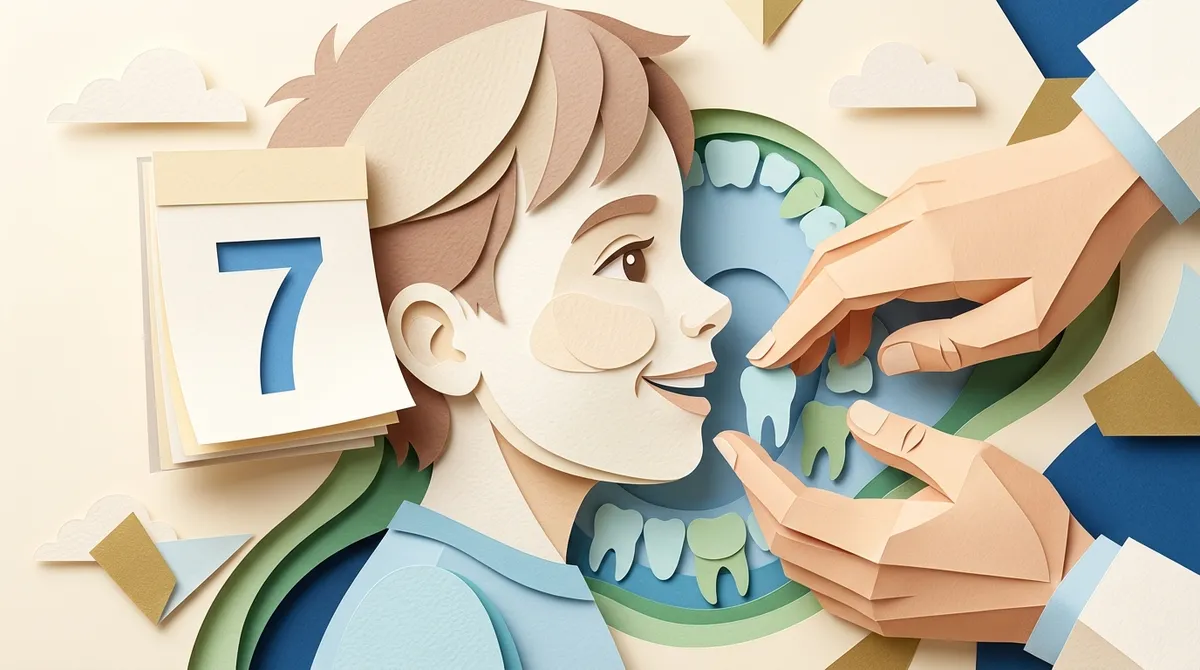
The American Dental Association and the American Association of Orthodontists (AAO) both agree: children should have their first orthodontic evaluation by age 7. This is the gold standard recommendation, and it holds true even if your child’s teeth look perfectly straight.
Why age 7? By this age, most children have a mix of baby teeth and permanent teeth. The first permanent molars have usually come in. This gives an orthodontist a clear picture of how the jaw is growing and how future teeth will likely come in. It is the ideal window for spotting problems early — before they become bigger issues.
Keep in mind, an early evaluation does not always mean early treatment. Many kids are simply monitored over time. But catching a problem early can mean simpler, less costly treatment down the road. You can learn more about what to expect by visiting the Early Treatment page at Brockway Orthodontics.
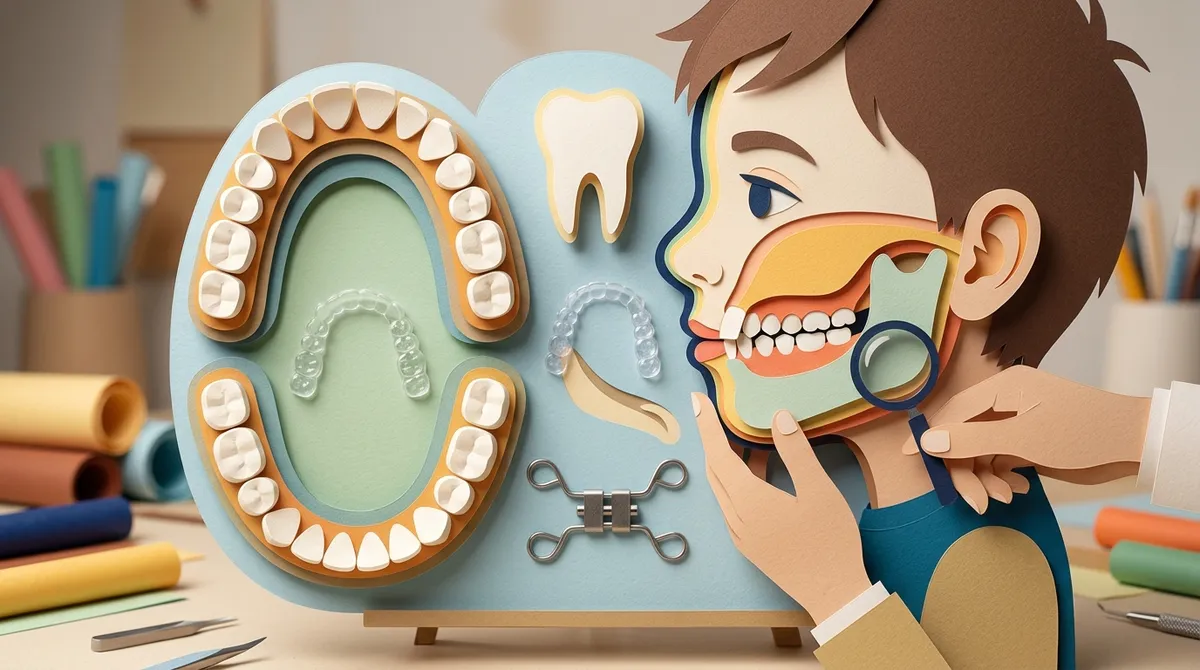
What Can an Orthodontist Detect at Age 7?
You might wonder what an orthodontist can really learn from a 7-year-old’s smile. Quite a lot, actually! A trained orthodontist can spot many developing issues during a simple evaluation.
Here is what can be detected at an early visit:
- Overbites and underbites — when the upper or lower jaw sits too far forward or back
- Crossbites — when upper teeth fit inside lower teeth instead of outside
- Crowding — when there is not enough space for permanent teeth to grow in properly
- Spacing issues — too much space between teeth
- Missing teeth — approximately 5% of people are naturally missing adult teeth, and this can be detected via early X-rays
- Jaw growth problems — detecting these early allows the orthodontist to guide proper development
Early detection means an orthodontist can step in at exactly the right time. In some cases, guiding jaw growth during childhood is far easier than correcting problems in the teen or adult years. For a deeper dive, check out Orthodontics for Kids: What Every Parent Should Know.
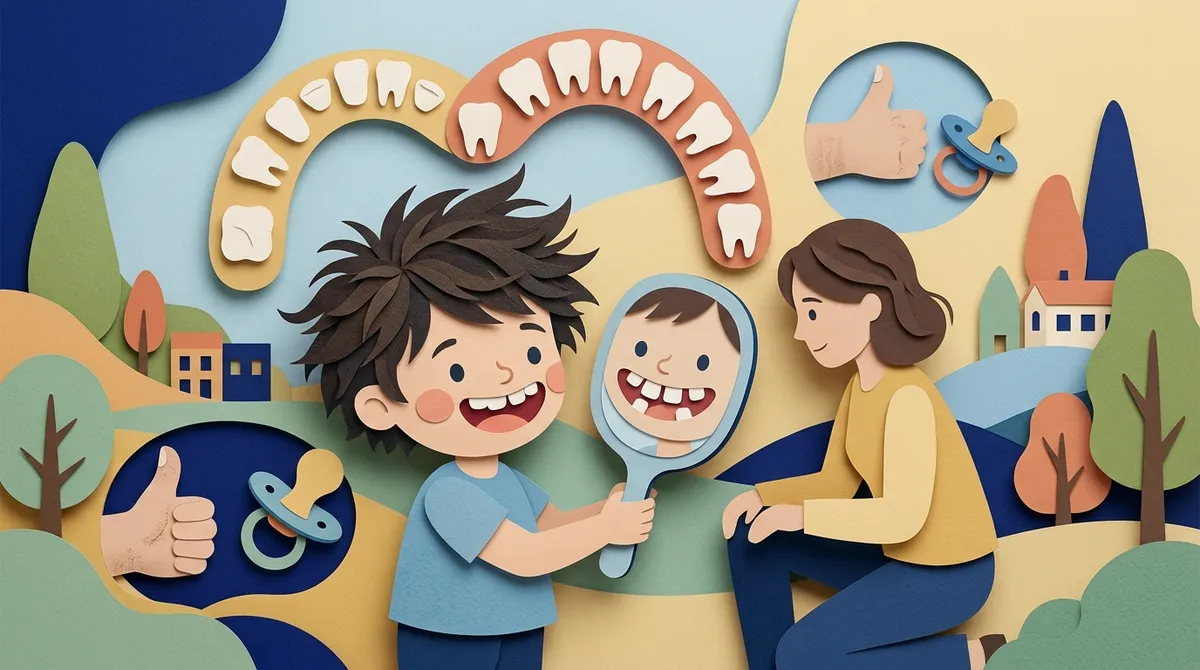
Signs Your Child May Need to See an Orthodontist Before Age 7
Age 7 is the general guideline, but some children should be seen even sooner. If you notice any of the following, do not wait — schedule a visit right away.
Early Warning Signs to Watch For
- Thumb-sucking or pacifier use past age 3–4 — this can affect jaw shape and tooth alignment
- Mouth breathing — breathing through the mouth instead of the nose can affect facial development
- Speech problems or a lisp — sometimes linked to tooth or jaw positioning
- Difficulty chewing or biting — a sign the bite may be off
- Baby teeth falling out very early or very late — can affect how permanent teeth come in
- Teeth that appear very crowded or widely spaced — visible signs of developing issues
- Teeth that do not meet properly — an obvious bite problem worth checking
If you notice any of these signs, trust your instincts and reach out to an orthodontist. You can always schedule a free consultation at Brockway Orthodontics to get a professional opinion without any pressure.
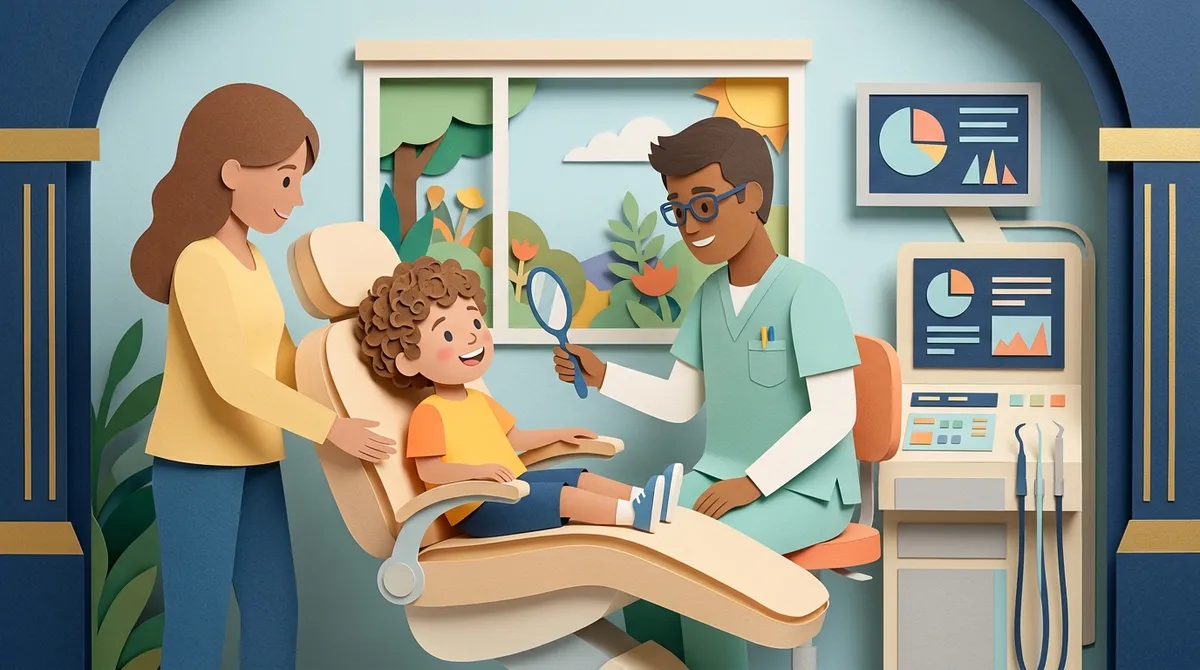
What Happens During a Child’s First Orthodontic Visit?
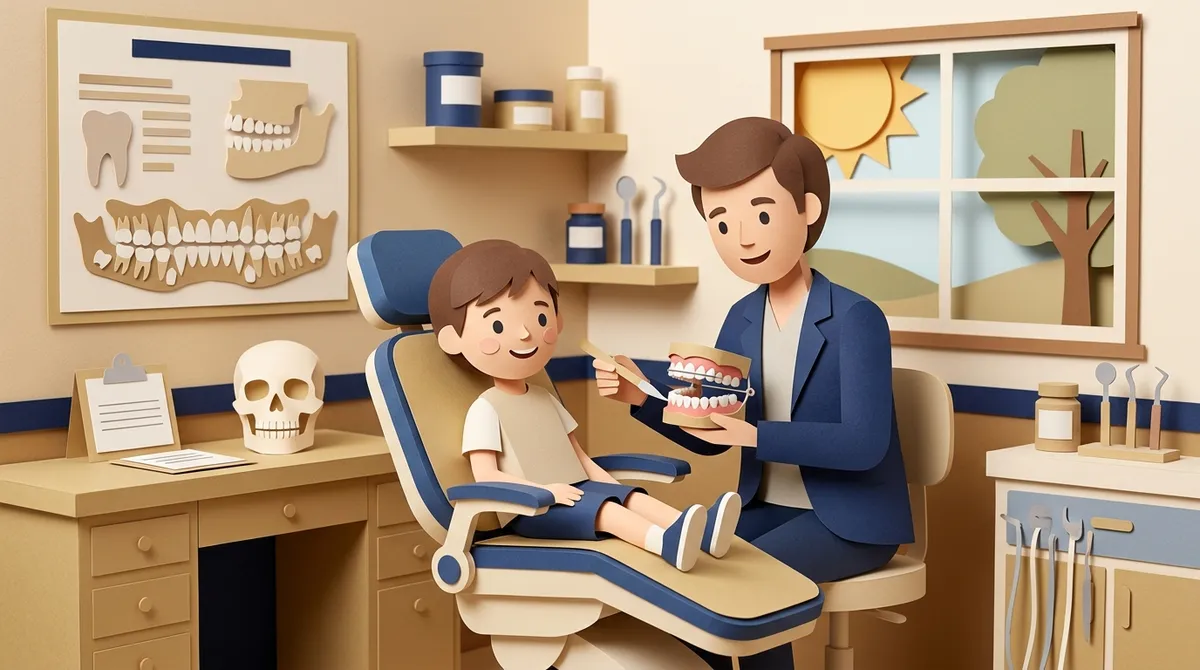
Many parents feel nervous about their child’s first orthodontic appointment. But it is really quite simple and stress-free! Here is a step-by-step look at what to expect.
Step-by-Step: The First Orthodontic Visit
- Welcome and review of medical/dental history — the team will ask about your child’s health background and any concerns you have noticed
- Visual examination — the orthodontist will examine the teeth, jaw, and bite up close
- X-rays if needed — panoramic X-rays give a full picture of developing teeth under the gums
- Discussion of findings — the orthodontist will explain what they see and whether any action is needed
- Personalized treatment plan or monitoring schedule — some children start treatment right away; many are simply monitored over time
The visit is typically quick, comfortable, and informative. Your child will feel at ease, especially in a warm and welcoming environment. You can read more about what to expect by visiting Your First Visit at Brockway Orthodontics.
Does Early Evaluation Mean Early Treatment?
Not necessarily! This is one of the biggest myths about early orthodontic visits. Most children who are evaluated at age 7 do not need immediate treatment. The orthodontist may simply keep an eye on development over time.
However, for those children who do need early intervention — sometimes called Phase 1 treatment — acting quickly can make a real difference. Early treatment can:
- Guide jaw growth in the right direction
- Make room for crowded teeth before they fully erupt
- Reduce the risk of tooth damage from protruding front teeth
- Shorten or simplify future treatment (like braces in the teen years)
- Boost a child’s confidence with a healthier-looking smile early on
Wondering what adolescent orthodontic treatment looks like once your child is ready for the next step? We have you covered.
Orthodontic Evaluation Timeline: A Quick Reference
Here is a simple table to help you understand the recommended timeline for children’s orthodontic care.
| Child’s Age | What to Do | Why It Matters |
|---|---|---|
| Under 7 (with signs) | See an orthodontist early | Address habits like thumb-sucking or jaw issues sooner |
| Age 7 | Schedule first orthodontic evaluation | Mix of baby and permanent teeth allows clear assessment |
| Ages 8–10 | Phase 1 treatment if needed, or monitoring | Guide jaw growth and prevent complications |
| Ages 11–14 | Phase 2 treatment (braces or aligners) if needed | Most permanent teeth are in; ideal for comprehensive treatment |
| Teen years onward | Retainers to maintain results | Protect investment and keep that beautiful smile lasting |
Common Orthodontic Issues Found in Children
Not sure what type of issues an orthodontist might find? Here is a helpful breakdown of the most common problems seen in young patients and how they are typically addressed.
| Issue | What It Means | Possible Treatment |
|---|---|---|
| Overbite | Upper teeth extend too far over lower teeth | Braces, growth appliances |
| Underbite | Lower jaw extends forward of upper jaw | Palate expander, braces |
| Crossbite | Upper teeth bite inside lower teeth | Expander, braces |
| Crowding | Not enough space for permanent teeth | Expanders, tooth extraction if needed, braces |
| Spacing | Gaps between teeth | Braces or clear aligners |
| Missing teeth | One or more adult teeth never develop | Space management, implants later, braces |
If you have questions about any of these issues, do not hesitate to reach out to our team at Brockway Orthodontics. We love helping families understand their options!
Treatment Options for Young Patients
If treatment is recommended after an early evaluation, parents often want to know what that looks like. The good news is that orthodontic treatment for kids has come a long way. Options are more comfortable and effective than ever.
Common Treatment Options for Children
- Traditional metal braces — reliable, effective, and kids often love picking colorful bands. Learn more in our All About Braces guide.
- Ceramic braces — tooth-colored brackets that blend in more naturally
- Palate expanders — used to widen the upper jaw and create more space
- Space maintainers — hold space for permanent teeth when baby teeth fall out early
- Clear aligners for teens — a discreet option for older kids and teens. Check out our Spark™ Clear Aligners page for details.
The right treatment always depends on the child’s specific needs, age, and development. A personalized approach makes all the difference.
Comparing Braces vs. Clear Aligners for Younger Patients
| Feature | Metal Braces | Clear Aligners |
|---|---|---|
| Visibility | Visible (metal) | Nearly invisible |
| Best age range | All ages, including young children | Best for teens and adults |
| Removable | No | Yes |
| Discipline required | Low (fixed in place) | High (must be worn 20–22 hrs/day) |
| Effectiveness for complex issues | Very high | Moderate to high |
| Fun factor for kids | High (color options!) | Moderate |
Still not sure which option fits your child best? Read our full comparison of Braces vs. Clear Aligners for Kids to explore your options in detail.
What If You Missed the Age 7 Window?
Please do not worry if your child is already older than 7 and has never seen an orthodontist! It is never too late to start. The teen years are actually the most common time for orthodontic treatment because most permanent teeth have come in by then.
And if your child is already an adult? Treatment is still absolutely possible. In fact, more adults than ever are getting orthodontic care in 2026. Check out our Adult Treatment page to learn more. The Florida Association of Orthodontists also has helpful resources for families navigating all stages of orthodontic care.
Why Choose Brockway Orthodontics for Your Child’s First Visit
At Brockway Orthodontics, we believe every child deserves a healthy, confident smile. Dr. Brockway and the entire team are dedicated to making your child’s first orthodontic experience warm, fun, and completely stress-free. We serve families throughout the Clearwater area with personalized care that fits every unique smile.
We offer a full range of orthodontic services for patients of all ages. From early childhood evaluations to teen braces and adult clear aligners, we are here for every step of your family’s smile journey. You can also visit us on Google — Brockway Orthodontics to read reviews from families just like yours in the Clearwater community.
Want to know more about what makes our office special? Take a peek at our office page or meet Dr. Brockway to learn about her background and approach to care.
Quick Checklist: Is It Time to Schedule Your Child’s First Orthodontic Visit?
Use this simple checklist to know if it is time to make that appointment:
- ✅ Your child is 7 years old or approaching that age
- ✅ Your child sucks their thumb or uses a pacifier regularly
- ✅ You notice crowded, gapped, or crooked teeth
- ✅ Your child’s teeth do not meet properly when biting
- ✅ Your child breathes through their mouth often
- ✅ Baby teeth fell out earlier or later than expected
- ✅ Your child has speech difficulties or a lisp
- ✅ Your dentist has suggested an orthodontic evaluation
If you checked even one box, it is a great time to reach out. Early evaluations are typically quick and often free. There is nothing to lose and potentially a lot to gain for your child’s long-term oral health.
Conclusion: Give Your Child the Gift of a Healthy Smile
Knowing when a child should first see an orthodontist is one of the most valuable pieces of knowledge you can have as a parent. The short answer? By age 7 — or sooner if you spot any warning signs. An early evaluation gives your child the best possible start on the path to a healthy, confident smile.
You do not have to navigate this alone. The caring team at Brockway Orthodontics is here to answer your questions and guide your family every step of the way. We would love to meet your little one and help set them up for a lifetime of great smiles.
Ready to take the next step? Schedule your child’s free orthodontic consultation today and let us help build a smile they will love for years to come!
FAQs
Q: Is age 7 really the right time for a first orthodontic visit?
A: Yes! The American Association of Orthodontists recommends age 7 as the ideal time for a child’s first orthodontic evaluation. At this age, a mix of baby and permanent teeth makes it easy for an orthodontist to assess jaw growth and spot developing issues early — even if everything looks fine from the outside.
Q: What happens if we wait until my child is a teenager?
A: It is never too late to seek orthodontic care! Many children begin treatment in their early teen years once most permanent teeth have come in. However, starting earlier allows the orthodontist to guide jaw development and may lead to simpler, more affordable treatment later on.
Q: Does my child need a referral to see an orthodontist?
A: Nope! You do not need a referral to schedule an orthodontic evaluation for your child. You can reach out to an orthodontist directly — many practices, including Brockway Orthodontics, offer free initial consultations to get you started.
Q: What are the signs my child needs to see an orthodontist before age 7?
A: Watch out for signs like prolonged thumb-sucking, mouth breathing, speech problems, difficulty chewing, very early or late loss of baby teeth, or visibly crowded and crooked teeth. If you notice any of these, schedule a visit right away — the sooner, the better!
Q: Will my child need braces after their first orthodontic evaluation?
A: Not necessarily! Many children evaluated at age 7 simply need to be monitored over time. Only a small fraction of young children require immediate treatment. The first visit is really about gathering information and catching any issues early, not jumping straight into treatment.