Key Takeaways
-
Teeth can begin shifting back within just a few days without a retainer due to orthodontic relapse, making retainer wear immediately after braces essential to preserve treatment results.
-
Most orthodontists recommend full-time retainer wear for 4-12 months after braces, then switching to nighttime-only wear that many patients should continue indefinitely to prevent age-related tooth shifting.
-
Fixed bonded retainers work 24/7 without effort, while removable retainers (clear plastic or Hawley) offer flexibility but require discipline; your orthodontist will recommend the best type for your situation.
-
Clean removable retainers daily with mild soap and soft brush using lukewarm water only, and always store in a protective case—never use hot water as it warps plastic and ruins the fit.
-
If your retainer feels too tight or doesn’t fit properly, contact your orthodontist immediately without forcing it in, as this signals tooth shifting and delaying treatment can allow further movement.
-
Missing even a few nights of retainer wear allows teeth to shift, and common mistakes like eating with it in, wrapping it in napkins, or using hot water can damage the retainer or compromise results.
You did it! Braces are off, and your smile looks amazing. But here’s the thing — the journey isn’t quite over yet. A retainer after braces is one of the most important steps in your orthodontic care. Without it, your teeth can slowly drift back to where they started. That’s the last thing anyone wants after months or even years of treatment!
The good news? Wearing a retainer is simple once you know what to expect. Whether you’re a parent helping your teen navigate post-braces life, an adult professional who just finished treatment, or someone who’s been through braces before, this guide is for you. Let’s walk through everything you need to know about retainers — from the types available to how to care for them properly.
Why You Need a Retainer After Braces
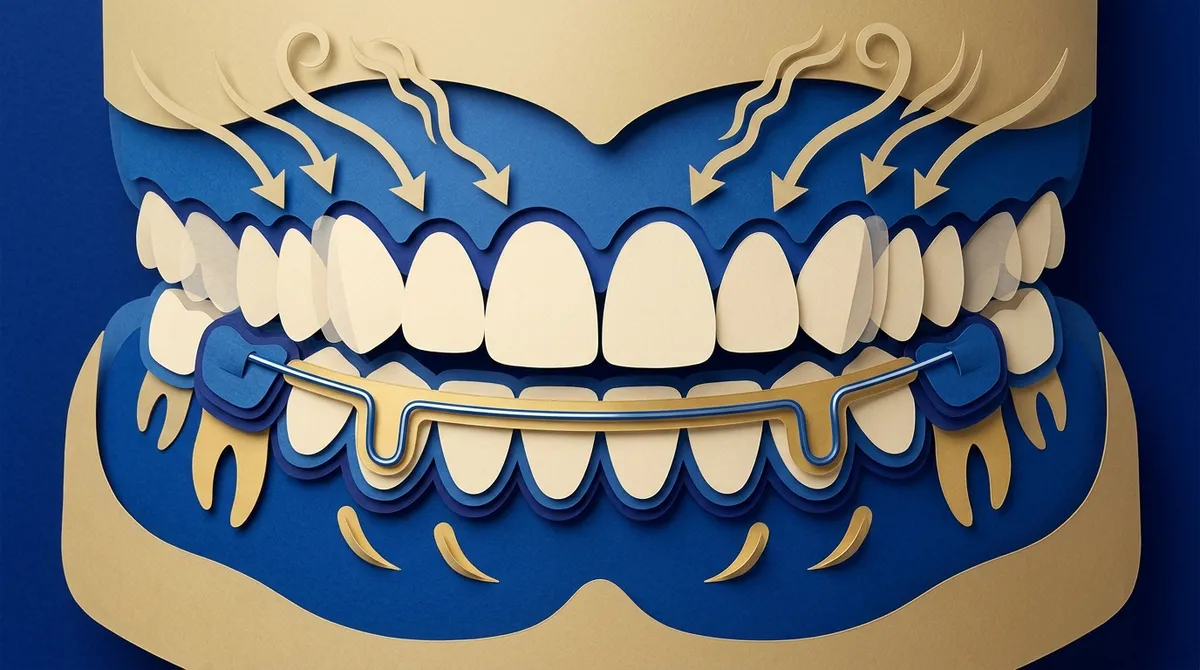
Your teeth are held in place by a network of fibers and bone. When braces move your teeth, those supporting structures need time to adjust and firm up in their new positions. Without a retainer, the fibers can pull teeth back toward their original spots. This is called orthodontic relapse, and it can happen faster than you might think.
According to the Cleveland Clinic, teeth can begin to shift back within just a few days if retainer wear is skipped. That’s why your orthodontist will fit you with a custom retainer as soon as your braces come off. Think of a retainer as a guardian for your new smile — it holds everything in place while your mouth fully adapts.
You can learn more about how the process works by visiting our retainers page at Brockway Orthodontics. We also have a detailed overview on our all about braces page if you want the full picture from start to finish.
The Two Main Types of Retainers
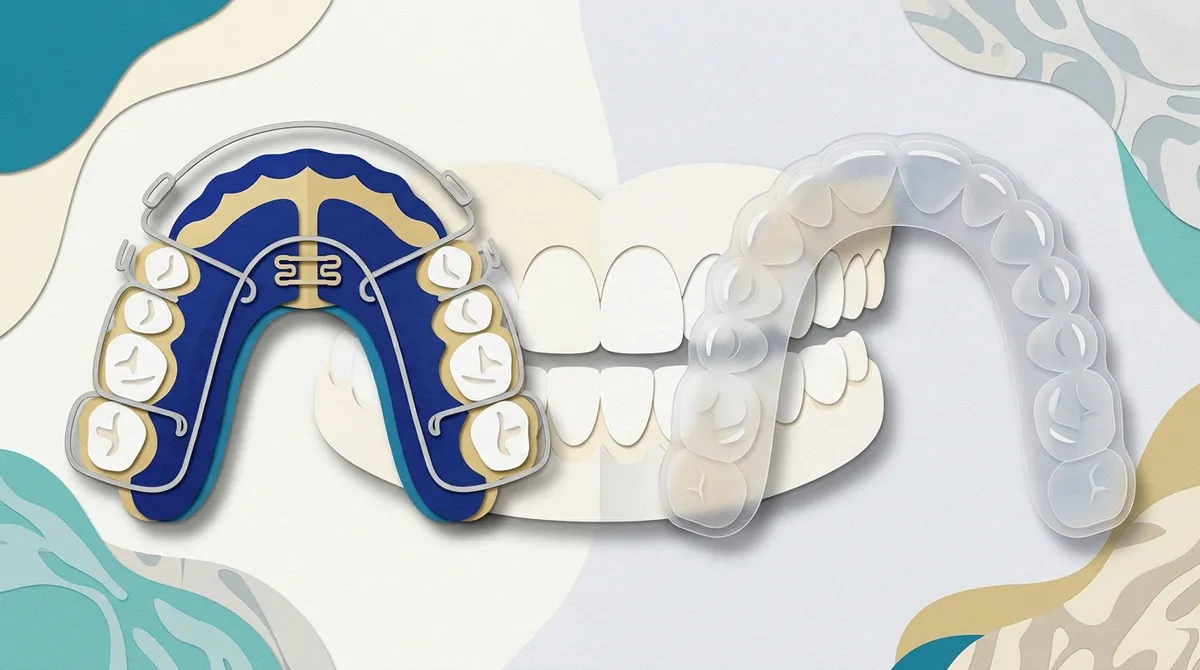
Not all retainers are the same. Your orthodontist will recommend the best option based on your teeth, your age, and your treatment history. Here’s a quick breakdown of the two main categories.
Removable Retainers
These are retainers you can take in and out on your own. They’re great for eating, brushing, and flossing because you simply remove them and pop them back in afterward. There are two common types within this category:
- Hawley retainers — Made of wire and acrylic, these are durable and adjustable.
- Clear plastic retainers — These fit snugly over the teeth and are nearly invisible when worn.
Fixed (Bonded) Retainers
A fixed retainer is a thin wire bonded to the back of your teeth — usually the lower front teeth. You can’t remove it yourself, and it works around the clock without any effort on your part. It’s a great option for people who worry about forgetting to wear a removable retainer.
| Retainer Type | Removable? | Visibility | Best For |
|---|---|---|---|
| Hawley Retainer | Yes | Slightly visible | Durability and adjustability |
| Clear Plastic Retainer | Yes | Nearly invisible | Discreet, comfortable wear |
| Fixed/Bonded Retainer | No | Not visible (behind teeth) | Hands-free, long-term retention |
The orthodontic retainers guide for Clearwater patients has more details on how we help match each patient with the right type of retainer.
How Long Do You Need to Wear a Retainer After Braces?
This is the big question everyone asks. The short answer? It depends on your individual situation. But here’s what research and orthodontic experts generally recommend:
- The Canadian Association of Orthodontists and Healthline recommend full-time wear for the first 4 to 6 months after braces.
- Some guidelines suggest full-time wear for up to a year, then switching to nighttime only.
- The Cleveland Clinic states that many patients should wear a retainer at night for the rest of their life.
- Colgate reports a common recommendation of full-time wear for 4 months to 1 year before reducing to nighttime use.
Yes, you read that right — many people wear a retainer indefinitely. Your teeth can keep shifting as you age, even decades after braces. That doesn’t mean you’ll be wearing it 24/7 forever, but nighttime wear is often a long-term habit worth keeping. The American Dental Association also supports consistent retainer use as part of maintaining good oral health long-term.
| Phase | Recommended Wear Time | Duration |
|---|---|---|
| Early post-braces phase | Full-time (20–22 hours/day) | First 4–12 months |
| Transition phase | Nighttime only | After orthodontist approves change |
| Long-term maintenance | Nighttime (most nights) | Ongoing / lifelong for many patients |
Your orthodontist will guide you through these phases. If you have questions, reach out to our friendly team and we’ll walk you through what to expect at your stage of treatment.
Step-by-Step: How to Start Your Retainer Routine
Starting a new routine can feel a little awkward at first. Here’s a simple plan to make it easy from day one:
- Get your retainer fitted right away. Your orthodontist will take measurements or scans of your teeth the same day your braces come off. Your custom retainer will be ready quickly so you don’t lose any time.
- Wear it as directed — no shortcuts. Full-time means full-time. Wear it when you sleep, and during the day too for the first several months. Only remove it to eat and brush.
- Build it into your daily habits. Keep your retainer case by your toothbrush. Make putting it in part of your morning and bedtime routine so it becomes second nature.
- Rinse it every time you remove it. A quick rinse with lukewarm water removes saliva and bacteria before they have a chance to build up.
- Clean it daily. Use a soft toothbrush and mild soap or a retainer-specific cleaning solution. Never use hot water — it can warp plastic retainers and ruin the fit.
- Store it safely. Always keep your retainer in its protective case when not in your mouth. This protects it from damage and keeps it clean.
- Check in with your orthodontist. Regular follow-up visits let your orthodontist confirm the retainer is still fitting well and your teeth are staying in place.
How to Care for Your Retainer the Right Way
A retainer is an investment in your smile. Taking good care of it means it will last longer and do its job better. Here are the best practices to follow:
- Clean removable retainers every day with a soft brush and mild soap.
- Avoid soaking in hot water or leaving retainers in direct sunlight — heat warps plastic.
- Keep retainers away from pets (yes, dogs love to chew them!).
- Use a firm retainer case — don’t wrap it in a napkin or tissue at meals.
- If you have a fixed retainer, floss carefully around the wire using a floss threader or water flosser.
For bonded retainers, your regular dental hygiene routine is still important. Brush thoroughly around the wire and visit your dentist regularly for cleanings. The Florida Association of Orthodontists recommends keeping up with both your orthodontist and general dentist even after braces come off.
| Care Task | Removable Retainer | Fixed Retainer |
|---|---|---|
| Daily cleaning | Brush with mild soap + soft brush | Brush carefully around wire |
| Flossing | Normal flossing when retainer is out | Use floss threader or water flosser |
| Storage | Protective case when not in use | N/A (stays in place) |
| Heat exposure | Avoid — warps plastic | Not a concern |
| Professional check | Orthodontist follow-up visits | Regular dental cleanings |
What to Do If Your Retainer Doesn’t Fit Anymore
If you put your retainer in and it feels too tight, that’s a warning sign. It means your teeth have shifted — even just a little. This can happen if you’ve gone a few nights without wearing it. Don’t force the retainer in if it feels painful or doesn’t seat properly.
Here’s what to do:
- Call your orthodontist right away. Don’t wait — the longer you go without a fitting retainer, the more your teeth can move.
- Don’t try to force it. Forcing an ill-fitting retainer can damage your teeth or the retainer itself.
- Be honest about your wear habits. Your orthodontist can help you get back on track without judgment. Our team at Brockway Orthodontics is here to support you, not lecture you!
If your retainer breaks or gets lost, the same advice applies — read our quick guide on what to do if your retainer breaks and then contact us as soon as possible. Our Clearwater office can help get you a replacement quickly to protect your smile.
Retainers for Different Life Stages
Retainer needs can vary depending on your age and lifestyle. Here’s a look at how retainer wear often fits into different stages of life:
Teens and Young Adults
After adolescent treatment, teens often need more reminders to keep up with retainer wear. Building the habit early is key. Setting a phone alarm or keeping the retainer case next to a daily essential (like a phone charger) can make a big difference.
Adults
Adults finishing adult orthodontic treatment may find that nighttime wear is easier to stick to given busy schedules. The important thing is consistency — wearing your retainer most nights goes a long way in protecting your results. See also our article on why so many adults are getting orthodontic treatment in 2026.
Orthodontic Relapse Patients
If you’ve had braces before and noticed your teeth have shifted, you’re not alone. Many adults seek retreatment. After completing a second round of treatment, consistent retainer wear is even more critical. You can explore your options at Brockway Orthodontics by scheduling a free consultation with Dr. Brockway.
Common Retainer Mistakes to Avoid
Even the most well-intentioned patients make mistakes with their retainers. Here are the ones we see most often — and how to avoid them:
- Skipping nights — Even missing a few nights can allow teeth to start shifting. Consistency matters.
- Eating with a removable retainer in — This can crack or stain the retainer. Always remove it before meals.
- Rinsing with hot water — Hot water warps plastic. Always use lukewarm or cool water.
- Wrapping it in a napkin — This is the fastest way to accidentally throw it in the trash. Use the case every time.
- Not replacing a worn-out retainer — Retainers don’t last forever. If yours is cracked, warped, or no longer fits snugly, it’s time for a new one.
Check out our article on braces treatment mistakes you should never make for more tips on protecting your smile throughout your entire orthodontic journey.
Your Smile Is Worth Protecting
Getting braces off is a milestone worth celebrating — but protecting those results is just as exciting. A retainer after braces is your best tool for keeping that beautiful smile exactly where it belongs. With a little consistency and the right care habits, wearing a retainer becomes second nature in no time.
At Brockway Orthodontics in Clearwater, FL, Dr. Brockway and her team are passionate about helping every patient maintain their smile for life. From custom retainer fittings to personalized follow-up care, we’re with you every step of the way. You can visit us on Google — Brockway Orthodontics to read what our patients are saying, or explore our patient reviews page to see their stories firsthand.
Ready to get started or have questions about your retainer? We’d love to hear from you. Book your free consultation online and let’s make sure your smile stays as stunning as the day your braces came off. You’ve worked hard for this — let’s keep it!
FAQs
Q: How long do you have to wear a retainer after braces?
A: Most orthodontists recommend full-time wear for the first 4 to 12 months after braces, then switching to nighttime wear. Many patients benefit from wearing a retainer at night long-term — even for life — to keep their smile looking great!
Q: What happens if you stop wearing your retainer after braces?
A: If you stop wearing your retainer, your teeth can start shifting back toward their original positions — sometimes within just a few days! This is called orthodontic relapse, and it can undo all the hard work your braces did. Consistency is key.
Q: What is the difference between a fixed retainer and a removable retainer?
A: A fixed retainer is a small wire bonded to the back of your teeth that works 24/7 without you having to think about it. A removable retainer, like a clear plastic or Hawley retainer, is taken in and out — great flexibility, but it requires discipline to wear as directed.
Q: What should I do if my retainer no longer fits properly?
A: If your retainer feels tight or doesn’t fit the way it used to, contact your orthodontist right away! Don’t try to force it in — your teeth may have shifted slightly, and your orthodontist can help you get back on track before any significant movement occurs.
Q: How often should I clean my retainer after braces?
A: You should clean your removable retainer every single day! Use a soft toothbrush with mild soap and lukewarm water. Avoid hot water since it can warp the plastic. Keeping it clean prevents bacteria buildup and helps your retainer last much longer.