Key Takeaways
-
Research and compare multiple orthodontists before booking—don’t settle for the first online result. Read reviews, check credentials, and examine before-and-after photos to ensure quality care tailored to your needs.
-
Always schedule a free initial consultation to understand your treatment options, realistic timeline, and ask questions in a low-pressure environment before committing to any orthodontic plan.
-
Explore all braces types available (traditional metal, ceramic, self-ligating, clear aligners, lingual) as each offers different benefits for visibility, treatment time, and comfort based on your lifestyle.
-
Ask about modern acceleration techniques upfront—such as AcceleDent, microperforations, self-ligating brackets, and AI-assisted planning—which can reduce treatment time from 12-24 months.
-
Discuss financing options during your consultation, including insurance coverage, payment plans, FSAs/HSAs, and in-house financing programs, to eliminate cost as a barrier to treatment.
-
Commit to wearing your retainer consistently after treatment ends to prevent orthodontic relapse, protecting your entire investment in your smile long-term.
Getting braces is one of the best investments you can make in your smile. But like any big decision, there are ways to make the journey smoother — or to accidentally make it harder. Whether you’re a parent exploring options for your child, a teenager ready to level up your confidence, or an adult professional looking for discreet orthodontic solutions, knowing what not to do can save you time, money, and frustration.
In 2026, orthodontic care has evolved in exciting ways. From AI-assisted treatment planning to hybrid systems that blend braces and clear aligners, patients have more choices than ever. But with more choices comes more room for missteps. This guide walks you through the most common mistakes people make when searching for braces treatment near me — and how to avoid every single one of them. Let’s get into it!

Mistake 1: Choosing the First Provider You Find Online
We get it. When you search for braces treatment near me, it’s tempting to just click the first result and book an appointment. But not all orthodontic providers offer the same level of care, technology, or personalization. Rushing this step can lead to a treatment plan that doesn’t truly fit your needs.
Take time to read reviews, check credentials, and look at before-and-after photos. An experienced orthodontist like Dr. Brockway brings years of expertise and a patient-first philosophy to every smile journey. Don’t settle — do your homework first. You can even visit us on Google to read real patient reviews and get a feel for what the experience is like before you even step through the door.
Mistake 2: Ignoring the Importance of a Free Consultation
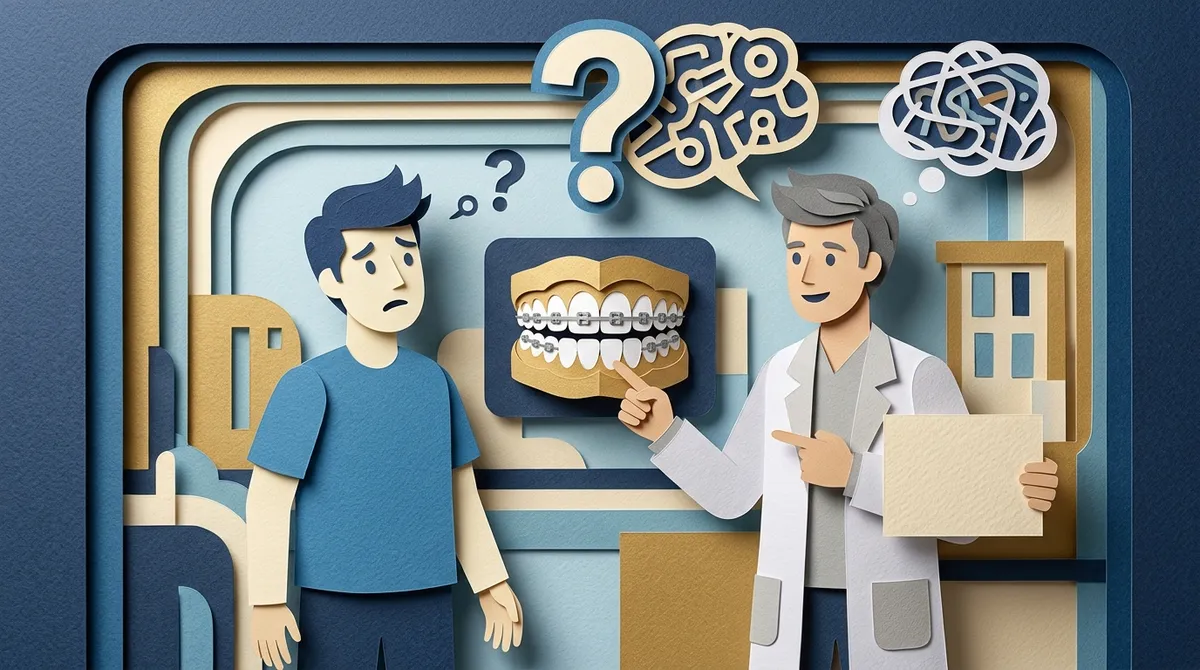
Many orthodontic practices offer free initial consultations. Skipping this step is a big missed opportunity. A consultation helps you understand your treatment options, get a realistic timeline, and ask all your questions in a low-pressure environment.
During your first visit, your orthodontist will evaluate your bite, alignment, and overall oral health. This is also when you learn whether traditional braces, Spark™ Clear Aligners, or a hybrid approach is right for you. Don’t skip this — it’s free and incredibly valuable. You can schedule your free consultation today to get started on the right foot.
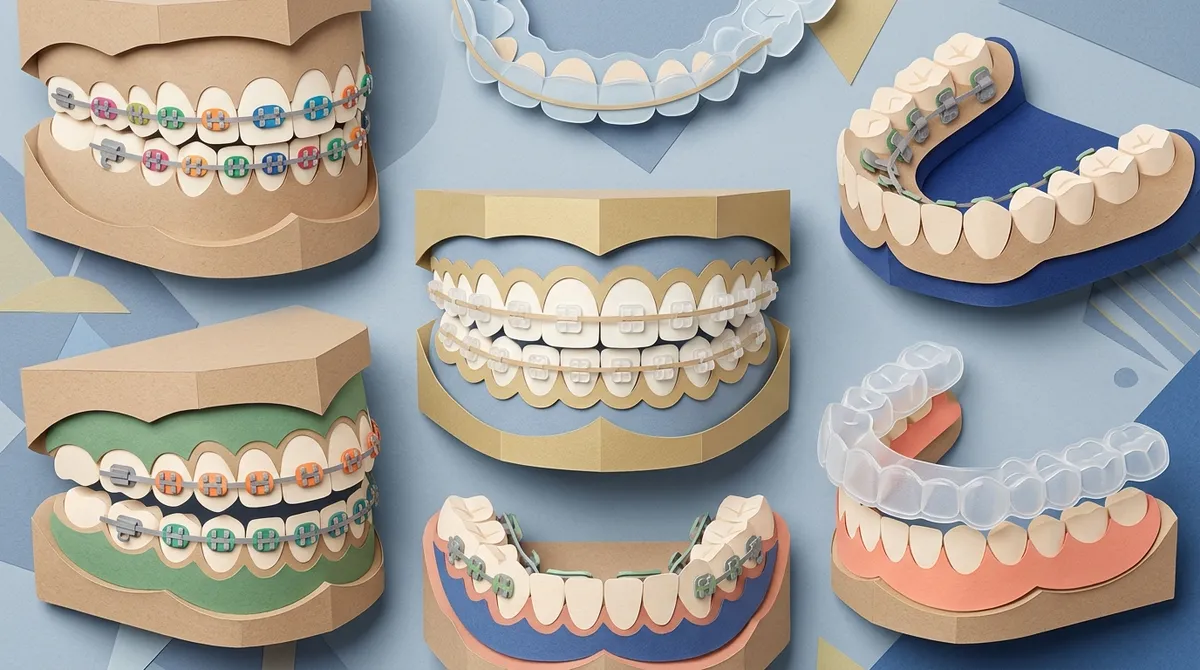
Mistake 3: Assuming All Braces Are the Same
A lot of people still picture metal braces when they think of orthodontic treatment. But in 2026, there’s a whole menu of options available — and choosing the wrong type for your lifestyle or dental needs can lead to longer treatment times or unnecessary discomfort.
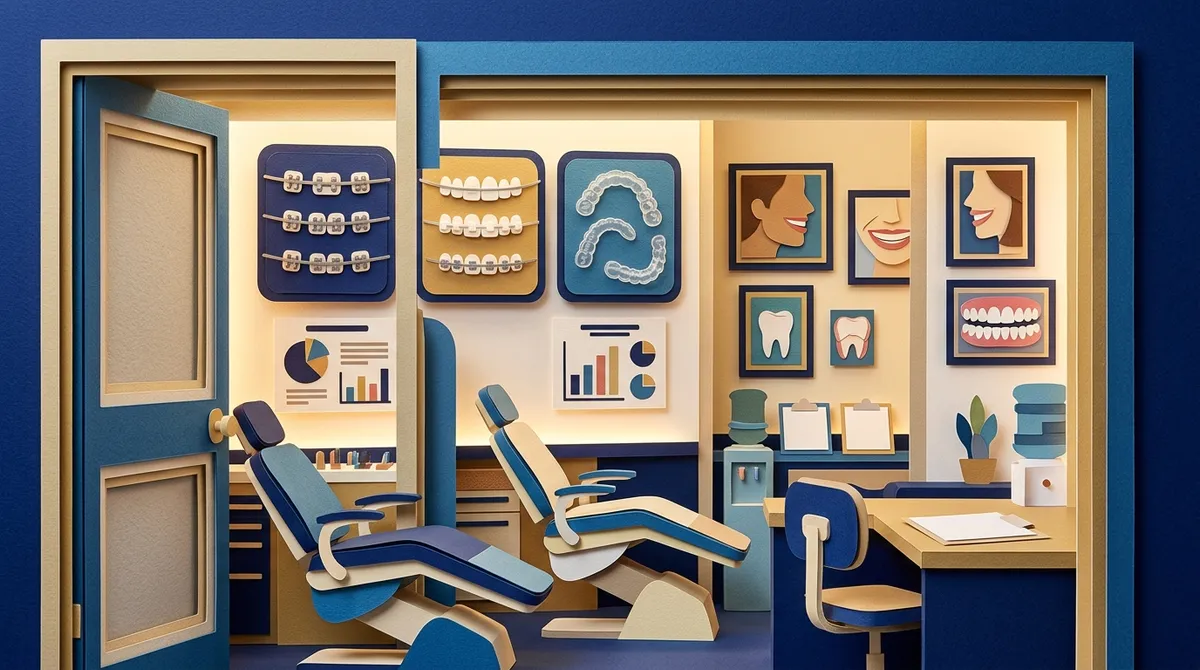
Here’s a quick comparison of the most common braces types available today:
| Braces Type | Best For | Visibility | Avg. Treatment Time |
|---|---|---|---|
| Traditional Metal Braces | Complex cases, all ages | Visible | 18–24 months |
| Ceramic Braces | Teens and adults who want less visibility | Low-profile | 18–24 months |
| Self-Ligating Brackets | Patients wanting fewer adjustments | Moderate | 12–20 months |
| Clear Aligners | Mild to moderate cases, adults, teens | Nearly invisible | 12–18 months |
| Lingual Braces | Patients needing invisible treatment | Invisible | 18–24 months |
Self-ligating brackets, for example, reduce friction and can cut down on the number of office visits you need. Lingual braces are placed on the inside of your teeth, making them completely invisible. Knowing your options is half the battle. Learn more on the All About Braces page.
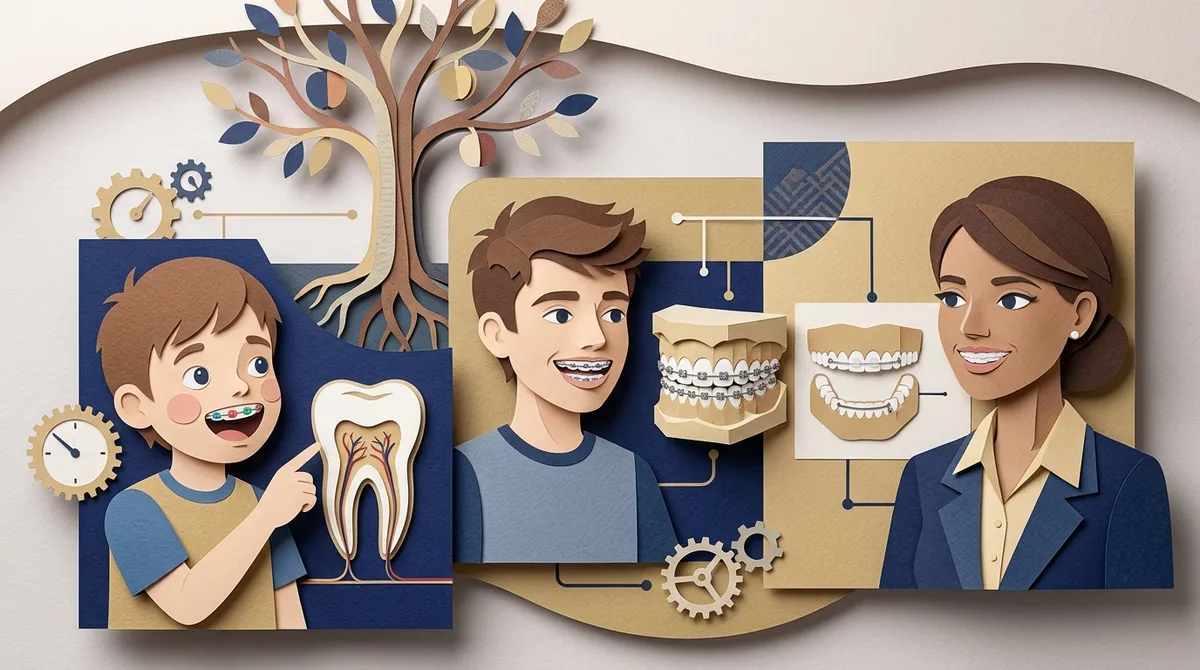
Mistake 4: Overlooking Age-Specific Treatment Needs
Orthodontic needs vary a lot depending on your age. A child’s jaw is still developing, which means early intervention can prevent bigger problems later. Teens often benefit from treatment that balances aesthetics with function. Adults may need more specialized approaches due to fully developed bone structure.
Here’s a breakdown by age group:
| Age Group | Common Concerns | Recommended Options |
|---|---|---|
| Children (7–12) | Jaw development, spacing issues | Early Treatment |
| Teens (13–17) | Alignment, overcrowding, aesthetics | Adolescent Treatment, clear aligners |
| Adults (18+) | Bite correction, relapse, aesthetics | Adult Treatment, aligners, lingual braces |
The American Dental Association recommends that children have their first orthodontic evaluation by age 7. Starting early doesn’t always mean starting treatment right away — but it gives your orthodontist a chance to monitor development and plan ahead.
Mistake 5: Neglecting to Ask About Treatment Time
One of the most common complaints from orthodontic patients is not knowing how long their treatment will take. And honestly, that’s often because they never asked upfront. Adult braces treatment typically ranges from 12 to 24 months, depending on case complexity and the type of appliance used.
Several innovative techniques in 2026 are designed to speed things up, including:
- AcceleDent and similar high-frequency vibration devices — These adjunct tools use gentle micro-vibrations to stimulate bone remodeling, potentially reducing treatment time.
- Microperforations — A minimally invasive technique that helps teeth move more efficiently through the bone.
- Self-ligating brackets — These reduce friction and require fewer adjustments, which can shorten overall treatment time.
- AI-assisted treatment planning — Advanced software analyzes your scans for precise, predictable tooth movements with fewer refinements needed.
Ask your orthodontist during your first consultation what acceleration options are available. Knowledge is power — and it helps you plan around big life events too.
Mistake 6: Ignoring Financing and Insurance Options
Cost concerns stop a lot of people from moving forward with braces treatment. But here’s the thing — many orthodontic practices have flexible financing options that make treatment accessible. Skipping the financial conversation is a mistake that delays your smile for no good reason.
Here’s what to look into:
- Whether your dental insurance covers orthodontic treatment
- Monthly payment plans with low or no interest
- Flexible spending accounts (FSAs) or health savings accounts (HSAs)
- In-house financing programs offered by your orthodontist
- Discount programs for family members treating together
The Financing and Insurance page at Brockway Orthodontics walks you through your options clearly. Don’t let cost be the reason you wait any longer than necessary. Tools like InCare also offer patient financing solutions that can help make orthodontic care more budget-friendly.
Mistake 7: Skipping Retainers After Treatment
You’ve done the work. You’ve worn your braces, attended every appointment, and your smile looks amazing. Then you stop wearing your retainer. Big mistake. Teeth naturally want to drift back to their original positions — this is called orthodontic relapse, and it’s incredibly common.
Retainers are not optional. They’re the final — and ongoing — phase of your treatment. Learn everything you need to know about keeping your smile in place on the Retainers page. Consistency here protects your entire investment.
Mistake 8: Not Considering Technology When Picking a Provider
Orthodontic technology has come a long way. In 2026, the best practices use advanced tools to deliver faster, more accurate, and more comfortable results. When you’re searching for braces treatment near me, it’s worth asking about the technology your provider uses.
Look for these modern features:
- 3D printing — Enables custom brackets, aligners, and retainers for a better fit and faster production
- AI-assisted treatment planning — Analyzes digital scans for precise, predictable outcomes
- Digital impressions — No more uncomfortable putty molds; digital scans are faster and more accurate
- Remote monitoring — Allows your orthodontist to check progress between visits via an app
- Hybrid orthodontics — Combines braces and clear aligners for efficiency in complex cases
These tools aren’t just cool — they directly impact the quality and comfort of your treatment. Practices that invest in modern technology are investing in you.
Mistake 9: Not Researching the Orthodontist’s Credentials
Not every dentist is an orthodontist. And not every orthodontist has the same level of training or expertise. An orthodontist completes an additional two to three years of specialized training after dental school. When you’re looking for braces treatment near me, verifying credentials matters.
Here’s what to check:
- Board certification or eligibility from a recognized orthodontic board
- Membership in professional organizations like the Florida Association of Orthodontists
- Continued education and training in new techniques and technologies
- Patient testimonials and documented treatment outcomes
Brockway Orthodontics is proud to offer expert, credentialed care right here in Clearwater, Florida. Explore our full range of services and see why families and adults trust us for their smiles.
Mistake 10: Waiting Too Long to Start
This is perhaps the most common mistake of all. People put off braces treatment because of cost, timing, fear, or simply not knowing where to start. But the longer you wait, the more complex — and potentially expensive — treatment can become.
Here’s why starting sooner is almost always better:
- Teeth and jaw issues can worsen over time without intervention
- Early treatment in children can prevent more invasive procedures later
- Adults who delay often experience more bone density challenges
- Orthodontic relapse patients benefit most from acting quickly before shifts become severe
- Your confidence and oral health improve sooner when you take that first step
If you’ve been thinking about it, now is the time. Check out what to expect on your first visit so you know exactly what’s coming. It’s easier than you think.
Quick Reference: Mistakes and How to Avoid Them
| Mistake | Why It Matters | How to Avoid It |
|---|---|---|
| Choosing the first provider | May not be the best fit for your needs | Research, read reviews, compare options |
| Skipping consultation | Misses key planning and Q&A opportunity | Book your free consultation today |
| Assuming all braces are the same | Wrong type = longer or less comfortable treatment | Learn all available options |
| Ignoring age-specific needs | Treatment effectiveness varies by age | Work with an age-experienced orthodontist |
| Not asking about treatment time | Surprises and poor planning | Ask about acceleration options upfront |
| Skipping retainers | Relapse and wasted investment | Wear your retainer as directed — always |
| Waiting too long | Issues worsen and costs increase | Start as soon as you’re considering it |
Your Smile Deserves the Best Start
Finding the right braces treatment near me doesn’t have to be overwhelming. It just takes a little awareness of the common pitfalls — and the willingness to ask the right questions. Whether you’re just starting your research or you’re ready to book your first appointment, avoiding these mistakes will set you up for a smoother, happier smile journey.
At Brockway Orthodontics, we believe every patient deserves personalized care, honest answers, and a treatment plan built around their life. We’ve helped patients of all ages — from young children to working professionals — achieve their best smiles using the latest technology and a warm, welcoming approach. Our online marketing is proudly supported by Brain Buzz Marketing, helping us stay connected with the community we love to serve.
Have more questions before you dive in? The FAQs page is a great place to start. And if you’re ready to take that first step, we’d love to meet you. Schedule your free smile consultation with our team today — because your best smile is closer than you think.
FAQs
Q: How do I find the best braces treatment near me?
A: Start by searching for board-certified orthodontists in your area and reading patient reviews. Look for practices that offer free consultations, modern technology like 3D imaging, and personalized treatment plans — these are great signs you’ve found a quality provider!
Q: How long does braces treatment typically take?
A: Most braces treatment for adults takes between 12 and 24 months, depending on the complexity of your case and the type of appliance used. Exciting 2026 innovations like self-ligating brackets and AcceleDent can help speed things up for many patients.
Q: Are clear aligners a good alternative to traditional braces?
A: Clear aligners are a fantastic option for mild to moderate cases and are especially popular with adults and teens who want a discreet look. Your orthodontist can help you decide if they’re the right fit based on your specific bite and alignment needs.
Q: What happens if I don’t wear my retainer after braces?
A: Without consistent retainer wear, your teeth can gradually shift back toward their original positions — a process called orthodontic relapse. Wearing your retainer as directed is the best way to protect your beautiful results long-term!
Q: Is braces treatment worth it for adults?
A: Absolutely! More adults than ever are choosing orthodontic treatment in 2026 for both aesthetic and health reasons. With discreet options like clear aligners and lingual braces, there’s never been a better time to invest in your smile — no matter your age.