Key Takeaways
-
Early evaluation around age 7 is critical because the jaw is still growing and can be guided naturally, preventing severe complications like asymmetric jaw growth, TMJ problems, and the need for future surgery.
-
Untreated crossbites cause serious long-term damage including uneven tooth wear, permanent jaw shifting, gum recession, and TMJ discomfort—making early intervention essential for health and function.
-
Treatment options range from palatal expanders for children (3-12 months) to braces (12-36 months) or clear aligners for mild cases (6-24 months), with choice depending on severity, age, and jaw growth status.
-
Crossbites develop from preventable causes like delayed baby tooth loss, thumb sucking, pacifier use, and oral habits—understanding the cause helps orthodontists design the most effective treatment plan.
-
Clear aligners can successfully correct mild to moderate crossbites in teens and adults, offering a discreet alternative to braces with treatment typically lasting 6-24 months.
-
Mild single-tooth crossbites can be corrected in 6-12 months, while early treatment starting in childhood often shortens overall treatment time and complexity compared to waiting until adulthood.
Have you ever noticed your teeth don’t quite line up the way they should? Maybe your dentist mentioned a “crossbite,” and now you’re wondering what that really means and what happens next. You’re not alone! Crossbites are one of the most common bite issues orthodontists see every day. The good news? Crossbite correction is very doable, and getting it treated can make a huge difference for your smile, your jaw, and your overall health. Whether you’re a parent researching options for your child or an adult thinking about your own bite, this guide is here to walk you through everything in a friendly, easy-to-follow way.
What Exactly Is a Crossbite?
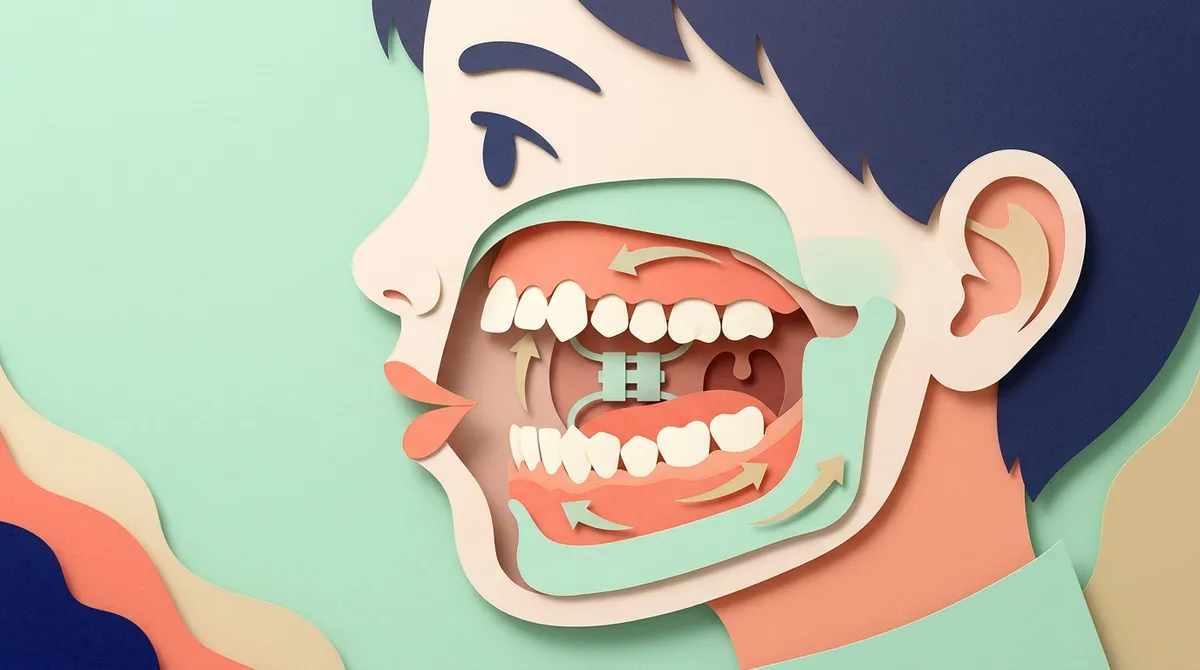
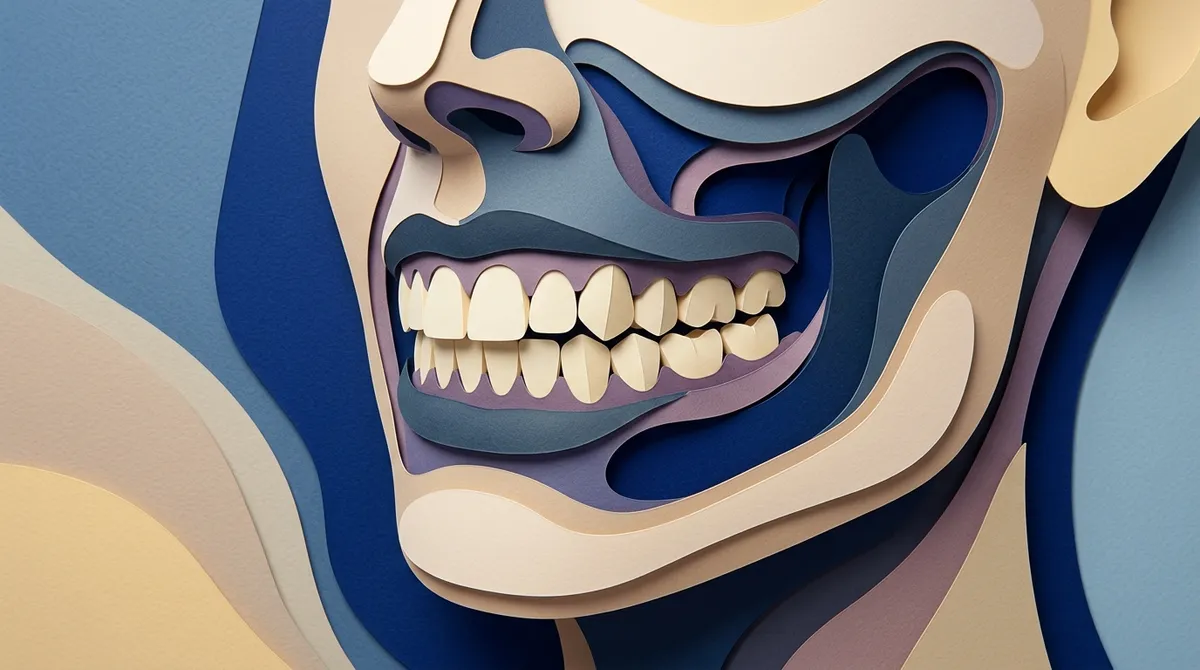
A crossbite is a type of bite problem called a malocclusion. In a normal bite, your upper teeth sit slightly outside your lower teeth when you close your mouth. With a crossbite, one or more upper teeth bite inside the lower teeth instead. It can affect just one tooth or many teeth at once. According to the American Association of Orthodontists, crossbites are a prevalent form of malocclusion that can affect both the front and back teeth.
There are two main types that orthodontists commonly diagnose:
- Anterior crossbite: This affects the front teeth. One or more upper front teeth bite behind the lower front teeth.
- Posterior crossbite: This affects the back teeth (molars and premolars). The upper back teeth sit inside the lower back teeth on one or both sides.
- Buccal crossbite: This involves the side (buccal) teeth and can also affect jaw alignment.
- Single-tooth crossbite: Only one tooth is out of position, which is often easier to correct.
- Full crossbite: Multiple teeth — or even an entire arch — are involved, requiring more comprehensive treatment.
Not sure which type you or your child might have? That’s exactly what a professional evaluation is for. You can learn more about early treatment options or find out what to expect at your first visit at Brockway Orthodontics.
What Causes a Crossbite?
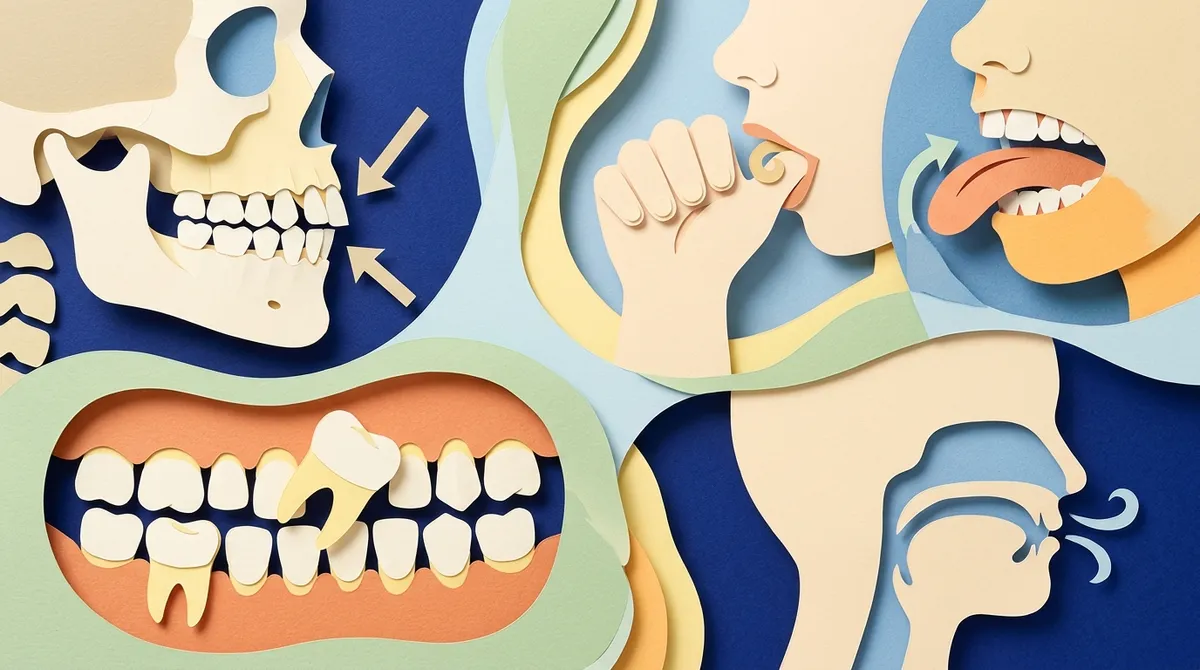
Crossbites don’t just appear out of nowhere. There are several common causes, and knowing them can help you understand your own situation better. Here are the most frequent reasons a crossbite develops:
- Genetics: Sometimes a crossbite simply runs in the family. If a parent had one, their child may develop one too.
- Abnormal tooth eruption: When adult teeth come in at an unusual angle, a crossbite can form.
- Delayed loss of baby teeth: If baby teeth hang around too long, they can push adult teeth into the wrong position.
- Oral habits: Thumb sucking, pacifier use beyond toddler years, or atypical swallowing patterns can all affect how the jaw and teeth develop.
- Narrow upper jaw: A naturally narrow palate can cause the upper teeth to sit inside the lower teeth.
Understanding the cause helps your orthodontist design the best possible treatment plan. If you’re curious about what might be behind your bite issue, the American Dental Association is a great resource for learning more about oral health and development.
Why Crossbite Correction Matters
Some people wonder if a crossbite is really a big deal — especially if it doesn’t hurt. But leaving a crossbite untreated can cause real problems over time. Here’s what can happen without treatment:
- Uneven tooth wear: Teeth that bite incorrectly wear down faster on certain sides.
- Jaw shifting: Your jaw may shift to one side to compensate, which can become permanent over time.
- Asymmetric jaw growth: In children, an untreated crossbite can cause the jaw to grow unevenly.
- TMJ discomfort: The jaw joint can become sore or strained from the abnormal bite.
- Gum recession: Teeth in a crossbite can push against the gums, causing them to recede.
- Need for surgery later: In severe cases that are not treated early, jaw surgery may eventually be needed.
That’s why orthodontists and pediatric dentists strongly recommend that children have their first orthodontic evaluation by age 7. At this age, the jaw is still growing and is much easier to guide. You can read more about when your child should first see an orthodontist for helpful guidance.
Crossbite Correction Treatment Options
The right treatment for crossbite correction depends on several factors: the type of crossbite, its severity, your age, and whether your jaw is still growing. Let’s take a look at the most common options.
Palatal Expanders
A palatal expander is one of the most effective tools for correcting posterior crossbites in growing patients. It gently widens the upper jaw over time, creating more space for the teeth to move into proper alignment. It works best in children and teens because the palate hasn’t fully fused yet. Early orthodontic treatment often uses expanders as the first step before braces or aligners.
Braces
Traditional braces are a tried-and-true method for crossbite correction. They use brackets and wires to gradually move teeth into their correct positions. For crossbites, orthodontists often add small rubber bands (called elastics) or bite pads to help shift the jaw and teeth more efficiently. You can learn all about braces to see if this might be the right path for you. Brockway Orthodontics offers both metal and ceramic braces for patients of all ages.
Clear Aligners
Yes, clear aligners can help fix certain types of crossbites! For mild to moderate cases, a series of custom clear trays can gently guide the teeth into alignment. At Brockway Orthodontics, we offer Spark™ Clear Aligners, a modern and affordable option that is highly effective and nearly invisible. This is a popular choice for teens and adults who want a discreet treatment experience.
Surgery
For adults with severe skeletal crossbites — where the issue involves the bone structure rather than just the teeth — jaw surgery (orthognathic surgery) may be necessary. This is typically only considered when orthodontic treatment alone cannot achieve the needed correction. An orthodontist will always explore non-surgical options first.
Here’s a helpful comparison of the main crossbite correction methods:
| Treatment Option | Best For | Age Group | Approximate Duration |
|---|---|---|---|
| Palatal Expander | Posterior crossbites, narrow jaw | Children & Teens | 3–12 months |
| Metal Braces | Mild to severe crossbites | All ages | 12–36 months |
| Ceramic Braces | Mild to moderate crossbites | Teens & Adults | 12–30 months |
| Clear Aligners | Mild to moderate tooth crossbites | Teens & Adults | 6–24 months |
| Jaw Surgery | Severe skeletal crossbites | Adults | Combined with braces |
Crossbite Correction for Children vs. Adults
The approach to crossbite correction changes depending on your age. Here’s a simple breakdown of how treatment differs between children, teens, and adults.
| Patient Group | Jaw Growth Status | Common Treatment | Key Advantage |
|---|---|---|---|
| Children (Ages 6–12) | Actively growing | Palatal expander, Phase 1 braces | Guides jaw development naturally |
| Teens (Ages 13–17) | Still growing | Braces or clear aligners + elastics | Faster tooth movement |
| Adults (Ages 18+) | Fully developed | Braces, aligners, or surgery | Modern options are discreet |
For children, the window of opportunity is precious. Early intervention orthodontics can prevent more complex problems down the road. For adults, treatment is still very effective — and in 2026, there are more discreet options than ever before. You can read about adult orthodontic treatment to explore what’s available for grown-up smiles.
What to Expect During Crossbite Correction
If you’re heading into treatment, knowing what to expect can make the whole process feel much less daunting. Here’s a step-by-step overview of a typical crossbite correction journey:
- Consultation: Your orthodontist will examine your bite, take X-rays, and possibly use 3D imaging to understand the full picture. At Brockway Orthodontics, we use modern digital impressions — no messy molds!
- Treatment planning: Your orthodontist creates a personalized plan based on the type and severity of your crossbite, your age, and your goals.
- Appliance placement: Whether it’s an expander, braces, or aligners, your appliance is fitted and you receive full instructions on care.
- Regular check-ins: You’ll visit your orthodontist regularly (usually every 4–8 weeks) to monitor progress and make adjustments.
- Retention phase: Once your crossbite is corrected, you’ll wear a retainer to keep everything in place. Learn more about orthodontic retainers and why they matter.
Signs You May Have a Crossbite
Not everyone knows they have a crossbite. Sometimes it’s obvious, but other times only an orthodontist can spot it during an exam. Here are some signs worth paying attention to:
- Your teeth feel like they don’t fit together properly when you bite down.
- Your jaw shifts to one side when you close your mouth.
- You notice uneven wear on certain teeth.
- You experience jaw pain, clicking, or TMJ discomfort.
- Your child’s face looks asymmetrical when they smile or bite.
- You’ve been told by a dentist that your bite is off.
If any of these sound familiar, it’s worth getting a professional opinion. You can schedule your free consultation to have your bite evaluated by an experienced orthodontist.
How Long Does Crossbite Correction Take?
Treatment time varies quite a bit depending on the severity of the crossbite and the treatment method used. Here’s a general guide:
| Crossbite Severity | Typical Treatment Time | Notes |
|---|---|---|
| Mild (single tooth) | 6–12 months | Often treatable with aligners or minimal braces |
| Moderate (a few teeth) | 12–24 months | May need expander + braces or aligners |
| Severe (skeletal involvement) | 18–36+ months | May require surgery in adults |
| Early treatment (Phase 1) | 6–12 months | Followed later by Phase 2 comprehensive treatment |
The earlier treatment begins, the simpler and shorter it tends to be. That’s one reason orthodontists encourage parents to bring their children in around age 7 for an evaluation. Check out what every parent should know about orthodontics for kids to get a head start.
Crossbite Correction at Brockway Orthodontics
At Brockway Orthodontics in Clearwater, Florida, we treat patients of all ages — from young children getting their first orthodontic evaluation to adults who are ready to finally fix a bite issue they’ve lived with for years. Dr. Brockway takes a personalized approach with every patient, listening to your concerns and creating a treatment plan that truly fits your life. You can meet Dr. Brockway to learn more about her training, experience, and genuine passion for creating healthy, beautiful smiles.
We offer metal braces, ceramic braces, and Spark™ Clear Aligners — all of which can be used as part of a crossbite correction plan. We also use modern digital imaging technology to plan your treatment with precision. You can follow along with our patient community on our Instagram page to see real smiles and get inspired! To read patient reviews and learn more about our practice location, visit us on Google — Brockway Orthodontics.
Whether you have questions about adolescent orthodontic treatment or need help understanding your options as an adult, we’re here to help you take that first comfortable step toward a healthier bite. You can also explore financing and insurance options to make treatment as affordable as possible for your family.
The Florida Association of Orthodontists also maintains helpful resources for patients looking to understand their treatment options across the state.
Ready to Correct Your Crossbite?
A crossbite might seem like a small thing, but it can have a big impact on your health, your confidence, and how you feel every day. The great news is that crossbite correction is one of the most rewarding treatments in orthodontics — and the results can be life-changing. Whether you’re getting treatment for your child or yourself, the path to a better bite starts with a single conversation. Don’t wait to get the smile and the healthy bite you deserve!
Take the first step today and book your free consultation at Brockway Orthodontics. Our friendly team is ready to welcome you, answer every question, and help you find the best crossbite correction plan for your life.
FAQs
Q: What is a crossbite in orthodontics?
A: A crossbite is when one or more upper teeth bite on the inside of the lower teeth instead of outside them — basically the opposite of how a normal bite should look. It can happen in the front, back, or on just one side of your mouth. The good news is it’s very treatable, especially when caught early!
Q: Can Invisalign or clear aligners fix a crossbite?
A: Yes! Clear aligners can correct mild to moderate crossbites by gently guiding teeth into proper alignment over time. At Brockway Orthodontics, we offer Spark™ Clear Aligners, which are a fantastic, nearly invisible option for both teens and adults dealing with a crossbite.
Q: What happens if a crossbite is left untreated?
A: Leaving a crossbite untreated can lead to uneven tooth wear, jaw shifting, TMJ pain, gum recession, and even asymmetric jaw growth in children. In severe cases, surgery might eventually be needed — which is exactly why early evaluation and treatment are so important!
Q: At what age should a child be evaluated for a crossbite?
A: Orthodontists recommend that children have their first evaluation around age 7. At this age, the jaw is still actively growing, which means an orthodontist can guide development more easily and often prevent more complex issues from forming later on.
Q: How long does crossbite correction take?
A: Treatment time depends on how severe the crossbite is and which method is used. Mild single-tooth crossbites can sometimes be corrected in as little as 6 months, while more complex cases may take 18 to 36 months. Your orthodontist will give you a personalized timeline at your consultation.