
Key Takeaways
-
The American Association of Orthodontists recommends a first orthodontic check-up by age 7 to spot developing problems early, as preventive and interceptive orthodontics is expected to hold 41% of the global market in 2026.
-
Modern orthodontic technology including intraoral scanners, 3D imaging, AI-assisted treatment planning, and digital previews deliver faster, more accurate, and more comfortable treatment outcomes than traditional methods.
-
Clear aligners typically cost $3,500-$8,500 and take 12-18 months, making them an effective, discreet option for mild-to-moderate cases that fits modern professional lifestyles.
-
Teens represent 58.3% of the U.S. orthodontics market because adolescence is the ideal time to correct alignment after most adult teeth have erupted, offering both braces and aligner options.
-
Without retainers after active treatment ends, teeth gradually shift back through orthodontic relapse; custom retainers must be worn full-time initially then nightly long-term to maintain results.
-
Choose an orthodontist with board certification, modern technology, transparent pricing with flexible financing, and strong patient reviews rather than generic one-size-fits-all treatment approaches.
Whether you’re a parent exploring options for your child, a teenager dreaming of a straighter smile, or an adult ready to invest in yourself — orthodontics can feel overwhelming at first. There are so many choices, so many questions, and so much to figure out. The good news? Choosing the right orthodontic care doesn’t have to be complicated. With a little guidance, you can find the perfect path to a healthier, more confident smile. The global orthodontics market is booming — valued at USD 9.50 billion in 2026 — which means more options, more technology, and more personalized care than ever before. This guide walks you through everything you need to know, step by step, so you can feel confident in every decision you make along the way.

What Is Orthodontics and What Does It Treat?
Orthodontics is a specialized branch of dentistry. It focuses on diagnosing, preventing, and correcting misaligned teeth and jaws. Think of it as the science of creating beautiful, functional smiles. According to the American Dental Association, orthodontic treatment goes beyond aesthetics — it also improves bite function, jaw health, and overall oral hygiene.
Common conditions that orthodontics treats include:
- Crowded or crooked teeth — when there isn’t enough space for teeth to align properly
- Overbite — when the upper front teeth overlap too far over the lower teeth
- Underbite — when the lower jaw extends past the upper jaw
- Crossbite — when upper and lower teeth don’t align side to side
- Open bite — when front teeth don’t touch when the mouth is closed
- Jaw misalignment — structural issues affecting how the jaw develops or functions
- Spacing problems — gaps between teeth caused by missing teeth or natural spacing
Understanding what orthodontics treats helps you have a more informed conversation with your orthodontist. If you’d like a deeper dive, the services offered at Brockway Orthodontics cover all of these conditions for patients of every age.
Step 1: Know Your Treatment Options
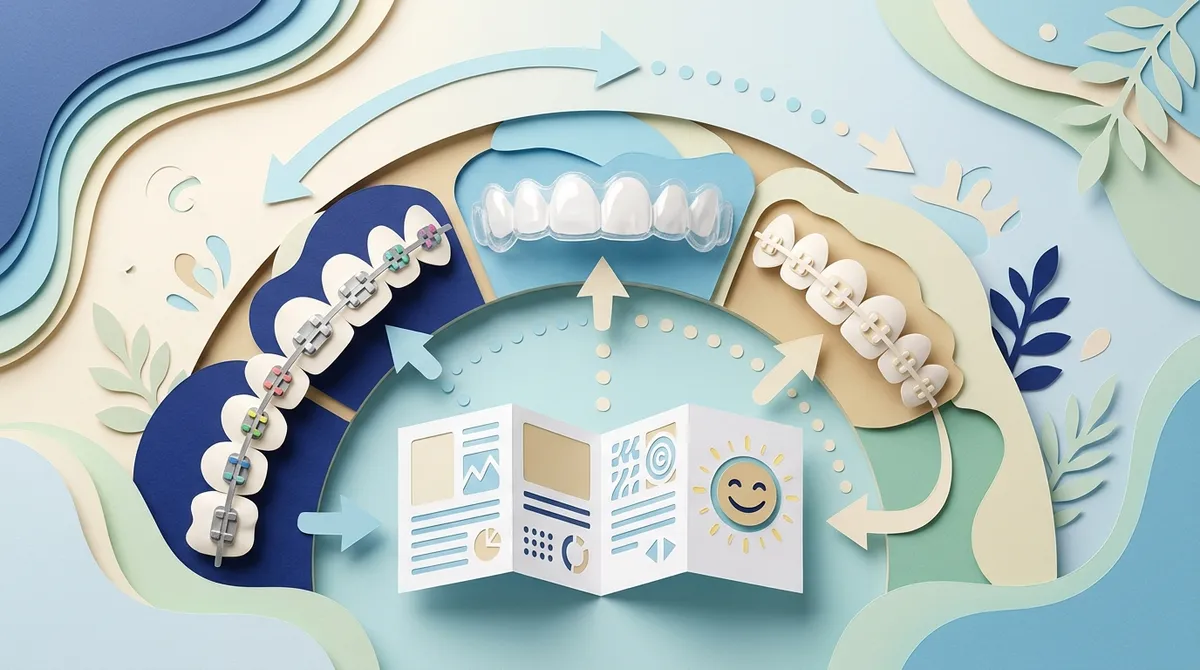
The first step in choosing the right orthodontic care is understanding your treatment options. The field has expanded dramatically in recent years. Here’s a simple breakdown of the most common appliances used today:
| Treatment Type | Best For | Visibility | Avg. Treatment Time |
|---|---|---|---|
| Metal Braces | Kids, teens, complex cases | Visible | 18–24 months |
| Ceramic Braces | Teens, adults who want subtlety | Less visible | 18–24 months |
| Clear Aligners | Teens, adults, mild-to-moderate cases | Nearly invisible | 12–18 months |
| Retainers | Post-treatment maintenance | Minimal | Ongoing |
Clear aligners are especially popular right now. They’re discreet, removable, and comfortable for patients who want to maintain their lifestyle during treatment. You can explore the Spark™ Clear Aligners option as a highly effective and aesthetically pleasing choice. For those curious about traditional options, All About Braces is a great resource to review.

Step 2: Consider Your Age and Life Stage
Orthodontic care looks different depending on who’s receiving it. Age plays a big role in which treatments are available and what timeline makes sense. Here’s how to think about it by life stage:
Children (Ages 7–12)
The early treatment phase is all about prevention and guidance. The American Association of Orthodontists recommends a first orthodontic check-up by age 7. At this stage, an orthodontist can spot developing problems early. Early intervention can reduce the need for more complex treatment later. In fact, preventive and interceptive orthodontics is expected to hold 41% of the global orthodontic services market in 2026.
Teenagers (Ages 13–19)
Teens are the most common age group for orthodontic treatment. They accounted for 58.3% of the U.S. orthodontics market share in 2024. This is because most adult teeth have come in, making it the ideal time to correct alignment. Adolescent treatment plans often include both braces and clear aligner options. For style-conscious teens, check out teen braces in Clearwater for modern, fun options.
Adults (Ages 25 and Up)
Adult demand for orthodontic care is rising fast. More professionals and parents are choosing treatment for themselves — not just their kids. Adult orthodontic treatment has never been more accessible or discreet. Options like clear aligners and ceramic braces are designed to fit comfortably into a busy professional life. Learn more about adult orthodontics in Clearwater and why so many people are choosing to invest in their smiles later in life.

Step 3: Evaluate the Technology Available
Modern orthodontics is powered by technology that makes treatment faster, more accurate, and more comfortable. When choosing a provider, it’s worth asking what tools they use. Here’s what to look for:
- Intraoral scanners — digital impressions instead of messy molds
- 3D imaging and X-rays — detailed views of teeth, roots, and jaw structure
- AI-assisted treatment planning — smarter, more personalized treatment maps
- Digital treatment previews — see your expected results before treatment begins
- Remote monitoring tools — check-ins between appointments for faster adjustments
These tools lead to better outcomes and a smoother experience. The Florida Association of Orthodontists highlights how digital advancements are transforming care quality across the state. Practices that embrace technology tend to deliver more efficient and precise results.
Step 4: Understand the Cost and Financing Options
Cost is one of the biggest questions patients have. Here’s a general overview of what orthodontic treatment costs in 2026 in the U.S.:
| Treatment Type | Estimated Cost Range (2026) | Insurance Typically Covers? |
|---|---|---|
| Metal Braces | $3,000 – $7,000 | Often partially covered |
| Ceramic Braces | $4,000 – $8,000 | Sometimes partially covered |
| Clear Aligners | $3,500 – $8,500 | Sometimes partially covered |
| Retainers | $150 – $600 | Rarely covered |
Many orthodontic offices offer flexible payment plans to make treatment more accessible. Brockway Orthodontics provides clear, patient-friendly financing and insurance options so cost doesn’t stand in the way of your smile. You can also explore how to use dental insurance to help pay for braces for smart strategies that save you money.
Step 5: Choose the Right Orthodontist
Not all orthodontic providers are the same. Here’s a numbered list of what to look for when choosing the right specialist for your care:
- Board certification — look for an orthodontist with specialty training beyond dental school
- Experience with your specific case — complex bite issues require an experienced specialist
- Modern technology and tools — digital scanning, 3D imaging, and treatment previews
- Transparent pricing and flexible financing — no surprise fees or confusing payment terms
- Warm, welcoming office environment — you’ll be visiting regularly, so comfort matters
- Strong patient reviews — look at what real patients say about their experience
- Personalized treatment plans — one-size-fits-all approaches don’t work well in orthodontics
You can also visit Brockway Orthodontics on Google to read genuine patient reviews and get a feel for the welcoming, expert care Dr. Brockway provides to families across Clearwater and beyond.
Step 6: Prepare for Your First Orthodontic Visit
Your first orthodontic appointment is typically a consultation. It’s a relaxed, no-pressure visit where the orthodontist gets to know you and your smile goals. Here’s what typically happens during your first visit:
- A complete oral health review and discussion of your concerns
- Digital scans or X-rays to assess your teeth, bite, and jaw structure
- A personalized treatment recommendation with options explained clearly
- A discussion of timeline, costs, and financing plans
- Time for you to ask any and all questions — no rushing!
Many practices, including Brockway Orthodontics, offer a free initial consultation so you can explore your options without any commitment. It’s a great way to get started with zero pressure.
Step 7: Maintain Your Results with Retainers
Once your active treatment ends, your journey isn’t quite over. Retainers are essential for keeping your newly aligned smile in place. Without them, teeth can gradually shift back — a process called orthodontic relapse. Here’s what you need to know about retainers:
- Retainers are custom-made to fit your exact smile
- You’ll typically wear them full-time at first, then nightly long-term
- They’re easy to clean and maintain with simple daily habits
- Losing or breaking a retainer should be addressed quickly to prevent shifting
Learn more about retainers and how they protect your smile after treatment. You can also read about what to do if your retainer breaks so you’re always prepared.
Common Orthodontic Treatment Comparisons at a Glance
Still deciding between options? This quick comparison table makes it easy to weigh your choices side by side:
| Factor | Metal Braces | Ceramic Braces | Clear Aligners |
|---|---|---|---|
| Visibility | High | Low | Very Low |
| Removable? | No | No | Yes |
| Comfort | Moderate | Moderate | High |
| Dietary Restrictions | Yes | Yes | Minimal |
| Cleaning Ease | Moderate | Moderate | Easy |
| Handles Complex Cases | Excellent | Good | Good |
For a more personalized recommendation, explore this friendly guide on clear aligners vs. braces: which one is right for you? to help narrow down your options based on your unique lifestyle and goals.
Why Orthodontics Is Worth the Investment
Orthodontic treatment is about so much more than straight teeth. A well-aligned bite reduces wear on your enamel, improves speech, makes cleaning easier, and can even reduce jaw pain. Confidence is a powerful thing — and a smile you love truly changes how you carry yourself every day.
The U.S. orthodontics market alone is expected to grow from USD 5.27 billion in 2026 to USD 25.36 billion by 2034. More people are investing in their smiles than ever before — because the returns are real, lasting, and deeply personal. Whether you’re exploring orthodontics for kids or considering why so many adults are getting orthodontic treatment in 2026, now is a great time to take that first step.
Take the Next Step Toward Your Best Smile
Choosing the right orthodontic care is one of the best decisions you’ll ever make — for yourself or your family. The path is clearer than you think, especially with the right team by your side. At Brockway Orthodontics, Dr. Brockway and the entire team are committed to making every patient feel seen, supported, and excited about their smile journey. Ready to get started? Schedule your complimentary consultation today and take the first step toward the smile you’ve always wanted. You deserve it!
FAQs
Q: What is orthodontics and what conditions does it treat?
A: Orthodontics is a dental specialty that focuses on straightening teeth and correcting bite problems using appliances like braces and clear aligners. It treats conditions like crowded teeth, overbites, underbites, crossbites, and jaw misalignment. It’s not just about looks — a properly aligned bite also improves oral health and overall comfort!
Q: At what age should a child first see an orthodontist?
A: The American Association of Orthodontists recommends a first orthodontic check-up by age 7. At this age, an orthodontist can spot developing issues early — even before all adult teeth have come in. Early treatment can make later care simpler, shorter, and more effective.
Q: How long does orthodontic treatment usually take?
A: Treatment time varies depending on the case, but most patients complete their orthodontic journey in 12 to 24 months. Simpler cases with clear aligners may be faster, while complex bite corrections with braces may take a bit longer. Your orthodontist will give you a personalized timeline after your consultation.
Q: Are clear aligners as effective as traditional braces?
A: For mild to moderate orthodontic cases, clear aligners can be just as effective as traditional braces — and they’re nearly invisible! For more complex issues, your orthodontist may recommend braces for the best results. The good news is, both options are proven, safe, and widely used in 2026.
Q: Does insurance cover orthodontic treatment?
A: Many dental insurance plans include some orthodontic coverage, especially for children. Adult coverage varies by plan. It’s always a good idea to check with your provider and ask your orthodontic office about flexible payment plans — most practices offer financing options to make care affordable for every budget.