Key Takeaways
-
Most orthodontist payment plans are interest-free in-house financing options that spread treatment costs ($3,000-$7,500) into manageable monthly payments of $100-$300 over 12-24 months without requiring a bank or third-party lender.
-
Monthly payments vary by treatment type: metal braces ($100-$250/month), ceramic braces ($120-$280/month), and clear aligners ($104-$340/month), with initial down payments typically required at the start of treatment.
-
You can reduce your monthly orthodontic payments by applying dental insurance benefits, HSA/FSA funds (orthodontic care qualifies as a medical expense), or family discounts for multiple people in treatment simultaneously.
-
Before committing to a plan, verify key terms in writing: whether interest is truly 0%, if early payoff penalties exist, what happens if treatment extends beyond expected timeline, and the policy for missed payments.
-
In-house financing through your orthodontist’s office typically offers simpler approval and interest-free rates, while third-party lenders like CareCredit provide longer terms and potentially lower monthly payments but may include interest charges.
-
Ask your orthodontist upfront for a written cost breakdown including total treatment cost, required down payment, exact monthly amount, and how the plan adjusts if your treatment timeline changes unexpectedly.
Getting a straighter smile shouldn’t feel out of reach. If you’ve been putting off braces or clear aligners because of the price tag, we have good news for you. Most orthodontic offices, including ours right here in Clearwater, offer flexible orthodontist payment plans that break the total cost into small, manageable pieces. Instead of one big bill, you pay a little each month, kind of like a car payment or a phone plan. This guide walks you through exactly how these plans work, what they typically cost, and what questions to ask before you sign up. Whether you’re a parent looking at braces for your teen, an adult finally ready to fix that bite you’ve been self-conscious about, or someone who needs retreatment after a bit of relapse, understanding your payment options makes the whole process feel a lot less overwhelming. Let’s break it down together, step by step, so you can walk into your consultation feeling confident and prepared.
What Are Orthodontist Payment Plans, Exactly?
An orthodontist payment plan is simply an agreement that lets you spread out the cost of your treatment over time. Instead of paying thousands of dollars upfront, you make a smaller down payment and then pay a set amount every month until the balance is covered. This structure exists because orthodontic care is a real investment, and most families need a way to manage that cost without draining their savings.
Most practices build these plans directly into their office systems, meaning you don’t have to go through a bank or separate lender. This is called in-house financing, and it’s one of the most common ways patients pay for braces or clear aligners today.
Why Payment Plans Matter for Families and Adults Alike
Orthodontic treatment can run anywhere from $3,000 to $7,500 depending on complexity and the type of appliance used. That’s a big number to see all at once. Payment plans take that scary total and turn it into something that fits inside a monthly budget, which is why so many patients choose this route instead of waiting years to save up.
- Parents can start treatment for their child now instead of delaying growth-related benefits
- Working professionals can budget for discreet aligner treatment without disrupting other financial goals
- Adults returning for retreatment after relapse can ease back into care without a huge upfront hit
- Families with multiple kids needing braces can stagger costs more comfortably
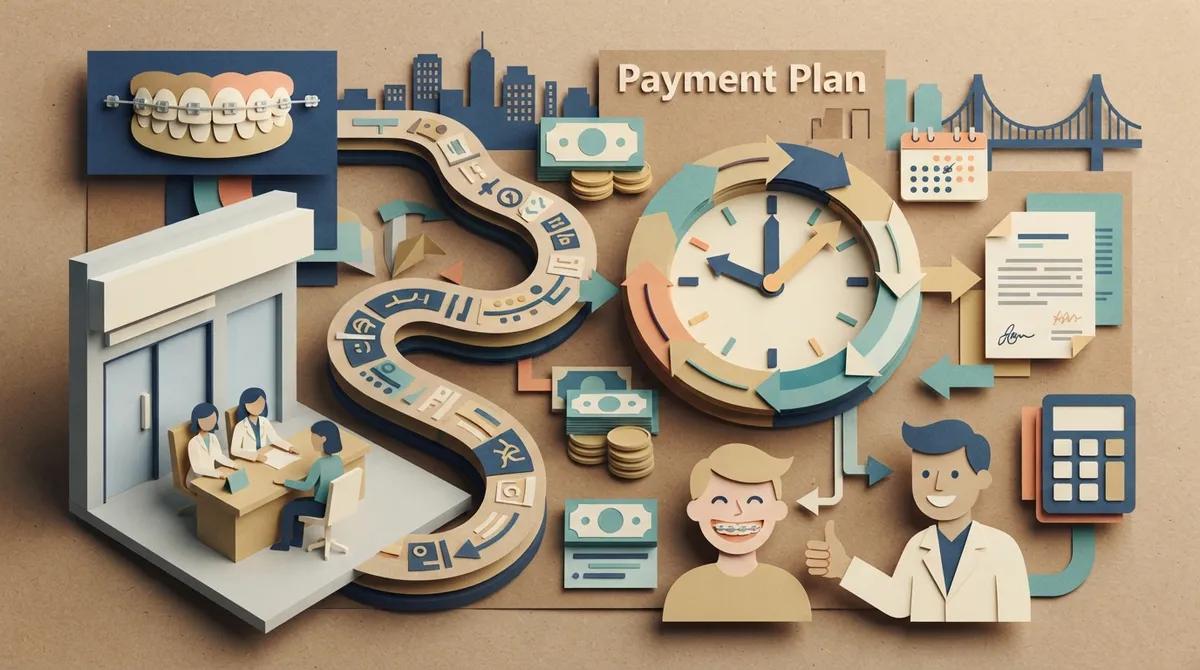
How Do Orthodontist Payment Plans Actually Work?
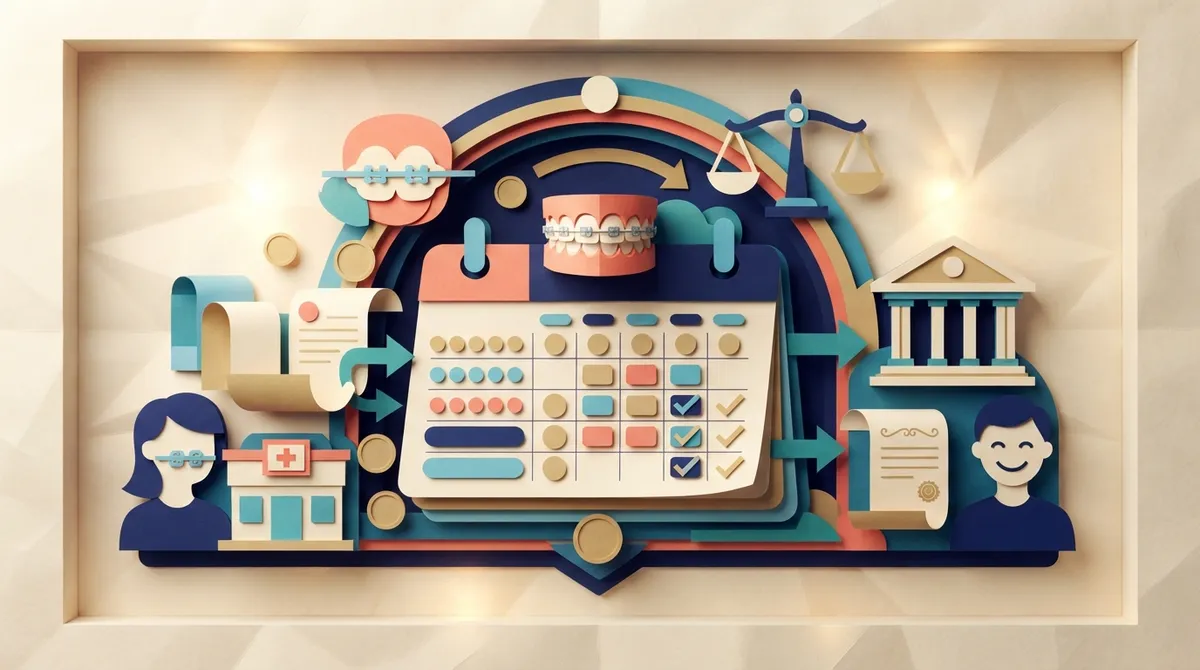
The mechanics are pretty simple once you see them laid out. Here’s the typical process patients go through when setting up a plan:
- Get your treatment plan and total cost. During your consultation, the orthodontist reviews your teeth, explains your options, and gives you a clear total price.
- Make a down payment. This is usually a percentage of the total cost, often a few hundred dollars, paid at the start of treatment.
- Choose your monthly term. Most in-house plans run 12 to 24 months, matching the average length of treatment.
- Set up automatic payments. Many offices require autopay through a card or bank account to keep things simple and on schedule.
- Pay off the balance during treatment. By the time your braces come off or your aligners finish, the plan is typically paid in full.
Because these plans are often interest-free for qualifying patients, you usually pay the exact same total you would have paid in one lump sum. You’re just spreading it out, not paying extra for the privilege.
Typical Monthly Payment Ranges
So what does this actually look like in dollars? Based on industry data, most families can expect monthly payments somewhere in this range:
| Treatment Type | Typical Total Cost | Common Monthly Payment | Typical Term Length |
|---|---|---|---|
| Metal Braces | $3,000 – $6,000 | $100 – $250 | 18 – 24 months |
| Ceramic (Clear) Braces | $3,500 – $6,500 | $120 – $280 | 18 – 24 months |
| Spark Clear Aligners | $3,500 – $7,000 | $104 – $340 | 12 – 24 months |
| Limited/Minor Treatment | $1,500 – $3,000 | $89 – $150 | 6 – 12 months |
Keep in mind these numbers vary by practice and by each patient’s specific needs. A quick first visit is the best way to get an exact quote tailored to your smile.
In-House Financing vs. Third-Party Financing
Not all payment options are the same, and it helps to know the difference before you commit to one. Here’s a simple breakdown of the two main routes patients take.
| Feature | In-House Financing | Third-Party Financing |
|---|---|---|
| Who manages it | The orthodontic office directly | An outside lender (like CareCredit, Cherry, or Sunbit) |
| Interest rates | Often 0% for qualified patients | May include interest depending on credit approval |
| Approval process | Usually simple, done at the office | Requires a credit application with the lender |
| Flexibility | Terms set by the practice | Terms set by the lending company |
| Best for | Patients who want simplicity and no interest | Patients who need longer terms or lower monthly payments |
Many patients also combine these options with dental insurance, HSA or FSA funds, or family discounts for multiple people in treatment at once. It’s worth asking your provider which combinations they allow, since every practice sets its own rules.
Using Insurance Alongside Your Payment Plan
If you have dental insurance with orthodontic coverage, it can often be applied directly to your payment plan, reducing your monthly amount. Some plans cover up to 50% of braces costs for children, though adult coverage tends to be more limited. Our financing and insurance page walks through how these benefits typically work with treatment costs.
You can also use HSA (Health Savings Account) or FSA (Flexible Spending Account) dollars toward your treatment. Since orthodontic care is considered a qualified medical expense by the American Dental Association, this is a smart way to use pre-tax money you’ve already set aside.
What to Compare Before You Choose a Payment Plan
Not every plan is created equal, so it pays to ask a few key questions before signing anything. Here’s what to look for:
- Is there a required down payment, and how much is it?
- What is the total cost of treatment, including any fees?
- Is the plan truly interest-free, or does it include hidden charges?
- Is autopay required, and what happens if a payment is missed?
- Can you pay off the balance early without a penalty?
- Does the plan change if your treatment takes longer than expected?
A trustworthy orthodontic office will answer these questions clearly and without hesitation. If a practice seems vague about costs or pressures you to decide on the spot, that’s a red flag worth noting.
Steps to Take Before Committing to a Plan
- Schedule a consultation to get your exact treatment cost and timeline.
- Ask for a written breakdown of the down payment, monthly amount, and total cost.
- Check if your dental insurance offers orthodontic benefits and how they apply.
- Compare in-house financing with third-party options if you want more flexibility.
- Confirm the policy on early payoff, missed payments, and treatment extensions.
Why Families Choose Brockway Orthodontics for Flexible Care
At Brockway Orthodontics, we believe cost should never stand between you and a smile you love. Dr. Brockway and her team work with each patient to build a plan that fits real-life budgets, not just a one-size-fits-all number. We proudly serve families throughout Clearwater and the surrounding Pinellas County area, offering everything from traditional metal braces to Spark™ Clear Aligners, a more budget-friendly alternative to other clear aligner brands.
Whether you’re exploring treatment for your teenager, considering adult orthodontics, or looking into early treatment for younger children, our team takes time to explain every cost detail upfront. No surprises, no confusing paperwork, just honest answers from people who genuinely care about your journey. You can also browse our full range of services to see everything we offer under one roof.
We know choosing an orthodontist is a big decision, which is why we encourage you to read what our patients have to say. Feel free to visit us on Google — Brockway Orthodontics and see real reviews from families just like yours. You can also connect with us on Facebook or follow along on Instagram for smile transformations and helpful tips.
A Few Extra Tips for Managing Your Payment Plan
Once you’re enrolled in a plan, a little organization goes a long way. Here are some friendly tips to keep things running smoothly:
- Set a calendar reminder a few days before each payment is due, even with autopay enabled
- Keep a copy of your signed payment agreement somewhere easy to find
- Notify your office right away if your financial situation changes unexpectedly
- Ask about pay-in-full discounts if you receive a bonus or tax refund and want to close out the balance early
- Track your HSA or FSA contributions so you know exactly how much you can apply to treatment
Good communication with your orthodontic office makes the entire process smoother. Practices that value long-term relationships, like ours, want to work with you, not against you, when life throws a curveball.
What Happens If Your Treatment Timeline Changes
Sometimes treatment takes a little longer than originally planned, especially with more complex bite issues. A good payment plan should account for this without slapping you with surprise fees. Before you commit, ask your orthodontist how timeline changes affect your monthly payments, and get that answer in writing if possible.
For general guidance on orthodontic financing standards, the Florida Association of Orthodontists offers helpful consumer resources worth reviewing. It’s always smart to understand both your rights and responsibilities as a patient before signing a financing agreement.
And if you ever need home comfort services while you’re budgeting for orthodontic care, local providers like Marks Air can help you manage other household expenses efficiently, freeing up room in your monthly budget for the smile you’ve been wanting.
Ready to Start Your Smile Journey?
Affording a beautiful, healthy smile doesn’t have to be complicated or stressful. With flexible orthodontist payment plans, manageable monthly amounts, and a team that genuinely cares about your comfort, there’s never been a better time to take that first step. Dr. Brockway and her team are here to walk you through every option, answer every question, and help you find a plan that truly fits your life.
Ready to see what’s possible for your smile? Book your appointment online today, or feel free to get in touch with our team with any questions about financing, insurance, or treatment options. We can’t wait to welcome you into the Brockway Orthodontics family!
FAQs
Q: Do orthodontists usually offer payment plans for braces?
A: Yes, most orthodontic offices offer some kind of payment plan these days! It’s actually more common to see monthly plans than one big upfront payment, so you’re definitely not alone if you need one.
Q: Are orthodontic payment plans interest-free?
A: Many in-house plans are interest-free for qualified patients, especially over a 12 to 24 month term. Just double check the details with your office, since terms can vary a bit from practice to practice.
Q: How much is the average monthly payment for braces?
A: Most families pay somewhere between $100 and $300 a month, though it really depends on your treatment type and plan length. Some practices even offer plans starting around $89 for simpler cases.
Q: Can I use insurance with an orthodontist payment plan?
A: Absolutely, insurance benefits can often be applied right alongside your payment plan to lower your monthly amount. It’s worth asking your office how they coordinate insurance with financing before you start treatment.
Q: Can I use HSA or FSA funds to pay for braces or Invisalign?
A: Yes, orthodontic treatment is considered a qualified expense, so HSA and FSA funds usually work great here. It’s a smart way to use money you’ve already set aside tax-free toward your new smile.
Our Service Area