Key Takeaways
-
Schedule your child’s first orthodontic evaluation by age 7, as recommended by the American Dental Association, to catch jaw and bite problems early while growth can still be guided naturally.
-
Early interceptive treatment (ages 7-10) can prevent bigger problems later and sometimes avoid surgery, but it’s not necessary for every child—a professional evaluation determines what’s right for your child.
-
Watch for warning signs like crowded teeth, mouth breathing, thumb sucking past age 4, early/late baby tooth loss, or jaw misalignment, and book an evaluation sooner if you notice these issues.
-
Choose a children’s orthodontist by verifying board certification, confirming experience with kids, touring the office, asking about modern technology like digital scans, and reading parent reviews.
-
Treatment length varies significantly (9-18 months for early treatment, 18-30 months for comprehensive treatment), so personalized care matters more than generic timelines for achieving your child’s smile goals.
-
Your pediatric dentist and children’s orthodontist work as a team—regular dental cleanings often catch orthodontic issues first, ensuring early referral before problems become more complex and expensive.
Watching your child grow is one of life’s greatest joys. But if you’ve noticed crowded teeth, a funny bite, or your little one still sucking their thumb at age 6, you might be wondering when to worry. Here’s some good news: finding the right children’s orthodontist doesn’t have to feel overwhelming. With a little know-how, you can make smart choices that set your child up for a healthy, happy smile for years to come.
At Brockway Orthodontics, we’ve walked alongside countless Clearwater families on this journey. We know every child is different, and every parent has questions. This guide will help you understand what a children’s orthodontist actually does, when to schedule that first visit, and how to spot the signs that your child might need early treatment.
What Does a Children’s Orthodontist Actually Do?
A children’s orthodontist focuses on catching and correcting teeth and jaw problems while your child is still growing. This is a huge advantage. Kids’ bones and jaws are still developing, which means treatment can guide growth in ways that simply aren’t possible once someone is fully grown.
Think of it like gently steering a young sapling as it grows, instead of trying to bend a fully grown tree. Early orthodontic care can prevent bigger problems later, sometimes even avoiding the need for surgery down the road.
Children’s orthodontists are trained to spot issues such as:
- Crowded or crooked teeth
- Crossbites, overbites, and underbites
- Jaw growth that’s happening too fast or too slow
- Extra space from missing teeth or too much space from small teeth
- Habits like thumb sucking that affect tooth position
- Breathing issues that may be linked to airway or jaw development
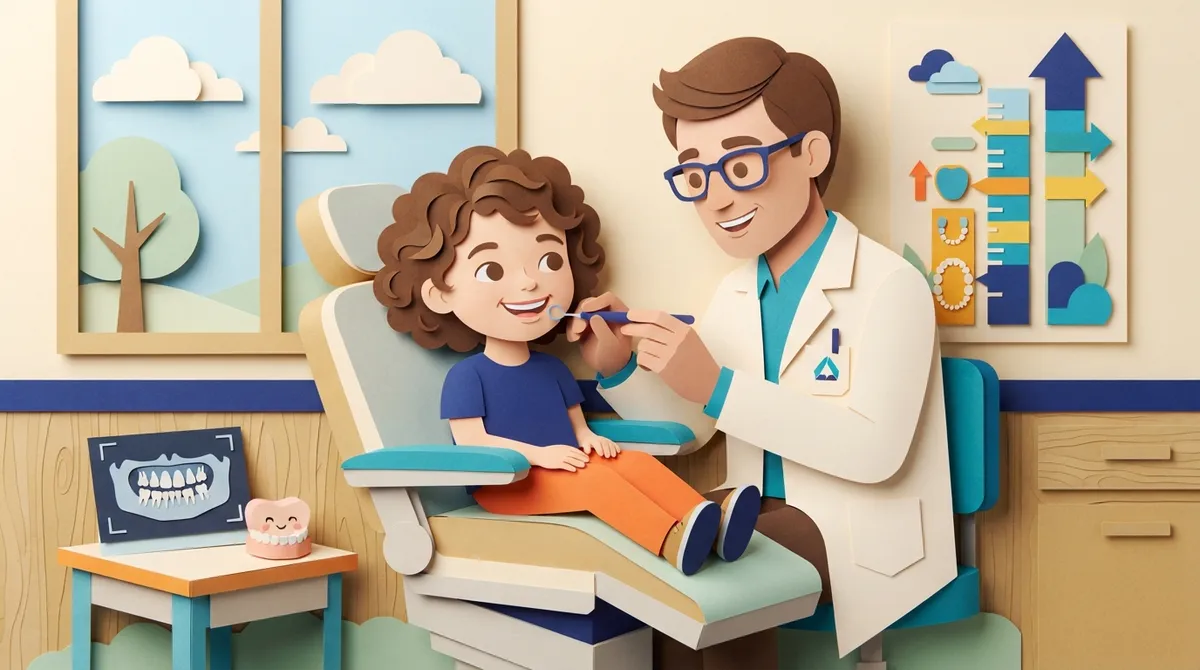
When Should Your Child First See an Orthodontist?
Here’s a fact that surprises a lot of parents: the American Dental Association and the American Association of Orthodontists both recommend that kids get their first orthodontic check-up by age 7. That might seem early, especially since many kids still have baby teeth at that age!
But there’s a good reason for this timing. By age 7, your child’s first adult molars have usually come in, and their bite pattern starts to show. This gives an orthodontist a chance to spot problems while there’s still plenty of time to guide growth naturally.
Don’t worry if your child is older than 7 and hasn’t had a visit yet. It’s never too late to schedule an evaluation. And if you notice any warning signs earlier, don’t wait for age 7. Trust your gut and book a visit sooner.
Signs Your Child May Need an Early Evaluation
- Losing baby teeth very early or very late compared to siblings or peers
- Difficulty chewing or biting food
- Mouth breathing or snoring during sleep
- Thumb sucking or pacifier use past age 4 or 5
- Jaws that shift or make sounds when opening and closing
- Teeth that don’t meet correctly, or a noticeable overbite/underbite
- Speech difficulties, like a lisp
- Crowded, crooked, or widely spaced teeth
If any of these sound familiar, it’s worth booking a consultation. Our team can walk you through what to expect at your first visit so nothing feels like a surprise.
Early Treatment vs. Comprehensive Treatment: What’s the Difference?
Parents often get confused between two types of orthodontic care for kids. Let’s break it down simply.
| Treatment Type | Typical Age | Goal | Common Appliances |
|---|---|---|---|
| Early (Interceptive) Treatment | Ages 7-10 | Guide jaw growth, create space, fix bite issues early | Palate expanders, space maintainers, partial braces |
| Comprehensive Treatment | Ages 10-14 | Align all permanent teeth, finalize bite correction | Full braces, clear aligners, retainers |
Early treatment, sometimes called Phase 1, isn’t always necessary. In fact, many kids only need one round of treatment once their adult teeth have mostly come in, usually between ages 10 and 14. But for some kids, especially those with significant jaw or bite problems, early intervention makes a real difference.
Learn more about early treatment options and how they might benefit your child’s specific situation.
How to Choose the Right Children’s Orthodontist
Not all orthodontic practices feel the same. Here’s how to find one that’s the right fit for your family.
Steps to Finding a Great Fit
- Check credentials. Make sure the orthodontist is board-certified and has specific training beyond dental school.
- Ask about experience with kids. Treating children requires patience and a gentle touch that not every provider has mastered.
- Tour the office. A kid-friendly space with a warm, welcoming staff can make a huge difference in how your child feels about visits.
- Ask about technology. Digital scans instead of messy molds can make appointments faster and more comfortable.
- Read reviews from other parents. Real experiences from other families can tell you a lot.
- Consider financing options. Orthodontic care is an investment, so ask about payment plans upfront.
- Trust your gut during the consultation. Does the orthodontist listen? Do they explain things in a way you understand?
At Brockway Orthodontics, Dr. Brockway takes time to really listen to your concerns and your child’s goals. You can meet Dr. Brockway and get a feel for her warm, family-focused approach before you even book a visit.
How Pediatric Dentists and Orthodontists Work Together
Many parents wonder about the difference between a pediatric dentist and a children’s orthodontist. It’s a great question, and understanding the difference helps you know who to call for what.
| Provider | Main Focus | When to See Them |
|---|---|---|
| Pediatric Dentist | Overall oral health, cavity prevention, general dental care | Every 6 months starting around age 1 |
| Children’s Orthodontist | Teeth alignment, bite correction, jaw growth guidance | First evaluation by age 7, then as recommended |
Your child’s pediatric dentist is often the first to notice a potential orthodontic issue during a regular cleaning. They’ll usually refer you to an orthodontist for a closer look. This teamwork approach means problems get caught early, often before they become bigger, more expensive issues.
What Happens During Your Child’s First Orthodontic Visit?
First visits are usually pretty relaxed. There’s no need to prep your child for anything scary! Here’s a general idea of what to expect:
- A friendly welcome and a tour of the office, if it’s your first time
- A gentle examination of your child’s teeth, jaw, and bite
- Digital X-rays or 3D imaging to see what’s happening beneath the surface
- A conversation with the orthodontist about any concerns you or your child have
- A clear explanation of any recommended treatment, or a “wait and see” plan with future check-ups
Many practices, including ours, offer digital impressions instead of the old-school goopy molds. Kids tend to appreciate that a lot more than parents realize!
Common Appliances Used for Kids’ Orthodontic Care
Depending on what your child needs, a children’s orthodontist might recommend one or more of these options:
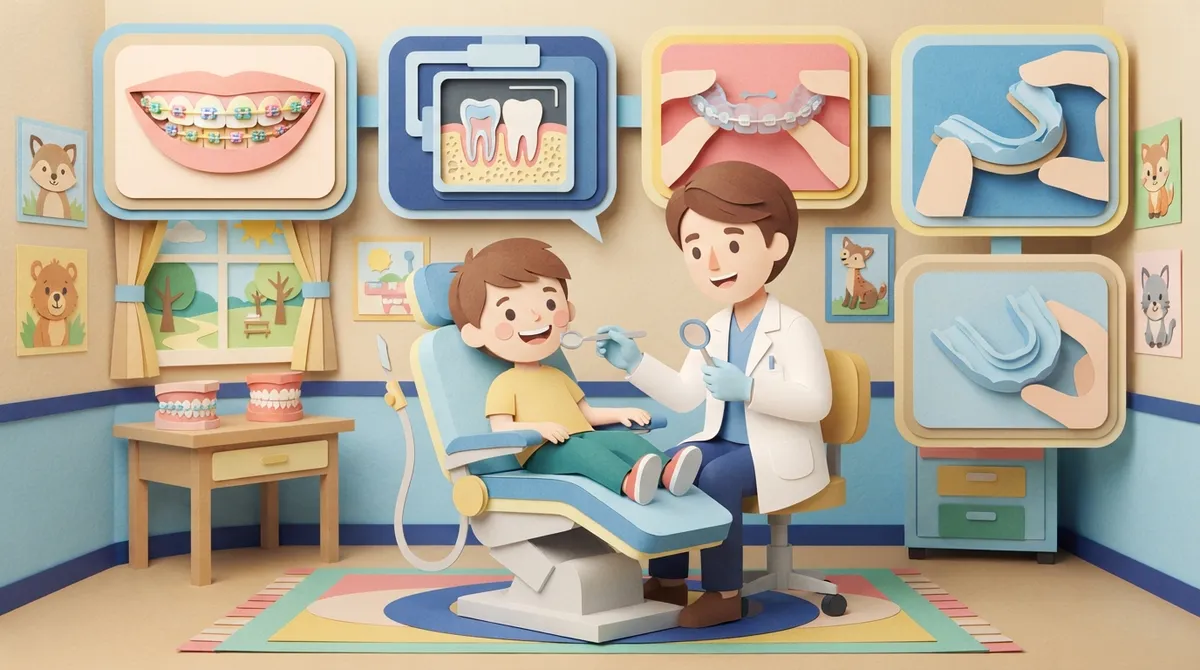
- Traditional metal braces — durable and effective for a wide range of alignment issues
- Ceramic (clear) braces — a more discreet option for older kids and teens who want a subtler look
- Palate expanders — widen the upper jaw to correct crossbites and create room for crowded teeth
- Space maintainers — hold space open when a baby tooth is lost early
- Retainers — keep teeth in their new position after active treatment ends
- Clear aligners — a good fit for some older kids and teens with mild to moderate alignment issues
Our practice proudly offers Spark™ Clear Aligners as an affordable option for teens who want a more discreet path to a straighter smile, along with traditional braces for kids who need more comprehensive correction.
How Long Does Treatment Usually Take?
This is one of the most common questions parents ask, and honestly, the answer varies. Treatment length depends on the complexity of the case, the child’s growth pattern, and how well they follow instructions (like wearing rubber bands or keeping aligners in as directed).
- Early interceptive treatment often lasts 9 to 18 months.
- Comprehensive treatment with full braces typically runs 18 to 30 months.
- Retainer wear continues after braces come off, often part-time for years, to keep that new smile in place.
Every child’s timeline is a little different. That’s why personalized care matters so much. Explore our retainer options to understand how we help protect your child’s results long after treatment ends.
Why Families in Clearwater Choose Brockway Orthodontics
Dr. Brockway has built her practice around one simple idea: families deserve care that feels personal, not rushed. She takes the time to explain every step of your child’s treatment plan in a way that actually makes sense, no confusing jargon required.
Our Clearwater office is equipped with modern technology, including digital imaging and same-day treatment options for certain cases, so your family doesn’t have to make endless trips back and forth. We also offer flexible financing and insurance options, because we believe great orthodontic care should be within reach for every family.
Curious what other parents in the area have to say? You can visit us on Google — Brockway Orthodontics to read real reviews from families just like yours. You can also connect with us and see smile transformations on Instagram or follow along on Facebook.
Is Early Treatment Necessary for Every Child?
Not at all, and that’s actually good news. Many kids simply need a check-up around age 7, followed by monitoring until they’re ready for comprehensive treatment closer to ages 10 to 14. Early treatment is reserved for specific issues, like severe crossbites or jaw discrepancies, where waiting could make the problem harder to fix later.
The Florida Association of Orthodontists encourages families to get that first evaluation early, simply so a trained specialist can determine what’s right for your child’s unique situation. There’s no one-size-fits-all answer, which is exactly why a professional evaluation matters so much.
Take the Next Step for Your Child’s Smile
Every child deserves a smile that makes them feel confident and happy. Whether your little one is due for their first orthodontic check-up or your teen is ready for full treatment, our Clearwater team is here to guide you through every step with warmth and expertise.
Ready to get started? Book appointment online today and let’s talk about your child’s smile journey. Have questions first? Feel free to contact us anytime. We can’t wait to meet your family!
FAQs
Q: What is a children’s orthodontist?
A: A children’s orthodontist is a specialist who focuses on catching and fixing teeth and jaw problems while kids are still growing. This early attention often makes treatment easier and more effective down the road!
Q: At what age should a child see an orthodontist?
A: The American Dental Association recommends a first visit by age 7. But if you notice anything unusual before then, like a crossbite or crowded teeth, it’s totally fine to schedule a visit sooner.
Q: What are the signs my child needs braces or early treatment?
A: Watch for crowded teeth, early or late loss of baby teeth, mouth breathing, thumb sucking past age 4, or a jaw that doesn’t line up correctly. If you spot any of these, a quick evaluation can give you peace of mind.
Q: What’s the difference between a pediatric dentist and a children’s orthodontist?
A: A pediatric dentist handles overall oral health, like cleanings and cavity prevention. A children’s orthodontist focuses specifically on aligning teeth and guiding jaw growth. They often work together as a team for your child’s care!
Q: How long does orthodontic treatment usually take for kids?
A: It really depends on the child! Early treatment often takes 9 to 18 months, while comprehensive treatment with full braces usually runs 18 to 30 months. Every smile journey is a little different, and that’s okay.
Our Service Area