Key Takeaways
-
Wait at least 30 days after braces are removed before whitening to allow enamel to remineralize and tooth shade to stabilize for even, long-lasting results.
-
Avoid whitening during active orthodontic treatment with traditional braces since brackets block gel from reaching covered enamel, causing patchy results once removed.
-
With removable clear aligners like Spark, whitening during treatment is sometimes possible since no brackets cover teeth, but always consult your orthodontist first.
-
Uneven tooth color after braces is normal and treatable—it occurs because brackets block whitening products and plaque buildup differs across tooth surfaces.
-
Schedule a post-treatment checkup, professional cleaning, and consultation about whitening options before starting any treatment to avoid sensitivity and achieve optimal results.
-
Choose from professional in-office whitening for fast results, custom take-home trays for gradual improvement, or over-the-counter strips for budget-friendly maintenance.
Picture this: your braces just came off, and you’re excited to show off your new smile. But wait — why do your teeth look a little uneven in color? Don’t worry, this is super common, and we’re here to walk you through it. If you’ve been dreaming about a bright, white smile to match your newly straight teeth, you’re in the right place.
At Brockway Orthodontics, we get asked about teeth whitening all the time. Patients want to know when it’s safe, how it works with braces or clear aligners, and what to expect once those brackets come off. This guide breaks it all down in simple terms, so you can plan your path to a confident, glowing smile.
Why Teeth Whitening and Orthodontics Go Hand in Hand
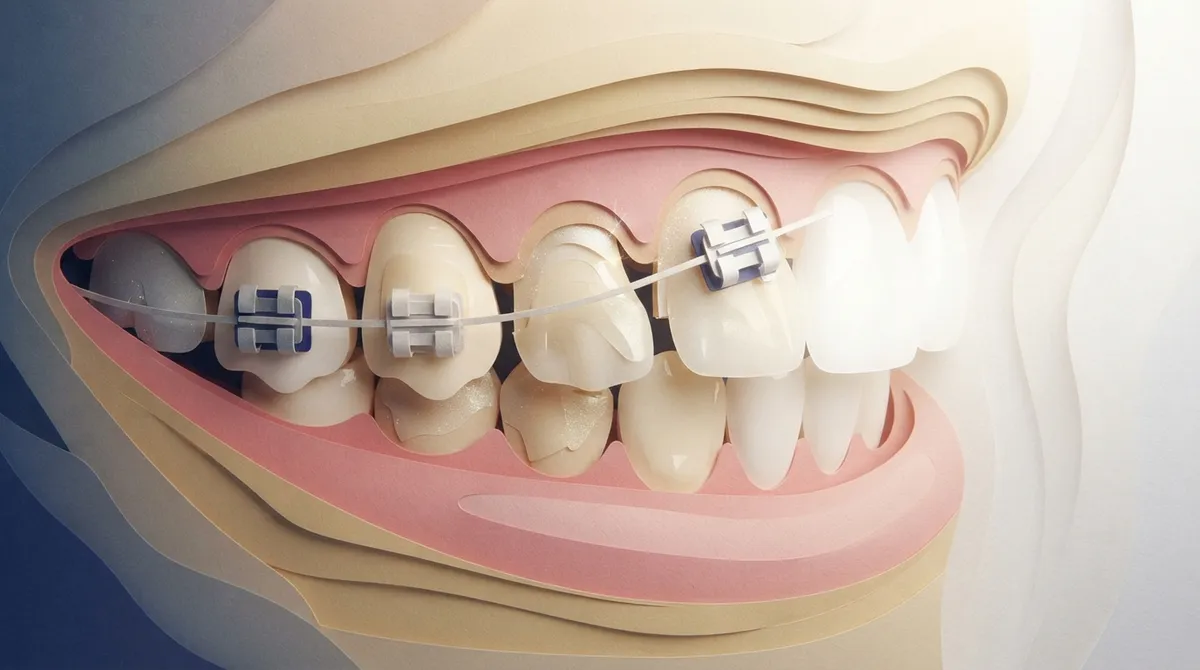
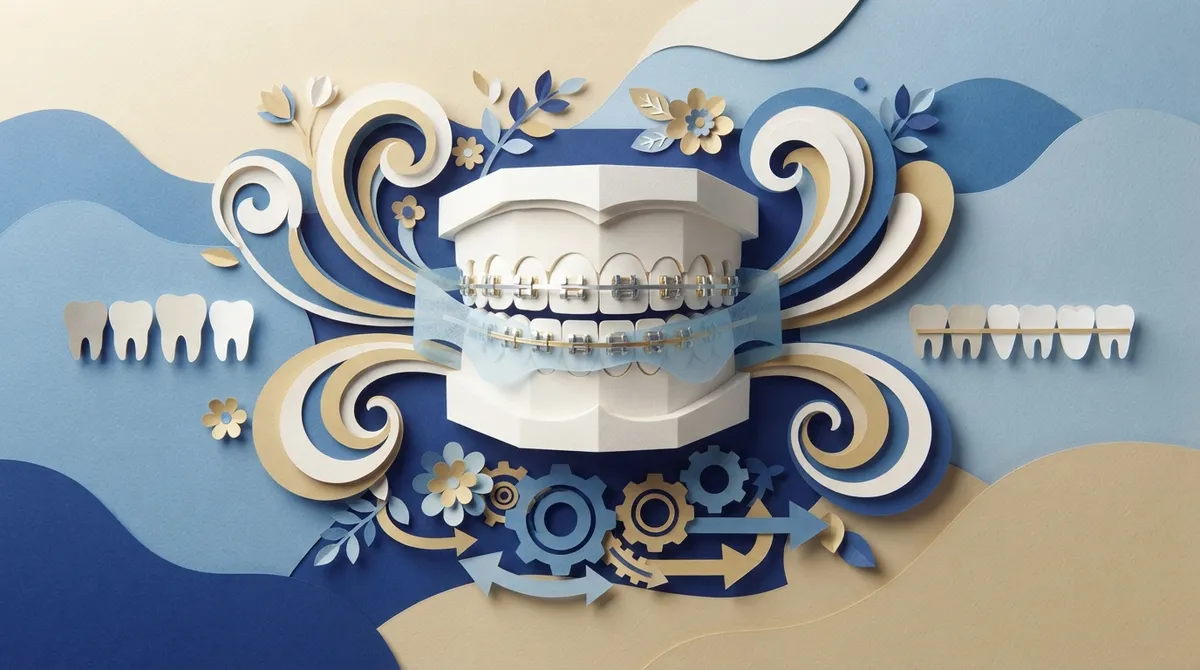
Braces and clear aligners do amazing work straightening your teeth. But they can also affect how your teeth look in terms of color. Brackets cover part of each tooth, so whitening products can’t reach that covered area evenly. This is why timing matters so much when it comes to teeth whitening during your orthodontic journey.
Many patients notice their teeth look a bit different once braces come off. This isn’t anything to worry about. It’s just biology, and there are simple, safe ways to fix it.
What Causes Uneven Color After Braces
Here are the main reasons your teeth might look uneven right after debonding:
- Brackets block whitening gel from reaching covered enamel
- Plaque buildup around brackets can cause white spot lesions
- Extrinsic staining from food and drinks builds up differently across the tooth surface
- Enamel needs time to rehydrate and settle after appliance removal
- Natural tooth shade can look more noticeable once brackets are gone
The good news? These issues are very treatable. Most patients see a big improvement within weeks of starting a whitening routine after treatment.

Can You Whiten Your Teeth While Wearing Braces?
This is one of the most common questions we hear. The short answer is: it’s complicated, and it depends on your treatment type.
With traditional metal or ceramic braces, whitening gels and strips usually can’t do their job properly. The brackets cover too much of the tooth surface. Any whitening you do will likely be uneven, leaving light spots where the brackets used to sit and darker areas around them once you’re done with treatment.
A narrative review on this topic found that whitening during active orthodontic treatment can work in some cases and has minimal effect on how well brackets stay bonded. However, this is still considered a special exception, not the standard recommendation. Most orthodontists prefer to wait.
What About Clear Aligners Like Spark?
Here’s some good news for aligner patients. Because trays like our Spark™ Clear Aligners are removable, whitening is sometimes possible during treatment. Since there are no brackets covering your teeth, whitening gel can reach the entire tooth surface evenly.
That said, you should always check with your orthodontist first. Whitening gel and aligner trays don’t always mix well without some guidance on timing and technique.
Survey Data: What Do Dentists Actually Recommend?
Research gives us a clear picture of current professional opinion. Here’s a breakdown of survey findings on whitening during active fixed orthodontic treatment:
| Approach | Percentage of Surveyed Dentists |
|---|---|
| Recommended whitening during treatment (any method) | 18.5% |
| Of those, chose in-office whitening | 9.5% |
| Of those, chose mixed whitening approach | 7.0% |
| Of those, chose home whitening | 2.0% |
As you can see, most dentists don’t recommend whitening while brackets are still in place. The majority prefer to wait until after treatment, according to a review of clinician perceptions from the National Center for Biotechnology Information.
The Best Time to Whiten: After Your Braces Come Off
So when should you actually start whitening? Most orthodontic research points to one clear answer.
- Wait until your braces are fully removed and your retainer routine has started
- Give your enamel and gums time to stabilize, usually about 30 days
- Schedule a check-in with your orthodontist or dentist to discuss whitening options
- Choose a whitening method that fits your comfort level and budget
- Follow up with regular cleanings to keep your smile bright long-term
A systematic review found that low-quality but consistent evidence supports whitening after bracket removal, with at least a 30-day waiting period for the best results. This gives your enamel time to remineralize and your natural tooth shade time to even out.
Why Waiting Actually Helps
We know waiting can feel hard when you’re excited about your finished smile. But here’s why it’s worth it:
- Enamel needs time to recover from the stress of appliance removal
- Gum tissue often needs a few weeks to fully settle
- Whitening treatments work more evenly on fully exposed enamel
- You’ll get a more accurate, long-lasting shade match
- Sensitivity is often reduced when you wait for full stabilization
Patience really does pay off here. Your smile has already been through a transformation with braces or aligners. Giving it a little more time for whitening ensures the final result looks its absolute best.
Whitening Methods After Orthodontic Treatment
Once you’ve gotten the green light, there are several safe and effective options to consider. Let’s compare them so you can pick what fits your lifestyle.
| Method | How It Works | Best For |
|---|---|---|
| Professional in-office whitening | Dentist applies strong whitening gel with light activation | Fast results, patients wanting same-day brightness |
| Take-home custom trays | Dentist-provided trays with professional-grade gel used at home | Gradual whitening with dentist supervision |
| Over-the-counter strips | Pre-loaded whitening strips applied directly to teeth | Budget-friendly touch-ups after initial treatment |
| Whitening toothpaste | Mild abrasives and polishing agents remove surface stains | Ongoing maintenance between treatments |
One interesting note from research: a study on in-office bleaching found that teeth could be successfully whitened even while brackets were still present, though this remains an exception performed under professional supervision rather than a routine recommendation.
Does Whitening Affect Bracket Bonding?
This is a fair concern. You don’t want to compromise your braces treatment for the sake of a brighter smile mid-treatment. Fortunately, research suggests the risk is fairly low when whitening is done correctly.
Available evidence syntheses note there isn’t enough strong evidence to support whitening as a routine part of active orthodontic treatment, and the quality of current studies is considered low. This is exactly why most orthodontists, including our team here in Clearwater, recommend a cautious, wait-and-see approach rather than whitening around brackets.
Steps to Take Before Whitening After Braces
- Schedule a post-treatment checkup with your orthodontist
- Ask about any white spot lesions that may need special attention
- Get a professional cleaning to remove surface buildup
- Discuss which whitening method matches your enamel sensitivity level
- Set realistic expectations for shade improvement
These simple steps help you avoid surprises and get the most out of your whitening investment.
Common Questions From Braces and Aligner Patients
We hear a lot of curiosity from patients wondering how whitening fits into their treatment plan. Let’s tackle a few more specifics.
Can You Use Whitening Strips With Braces?
Whitening strips are designed to lay flat against the tooth surface. With brackets in the way, strips can’t make full contact with your enamel. This usually leads to blotchy, uneven whitening once your braces come off. It’s best to wait until after debonding to use strips.
Is Whitening Safe With Invisalign or Spark Aligners?
Because these trays are removable, some patients successfully use dentist-approved whitening gel alongside their aligner treatment. Still, this should always be done with your orthodontist’s guidance to protect your enamel and avoid uneven results.
How Brockway Orthodontics Supports Your Whole Smile Journey
Here in Clearwater, we don’t just focus on straightening your teeth. We care about your whole smile experience, from your very first visit all the way through your retainer phase. Dr. Brockway takes time to explain every step, including how whitening fits into your treatment timeline.
We offer traditional metal braces, ceramic braces, and Spark™ Clear Aligners as an affordable alternative to other clear aligner brands. Whichever option you choose, our team will guide you on the best whitening timeline for your specific case.
We also use modern technology like digital impressions and 3D imaging, so your treatment plan is precise from day one. This means fewer surprises later, including when it comes to your final tooth shade.
Tips for Keeping Your Smile Bright Long-Term
- Wear your retainer as directed to protect your investment
- Avoid heavily pigmented foods and drinks right after whitening
- Keep up with regular dental cleanings every six months
- Touch up whitening treatments once or twice a year as needed
- Ask your orthodontist before starting any new whitening product
Good habits now mean a brighter, more even smile for years to come. The American Dental Association also recommends routine checkups to help maintain whitening results safely over time.
Why Timing Really Is Everything
We know it can be tempting to want everything at once, a straight smile and a bright one, right away. But rushing whitening during active treatment can backfire, leading to patchy results you’ll need to fix later anyway.
Following guidance from organizations like the Florida Association of Orthodontists, we recommend patients wait until brackets are removed before starting any serious whitening plan. This small bit of patience protects your smile and your wallet.
Curious what our patients say about their experience? You can visit us on Google — Brockway Orthodontics to read real reviews from families right here in Clearwater who’ve gone through this exact journey.
Ready to Plan Your Post-Braces Whitening Journey?
Your smile deserves to shine, both in shape and in color. Whether you’re just starting treatment or counting down the days until your braces come off, our team at Brockway Orthodontics is here to guide you every step of the way. From choosing between braces or clear aligners to planning your whitening timeline, we’ve got your back.
Ready to get started or have questions about your treatment plan? Book your appointment online today, or feel free to contact us with any questions. We can’t wait to help you achieve the confident, bright smile you deserve!
Follow along with more smile tips and patient stories on our Instagram and Facebook pages, or connect with us on LinkedIn for the latest updates from our Clearwater practice.
FAQs
Q: Can you whiten your teeth while wearing braces?
A: It’s tricky with traditional braces, since brackets block the whitening gel from reaching covered enamel. This often leads to uneven color once braces come off. Removable aligners like Spark offer more flexibility, but always check with your orthodontist first.
Q: Is it better to whiten teeth before or after orthodontic treatment?
A: Most orthodontists recommend waiting until after your braces are removed. This gives your enamel and gums time to settle, usually about 30 days, so you get even, long-lasting results.
Q: How long should you wait after braces are removed before whitening?
A: Research suggests waiting at least 30 days after bracket removal. This waiting period lets your enamel stabilize and your natural tooth shade settle before you start any whitening treatment.
Q: Does teeth whitening affect braces adhesion or bracket bonding?
A: Current evidence shows minimal effect on bonding in some cases, but overall research quality is still low. That’s why most orthodontists prefer a cautious approach and recommend whitening after treatment instead.
Q: Why do teeth look uneven after braces are removed?
A: This happens because brackets cover part of your tooth surface, so any staining or whitening looks different once they’re removed. Don’t worry, this is completely normal and easy to fix with the right whitening plan.
Our Service Area