
Key Takeaways
-
Most orthodontic offices offer interest-free in-house payment plans with down payments of $350-$1,400 followed by monthly installments spread across 12-24 months, meaning you don’t pay extra for payment flexibility.
-
Monthly braces payments typically range from $150-$250 for metal braces and $175-$275 for ceramic braces, but can be reduced by 5-10% if you pay in full upfront or by choosing a longer repayment term.
-
Using pre-tax dollars from HSA or FSA accounts for braces can significantly lower your out-of-pocket cost since orthodontic treatment qualifies as a medical expense, so check your account balance before scheduling.
-
Dental insurance often covers a percentage of orthodontic treatment or offers a lifetime maximum benefit, so verify your coverage before committing to a payment plan to understand your actual out-of-pocket costs.
-
In-house financing from orthodontists typically requires no credit check and offers same-day approval with 12-24 month terms, while third-party lenders like CareCredit provide longer repayment options but usually require credit checks.
-
Before your consultation, gather your insurance information, check HSA/FSA deadlines and balances, and ask about sibling discounts and payment plans tailored to your life stage to avoid common financing mistakes.
Let’s be honest: the cost of braces can feel a little scary at first glance. But here’s the good news, friend! Braces payment plans exist to make that beautiful, confident smile totally within reach, no matter your budget. At Brockway Orthodontics in Clearwater, we believe every person deserves a smile they love, and we work hard to make paying for treatment as stress-free as the treatment itself.
Whether you’re a parent trying to figure out how to fit braces into the family budget, a busy professional looking for a plan that won’t derail your finances, or an adult finally ready to fix that smile you’ve been dreaming about, this guide breaks down exactly how braces payment plans work in 2026. We’ll walk through real numbers, practical options, and insider tips so you can walk into your consultation feeling confident and prepared.

1. Understanding How Braces Payment Plans Work
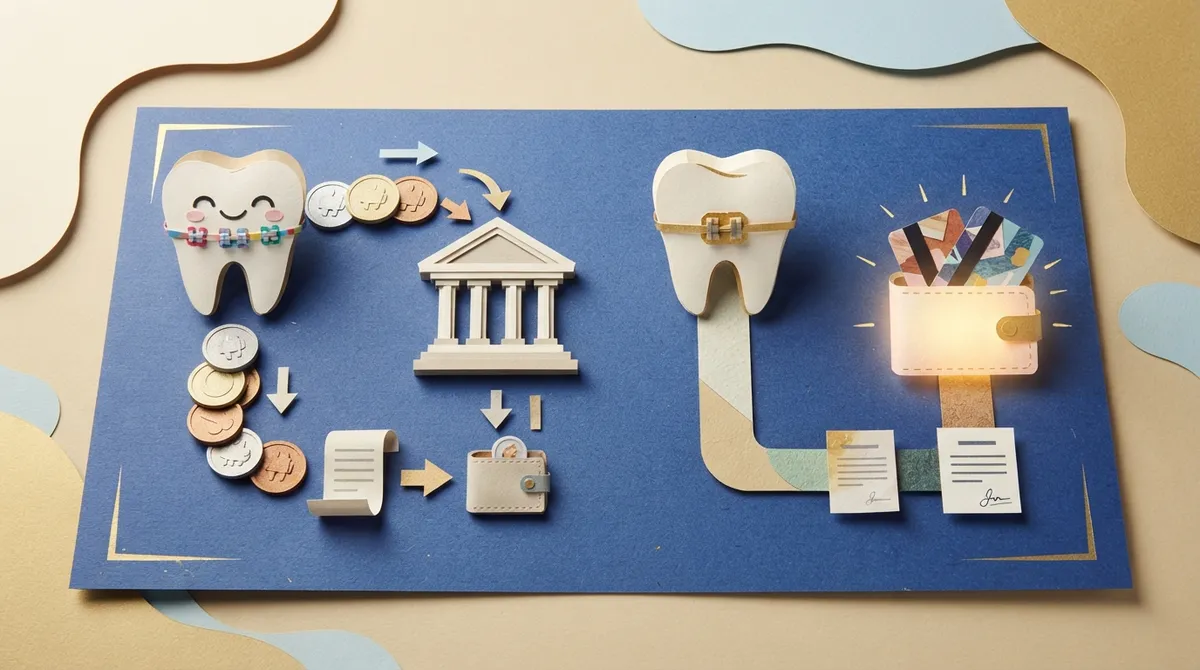
At their core, braces payment plans split your total treatment cost into smaller, manageable chunks. Instead of writing one big check, you pay a down payment upfront, then make monthly payments over a set period. Most orthodontic offices, including ours, design these plans around what actually works for real families and real budgets.
The typical structure looks like this: a down payment (often between $350 and $1,400), followed by monthly installments spread across 12 to 24 months. Many practices, including Brockway Orthodontics, offer these in-house plans completely interest-free. That means you’re not paying extra just for the privilege of spreading out your payments.
2. The Most Common Braces Payment Plan Options in 2026
Not all payment plans look the same, and that’s actually a good thing. Having options means you can pick what genuinely fits your life. Here are the most popular structures orthodontic patients are using this year.
In-House Financing
This is when the orthodontic office itself manages your payment plan, without involving a bank or outside lender. It’s often the simplest and most flexible option, and many practices offer it interest-free.
Third-Party Financing
Companies like CareCredit specialize in healthcare financing, including orthodontic treatment. These options can be helpful if you want longer repayment terms or if in-house financing isn’t available for your situation.
Insurance-Assisted Plans
If your dental insurance includes orthodontic coverage, your monthly payment can shrink significantly. We always recommend checking your financing and insurance options before finalizing your plan.
HSA/FSA Funded Plans
Using pre-tax dollars from a Health Savings Account or Flexible Spending Account can lower your real out-of-pocket cost quite a bit.
3. Average Monthly Costs You Can Expect
One of the most common questions we hear is, “What will I actually pay each month?” Great question! Here’s a simple breakdown based on typical orthodontic treatment plans in 2026.
| Treatment Type | Average Total Cost | Typical Down Payment | Monthly Payment Range |
|---|---|---|---|
| Full Metal Braces | $5,000 – $6,500 | $400 – $600 | $150 – $250 |
| Ceramic (Clear) Braces | $5,500 – $7,000 | $500 – $800 | $175 – $275 |
| Limited Braces Treatment | $3,000 – $4,000 | $600 | $100 – $180 |
| Spark Clear Aligners | $3,500 – $6,000 | $400 – $700 | $89 – $250 |
These numbers can shift depending on the complexity of your case, how long treatment takes, and the type of braces you choose. Curious about the differences between treatment types? Check out our comparison of metal vs. clear braces for adults to see which might work best for you.
4. Step-by-Step: How to Set Up Your Payment Plan
Setting up a payment plan doesn’t have to feel overwhelming. Here’s exactly how the process typically works at most orthodontic offices, including ours.
- Schedule your initial consultation and exam.
- Review your treatment plan and total cost estimate.
- Check your dental insurance benefits, if applicable.
- Discuss down payment options with the treatment coordinator.
- Choose between in-house or third-party financing.
- Select your preferred monthly payment amount and term length.
- Sign your agreement and schedule your first appointment.
- Set up autopay or reminders for monthly payments.
That’s it! Most patients are surprised how simple and low-pressure this process feels. Your first visit is really about getting clear information, not being rushed into a decision.
5. Ways to Lower Your Monthly Payment
Nobody wants to pay more than they have to. Here are some smart, practical ways to reduce your monthly braces payment.
- Ask about pay-in-full discounts, often 5-10% off total treatment cost.
- Use HSA or FSA funds to cover part of your down payment.
- Check if your dental insurance includes orthodontic benefits.
- Choose a longer repayment term to lower monthly amounts.
- Ask about sibling or family discounts if multiple kids need treatment.
- Consider early treatment for kids, which can sometimes reduce future treatment complexity and cost.
Learning early is powerful. Our page on early treatment explains how catching issues sooner can sometimes save money down the road.
6. In-House Financing vs. Third-Party Financing: Which Is Better?
This is one of the biggest decisions patients face, so let’s break it down clearly.
| Feature | In-House Financing | Third-Party Financing |
|---|---|---|
| Interest Rate | Often 0% | Varies, sometimes 0% promotional |
| Credit Check Required | Rarely | Usually yes |
| Repayment Term | 12-24 months | Can extend longer |
| Approval Speed | Same day | Minutes to days |
| Flexibility | Set by the practice | Set by the lender |
Both options have their place. In-house financing tends to be simpler and friendlier for families, while third-party lenders can help if you need extra flexibility or a longer timeline.
7. How Insurance Can Reduce Your Braces Payment Plan
Many people don’t realize their dental insurance might actually cover part of orthodontic treatment. It’s always worth double-checking your benefits before assuming you’re paying the full amount out of pocket.
Some plans cover a percentage of treatment, while others offer a lifetime orthodontic maximum. Our team can help you understand your dental insurance benefits for braces so you know exactly what’s covered before committing to a plan.
8. Using HSA and FSA Funds for Braces
If you have a Health Savings Account or Flexible Spending Account, you’re in luck. These accounts let you use pre-tax dollars toward orthodontic treatment, which can meaningfully lower your real cost.
Since these funds often have deadlines or “use it or lose it” rules, it’s smart to plan ahead. Talk to your HR department or account provider about how much you have available before your consultation.
9. Payment Plans for Every Stage of Life
Braces aren’t just for kids anymore, and payment plans reflect that reality. Here’s how different life stages typically approach financing.
- Parents of Kids and Teens: Often prioritize predictable monthly payments and multi-child discounts.
- Teens and Young Adults: May be motivated by upcoming milestones like graduation photos or prom.
- Busy Professionals: Usually prefer discreet options like Spark Clear Aligners paired with flexible payment terms.
- Relapse Patients: Adults returning for retreatment often invest confidently, knowing the long-term value.
- Health-Conscious Patients: Often combine orthodontic treatment with broader oral health goals.
No matter which category you fall into, there’s a payment structure designed to fit your life. Learn more about our adult treatment options or explore adolescent treatment plans to see what applies to your situation.
10. Common Mistakes to Avoid With Braces Payment Plans
A little planning goes a long way. Here are mistakes we see patients make, and how to avoid them.
- Not asking about pay-in-full discounts before signing up for monthly payments.
- Forgetting to check insurance benefits before committing to a plan.
- Choosing a shorter term that stretches the monthly budget too thin.
- Ignoring HSA/FSA deadlines and losing available funds.
- Not asking about late payment policies upfront.
Avoiding these simple missteps can save you real money and a lot of stress down the road.
11. Why Choose Brockway Orthodontics for Your Payment Plan
At Brockway Orthodontics, Dr. Brockway and her team believe cost should never stand between you and a smile you love. We take time to walk you through every option, answer every question, and build a plan that actually fits your life, not just a generic template.
We proudly serve families and individuals throughout Clearwater, Florida, offering everything from traditional metal braces to ceramic braces and Spark Clear Aligners. Our team also uses modern technology, including digital impressions and 3D imaging, to make your treatment as comfortable and precise as possible. You can explore all our orthodontic services to see what fits your smile goals.
Don’t just take our word for it, though. Feel free to visit us on Google — Brockway Orthodontics to see what our patients throughout the Clearwater area have to say about their experience with our friendly team.
12. Getting Started: Your Next Steps
Ready to take the first step toward your new smile? Here’s a simple checklist to help you prepare for your consultation and payment plan discussion.
- Gather your dental insurance information, if you have it.
- Check your HSA/FSA balance and any deadlines.
- Write down questions about down payments and monthly terms.
- Think about your preferred repayment length (12, 18, or 24 months).
- Bring a list of any past orthodontic treatment history.
According to the American Dental Association, early conversations about cost and treatment planning lead to better long-term outcomes and less financial stress for patients. The Florida Association of Orthodontists also encourages patients to ask detailed questions about financing before starting treatment, something we wholeheartedly support at our Clearwater practice.
We know that choosing the right payment plan is a big decision, and we’re here to make it simple and pressure-free. If you’re ready to talk numbers and explore your options, book your appointment online today and let’s build a plan that fits your budget and your smile goals perfectly.
Have questions before you commit? Feel free to contact our team anytime. We’re always happy to chat, explain your options, and help you feel confident about your investment in your smile. You can also follow along with patient stories and smile transformations on our Instagram or connect with us on Facebook for updates and tips.
FAQs
Q: How do braces payment plans work in orthodontic care?
A: Braces payment plans let you spread out the cost of treatment instead of paying it all at once. You’ll usually make a down payment, then pay a fixed amount each month for 12 to 24 months. Most practices, including ours, offer these plans with zero interest, so you’re not paying extra just for flexibility.
Q: What is the average monthly payment for braces?
A: Monthly payments typically range from about $70 to $300, depending on the type of braces and your treatment length. Full metal braces often fall between $150-$250 a month, while some Spark Clear Aligner plans can start as low as $89 monthly. Your exact payment depends on your down payment and chosen term length.
Q: Do orthodontists offer interest-free payment plans for braces?
A: Yes, many orthodontic offices, including Brockway Orthodontics, offer interest-free in-house payment plans. This means the total cost you agreed to stays the same throughout your treatment, with no hidden fees or extra charges added later.
Q: Can I use HSA or FSA money to pay for braces?
A: Absolutely! HSA and FSA funds can be used toward orthodontic treatment since they’re considered a qualified medical expense. Using these pre-tax dollars can lower your real out-of-pocket cost, so it’s worth checking your balance before your consultation.
Q: Are there discounts for paying for braces in full upfront?
A: Many practices offer a pay-in-full discount, often around 5-10% off your total treatment cost. It’s always a great idea to ask about this option during your consultation, especially if you’re able to cover the cost upfront.
Our Service Area