Key Takeaways
-
Book a consultation with an orthodontist for a personalized exam and X-rays to determine the best treatment option for your specific bite issues and goals.
-
Clear aligners are ideal for mild to moderate crowding and busy adults, offering 6-18 month treatment times, while metal braces remain best for complex bite corrections requiring 18-24 months.
-
Straight teeth improve chewing, speech clarity, and oral hygiene while reducing risks of uneven wear, gum problems, and jaw pain—making straightening about health, not just appearance.
-
Wearing your retainer exactly as directed after treatment is critical; skipping it is the top reason teeth shift back, requiring costly second rounds of treatment.
-
Treatment costs range from $3,000-$8,000 depending on type and complexity, with most practices offering payment plans to make orthodontic care financially accessible.
-
Start orthodontic evaluations around age 7 for children to catch problems early; early treatment can guide jaw growth and shorten later treatment, while teens and adults benefit from discreet options like clear aligners or ceramic braces.
Thinking about teeth straightening but not sure where to start? You are definitely not alone. Every year, more kids, teens, and adults decide it’s time to fix their smile. In fact, the global orthodontics market is growing fast, expected to jump from about $7.61 billion in 2024 to over $26 billion by 2032. That growth tells us something important: more people than ever are discovering that a straighter smile is within reach.
Whether you’re a parent wondering when your child should see an orthodontist, a busy professional craving a discreet option, or someone whose teeth shifted after old braces, this guide will walk you through everything you need to know. We’ll cover the different treatment options, how they work, what they cost, and how to pick the right one for your life. Grab a cup of coffee, and let’s get into it together.
What Is Teeth Straightening, Really?
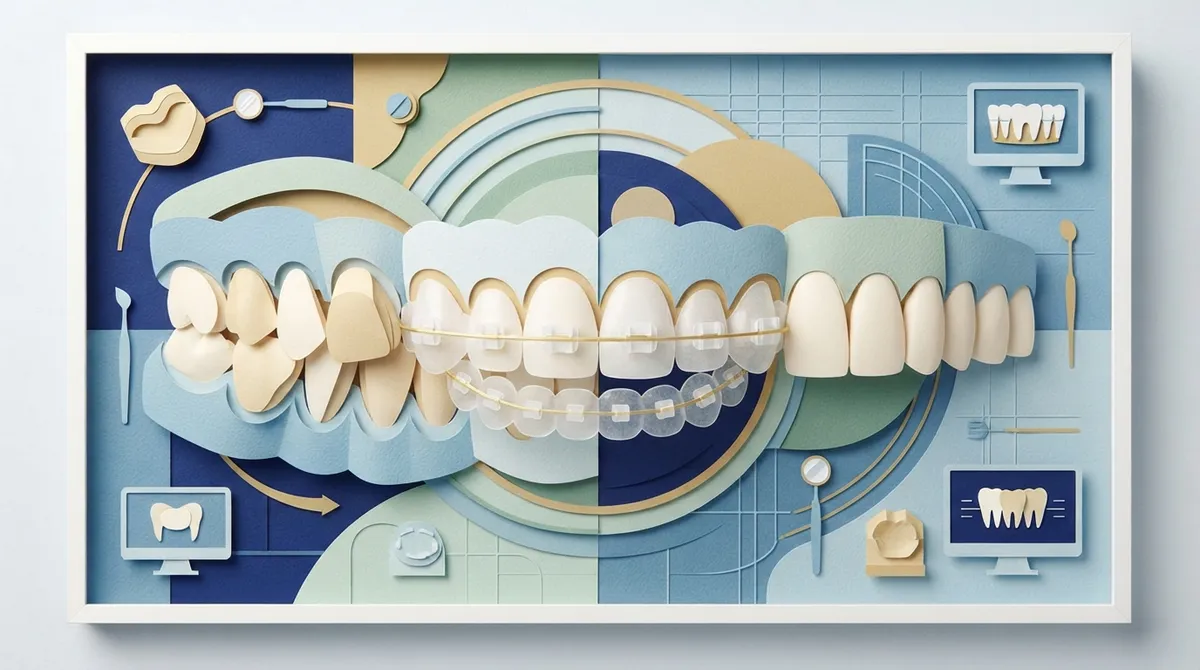
Teeth straightening is the process of moving crooked, crowded, or gapped teeth into better positions. It’s a core part of orthodontic care, a dental specialty that also fixes bite problems like overbites, underbites, crossbites, and open bites. Orthodontists are dentists who complete extra years of specialty training just to master this skill.
Straightening your teeth isn’t only about looks, either. Good alignment helps you chew better, speak clearly, and keep your teeth cleaner. It can even lower your risk of uneven wear, gum problems, and jaw pain down the road. For a deeper look at how oral health connects to your bite, check out this guide on orthodontic treatment and why it works.
Common Bite Problems Teeth Straightening Can Fix
- Overcrowded or overlapping teeth
- Gaps or spacing between teeth
- Overbite (upper teeth stick out too far)
- Underbite (lower jaw juts forward)
- Crossbite (upper and lower teeth don’t line up)
- Open bite (front teeth don’t touch when biting down)
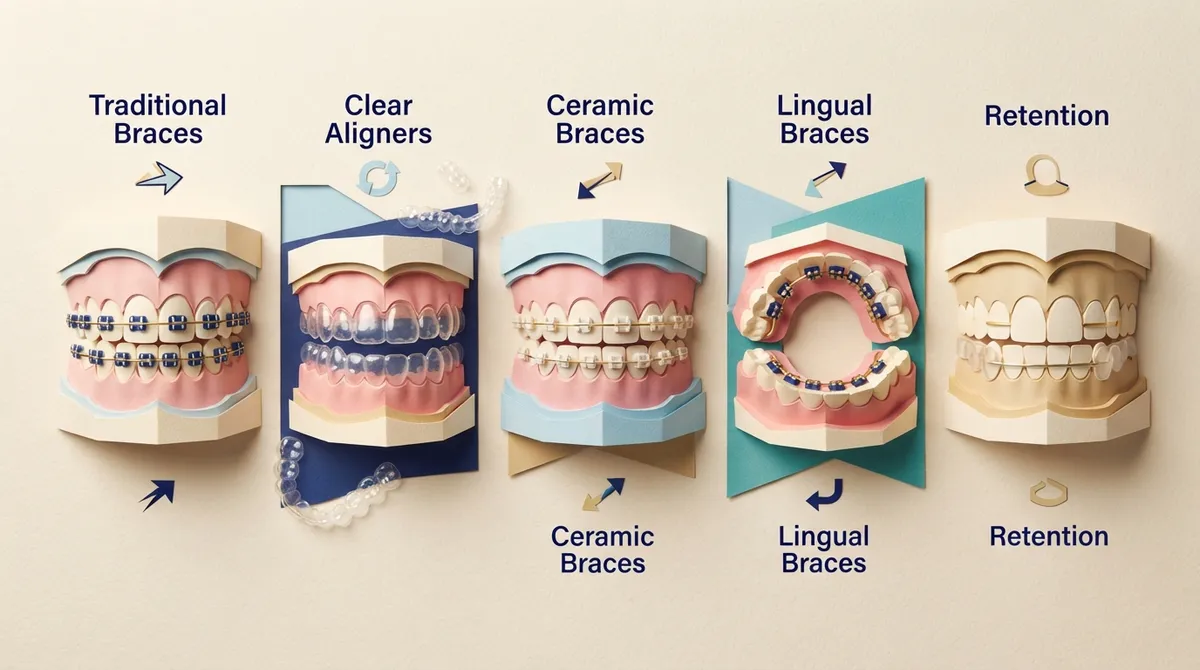
Popular Teeth Straightening Options in 2026
Good news: you have more choices today than ever before. Here’s a rundown of the most common treatments used by orthodontists like Dr. Brockway.
1. Traditional Metal Braces
Metal braces use brackets and wires to gradually shift your teeth. They’re still one of the most reliable options, especially for complex cases involving major bite corrections. Modern brackets are smaller and more comfortable than the ones your parents may have worn. Learn more about all about braces and how they work.
2. Ceramic (Clear) Braces
Ceramic braces work just like metal braces, but the brackets blend in with your natural tooth color. They’re a great pick for teens and adults who want effective treatment without the shiny metal look.
3. Clear Aligners
Clear aligners are custom-made, see-through trays that gently push teeth into place. Most people wear them about 22 hours a day, swapping to a new set every couple of weeks. At Brockway Orthodontics, we offer Spark™ Clear Aligners, a more affordable option that delivers great results without breaking the bank.
4. Retainers
Retainers don’t move teeth much, but they keep your smile in place after braces or aligners finish their job. Skipping your retainer is one of the top reasons people experience relapse. You can read more about retainers and why they matter so much.
Comparing Your Teeth Straightening Options
| Treatment | Best For | Average Treatment Time | Visibility |
|---|---|---|---|
| Metal Braces | Complex bite issues, kids and teens | 18-24 months | Visible |
| Ceramic Braces | Teens and adults wanting a subtle look | 18-24 months | Low visibility |
| Clear Aligners (Spark™) | Mild to moderate crowding, busy adults | 6-18 months | Nearly invisible |
| Retainers | Maintaining results after treatment | Ongoing, part-time or full-time wear | Varies by type |
How to Choose the Right Treatment for You
Picking a straightening method depends on your goals, your budget, and your daily routine. Here’s a simple step-by-step process to help you decide.
Steps to Find Your Best Fit
- Book a consultation with an orthodontist to get a full exam and X-rays.
- Share your goals, whether it’s a faster timeline or a more discreet look.
- Ask about the pros and cons of braces versus clear aligners for your specific case.
- Review the cost and financing options available at the practice.
- Consider your lifestyle, like sports, work meetings, or social events.
- Choose a treatment plan and schedule your start date.
If you’re stuck between two options, our comparison guide on traditional braces vs. clear aligners can help clear things up.
Teeth Straightening for Every Stage of Life
For Parents of Kids and Teens
Most kids can have their first orthodontic checkup around age 7. This lets the orthodontist catch problems early, sometimes before all the adult teeth even come in. Early treatment can guide jaw growth and make later treatment shorter and simpler. Explore our page on early treatment to learn what to expect.
Teens often want options that fit their social lives, especially around big events like homecoming or graduation photos. Many teens love clear aligners or ceramic braces because they feel more confident showing off their smile in pictures. Check out our resource on adolescent treatment for more details.
For Busy Professionals
If you’re juggling meetings, client calls, and a packed calendar, clear aligners might be your best friend. They’re removable, discreet, and don’t require the frequent adjustments that traditional braces sometimes need. Many adults choose adult treatment plans that fit around their careers instead of the other way around.
For Orthodontic Relapse Patients
Did your teeth shift back after braces years ago? You’re not alone, and it’s fixable. Relapse usually happens when a retainer isn’t worn as directed. Many adults return for a second round of treatment, often using clear aligners for a quicker, more comfortable fix the second time around.
For Health-Conscious Individuals
If you care about your overall oral health, straightening your teeth can make a real difference. Straight teeth are easier to brush and floss properly, which lowers your risk of cavities and gum disease. According to the American Dental Association, good alignment supports better long-term oral hygiene habits.
What Does Teeth Straightening Cost?
Cost varies depending on your treatment type, the complexity of your case, and your location. Here’s a general breakdown to help you plan your budget.
| Treatment Type | Typical Price Range |
|---|---|
| Metal Braces | $3,000 – $7,000 |
| Ceramic Braces | $4,000 – $8,000 |
| Clear Aligners (Spark™) | $3,500 – $7,000 |
| Retainers (after treatment) | $150 – $500 per set |
Many practices, including ours, offer payment plans to make treatment easier on your wallet. Learn more about your options on our financing and insurance page.
Why the Demand for Clear Aligners Keeps Growing
The numbers don’t lie. The U.S. invisible orthodontics market was worth about $3.52 billion in 2024, and it’s projected to hit nearly $40 billion by 2033. That’s a massive jump, and it shows just how much people want discreet, comfortable options. Clear aligners are especially popular for mild to moderate crowding, while more complex cases may still need traditional appliances.
This shift makes sense. People want treatment that fits into their lives, not the other way around. Whether it’s a teen prepping for prom or a parent juggling work and school drop-offs, convenience matters just as much as results.
What Happens After Your Treatment Ends?
Finishing braces or aligners is exciting, but the journey isn’t quite over. Here’s what typically comes next.
- You’ll get a custom retainer to protect your new smile.
- Your orthodontist will explain how often to wear it.
- You may need periodic check-ins to make sure teeth stay put.
- Good oral hygiene habits become even more important now.
- Any relapse can often be treated quickly if caught early.
Wondering what a broken retainer means for your smile? Read our quick guide on what to do if your retainer breaks.
What to Expect at Your First Orthodontic Visit
Walking into a new orthodontic office can feel a little nerve-wracking, but it doesn’t have to be. Here’s a simple list of what usually happens.
- You’ll fill out some basic health and dental history forms.
- The orthodontist will take digital X-rays and photos.
- You’ll discuss your goals and concerns about your smile.
- The orthodontist will recommend a personalized treatment plan.
- You’ll review costs, timelines, and financing options together.
At Brockway Orthodontics, we use modern tools like digital impressions and 3D imaging, so there’s no messy goop involved. Learn more about your first visit and how we make it stress-free.
Why Families in Clearwater Trust Dr. Brockway
Dr. Brockway isn’t just skilled and experienced. She genuinely loves getting to know her patients and their families. She takes the time to listen to your concerns, answer your questions, and explain your options in a way that actually makes sense. That personal touch is a big reason so many Clearwater families keep coming back.
Our office also offers same-day treatment options in certain cases, so you don’t always have to schedule multiple visits just to get started. We believe your time matters, and we do everything we can to respect it. You can learn more about Dr. Brockway and her approach to care.
Curious what other patients think? You can visit us on Google — Brockway Orthodontics to read real reviews from families just like yours. We’re proud to be a trusted name in the community, and we’d love to help you feel that same confidence in your smile.
Tips for a Smooth Teeth Straightening Journey
No matter which treatment you choose, a few simple habits can make your experience easier and more successful.
- Keep up with regular checkups and cleanings.
- Follow your orthodontist’s instructions closely, especially with aligner wear time.
- Avoid sticky or hard foods that can damage braces.
- Wear your retainer exactly as directed after treatment.
- Ask questions whenever something feels unclear or uncomfortable.
For more guidance, the Florida Association of Orthodontists offers helpful resources on finding qualified care throughout the state.
Ready to Start Your Smile Journey?
Teeth straightening is one of those investments that pays off for years to come. It boosts your confidence, supports better oral health, and honestly, it just feels good to smile without holding back. Whether you’re a parent exploring options for your child, a professional wanting something discreet, or someone ready for a second chance at a straight smile, there’s a treatment plan out there for you.
Our team at Brockway Orthodontics in Clearwater is here to guide you every step of the way, with warmth, honesty, and plenty of patience. If you’re ready to take the next step, book your free consultation online today, or feel free to reach out to our friendly team with any questions. You can also follow our journey and see patient smiles on Instagram and Facebook. We can’t wait to help you love your smile again.
FAQs
Q: What are the different teeth straightening options available today?
A: You’ve got several great choices, including metal braces, ceramic braces, and clear aligners like Spark™. Each one works a little differently, so it really comes down to your goals, budget, and lifestyle. Our team is always happy to walk you through the pros and cons of each option during your consultation.
Q: Are clear aligners as effective as traditional braces?
A: For mild to moderate crowding or spacing, clear aligners work wonderfully well. More complex bite issues sometimes need the extra control that traditional braces provide. The good news is your orthodontist can help you figure out exactly which option fits your unique smile.
Q: How long does teeth straightening usually take?
A: Treatment time varies quite a bit, but most people finish somewhere between 6 and 24 months. Faster cases often involve clear aligners for mild crowding, while more complex bite corrections may take longer. Your orthodontist will give you a personalized timeline after your first exam.
Q: Do adults really benefit from orthodontic treatment too?
A: Absolutely, and more adults are choosing treatment than ever before. It’s never too late to improve your smile, your bite, or your confidence. Many adults love clear aligners because they fit seamlessly into busy work and social schedules.
Q: What happens after my braces or aligner treatment finishes?
A: You’ll get a custom retainer to keep your teeth right where they belong. Wearing it as directed is super important, since skipping it is the number one reason smiles shift back. Think of it as the final, easy step to protecting all your hard work.
Our Service Area