Key Takeaways
-
AI-powered 3D scans and digital planning software now detect alignment issues early and generate animated smile previews before treatment begins, giving patients confidence in expected outcomes.
-
Remote monitoring allows patients to submit home scans for real-time adjustments, reducing office visits by up to 40% and keeping treatment on track without frequent appointments.
-
Hybrid treatment plans combining braces for complex initial movements with clear aligners for finishing work expand options for patients with moderate-to-complex cases seeking discretion.
-
Clear aligners require 20-22 hours daily wear and suit mild-to-moderate cases, while traditional braces handle complex crowding and bite issues with zero compliance risk since they’re fixed in place.
-
Microperforations stimulate bone remodeling to speed up tooth movement and can meaningfully shorten overall treatment timelines when integrated into personalized orthodontic plans.
-
Treatment planning by age is critical: children benefit from early guidance of jaw growth by age 7, teens prefer discreet aligners, and adults gain efficiency from digital workflows designed around busy schedules.
Choosing the right orthodontic path can feel overwhelming. You want straight teeth, a healthy bite, and a confident smile — but how do you get there? The two most popular options in 2026 are traditional braces and clear aligners. Each has real strengths depending on your lifestyle, age, and dental needs. Understanding how orthodontic treatment planning works for each option helps you make the best choice for your unique smile.
Whether you’re a parent researching options for your child, a teen hoping for something discreet, or an adult professional fitting treatment into a busy schedule, this guide breaks it all down in plain language. We’ll look at how modern technology shapes your treatment plan, what to expect at each stage, and which approach might work best for you. Let’s dive in!
What Is Orthodontic Treatment Planning?
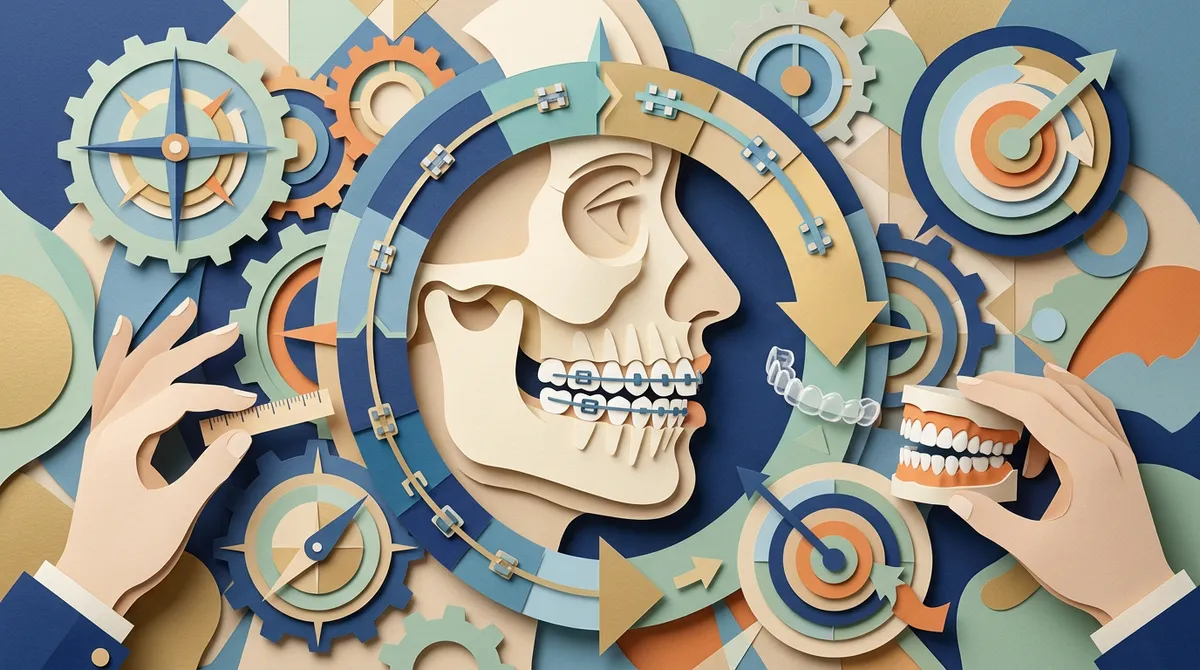
Orthodontic treatment planning is the process your orthodontist uses to map out your path to a straighter smile. It’s not a one-size-fits-all approach. Every plan is custom-built around your teeth, jaw, age, and goals. Think of it like a personalized roadmap — your orthodontist figures out where you are, where you need to go, and the best route to get there.
In 2026, this process uses advanced digital tools. AI algorithms analyze 3D scans, CBCT images, and X-rays to detect alignment issues early. They suggest the best tooth movement staging and generate animated previews of your final smile. This means you can actually see what your teeth will look like before treatment even begins! That’s a huge confidence boost for patients of all ages.
At your first visit with Dr. Brockway, you’ll go through a full evaluation. This includes digital scans and a conversation about your goals. From there, a personalized treatment plan is designed just for you.
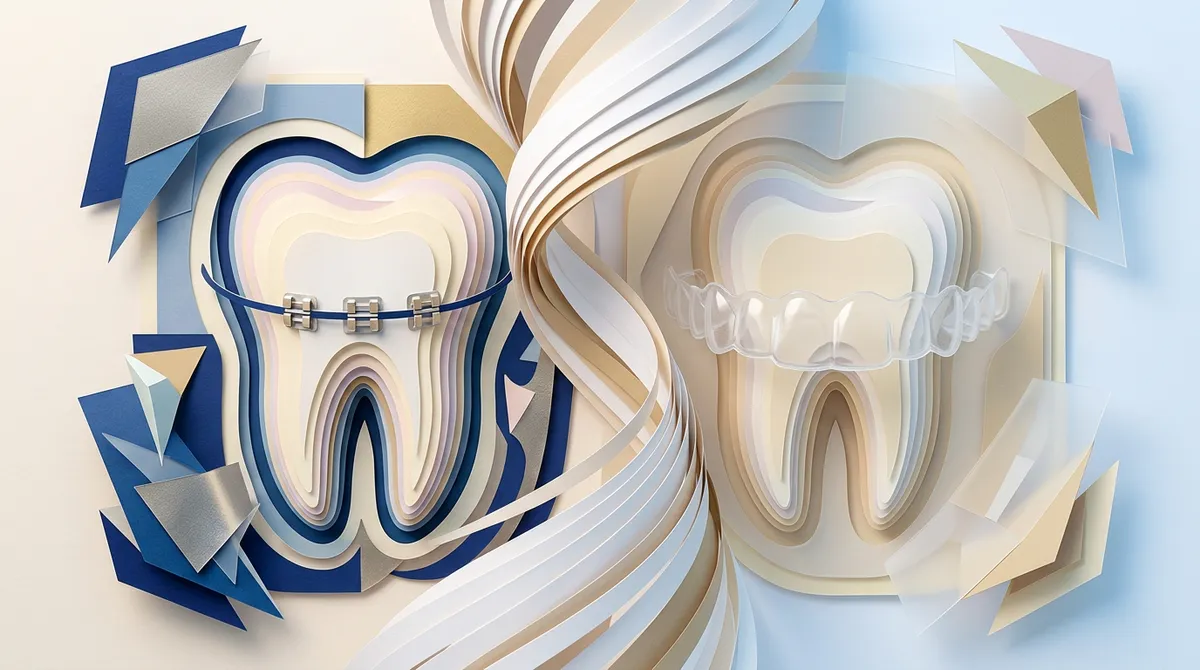
Braces vs. Clear Aligners: A Side-by-Side Comparison
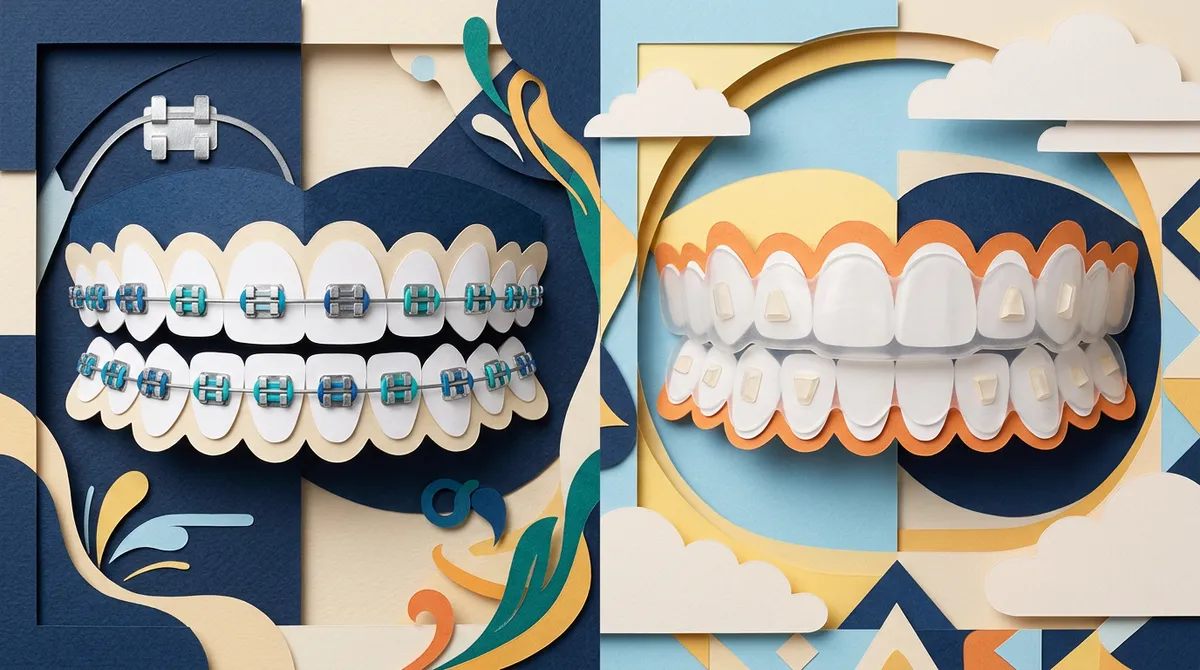
Before diving deeper, here’s a quick overview of how the two main treatment paths stack up:
| Feature | Traditional Braces | Clear Aligners |
|---|---|---|
| Visibility | Noticeable metal brackets | Nearly invisible trays |
| Removability | Fixed (not removable) | Removable for eating/cleaning |
| Best For | Complex cases, all ages | Mild to moderate cases, teens/adults |
| Comfort | Some initial discomfort | Generally smoother feel |
| Maintenance | Regular adjustments needed | Progress tracked remotely |
| Treatment Time | 12–36 months (varies) | 6–24 months (varies) |
| Patient Discipline Required | Low (fixed in place) | High (must wear 20–22 hrs/day) |
How Technology Shapes Your Treatment Plan in 2026
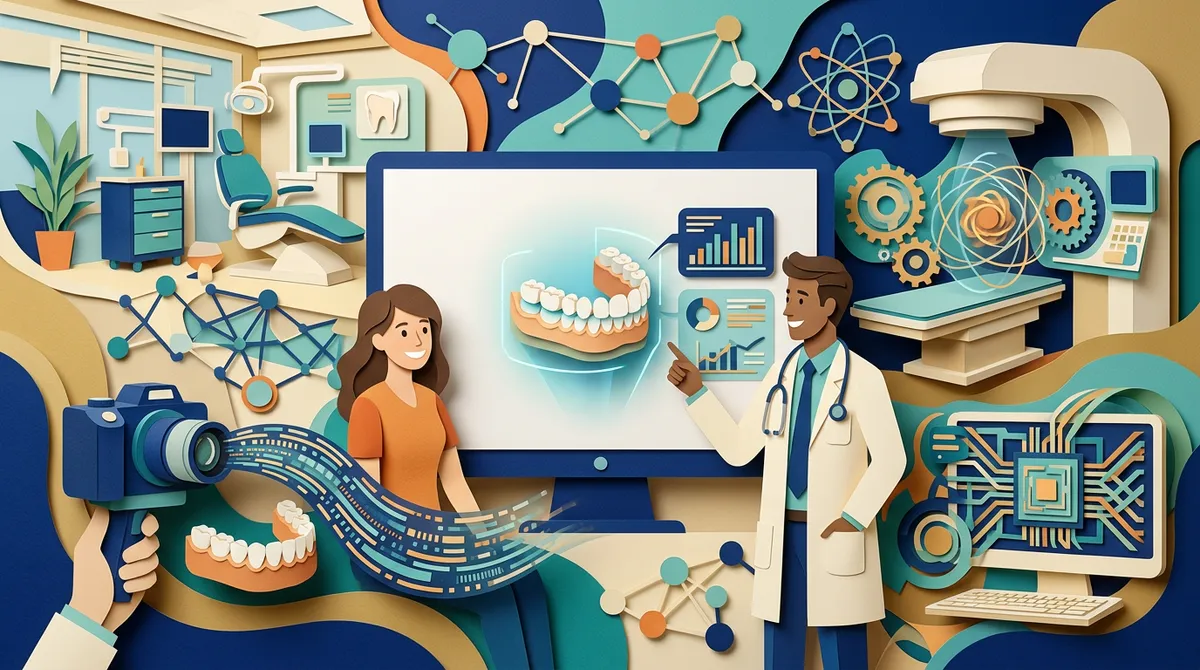
Modern orthodontic treatment planning looks very different from even five years ago. AI-powered software now plays a central role in both braces and aligner planning. It analyzes your scans to predict how your teeth will respond to forces and recommends the most efficient path forward.
Here are the top technology tools shaping treatment plans today:
- 3D digital scans: Replace messy traditional molds with fast, accurate impressions
- AI planning software: Detects issues early and maps optimal tooth movement
- Treatment simulations: Animated previews show your expected final smile
- Remote monitoring: Patient-submitted scans allow real-time adjustments
- Microperforations: A technique that stimulates bone remodeling to speed up tooth movement
Remote monitoring is especially exciting. You submit scans from home, and your orthodontist can flag any deviations early. This reduces office visits and keeps your plan on track. For busy adults and teens with packed schedules, this is a game changer. The latest orthodontic technologies in 2026 are making treatment faster, smarter, and more comfortable than ever before.

Braces: What Your Treatment Plan Looks Like
Braces remain the gold standard for complex orthodontic cases. They’re fixed to your teeth, so there’s no risk of forgetting to wear them. Your orthodontist has full control over every tooth movement throughout the process.
The Braces Treatment Planning Process
- Initial consultation and digital scans: Your orthodontist evaluates your bite, spacing, and jaw alignment
- Custom bracket placement: Brackets are bonded to each tooth, connected by an archwire
- Scheduled adjustment appointments: Wires are tightened every 4–8 weeks to guide movement
- Progress monitoring: X-rays and scans track root positions and bone response
- Retention phase: Once braces come off, retainers keep your new smile in place
Braces are ideal for severe crowding, significant bite problems, and cases requiring major jaw adjustments. They work well for kids, teens, and adults alike. If your child is ready for adolescent orthodontic treatment, braces are often a fantastic starting point. You can also explore affordable braces options in Clearwater with Dr. Brockway’s team.
Braces: Pros and Cons
| Pros | Cons |
|---|---|
| Handles complex cases effectively | Visible metal hardware |
| No compliance issues (fixed in place) | Food restrictions apply |
| Often more affordable upfront | Cleaning around brackets takes more effort |
| Works for all ages | Regular in-office adjustments required |
Clear Aligners: What Your Treatment Plan Looks Like
Clear aligners use a series of custom-made, removable trays to shift your teeth gradually. Each tray is worn for about one to two weeks before you move to the next set. The planning process relies heavily on digital technology and AI to map out every stage of movement in advance.
The Clear Aligner Treatment Planning Process
- 3D scan and digital impressions: Creates an exact model of your current teeth
- AI-driven simulation: Software plans each tray stage and generates a smile preview
- Custom aligner fabrication: Your entire series of trays is manufactured before you begin
- Progress check-ins: Remote monitoring or in-person visits confirm teeth are tracking correctly
- Refinement rounds if needed: Additional trays can be ordered to fine-tune results
Software like the Medit Orthodontic Suite supports staged aligner planning with options for limited treatments or refinement rounds. This level of customization is why clear aligner planning has become so precise and predictable. If you’re curious about aligner options, Spark™ Clear Aligners are a top-tier choice offered at Brockway Orthodontics. You can also start your clear aligner journey in Clearwater with a free consultation.
Clear Aligners: Pros and Cons
| Pros | Cons |
|---|---|
| Nearly invisible appearance | Must be worn 20–22 hours daily |
| Removable for eating and brushing | Can be lost or misplaced |
| Remote monitoring reduces office visits | Less effective for very complex cases |
| Smooth, comfortable material | Requires strict patient discipline |
Hybrid Treatment Plans: The Best of Both Worlds
Here’s something exciting that’s growing in 2026 — hybrid orthodontic treatment planning. This approach uses braces for the initial complex tooth movements, then switches to clear aligners for the finishing phase. It expands who can benefit from discreet aligner treatment while improving overall efficiency.
A hybrid plan might look like this:
- Braces correct major crowding or bite issues in the first phase
- Clear aligners handle the fine-tuning and finishing work
- Treatment time can be shorter compared to one method alone
- Patients enjoy a more discreet finish to their treatment journey
This is great news for patients with complex cases who still want the aesthetic benefits of aligners. Ask about hybrid options during your free consultation at Brockway Orthodontics to see if you’re a candidate.
Treatment Planning by Age Group
Your age plays a big role in which treatment path makes the most sense. Here’s a quick breakdown:
- Children (ages 7–12): Early orthodontic treatment can guide jaw growth and prevent bigger issues later. The American Dental Association recommends an orthodontic evaluation by age 7.
- Teens (ages 13–17): Both braces and aligners work well. Many teens love the confidence boost from discreet aligners. Explore teen braces in Clearwater for stylish options.
- Adults (ages 18+): Clear aligners are hugely popular for their discreet look. Adult orthodontic treatment is more accessible than ever, with efficient plans designed around busy lives.
- Relapse patients: Those returning for retreatment often do well with targeted aligner plans or hybrid approaches.
No matter your age, personalized orthodontic treatment planning ensures your path is optimized for your specific needs. The Florida Association of Orthodontists supports evidence-based planning for patients at every life stage.
Practice Efficiency and What It Means for You
Modern digital workflows don’t just benefit your treatment — they make your entire experience smoother. When practices optimize scheduling and patient flow, wait times can drop by up to 40%. That means getting in faster and spending less time in the waiting room.
Practices using digital planning tools can also see 3–4 additional patients per day without adding extra staff. This keeps appointments available and accessible for families, teens, and working professionals alike. For practices like Brockway Orthodontics, this efficiency means more personalized attention for every patient.
Planning tools like InCare help orthodontic practices streamline treatment coordination and patient management, ensuring nothing falls through the cracks during your care journey. Staying organized also connects to overall wellness — much like how Panther Pools keeps everything running smoothly in their service area, great systems behind the scenes make the customer experience seamless.
Which Option Is Right for You?
So, which wins — braces or clear aligners? Honestly, it depends entirely on your specific situation. Here’s a simple guide:
- Choose braces if: You have a complex case, need significant bite correction, prefer a fixed option, or are treating a younger child
- Choose clear aligners if: You want a discreet look, have a mild to moderate case, are a disciplined adult or teen, and prefer fewer office visits
- Consider a hybrid plan if: You have moderate to complex needs but still want the aligner finish
The best way to find out is with a professional evaluation. You can meet Dr. Brockway and discuss which approach suits your goals. You can also visit us on Google to read real patient reviews and see what others have experienced on their smile journey. For a full overview of available treatments, browse the complete orthodontic services at Brockway Orthodontics.
Conclusion: Your Smile Journey Starts with the Right Plan
Whether you lean toward braces, clear aligners, or a hybrid approach, the most important step is getting a personalized orthodontic treatment planning consultation. In 2026, technology makes it easier than ever to see your results before you even begin. AI simulations, 3D scans, and remote monitoring mean your treatment is smarter, faster, and more comfortable.
Every smile is unique, and every great smile starts with a great plan. Don’t let uncertainty hold you back from the confident, healthy smile you deserve. The team at Brockway Orthodontics is here to guide you every step of the way, with warmth, expertise, and a personalized touch.
Ready to see your new smile? Schedule your free smile consultation today and take the first step toward the smile you’ve always wanted!
FAQs
Q: What is AI’s role in modern orthodontic treatment planning?
A: AI analyzes your 3D scans and X-rays to detect alignment issues early and suggest the most efficient tooth movement stages. It also generates animated simulations so you can preview your final smile before treatment even starts — how cool is that?
Q: How do 3D scans improve orthodontic treatment plans?
A: 3D scans create a highly accurate digital model of your teeth and jaw, replacing old-fashioned messy molds. This precision helps your orthodontist design a treatment plan that’s tailored exactly to your smile, improving both comfort and outcomes.
Q: What are hybrid orthodontic treatments combining braces and aligners?
A: Hybrid plans use traditional braces for the initial complex movements, then switch to clear aligners to finish and fine-tune results. This approach is perfect for patients with more complex cases who still want the discreet look of aligners at the end of treatment.
Q: How does remote monitoring work in orthodontics?
A: With remote monitoring, you submit photos or scans of your teeth from home using a simple app. Your orthodontist reviews them and can make real-time adjustments, catching any issues early and reducing the number of in-office visits you need.
Q: Can microperforations speed up orthodontic treatment?
A: Yes! Microperforations are tiny, minimally invasive perforations that stimulate bone remodeling around the teeth, which helps them move faster and more safely. When integrated into a treatment plan, they can meaningfully shorten your overall treatment timeline.