Key Takeaways
-
Untreated bite problems can contribute to tooth erosion and gum disease over time, so early detection matters regardless of age.
-
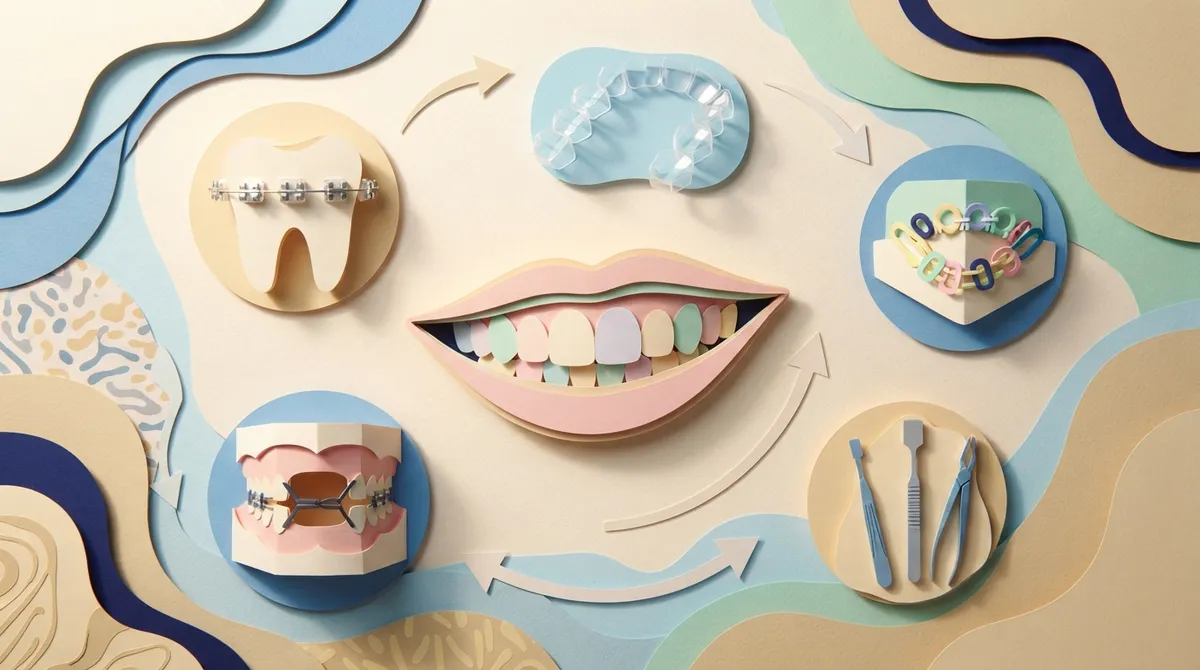
Modern orthodontics offers five main bite correction options: metal braces, clear aligners, elastics, palatal expanders for growing children, and jaw surgery for severe cases.
-
Clear aligners work best for mild to moderate bite issues and require consistent wear of 20-22 hours daily to be effective, making them ideal for busy professionals.
-
Early treatment around age 7-10 for growing children can catch growth-related bite issues and often prevent the need for more invasive treatment later.
-
Retainer wear after active treatment is critical—teeth naturally shift back without consistent retainer use, so wearing it as instructed protects your long-term results.
-
Common bite problems include overbite, underbite, crossbite, open bite, deep bite, and crowding, each requiring different treatment approaches based on severity.
Ever catch yourself chewing funny on one side, or notice your child’s top teeth cover almost their whole bottom teeth when they smile? That could be a sign of a bite problem, and you’re definitely not alone. Bite correction is one of the most common reasons people visit an orthodontist, and the good news is there are more comfortable, faster options today than ever before. At Brockway Orthodontics in Clearwater, we see patients of every age walk through our doors wondering what’s really going on with their bite, and how to fix it without turning their life upside down.
A misaligned bite, called a malocclusion, means your upper and lower teeth don’t meet the way they should. This can affect chewing, speech, jaw comfort, and even how your teeth wear down over time. The great news? Modern orthodontics gives us several reliable ways to fix it. Let’s walk through the five most trusted bite correction options, how they work, and how to know which one might be right for you or your child.
What Bite Correction Really Means
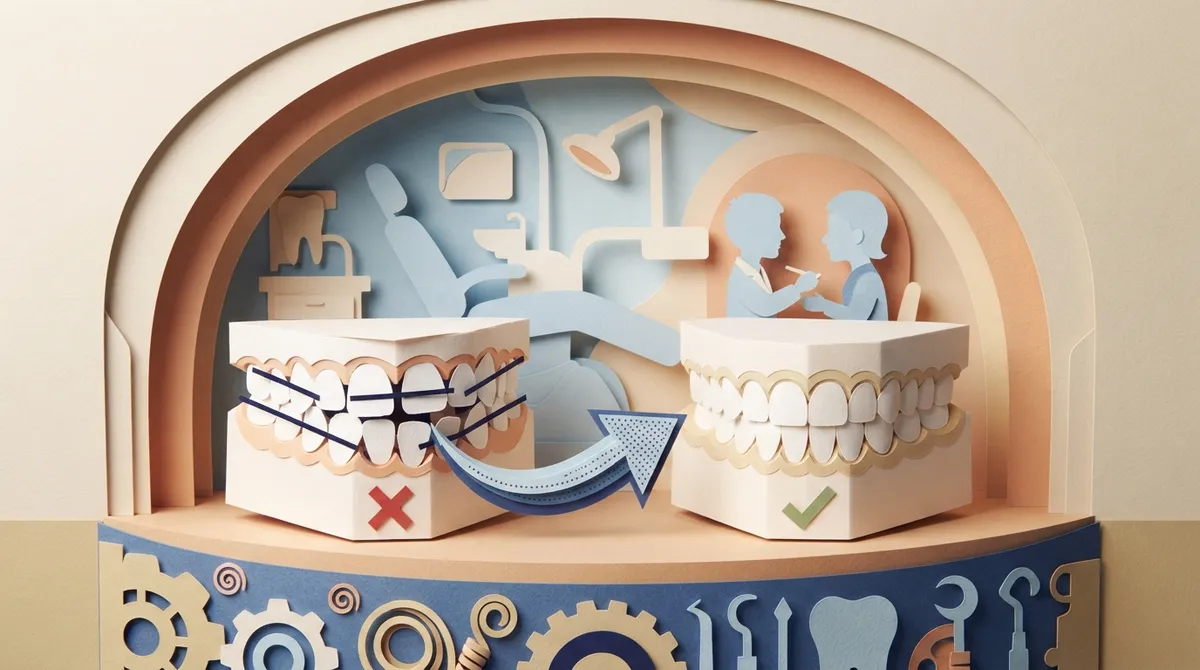
Bite correction is the process of fixing how your upper and lower teeth fit together when your mouth closes. Orthodontists call this relationship your occlusion. When teeth don’t line up correctly, it puts extra stress on your jaw, gums, and tooth enamel over time.
Left untreated, malocclusion can contribute to tooth erosion and gum disease, according to the American Dental Association. That’s why catching bite issues early, whether in a 7-year-old or a 45-year-old professional, really does matter for long-term oral health.
Common Types of Bite Problems
- Overbite: Upper front teeth stick out too far over the lower teeth
- Underbite: Lower teeth sit in front of the upper teeth
- Crossbite: Some upper teeth sit inside the lower teeth instead of outside
- Open bite: Front teeth don’t touch at all when the mouth is closed
- Deep bite: Upper front teeth significantly overlap the lower teeth
- Crowding-related misalignment: Teeth are too close together, throwing off the bite
If any of these sound familiar, it’s worth scheduling a checkup. Our team can walk you through your first visit so you know exactly what to expect.
5 Bite Correction Options That Actually Work
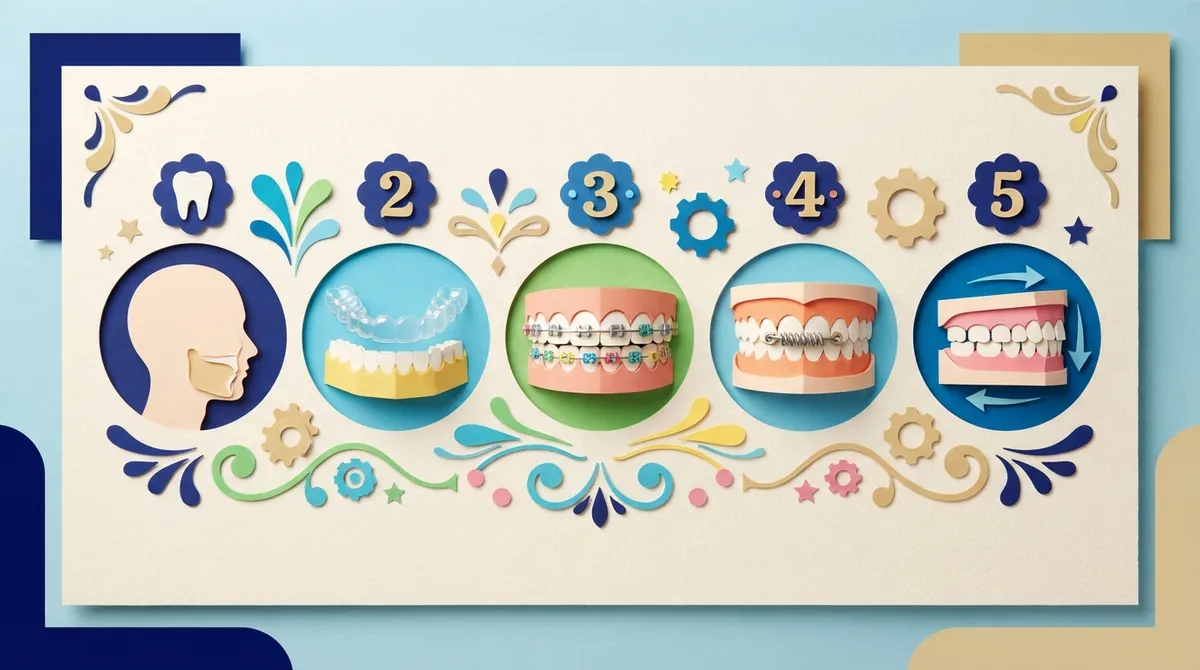
Here are the five main approaches orthodontists use to correct bite problems, ranked from the most common to the most involved.
1. Traditional Metal Braces
Metal braces remain one of the most dependable ways to correct a bite. Brackets and wires apply steady pressure, gently guiding teeth and jaws into better alignment over time. They work well for almost every type of malocclusion, including deep overbites and crowded teeth.
Many parents love braces because they’re durable and low-maintenance for active kids and teens. You can learn more about how they work on our All About Braces page.
2. Clear Aligners Like Spark™
Clear aligners have become hugely popular with teens and adults who want a more discreet option. At Brockway Orthodontics, we offer Spark™ Clear Aligners, a more affordable alternative that straightens teeth and improves many bite issues without noticeable metal.
Clear aligners work great for mild to moderate bite problems. They’re removable, which busy professionals appreciate, though that also means consistent wear (usually 20-22 hours a day) is key to success.
3. Elastics (Rubber Bands)
For many bite corrections, braces or aligners alone aren’t quite enough. That’s where elastics come in. These small rubber bands hook onto brackets or aligner attachments and apply extra force to pull the upper and lower jaws into better alignment.
Elastics are especially common for correcting overbites and underbites. Wearing them exactly as instructed makes a huge difference in how quickly your bite improves.
4. Palatal Expanders and Functional Appliances
For younger patients still growing, expanders and functional appliances (like the Herbst or MARA) can guide jaw growth in a helpful direction. These appliances widen a narrow upper jaw or encourage the lower jaw to grow more favorably, often preventing the need for more invasive treatment later.
This is one reason early treatment is so valuable. Catching a growth-related bite issue around age 7-10 can make future treatment simpler.
5. Orthognathic (Jaw) Surgery
For severe skeletal bite discrepancies, especially in adults who are done growing, jaw surgery may be recommended alongside braces. According to guidance from the Cleveland Clinic, this is typically reserved for cases where the jaw bones themselves are significantly misaligned, not just the teeth.
This option is less common but important to know about. Our team always explains every option clearly so you feel confident in your treatment plan, whether that’s adult treatment or a referral for surgical consultation.
Comparing Your Bite Correction Options
| Treatment | Best For | Typical Duration | Estimated Cost |
|---|---|---|---|
| Metal Braces | All bite types, especially complex cases | 18-36 months | $4,800-$7,200 |
| Clear Aligners | Mild to moderate bite issues | 12-24 months | $3,500-$7,000 |
| Elastics | Overbite/underbite support | Used during active treatment | Included in braces/aligner cost |
| Expanders/Functional Appliances | Growing children with narrow jaws | 6-12 months, plus braces | Varies by case |
| Jaw Surgery | Severe skeletal discrepancies | Combined with 12-24 months of braces | Varies, often covered partially by insurance |
Every case is unique, so these numbers are general estimates. A consultation is the best way to get an accurate picture for your specific bite. You can always contact us to ask questions before booking.
How We Diagnose a Bite Problem
Getting the right treatment starts with the right diagnosis. Here’s what typically happens during a bite correction evaluation:
- A friendly clinical exam where we look at how your teeth meet and how your jaw moves
- Digital imaging and X-rays to see what’s happening beneath the surface
- A discussion about your age, growth status, and any symptoms like jaw pain or clicking
- A personalized treatment plan comparing braces, aligners, or other appliances
- A clear conversation about timeline, cost, and what to expect at each stage
We use modern 3D imaging and digital impressions instead of messy molds, making this whole process more comfortable and precise. It’s one of the ways we make sure every patient, from nervous kids to detail-oriented professionals, feels informed and at ease.
Bite Correction for Different Life Stages
For Parents of Kids and Teens
If your child grinds their teeth, has trouble biting into food, or you notice their jaw seems off-center, it’s worth a visit. Early evaluation around age 7 can catch bite problems while the jaw is still growing, making treatment simpler down the road. Explore our adolescent treatment options designed just for growing smiles.
For Teens and Young Adults
Heading to prom or graduation with a straighter, more comfortable bite feels amazing. Clear aligners are especially popular with this group since they’re barely noticeable in photos and everyday life.
For Busy Professionals
You don’t have time for a treatment that disrupts your career. Clear aligners let you straighten your bite discreetly during meetings, presentations, and social events without anyone noticing.
For Relapse Patients
Had braces years ago but noticed your teeth shifting back? You’re not alone, and it’s very treatable. This usually happens when a retainer wasn’t worn consistently. We can help you get back on track with a fresh treatment plan.
Why the Retention Phase Matters So Much
Here’s something a lot of people don’t expect: finishing active treatment isn’t the finish line. Teeth naturally want to shift, and without a retainer, they can drift right back to where they started.
This is why we always talk about retainers as part of your total bite correction plan. Wearing your retainer as instructed protects your investment and keeps your smile looking and feeling great for years to come.
Simple Retention Tips
- Wear your retainer exactly as your orthodontist recommends, especially the first year
- Store it in its case when not in use, never in a napkin or pocket
- Clean it gently with a soft brush and lukewarm water
- Bring it to every follow-up appointment for a quick fit check
- Contact your orthodontist right away if it feels loose or cracks
Signs You Might Need Bite Correction
Not sure if your bite needs attention? Here are common signs orthodontists look for:
- Difficulty chewing or biting certain foods
- Frequent jaw pain, clicking, or tension
- Uneven wear on your teeth
- Speech that seems affected by your teeth position
- Teeth that don’t touch evenly when you bite down
- Noticeable overlap or gap between upper and lower front teeth
If any of these sound familiar, don’t wait. Our friendly team can help you figure out your next step, whether that’s braces, aligners, or simply keeping an eye on things.
Why Choose Brockway Orthodontics for Bite Correction
Dr. Brockway brings genuine care and years of training to every bite correction case she treats in Clearwater. She takes the time to listen to your concerns and goals, making sure you feel comfortable and confident from your very first visit through your final retainer check.
We’re proud to serve families throughout the Clearwater community, offering everything from traditional metal braces to Spark™ Clear Aligners and ceramic options. In certain cases, we can even offer same-day treatment starts, because we know your schedule is busy. You can also connect with us on Facebook or follow along on Instagram to see real patient transformations and helpful tips.
Curious what other patients think? Take a look and visit us on Google — Brockway Orthodontics to read real reviews from Clearwater families just like yours.
Getting Started With Bite Correction
The path to a better bite usually follows these steps:
- Schedule an initial consultation and exam
- Review your imaging and discuss treatment options together
- Choose the plan that fits your lifestyle, whether braces or clear aligners
- Begin active treatment with regular check-in appointments
- Transition into your retention phase with a custom retainer
Every step is designed to keep you informed and comfortable. For more general guidance on the process, the Florida Association of Orthodontists offers helpful patient resources too.
Ready for a More Comfortable Bite?
Bite correction isn’t just about a straighter smile, it’s about comfortable chewing, healthier teeth, and feeling good every time you smile. Whether you’re a parent watching for early signs in your child, a teen prepping for prom photos, a professional wanting something discreet, or an adult ready for a second chance after relapse, there’s a bite correction option built for you.
Dr. Brockway and our warm, welcoming Clearwater team are here to guide you every step of the way. Ready to see what’s possible for your smile? Book appointment online today and let’s talk about the best bite correction plan for you or your family.
FAQs
Q: What is bite correction in orthodontics?
A: Bite correction is the process of fixing how your upper and lower teeth meet, called your occlusion. Orthodontists use braces, clear aligners, elastics, or other appliances to guide your teeth and jaw into a healthier, more comfortable position.
Q: What are the signs that you need bite correction?
A: Watch for jaw pain, trouble chewing, uneven tooth wear, or teeth that don’t line up when you bite down. If something feels off with your smile or your child’s bite, it’s always worth a friendly checkup to be sure.
Q: Can clear aligners fix bite problems as well as braces?
A: Yes, clear aligners like Spark™ can correct many mild to moderate bite issues just as effectively as braces. For more complex cases, your orthodontist may recommend traditional braces or add elastics to your treatment plan.
Q: How long does bite correction take?
A: Most bite correction treatment takes about 18 to 36 months, though this varies based on how complex your case is. Simpler bite issues can sometimes be resolved faster with clear aligners.
Q: Do you need to wear a retainer after bite correction?
A: Absolutely, retainers are essential after active treatment. Teeth naturally want to shift back, so wearing your retainer as recommended protects all the progress you worked so hard to achieve.
Our Service Area