Key Takeaways
-
Early intervention for children showing signs of Class III malocclusion (underbite) before age 10 can guide jaw growth in a healthier direction and sometimes reduce the need for surgery later.
-
Modern malocclusion treatment options include traditional braces, ceramic braces, clear aligners, palatal expanders, and orthognathic surgery, with treatment duration typically ranging from 12-30 months depending on severity and appliance type.
-
Consistent retainer use after active treatment is critical to prevent relapse, as teeth naturally want to drift back to their original positions without proper long-term retention.
-
The American Dental Association recommends children see an orthodontic specialist by age 7 for screening, with general evaluation recommended around age 9-10 to catch issues early and simplify treatment.
-
Clear aligners like Spark work best for mild to moderate malocclusion cases and are popular with busy professionals, while traditional braces remain the most effective option for severe bite issues and complex jaw discrepancies.
-
Maintaining excellent oral hygiene during treatment—brushing after meals, daily flossing, and avoiding sticky or hard foods—leads to better long-term results and fewer complications according to orthodontic research.
Do you notice your child’s teeth crowding together, or maybe your own bite feels a little off? You’re not alone. Malocclusion, or a bad bite, affects millions of people of all ages. The good news? Modern malocclusion treatment options make fixing these issues easier and more comfortable than ever before. Whether you’re a parent watching your child’s smile develop, a busy professional wanting a straighter smile, or an adult ready for a second chance at orthodontic care, this guide will walk you through everything you need to know.
At Brockway Orthodontics in Clearwater, Florida, we see patients every day who are curious about their bite, their teeth, and what treatment might look like for them. Let’s break down malocclusion treatment in a simple, friendly way, so you can feel confident about your next steps.
What Is Malocclusion, Exactly?
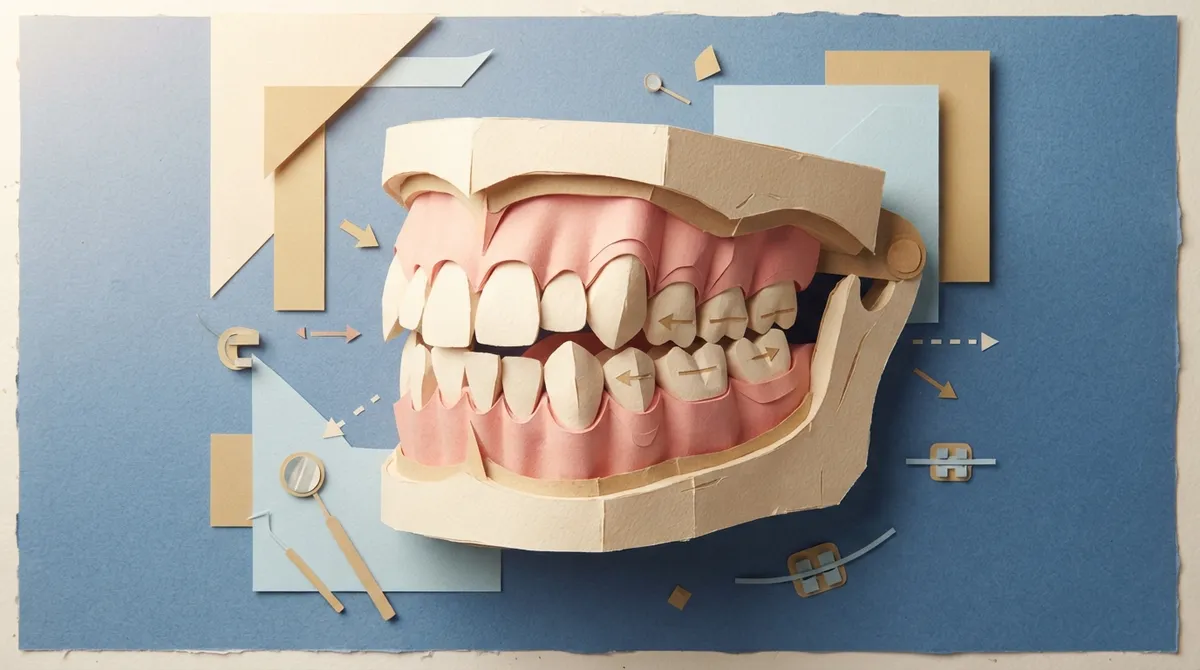
Malocclusion simply means your teeth or jaws don’t line up the way they should. Think of it like a puzzle where the pieces don’t quite fit together. This can cause your upper and lower teeth to meet unevenly when you bite down.
According to the National Institutes of Health, malocclusion is one of the most common reasons people seek orthodontic care. It’s not just about looks. A bad bite can affect chewing, speaking, and even your jaw’s long-term health.
Malocclusion can happen for many reasons, including:
- Genetics passed down from parents
- Childhood habits like thumb sucking or prolonged pacifier use
- Missing or extra teeth
- Early loss of baby teeth
- Jaw injuries or misalignment during growth
- Mouth breathing due to allergies or airway issues
Common Types of Malocclusion
Not all bad bites look the same. Orthodontists like Dr. Brockway classify malocclusion into different categories to figure out the best treatment plan. Understanding these types helps you know what you might be dealing with.
Class I, II, and III Malocclusion
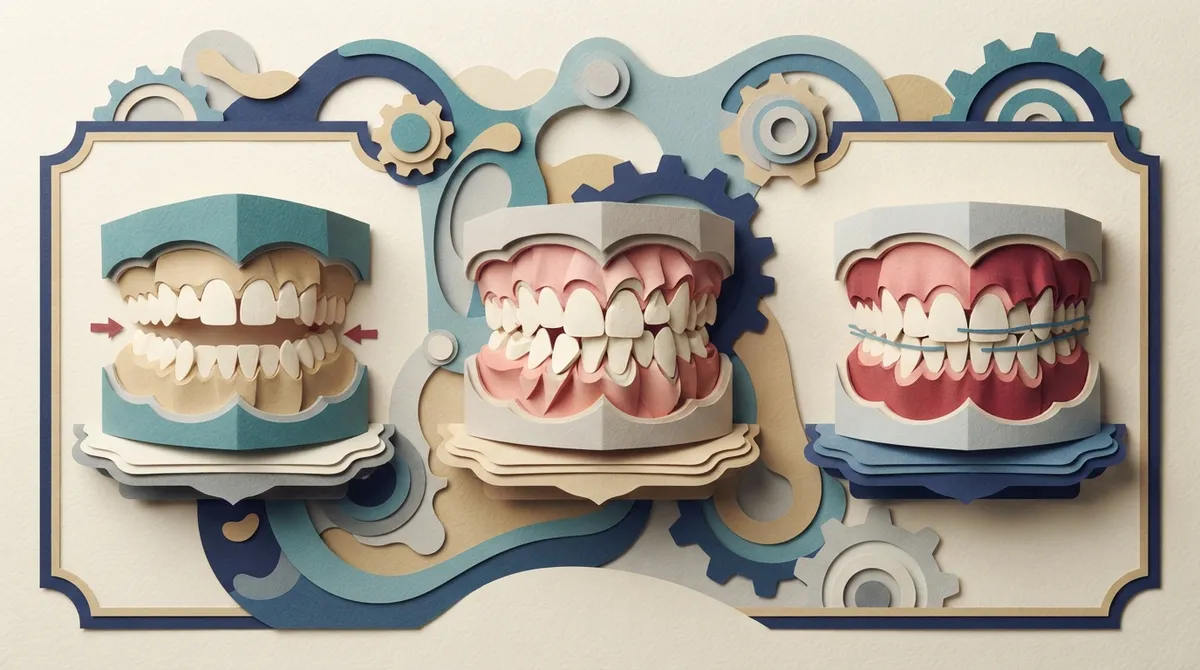
Class I is the most common type. Your bite is generally normal, but you may have crowding, spacing, or rotated teeth. Class II happens when the upper teeth or jaw sit too far forward, often called an overbite. Class III is the opposite, where the lower jaw juts out further than the upper jaw, sometimes called an underbite.
Other Bite Problems
Beyond the three main classes, you might also hear about:
- Open bite, where front teeth don’t touch when the back teeth are closed
- Crossbite, where some upper teeth sit inside the lower teeth
- Crowding, where there isn’t enough room for teeth to fit properly
- Spacing, where gaps exist between teeth
If you’re unsure which type describes your smile, our first visit is designed to answer exactly that question with a full evaluation.
How Orthodontists Diagnose Malocclusion
Diagnosing malocclusion isn’t guesswork. Orthodontists use a mix of visual exams, digital scans, and X-rays to get a full picture of your bite. Here’s what typically happens during a diagnostic visit:
- A visual exam of your teeth, gums, and jaw alignment
- Digital impressions or 3D scans to map out your teeth positions
- X-rays to check root positions and jaw bone structure
- A bite analysis to see how your teeth meet when you chew or speak
- A discussion about your goals, concerns, and treatment timeline
The American Dental Association recommends that children see an orthodontic specialist by age 7, even if a bad bite isn’t obvious yet. Catching issues early can make treatment simpler down the road.
Malocclusion Treatment Options Compared
There’s no single fix for every bad bite. Your treatment depends on your age, the severity of your malocclusion, and whether the problem is with your teeth, your jaw, or both. Here’s a helpful breakdown of common treatment options.
| Treatment Type | Best For | Typical Duration | Visibility |
|---|---|---|---|
| Traditional Metal Braces | Moderate to severe malocclusion, all ages | 18-30 months | Visible |
| Ceramic (Clear) Braces | Mild to moderate cases, teens and adults | 18-30 months | Less visible |
| Spark Clear Aligners | Mild to moderate tooth alignment issues | 12-24 months | Nearly invisible |
| Palatal Expanders | Narrow jaws, crossbite in children | 6-12 months | Not visible externally |
| Headgear | Severe overbite or underbite in growing children | Varies, often 12+ months | Worn part-time, visible |
| Orthognathic Surgery | Severe skeletal jaw discrepancies | Combined with braces, 1-2 years total | Requires recovery time |
Braces: The Tried and True Option
Braces remain the most common way to treat malocclusion, and for good reason. They work on nearly every type of bite issue, from simple crowding to complex jaw discrepancies. Modern brackets are smaller and more comfortable than the braces your parents may have worn.
Learn more about how braces work to correct your bite and straighten your smile over time.
Clear Aligners for Mild to Moderate Cases
If your malocclusion is on the milder side, clear aligners might be a great fit. At Brockway Orthodontics, we offer Spark™ Clear Aligners, a more affordable option that works similarly to other well-known aligner brands. They’re removable, nearly invisible, and popular with teens and busy adults alike.
When Jaw Surgery Becomes Necessary
Some malocclusion cases go beyond the teeth. When the jawbone itself is misaligned, braces alone may not solve the problem. In these situations, orthognathic surgery combined with braces can correct the skeletal issue and give you a functional, comfortable bite.
Malocclusion Treatment for Children: Why Timing Matters
Parents often ask us, “Is my child too young for treatment?” The answer depends on the type of malocclusion. For most kids, general screening is recommended around age 9 to 10, according to orthodontic research reviews. However, some cases benefit from starting even earlier.
For example, children showing signs of developing Class III malocclusion (an underbite pattern) may benefit from early intervention before age 10, according to a recent expert consensus. Catching this early can guide jaw growth in a healthier direction and sometimes reduce the need for surgery later.
Here are signs that suggest your child might benefit from an early orthodontic evaluation:
- Difficulty chewing or biting food
- Teeth that don’t meet properly, like an open bite
- Jaws that shift or make sounds when opening and closing
- Early or late loss of baby teeth
- Thumb sucking habits past age 5
- Speech difficulties related to tooth position
If any of these sound familiar, exploring early treatment options can set your child up for a smoother orthodontic journey. We also offer detailed guidance for adolescent treatment as your child grows into their teen years.
Malocclusion Treatment for Teens and Young Adults
Teenagers often want treatment that fits their lifestyle without slowing them down. Whether it’s for a big event like a graduation photo or just wanting more confidence at school, teens today have more choices than ever.
Both traditional braces and clear aligners can correct malocclusion effectively for teens. The right choice depends on the severity of the bite issue, how responsible your teen is with removable devices, and personal style preferences. Many teens love the discreet look of ceramic braces or Spark Clear Aligners.
Malocclusion Treatment for Busy Adult Professionals
You don’t have to live with a bad bite forever. More adults than ever are seeking treatment, often because they want a straighter smile for career confidence or simply because they never got braces as a kid. Clear aligners are especially popular among working professionals who want a treatment that fits quietly into their schedule.
Our adult treatment options are designed with your busy life in mind, offering flexible visits and discreet appliance choices.
What About Relapse? Treating a Bite That’s Shifted Back
Maybe you had braces years ago, but your teeth have slowly shifted back out of place. This is called relapse, and it’s more common than you might think. It usually happens when retainers aren’t worn consistently after treatment ends.
The good news is that relapse can almost always be treated again. Depending on how much your bite has shifted, your orthodontist might recommend a shorter round of clear aligners or braces to get things back on track. Retreatment is often faster than your original treatment since the movement needed is usually smaller.
The Role of Retainers After Treatment
Here’s something we can’t stress enough: retainers are not optional. After your active malocclusion treatment ends, your teeth want to drift back toward their old positions. Retainers hold everything in place while your bone and gum tissue adjust to the new alignment.
There are a few types of retainers your orthodontist might recommend:
- Removable retainers, worn at night after the first few months
- Fixed retainers, a thin wire bonded behind your front teeth
- Clear retainers, similar in look to clear aligners
To learn more about keeping your results long-term, check out our detailed guide on retainers and how to care for them properly.
How Long Does Malocclusion Treatment Usually Take?
Most patients ask this question first, and it’s a fair one! On average, comprehensive orthodontic treatment for malocclusion takes about 18 to 30 months. However, this timeline can vary quite a bit depending on a few factors.
| Factor | Effect on Treatment Time |
|---|---|
| Severity of malocclusion | More severe cases take longer |
| Patient age | Children’s growing jaws may respond faster to guided treatment |
| Type of appliance | Aligners may work faster for mild cases; braces handle complex movement |
| Patient compliance | Wearing aligners or elastics as directed speeds up results |
| Need for extractions or surgery | Additional steps can extend overall treatment time |
Steps to Getting Started With Malocclusion Treatment
Feeling ready to explore your options? Here’s what the process typically looks like when you visit Brockway Orthodontics for the first time.
- Schedule a consultation to discuss your concerns and goals
- Receive a full exam including digital scans and X-rays
- Review your diagnosis and treatment options with Dr. Brockway
- Choose the treatment plan that fits your lifestyle and budget
- Begin treatment with regular check-in appointments
- Transition into retainer wear once active treatment is complete
We know that starting orthodontic care can feel like a big decision. That’s why our team walks you through every step, using clear language and plenty of patience. You can review our full range of services to see everything we offer under one roof.
Why Choose Brockway Orthodontics for Malocclusion Treatment in Clearwater
Dr. Brockway isn’t just skilled in modern techniques. She genuinely cares about the people behind every smile she treats. From digital impressions instead of messy molds to 3D imaging that plans your treatment precisely, our Clearwater office blends comfort with cutting-edge care.
We also understand that life gets busy, especially for families juggling school, work, and everything in between. That’s why we offer same-day treatment options in certain cases, so you can start your journey without multiple extra visits. Learn more about Dr. Brockway and her passion for the Clearwater community.
Curious what other patients say about their experience? You can visit us on Google — Brockway Orthodontics to read real reviews from families just like yours. We’re proud to be a trusted name for malocclusion treatment across Clearwater, Florida, and the surrounding Pinellas County area. You can also connect with us on Facebook for updates on our practice and patient stories.
Taking Care of Your Oral Health During Treatment
No matter which malocclusion treatment you choose, keeping your mouth healthy during the process matters. Here are a few friendly reminders to keep your smile on track:
- Brush after every meal, especially with braces
- Floss daily, using threaders or water flossers if needed
- Avoid sticky or hard foods that can damage brackets or wires
- Wear your aligners as directed, typically 20-22 hours a day
- Attend all scheduled check-up appointments
- Reach out right away if something feels loose or broken
The Florida Association of Orthodontists emphasizes that consistent oral hygiene during treatment leads to better long-term results and fewer complications.
Ready to Fix Your Bite? Here’s Your Next Step
Malocclusion treatment isn’t just about straighter teeth. It’s about a healthier bite, easier chewing, and a smile you feel proud to share. Whether you’re a parent noticing early signs in your child, a teen wanting a confidence boost, or an adult ready for a second chance at orthodontic care, there’s a treatment path built for you.
At Brockway Orthodontics, we treat every patient like family, because that’s exactly how Dr. Brockway sees her Clearwater community. Ready to learn which malocclusion treatment fits your smile best? Book your appointment online today, or get in touch with our friendly team to ask any questions you might have. Your best smile is closer than you think!
FAQs
Q: What is malocclusion treatment in orthodontics?
A: Malocclusion treatment is the process of correcting how your teeth and jaws fit together when you bite down. It can involve braces, clear aligners, expanders, or in severe cases, jaw surgery. The goal is a healthier, more comfortable bite and a smile you feel great about!
Q: Are braces or clear aligners better for malocclusion?
A: It really depends on your specific bite issue! Braces handle nearly every type of malocclusion, including complex cases, while clear aligners like Spark work best for mild to moderate alignment problems. Dr. Brockway will help you figure out which one fits your smile and lifestyle best.
Q: Can children with malocclusion be treated early?
A: Absolutely, and sometimes early treatment makes a big difference! Kids showing signs of certain bite issues, like an underbite, may benefit from starting treatment before age 10. Early evaluation helps guide healthy jaw growth and can simplify treatment down the road.
Q: How long does malocclusion treatment usually take?
A: Most patients complete treatment in about 18 to 30 months, though this varies based on severity and appliance type. Simple cases with clear aligners might move faster, while complex bites needing surgery take a bit longer. We’ll give you a personalized timeline at your consultation.
Q: Do retainers prevent malocclusion from coming back?
A: Yes, retainers are essential for keeping your new smile in place! Without them, teeth can slowly drift back toward their old positions, a process called relapse. Wearing your retainer as directed is one of the easiest ways to protect your investment in your smile.
Our Service Area