Key Takeaways
-
Use a soft-bristled toothbrush or electric toothbrush with a soft head, holding it at a 45-degree angle to reach plaque around brackets. Hard bristles can damage braces hardware and leave permanent white spots on teeth.
-
Brush for at least 2-3 minutes, 3-5 times daily, spending 30 seconds on each section and covering all three tooth surfaces: outside, inside, and chewing surfaces to prevent cavities and decay.
-
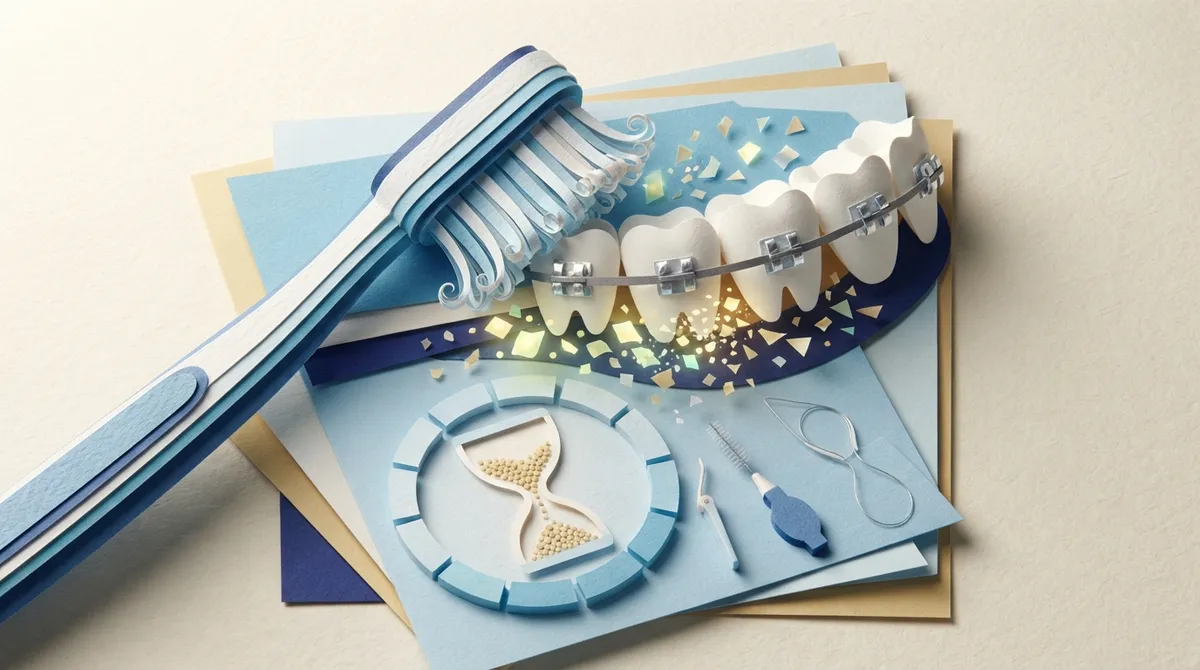
Use specialized tools like proxabrushes, floss threaders, or water flossers to clean hard-to-reach spots between brackets and under wires where food and plaque hide.
-
Neglecting proper brushing with braces can lead to permanent white spot lesions, swollen gums, cavities, and extended treatment time even after braces are removed.
Getting braces is exciting. You’re on your way to a smile you’ll love showing off. But here’s something patients in Clearwater don’t always hear enough: how you brush with braces can make or break your results. Small mistakes with your toothbrush can lead to white spots, swollen gums, or even cavities that stick around long after your braces come off.
The good news? These mistakes are totally avoidable once you know what to watch for. Whether you’re a parent helping your teen build good habits, a busy professional squeezing in braces care between meetings, or an adult getting a second chance at a straight smile, this guide will walk you through exactly how to brush teeth braces the right way. Let’s clear up the confusion and get your smile on track.
Why Brushing With Braces Is Different
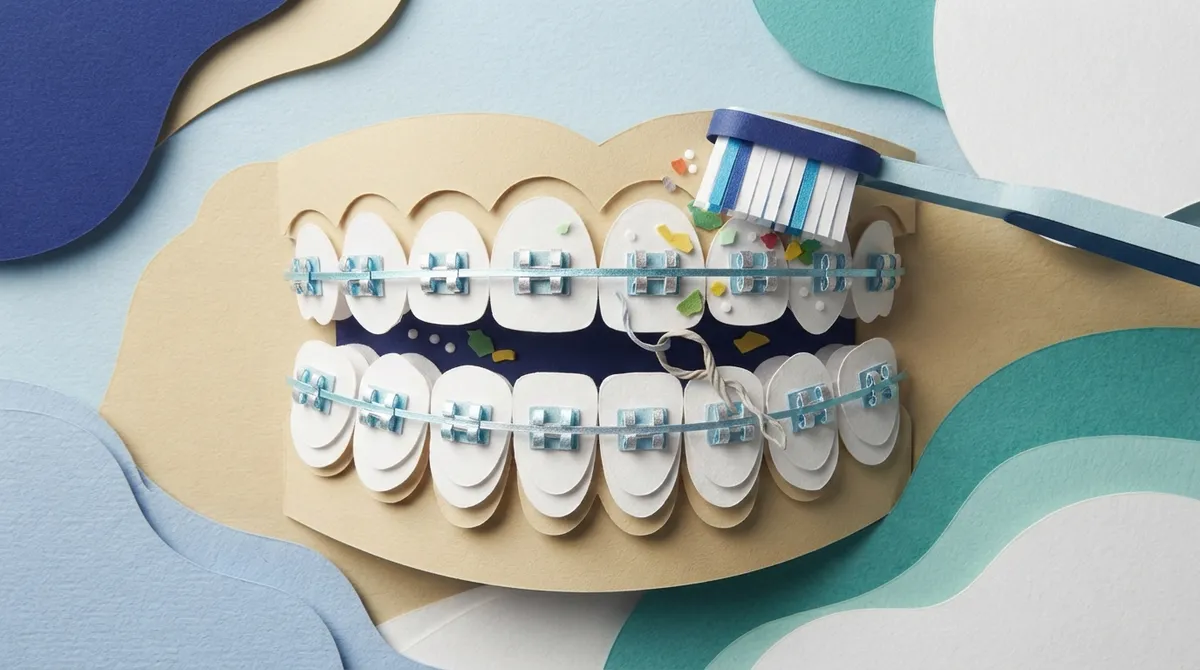
Braces create tiny nooks and crannies where food and plaque love to hide. Brackets, wires, and bands give bacteria more places to grip onto your teeth. Without careful brushing, plaque builds up fast around these spots.
This buildup isn’t just annoying. It can lead to permanent white spots on your teeth, puffy or bleeding gums, and even cavities. That’s why the American Dental Association and orthodontic experts everywhere stress that braces wearers need a slightly different brushing routine than people without braces.
Mistake 1: Using the Wrong Toothbrush
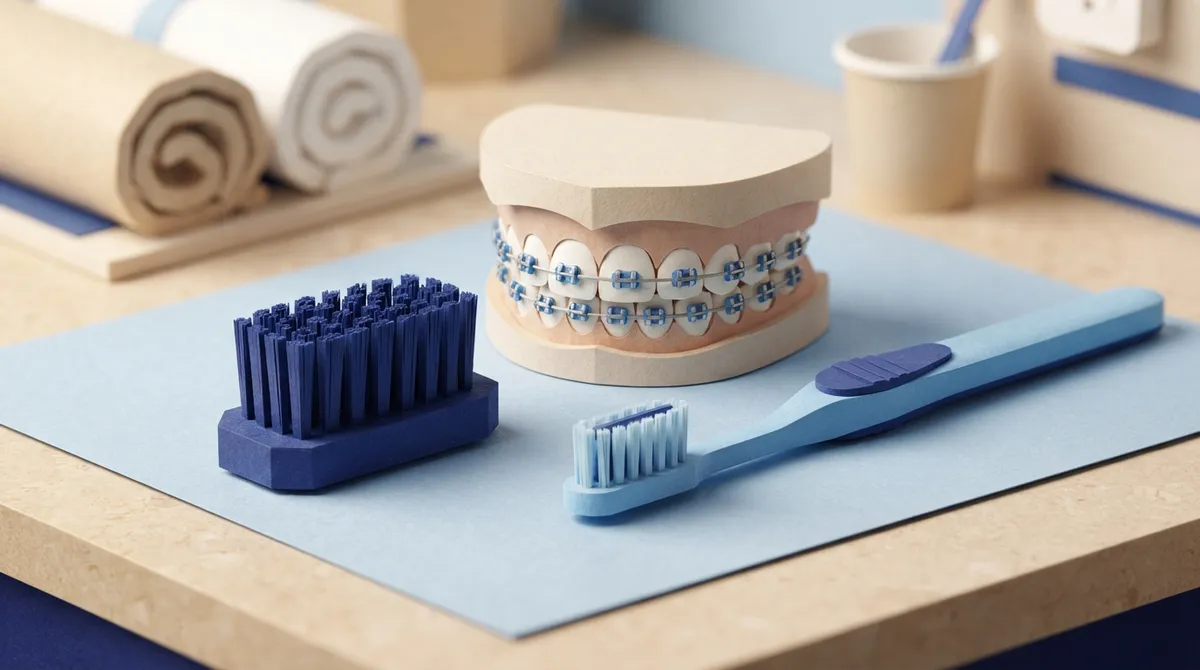
One of the biggest mistakes people make is grabbing any old toothbrush and going to town. Hard bristles might feel like they clean better, but they can actually damage brackets and wires over time.
What to Use Instead
Stick with a soft-bristled toothbrush. It’s gentle enough to protect your braces hardware while still lifting away plaque. Many patients also find that an electric toothbrush with a soft head works wonders, since the vibrating motion helps dislodge food particles stuck around brackets.
- Soft-bristled manual toothbrush for gentle, controlled cleaning
- Electric toothbrush with a small, soft head for tight spaces
- Interdental or proxabrush for between brackets and wires
- Fluoride toothpaste to help strengthen enamel
If you’re not sure which option fits your lifestyle, our team can walk you through it during your first visit at Brockway Orthodontics.
Mistake 2: Skipping the Right Angle and Technique
Brushing straight across your teeth like you always have? That’s mistake number two. With braces, you need to angle your brush to actually reach the plaque hiding around each bracket.
How to Brush Teeth With Braces Step by Step
- Hold your toothbrush at a 45-degree angle toward your gumline.
- Brush above each bracket using small circular motions.
- Move the brush below each bracket, again using gentle circles.
- Angle the brush to clean around the sides of each bracket and wire.
- Brush the chewing surfaces of your back teeth thoroughly.
- Finish by brushing the inside surfaces of your teeth, near your tongue and roof of your mouth.
Some orthodontic guidance recommends spending about 30 seconds on each section of your mouth. If you use a power brush, hold each position for at least 5 seconds before moving on. This extra care ensures you’re not just brushing the front of your braces and missing everything else.
Mistake 3: Rushing Through Brushing Time
We get it. Mornings are busy, and nobody wants to spend forever at the sink. But rushing is one of the most common mistakes braces wearers make.
A proper brushing session should take at least 2 to 3 minutes. Some pediatric orthodontic guidance even recommends brushing 5 times a day for at least 5 minutes each time while wearing braces. That might sound like a lot, but breaking it into smaller sessions after meals makes it manageable.
Quick Reference: Brushing Frequency Guide
| Situation | Recommended Action |
|---|---|
| After breakfast, lunch, and dinner | Brush for 2-3 minutes minimum |
| After snacks (when brushing isn’t possible) | Rinse thoroughly with water |
| Before bed | Brush thoroughly, including flossing or interdental cleaning |
| Total daily brushing sessions | At least 3-5 times per day |
Setting a timer on your phone can help you stay honest about how long you’re actually brushing. Teens especially benefit from this trick since it turns brushing into less of a guessing game.
Mistake 4: Ignoring Hard-to-Reach Spots
Even with great technique, brackets and wires create blind spots that a regular toothbrush just can’t reach. Skipping these areas is a mistake that can quietly cause damage over months of treatment.
Tools That Help You Reach Everything
- Proxabrush (interdental brush) for cleaning between brackets
- Floss threaders or orthodontic floss picks for under the wire
- Water flossers to blast away debris in tight spaces
- Fluoride mouthwash to reach areas your brush might miss
Using a proxabrush takes a little practice, but it’s one of the best tools for cleaning around hard-to-reach areas. Gently guide it between brackets and under the wire, moving it back and forth to loosen trapped food and plaque.
Mistake 5: Not Cleaning Every Tooth Surface
Many people focus only on the front of their teeth since that’s where the brackets are most visible. But your teeth have three surfaces that all need attention: outside, inside, and the chewing surface on top.
Don’t Forget These Surfaces
- Outside surfaces (where most brackets sit)
- Inside surfaces (facing your tongue)
- Chewing surfaces (the tops of your molars and premolars)
Skipping the inside or chewing surfaces means plaque builds up in places you can’t see, which can lead to cavities that show up after your braces come off. A complete brushing routine covers all three surfaces every single time.
Comparing Brushing Tools for Braces
| Tool | Best For | Notes |
|---|---|---|
| Soft manual toothbrush | Everyday brushing | Affordable and gentle on brackets |
| Electric toothbrush | Deeper plaque removal | Great for teens and busy adults |
| Proxabrush | Cleaning between brackets | Small, flexible bristles reach tight spots |
| Water flosser | Rinsing debris from wires | Good addition, not a full replacement for brushing |
Building a Braces-Friendly Routine That Sticks
Consistency matters more than perfection. It’s better to brush well three times a day, every day, than to do an amazing job once and forget the rest of the day. Building a simple routine helps braces wearers of every age stay on track.
Tips for Making Brushing a Habit
- Keep a travel toothbrush and toothpaste in your bag or car
- Set phone reminders for brushing after lunch
- Pack disclosing tablets to reveal spots you missed
- Reward younger kids for consistent at-home care
Parents of children and teens often find that turning brushing into a shared family habit helps everyone stay accountable. If your child is new to braces, our adolescent treatment page has more tips designed just for growing smiles.
What Happens If You Don’t Brush Properly With Braces
Skipping good brushing habits doesn’t just risk a little plaque. Over time, poor hygiene with braces can lead to some frustrating and even painful problems.
- White spot lesions that stay visible even after braces come off
- Swollen, bleeding, or infected gums
- Cavities that require fillings during treatment
- Bad breath that doesn’t go away with mints or gum
- Longer treatment time if oral health issues need addressing first
The Florida Association of Orthodontists emphasizes that good oral hygiene is just as important as wearing your braces correctly. Skipping brushing steps can undo months of progress, which is the last thing anyone wants after committing to treatment.
Special Considerations for Different Patients
Not everyone’s brushing routine looks the same, and that’s okay. Here’s how different patients can adjust their approach.
For Busy Professionals
If you’re managing a demanding career, an electric toothbrush and a travel-sized proxabrush can make quick work of maintaining your smile between meetings. Many adults choose our Spark™ Clear Aligners specifically because they’re easier to keep clean than traditional braces.
For Teens and Young Adults
Life is busy with school, sports, and social events. Keeping a small brushing kit in your backpack makes it easier to stick with good habits, especially before big events like prom or graduation photos.
For Adults Returning for Retreatment
If you’re back in braces after a relapse, you already know the importance of oral hygiene. Applying that experience now will help you get through treatment smoothly and protect your investment in your smile.
How Brockway Orthodontics Supports Your Oral Hygiene Journey
At Brockway Orthodontics in Clearwater, Dr. Brockway and her team believe that education is just as important as the braces themselves. During every appointment, we take time to check in on your brushing routine and offer tips tailored to your specific treatment, whether you have traditional braces or clear aligners.
We also use modern technology, like digital impressions and 3D imaging, to plan your treatment with precision. This means fewer surprises and a smoother path to a healthy, confident smile. Curious what other patients say about their experience? You can visit us on Google — Brockway Orthodontics to read real reviews from our Clearwater community.
Your Next Step Toward a Healthier Smile
Brushing with braces doesn’t have to feel overwhelming. With the right tools, a little patience, and a consistent routine, you can avoid these five common mistakes and protect your smile every step of the way. Dr. Brockway and our team are always here to answer questions and cheer you on through every stage of treatment.
If you’re ready for expert guidance and a friendly team who genuinely cares about your smile, book your appointment online today. We can’t wait to help you keep your braces clean, healthy, and on track for amazing results. You can also follow along with patient stories and smile transformations on our Instagram page for extra inspiration and tips.
FAQs
Q: How do you brush teeth with braces step by step?
A: Start with a soft-bristled brush held at a 45-degree angle toward your gumline. Clean above and below each bracket with small circular motions, then brush the chewing and inside surfaces of every tooth. Don’t forget to spend at least 2-3 minutes on the whole process!
Q: Should I brush after every meal with braces?
A: Brushing after every meal is the gold standard when you have braces, since food loves to hide around brackets and wires. If brushing isn’t possible right away, just rinse well with water and brush as soon as you can. Your teeth (and your orthodontist) will thank you!
Q: Can you use an electric toothbrush with braces?
A: Absolutely, and many of our patients love them! Just make sure to use a soft brush head and go slowly around each bracket so you don’t miss any spots. It’s a great option for anyone wanting a little extra cleaning power.
Q: Do you need special floss or brushes with braces?
A: Yes, tools like a proxabrush or floss threader make a huge difference when you’re navigating wires and brackets. These handy tools help you reach spots a regular toothbrush simply can’t access. We’re happy to show you exactly how to use them at your next visit.
Q: What happens if you don’t brush properly with braces?
A: Skipping good brushing habits can lead to white spots, swollen gums, or even cavities that stick around after your braces come off. Nobody wants that after all the hard work of straightening their smile! That’s why we love helping our patients build habits that protect their results for the long run.
Our Service Area