Key Takeaways
-
Use a soft-bristled toothbrush and hold it at a 45-degree angle to your gumline, positioning the brush to clean both above and below each bracket to reach areas where plaque builds up.
-
Brush after every meal and snack whenever possible, as braces trap food more easily than regular teeth; spend 2-3 minutes or more per session, breaking your mouth into sections of about 30 seconds each.
-
Use gentle circular motions or soft back-and-forth strokes instead of aggressive scrubbing, which can irritate gums and damage brackets; think of it like cleaning delicate jewelry rather than scrubbing a dirty pan.
-
Floss daily using special orthodontic floss threaders, floss picks, or water flossers designed for braces, since brushing alone cannot remove plaque trapped between teeth and under wires.
-
Pay special attention to hard-to-reach areas like molars, the backs of teeth, and inner tooth surfaces where cavities commonly start and food hides easily.
-
Replace your toothbrush every three months or sooner if bristles fray, and keep a travel toothbrush in your bag for on-the-go touch-ups when brushing immediately after meals isn’t possible.
Getting braces is exciting! You’re on your way to a smile you’ll love showing off. But here’s a little secret nobody tells you at your first appointment: brushing with braces is a whole new skill. Those brackets and wires create tiny hiding spots for food and plaque, and if you brush the same way you always have, you might end up with cavities or white spots when your braces come off.
The good news? Learning how to brush teeth properly with braces is simple once you know the right moves. At Brockway Orthodontics in Clearwater, we walk every patient through proper brushing techniques because we want your finished smile to be as healthy as it is beautiful. Let’s go through the most common mistakes patients make and how you can easily avoid every single one of them.
Why Brushing With Braces Is Different
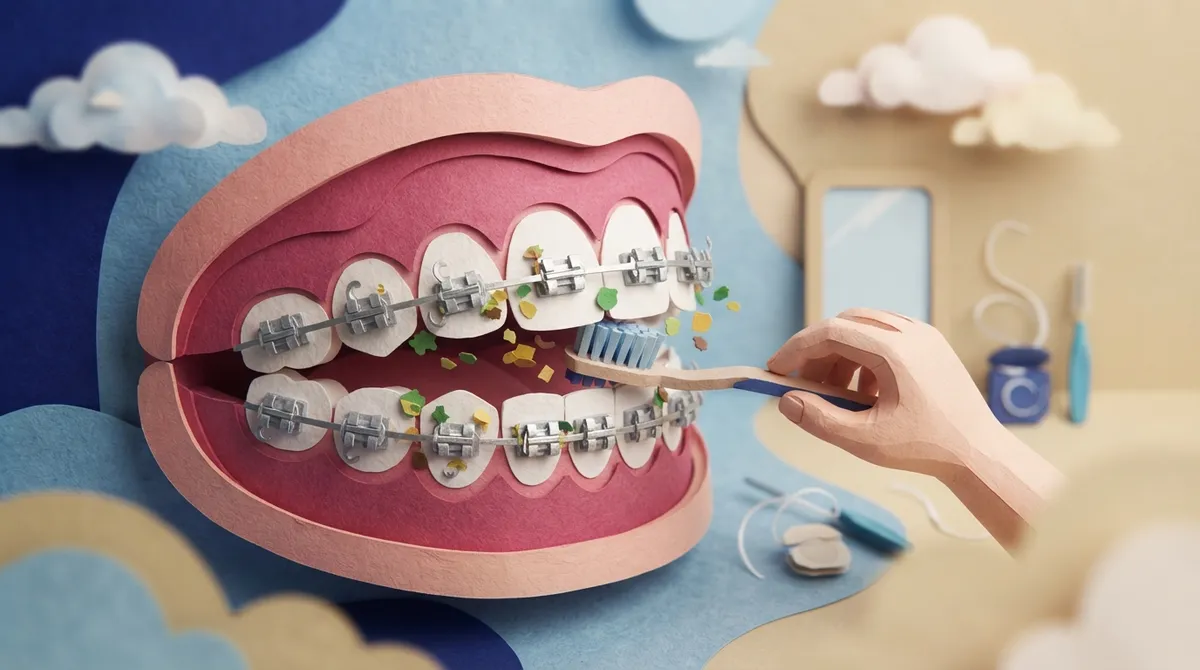
Braces are amazing tools for straightening teeth, but brackets and wires give food and plaque more places to hide. Regular brushing habits just aren’t enough anymore. Without extra care, you risk swollen gums, white spots, and even cavities forming right around your brackets.
That’s why understanding proper brushing habits matters so much during treatment. Whether you’re wearing traditional metal braces or clear ceramic ones, the goal stays the same: keep every surface clean, every single day. If you’re still exploring which option is right for you, our All About Braces page breaks down the choices in simple terms.
Mistake #1: Using the Wrong Toothbrush
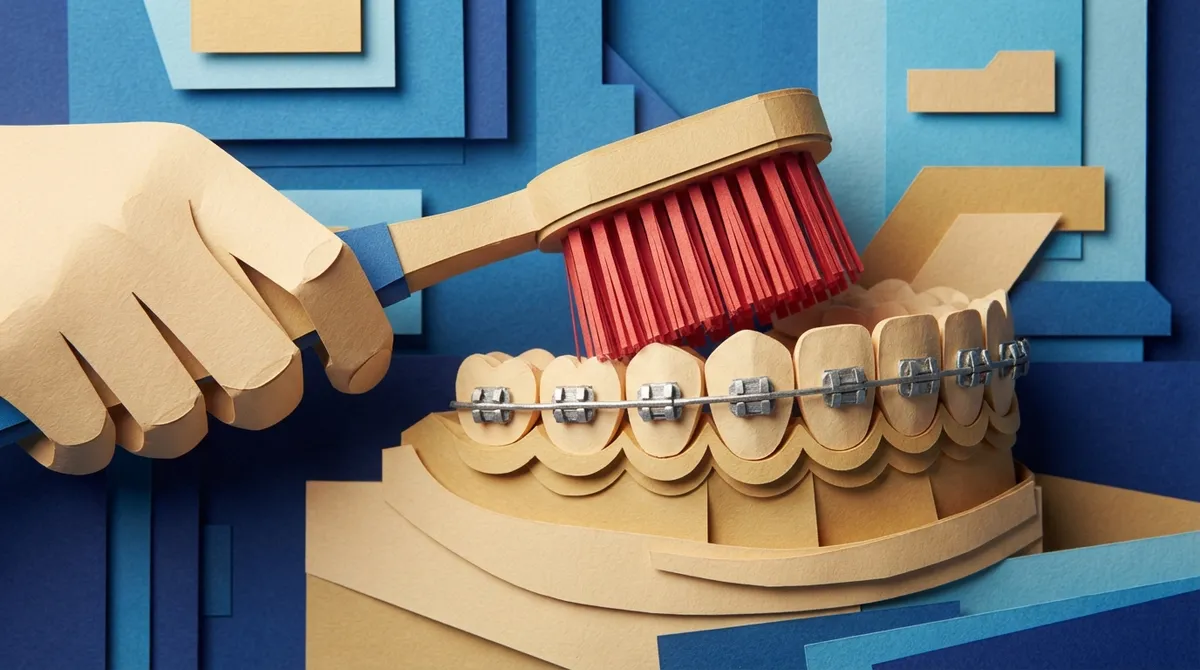
Many patients grab whatever toothbrush is in the bathroom drawer, but that’s a mistake. A soft-bristled toothbrush is the best choice for braces because it cleans gently around brackets and wires without hurting your gums or damaging your appliance.
Hard or medium bristles can actually bend wires or loosen brackets over time. Stick with soft bristles, and replace your brush every three months, or sooner if the bristles start to fray.
Manual vs. Electric Toothbrushes
Both manual and electric toothbrushes can work well with braces, as long as you use a soft brush head and gentle pressure. Many patients find electric toothbrushes helpful because the timer keeps them brushing long enough. Just be sure to move slowly around each bracket instead of letting the brush glide too fast.
| Toothbrush Type | Best For | Things to Watch |
|---|---|---|
| Soft-bristled manual | Precise control around brackets | Requires more time and patience |
| Electric (soft head) | Consistent brushing time | Avoid pressing too hard on brackets |
| Orthodontic brush (V-shaped) | Cleaning around wires easily | May need replacing more often |
Mistake #2: Skipping the Correct Brushing Angle
Here’s a technique tip that makes a huge difference: hold your toothbrush at about a 45-degree angle to your gumline. Then angle the brush to clean both above and below each bracket. This angle helps you reach the tricky spots where plaque loves to build up.
Many people just brush straight across their teeth, completely missing the areas around the brackets. That leftover plaque can lead to permanent white spots on your enamel once your braces come off.
Mistake #3: Scrubbing Too Hard or Too Fast
More pressure does not mean cleaner teeth. In fact, aggressive scrubbing can irritate your gums and even damage your braces. Instead, use small circular motions or gentle back-and-forth strokes.
Think of it like washing a delicate piece of jewelry rather than scrubbing a dirty pan. Gentle, thorough movements clean better than forceful ones, especially around fragile brackets and wires.
Mistake #4: Rushing Through Brushing Time
This is probably the biggest mistake we see at our Clearwater office. Brushing with braces should take longer than brushing without them, usually 2 to 3 minutes or more per session. Some orthodontic guides even recommend up to 5 minutes to make sure every surface gets attention.
Try breaking your mouth into sections and spending about 30 seconds on each one. This simple trick helps you avoid rushing and ensures even coverage everywhere.
A Simple Step-by-Step Brushing Routine
- Rinse your mouth with water first to loosen loose food particles.
- Start with the gumline, brushing gently in small circles.
- Angle the brush to clean above each bracket.
- Angle the brush again to clean below each bracket.
- Brush the chewing surfaces of every tooth.
- Clean the inside surfaces of your teeth, including behind your molars.
- Finish with a fluoride rinse or mouthwash your orthodontist recommends.
Following these steps every time helps build a habit that protects your smile throughout treatment. It only takes a few extra minutes, but it makes a lasting difference.
Mistake #5: Only Brushing Once or Twice a Day
Braces trap food more easily than regular teeth, so brushing twice a day usually isn’t enough. Most orthodontic experts recommend brushing after every meal and snack whenever possible.
We know this sounds like a lot, especially for busy teens and adults juggling school or work schedules. But even a quick brush after lunch can prevent food from sitting on your brackets all afternoon. Keep a travel toothbrush in your bag, backpack, or desk drawer for easy access.
- Brush after breakfast, lunch, and dinner when you can.
- Keep a spare toothbrush at work, school, or in your car.
- Rinse with water immediately if you can’t brush right away.
- Carry travel-size toothpaste for on-the-go touch-ups.
Mistake #6: Forgetting to Floss Around Wires
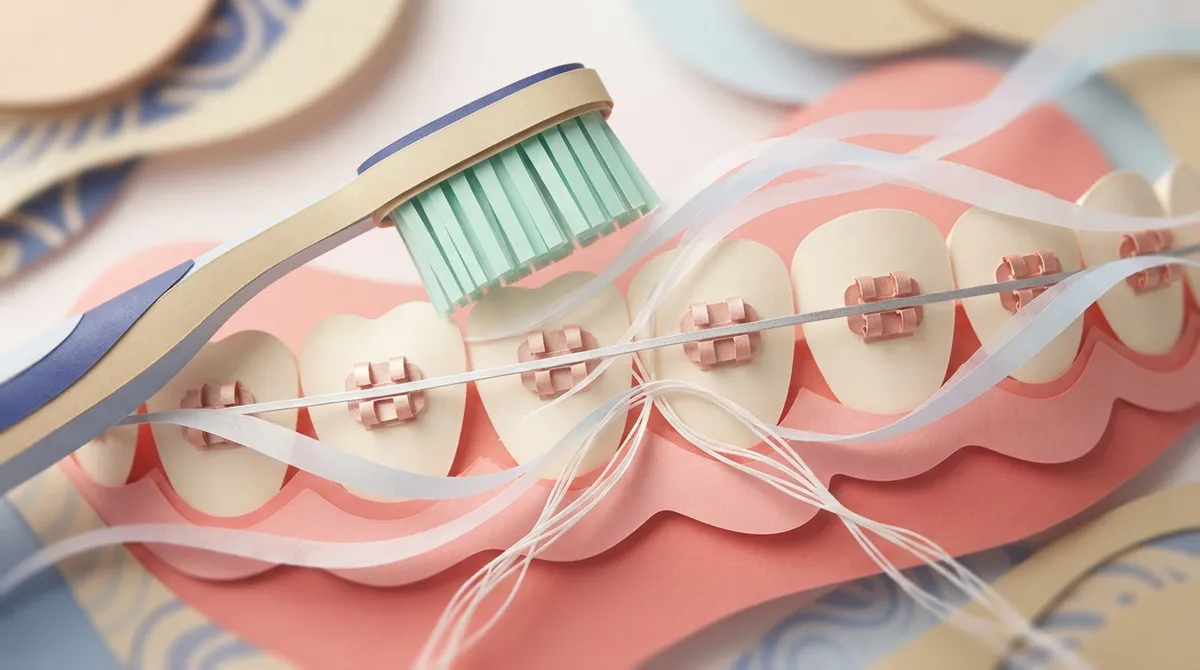
Brushing alone doesn’t remove everything trapped between teeth and under wires. Flossing is still necessary, even though it takes a little extra effort with braces. Special orthodontic floss threaders or floss picks designed for braces make this task much easier.
Skipping this step allows plaque to build up between teeth where your toothbrush simply can’t reach. According to the American Dental Association, daily flossing remains one of the most effective ways to prevent gum disease and cavities, braces or not.
Tools That Make Flossing With Braces Easier
- Floss threaders to guide floss under the wire
- Orthodontic floss picks with a stiff end for easy threading
- Water flossers that use a gentle stream of water
- Interdental brushes for cleaning between brackets
Mistake #7: Ignoring Hard-to-Reach Areas
It’s easy to focus on the front teeth since that’s what you see in the mirror. But molars, the backs of teeth, and areas near your gumline need just as much attention. These hidden spots are often where cavities start.
Take your time working toward the back of your mouth on both sides. Don’t forget the inner surfaces of your front teeth too, since food can hide there without you noticing.
| Area of Mouth | Recommended Focus | Common Mistake |
|---|---|---|
| Front teeth (outer) | Brush above and below brackets | Only brushing bracket surface |
| Molars | Extra time on chewing surfaces | Rushing or skipping entirely |
| Inner tooth surfaces | Small circular motions | Forgetting this area completely |
| Gumline | Gentle 45-degree angle brushing | Brushing too hard or too fast |
What Happens If You Don’t Brush Properly With Braces
Skipping proper brushing habits can lead to a few unwanted surprises. Plaque buildup around brackets can cause swollen, bleeding gums. Over time, this can also lead to white spots on your enamel, which are actually early signs of decay.
In more serious cases, poor brushing habits during treatment can lead to cavities that need fillings once your braces come off. Nobody wants to finish treatment with a beautiful new smile that has spots or stains. Good habits now protect your results later.
- Swollen or bleeding gums during treatment
- Permanent white spots on enamel after braces are removed
- Increased risk of cavities around brackets
- Bad breath from trapped food particles
- Longer treatment time if gum health becomes a concern
Tips From the Brockway Orthodontics Team
Dr. Brockway and our Clearwater team always take time to walk new patients through proper brushing and flossing techniques. We believe education is just as important as the braces themselves. That’s why we explain everything in a friendly, easy-to-understand way at every visit, whether you’re a teen getting your first set of braces or an adult exploring our Spark™ Clear Aligners.
We also recommend checking out helpful resources like the Florida Association of Orthodontists for more general orthodontic care tips. And if you ever have questions between visits, our team is always just a phone call or message away.
Quick Daily Checklist for Braces Care
- Brush after every meal using a soft-bristled brush.
- Angle the brush above and below each bracket.
- Floss at least once daily using a threader or water flosser.
- Rinse with water or mouthwash after eating if you can’t brush.
- Avoid sticky or hard foods that can damage brackets.
- Keep up with regular orthodontic checkups.
- Replace your toothbrush every three months.
How Brockway Orthodontics Supports Your Journey
We’re proud to be a trusted orthodontic office for families throughout Clearwater, Florida. From your very first visit, our team focuses on making sure you understand your treatment and feel confident caring for your smile at home.
We offer traditional metal braces, ceramic braces, and Spark™ Clear Aligners, giving patients options that fit their lifestyle and goals. Whether you’re a parent bringing in your teenager or an adult ready for a smile upgrade, we treat every patient like family. You can even see what our neighbors are saying when you visit us on Google — Brockway Orthodontics.
Curious about what your first appointment looks like? Check out our Your First Visit page to know exactly what to expect before you walk through our doors.
Ready to Start Your Smile Journey?
Learning how to brush teeth properly with braces doesn’t have to be complicated. With the right toothbrush, the correct angle, and a little extra time each day, you can keep your smile healthy throughout treatment. Small habits now lead to a big, beautiful result later.
If you’re ready to begin your orthodontic journey or just have questions about caring for your braces, our friendly Clearwater team is here to help. Book your appointment online today and let Dr. Brockway and our team guide you every step of the way. You can also contact us anytime with questions about your care. Follow along for more smile tips on Instagram and stay connected with our community on Facebook.
FAQs
Q: How often should you brush your teeth with braces?
A: We recommend brushing after every meal and snack whenever possible, since braces trap food more easily than regular teeth. If brushing isn’t possible right away, rinsing with water helps until you can brush properly.
Q: What kind of toothbrush is best for braces?
A: A soft-bristled toothbrush is your best friend during treatment! It cleans gently around brackets and wires without irritating your gums or damaging your braces.
Q: Should you use an electric toothbrush with braces?
A: Yes, electric toothbrushes can work great as long as you use a soft brush head and move slowly around each bracket. Just avoid pressing too hard so you don’t loosen anything.
Q: Do you need to floss if you have braces?
A: Absolutely, flossing is still essential even with braces on. Tools like floss threaders or water flossers make it much easier to clean between teeth and under wires.
Q: Can braces cause white spots on teeth?
A: They can, but only if plaque builds up around brackets over time without proper brushing. The good news is that consistent brushing and flossing habits prevent this completely!
Our Service Area