Key Takeaways
-
Hold your toothbrush at a 45-degree angle and use small circular motions above and below each bracket for 2-3 minutes total, spending about 30 seconds per mouth section to avoid damaging wires or brackets.
-
Brush after every meal or at least 3 times daily with braces, as brackets and wires create hiding spots for food and plaque that can lead to cavities, white spots, or swollen gums if left uncleaned.
-
Use a soft-bristled toothbrush (manual or electric), interdental brush, floss threader, and consider a water flosser to effectively clean around brackets, wires, and between teeth where plaque builds up quickly.
-
Avoid hard scrubbing strokes, skipping flossing, and brushing too quickly, as these common mistakes can loosen brackets, irritate gums, or miss plaque buildup that causes treatment delays and dental problems.
-
Pack a portable brushing kit with travel toothbrush, mini toothpaste, and floss threaders at school or work to make brushing after meals a quick habit instead of skipping it throughout the day.
-
Daily flossing with a floss threader is essential even with braces because brushing alone cannot remove all plaque between teeth and under wires, which can lead to gum inflammation and treatment complications.
Getting braces is exciting! You’re on your way to a smile you’ll love. But here’s something new patients often ask us at Brockway Orthodontics: “How do I even brush my teeth now?” It’s a fair question. Brackets and wires create tiny hiding spots for food and plaque. If you brush the same way you always have, you might miss those spots completely. The good news? Learning how to brush braces the right way is simple once you know a few key tricks. In this guide, we’ll walk you through everything, from choosing the right toothbrush to mastering the angles that keep your teeth and gums healthy through your whole treatment. Whether you’re a parent helping your child adjust, a teen prepping for picture day, or an adult juggling braces with a busy career, this guide has you covered.

Why Brushing With Braces Takes Extra Care
Braces do amazing work moving your teeth into place. But brackets, bands, and wires also give food and bacteria more places to stick around. Without careful brushing, plaque builds up fast around these areas.
Over time, that trapped plaque can lead to white spots, cavities, or swollen gums. Nobody wants to finish treatment with a straight smile that has stains on it. That’s why learning proper technique matters just as much as showing up for your first visit and follow-up appointments.
The American Dental Association recommends thorough daily brushing for everyone, but braces wearers need to be even more thoughtful about their routine. Small habits now protect your smile for years to come.

What You Need Before You Start Brushing
Having the right tools makes brushing with braces so much easier. Here’s what we recommend keeping on hand:
- A soft-bristled toothbrush (manual or electric)
- Fluoride toothpaste
- An interdental brush or proxy brush for tight spots
- Floss threaders or orthodontic floss
- A travel toothbrush kit for brushing away from home
- A mirror to check your work
Some patients also like using a water flosser to rinse away loose debris before brushing. It’s not a replacement for brushing, but it can make the job a little easier.
Choosing the Best Toothbrush for Braces
A soft-bristled brush is the safest choice. Hard bristles can scratch enamel and even loosen brackets over time. Some orthodontic offices also recommend brushes shaped specifically for braces, with bristles cut at an angle to fit around brackets.
Electric toothbrushes can work well too, as long as you use them gently and take your time. Just be careful not to bump the brush head hard against your wires or brackets, since this can cause discomfort or damage.
How to Brush Braces Step by Step
Here’s a simple routine you can follow every time you brush. It only takes a couple extra minutes compared to regular brushing.
- Rinse your mouth first with water to loosen loose food particles.
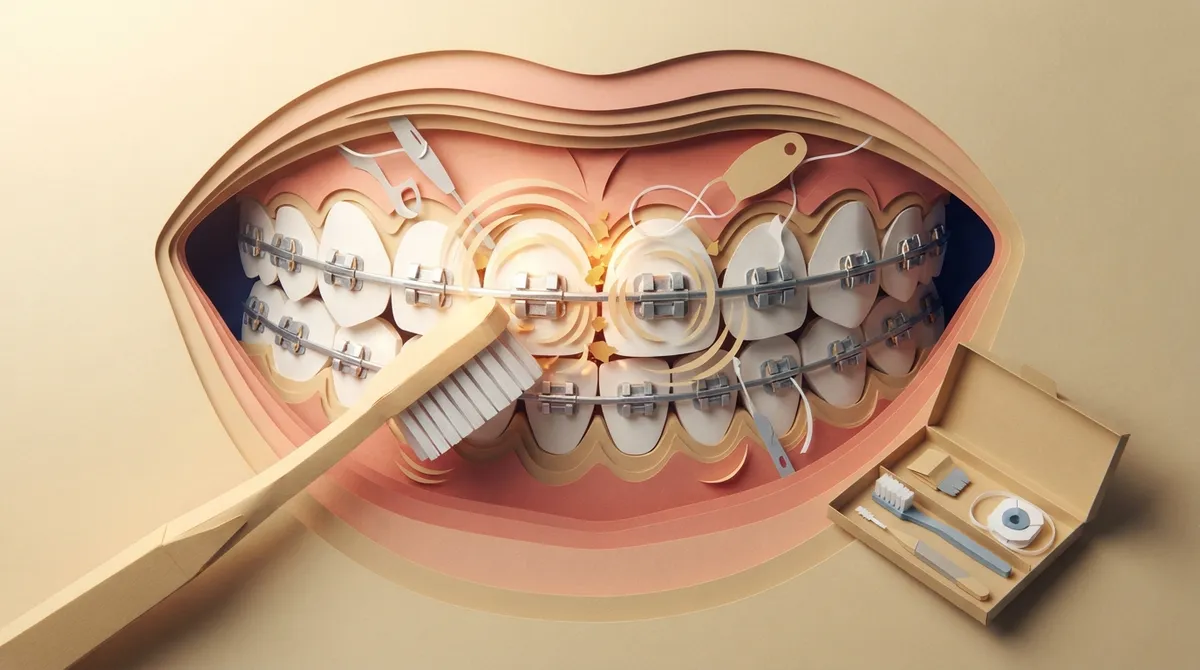
- Hold your toothbrush at a 45-degree angle to your gumline.
- Brush the top of each bracket using small circular motions.
- Tilt the brush downward and clean underneath each bracket too.
- Move along the wire, brushing gently above and below it the whole way across.
- Brush the outside, inside, and chewing surfaces of every tooth.
- Finish by brushing your tongue and rinsing well.
Take your time with each section of your mouth. Many orthodontic professionals suggest spending about 30 seconds per section, adding up to two to three minutes total. That might feel long at first, but it becomes second nature quickly.
Small Circular Motions Matter
Big, hard scrubbing strokes can bend wires or pop off brackets. Gentle, small circles let the bristles slip around each bracket without causing damage. Think of it like painting fine details rather than rolling a wall.
This gentler approach also protects your gums. Braces already put pressure on your teeth as they shift, so your gums can be a little more sensitive. Being gentle keeps brushing comfortable instead of painful.
How Often Should You Brush With Braces?
Most orthodontic guidance recommends brushing at least twice a day, but braces wearers often benefit from brushing more often. Here’s a quick breakdown of common recommendations:
| Recommendation Source | Suggested Frequency |
|---|---|
| General dental guidance | Twice daily, minimum |
| Orthodontic braces care | After every meal or 3 times daily |
| Children with braces | Up to 4 times daily |
| Minimum brushing time | At least 2 minutes per session |
Brushing after meals helps remove food before it has a chance to sit around your brackets all day. If you can’t brush right after eating, at least rinse your mouth with water until you can brush properly.
Packing a Braces Care Kit
For teens and busy professionals, keeping a small kit in your bag or desk drawer makes this easier. Include a travel toothbrush, mini toothpaste, and floss threaders. This way, brushing after lunch at school or work becomes a quick, simple habit instead of a hassle.
Cleaning Around Brackets and Wires the Right Way
Brackets and wires create little ledges where food loves to hide. Here’s how to make sure you’re not missing anything:
- Angle your brush above the bracket, then below it, covering both sides
- Use an interdental brush to clean between the wire and your gumline
- Check your smile in the mirror after brushing to spot any missed areas
- Floss daily using a floss threader to get between teeth and under wires
- Consider a water flosser for extra rinsing power between brushing sessions
Many patients find that flossing feels tricky at first with braces. It does take more effort, but it’s just as important as brushing. Skipping it can leave plaque behind that brushing alone won’t remove.
Common Brushing Mistakes to Avoid
Even patients who mean well sometimes fall into habits that hurt their progress. Watch out for these common mistakes:
- Brushing too hard, which can loosen brackets or irritate gums
- Skipping brushing after snacks or sugary drinks
- Only brushing the front teeth and ignoring back molars
- Using a worn-out toothbrush with frayed bristles
- Forgetting to floss because it feels difficult with wires in the way
- Rushing through brushing in under a minute
If you notice any of these habits creeping in, don’t worry. It happens to almost everyone at some point. The key is catching it early and adjusting your routine before it becomes a bigger issue.
Comparing Brushing Tools for Braces
Choosing the right tools can make a big difference in how easy (and effective) your brushing routine feels. Here’s a simple comparison:
| Tool | Best For | Things to Know |
|---|---|---|
| Manual soft-bristled brush | Everyday brushing | Affordable and gentle on brackets |
| Electric toothbrush | Thorough plaque removal | Use gently around brackets |
| Interdental brush | Cleaning around wires | Great for tight spaces |
| Water flosser | Rinsing food particles | Not a full flossing replacement |
| Floss threader | Flossing between teeth | Takes practice but very effective |
Tips for Parents Helping Kids Brush With Braces
If your child just got braces, they might need a little extra help at first. Here are some friendly tips that make the process smoother:
- Set a timer for two minutes so brushing feels like a game, not a chore
- Use a mirror together so your child can see what they’re cleaning
- Praise progress, even small improvements in technique
- Pack a travel kit for school lunches
- Schedule regular checkups to catch any issues early
Learning good habits early sets kids up for lifelong oral health. If your child is just starting adolescent treatment, our team is always happy to demonstrate proper technique during appointments.
Brushing Tips for Adults and Busy Professionals
Adult patients often juggle braces with work meetings, travel, and social events. The good news is that a solid brushing routine doesn’t have to take much time out of your day.
Keep a compact brushing kit at your desk or in your car. Many adults find that Spark™ Clear Aligners offer a more discreet option with easier cleaning, since you simply brush your teeth and rinse your aligners separately. If you’re weighing your options, our team can walk you through the differences during a consultation.
For those who chose traditional braces or ceramic braces for a more affordable path, sticking to a consistent brushing schedule keeps your treatment on track and your smile looking its best the whole way through.
Why Consistent Brushing Supports Your Treatment Timeline
Good oral hygiene doesn’t just protect your teeth. It actually supports your treatment goals too. Plaque buildup can inflame gums, which sometimes slows progress or causes discomfort during adjustments.
Sticking with a solid brushing routine helps keep your braces treatment moving smoothly. Combined with regular visits to your orthodontist, you’re setting yourself up for the best possible results once your braces come off.
The Florida Association of Orthodontists also emphasizes that good hygiene habits during treatment help patients avoid extra dental work later. It’s a simple daily investment with a big long-term payoff.
When to Ask Your Orthodontist for Help
Sometimes brushing questions come up between visits. Maybe a bracket feels loose, or you’re not sure if you’re cleaning a certain spot correctly. Don’t hesitate to reach out.
At Brockway Orthodontics in Clearwater, we love helping patients feel confident about their home care routine. Dr. Brockway and her team are always ready to show you proper technique, answer questions, and adjust your care plan as needed.
You can also check out Visit us on Google — Brockway Orthodontics to see how other families in our community feel about their experience with us. We’re proud to be a trusted part of the Clearwater community.
Building a Lifelong Habit
The brushing skills you build during braces treatment don’t just disappear once your braces come off. They set the foundation for great oral health for years to come. Many patients tell us they actually become better brushers because of the extra attention braces require.
Think of this time as training for a healthier smile long after your treatment ends. You’ll walk away not just with straighter teeth, but with habits that keep your whole mouth healthier too.
Follow us on Instagram or Facebook for more tips, patient stories, and smile transformations from our Clearwater office.
Ready to Feel Confident About Your Brushing Routine?
Learning how to brush braces properly doesn’t have to feel overwhelming. With the right tools, a little patience, and a solid routine, you’ll protect your smile every step of the way through treatment. Our team at Brockway Orthodontics is always here to answer questions and guide you through every part of your journey, from your very first appointment to the day your braces come off.
If you have questions about your brushing routine or want personalized tips from our team, feel free to get in touch with our team anytime. And if you’re just starting to explore your orthodontic options, we’d love to help you take that first step. Book your appointment online today and let’s start building your best smile together.
FAQs
Q: How do you brush your teeth with braces correctly?
A: Hold your brush at a 45-degree angle and use small circular motions above and below each bracket. Take your time cleaning every surface, including the wire, and finish with a gentle brush of your tongue and gums. It sounds like a lot, but it becomes second nature after a week or two!
Q: What type of toothbrush is best for braces?
A: A soft-bristled toothbrush is your best friend during treatment. Some patients also love orthodontic-specific brushes with angled bristles, and a gently used electric toothbrush can work great too.
Q: Should you brush after every meal with braces?
A: Brushing after every meal is ideal since food loves to hide around brackets and wires. If that’s not always possible, rinsing with water until you can brush is a helpful backup plan.
Q: How long should you brush your teeth with braces?
A: Aim for at least two minutes each time you brush, and up to three minutes when you’re first learning the technique. Spending about 30 seconds per section of your mouth helps you cover everything thoroughly.
Q: Do you still need to floss if you have braces?
A: Yes, flossing is still essential, even though it takes a bit more effort with wires in the way. Using a floss threader or water flosser daily helps remove plaque that brushing alone can’t reach.
Our Service Area