Key Takeaways
-
Without consistent retainer use, 40-90% of patients experience noticeable tooth relapse within ten years after treatment, making retention a critical phase rather than an optional step.
-
Part-time nighttime retainer wear can be as effective as full-time wear for many patients, allowing gradual transition from full-time to nighttime-only use after initial months of treatment.
-
Fixed bonded retainers may provide superior long-term alignment compared to removable retainers, though removable options offer easier cleaning and lifestyle flexibility depending on your relapse risk category.
-
Your personalized retention plan should be based on specific relapse risk assessment (low, moderate, or high risk), treatment history, age, bite pattern, and personal habits like teeth grinding.
-
Regular check-ups within three months after getting a retainer, followed by 2-4 visits over 1-2 years, are essential to detect shifting early and adjust your retainer as needed.
-
Teeth can shift throughout life due to aging, growth, and daily bite forces, making prolonged or lifelong retention routine and fixable even after years of previous successful orthodontic treatment.
So you finally got your braces off, or you just finished your last aligner tray. Congratulations! That new smile feels amazing, doesn’t it? But here’s a little secret Dr. Brockway wants every patient to know: finishing active treatment is not the finish line. It’s actually the start of a brand new phase called retention. Understanding retention in orthodontics is the key to keeping that gorgeous smile you worked so hard for. Skip this part, and your teeth might slowly drift back toward where they started. Nobody wants that after months (or years) of hard work!
At Brockway Orthodontics in Clearwater, we treat retention as a serious part of your care plan, not an afterthought. We’re breaking down everything you need to know into nine friendly, easy-to-digest facts. Whether you’re a parent watching your teen finish treatment, an adult professional who just invested in a straighter smile, or someone dealing with relapse from years ago, this guide is for you. Let’s dive in!
1. Retention Is a Real Phase of Treatment, Not an Extra Step
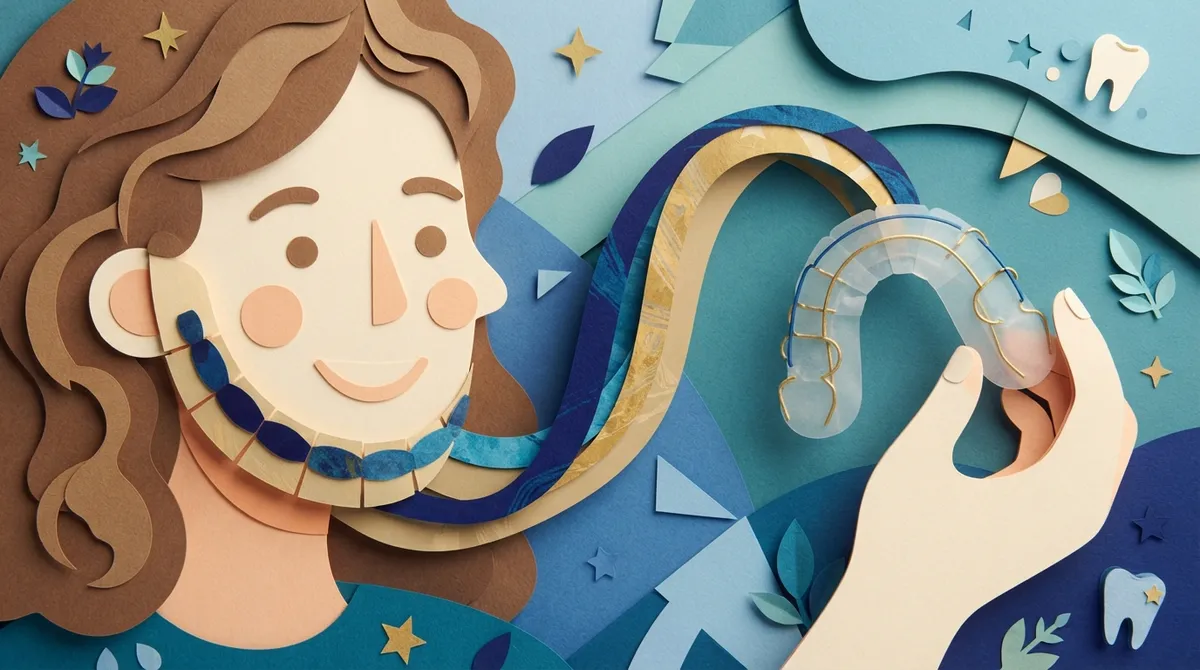
Retention in orthodontics simply means the period after braces or clear aligners come off. During this time, you wear a retainer to hold your teeth in their new, corrected positions. Think of it like the drying time after painting a room. The paint (your treatment) looks great right away, but it needs time to fully set before you can trust it to stay put.
Your orthodontic treatment moved your teeth into a healthier, more attractive position. But the bone, gums, and tissue around your teeth need time to adjust and stabilize. That’s exactly what retention helps accomplish.
2. Relapse Is a Real Risk Without Proper Retention
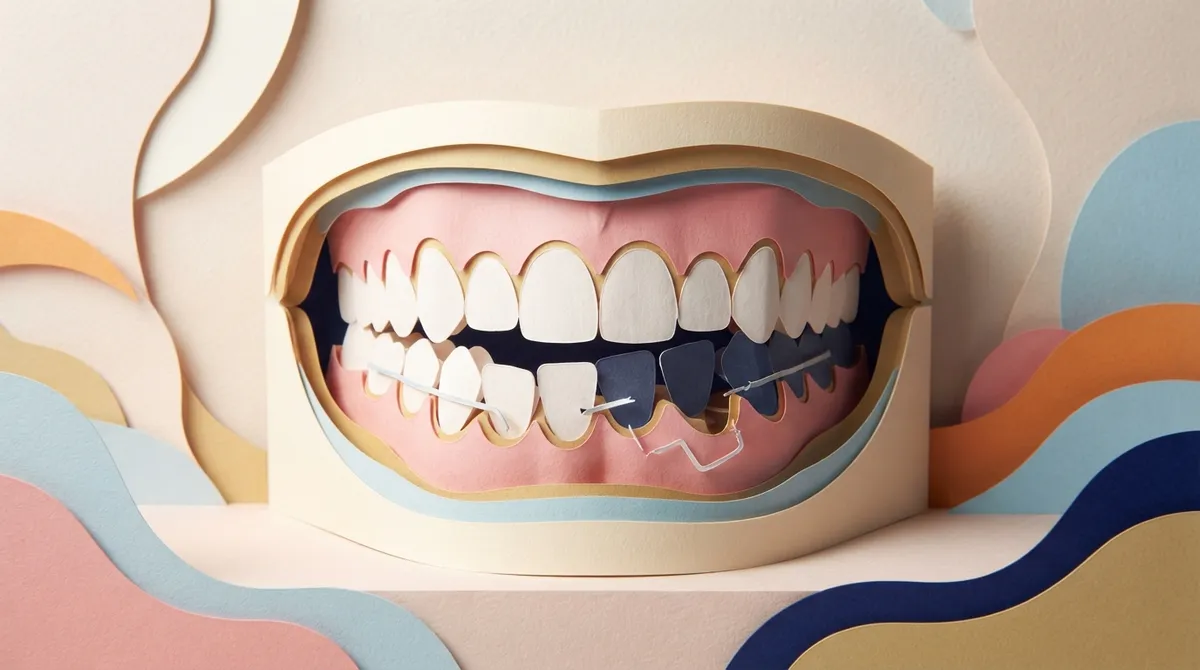
Here’s something that surprises a lot of patients: teeth can move back toward their old positions even after successful treatment. This is called relapse, and it happens because of natural forces in your mouth.
A few reasons relapse can happen include:
- Periodontal fibers around the teeth naturally pull them back toward old positions
- Pressure from chewing and biting shifts teeth over time
- Normal aging causes changes in jaw and tooth position
- Growth changes, especially in younger patients, continue after treatment ends
- Wisdom teeth coming in can crowd nearby teeth
According to research cited by the American Association of Orthodontists, somewhere between 40% and 90% of patients had noticeably crooked teeth again ten years after finishing treatment without consistent retainer use. That’s a huge range, and it shows just how important your retainer really is.
3. There’s No One-Size-Fits-All Retention Plan
Every smile is different, so every retention plan should be different too. Dr. Brockway designs a custom plan based on your specific treatment, your bite, and your risk of relapse. What works well for your neighbor might not be the best plan for you.
Factors that shape your personal retention plan include:
- How crowded or spaced your teeth were before treatment
- Whether you had braces or clear aligners
- Your age and whether you’re still growing
- Your bite pattern and jaw alignment
- Your personal habits, like teeth grinding
4. There Are Two Main Types of Retainers
Once your active treatment wraps up, you’ll choose between removable and fixed retainers. Both do the same basic job, but they work differently day to day.
| Retainer Type | How It Works | Best For |
|---|---|---|
| Hawley Retainer (removable) | Wire and acrylic piece that clips over teeth | Patients who want adjustability and durability |
| Vacuum-Formed Retainer (removable) | Clear plastic tray molded to your teeth | Patients who prefer a nearly invisible look |
| Fixed Bonded Retainer | Thin wire glued behind front teeth | Patients with high relapse risk or lower front teeth |
Our retainer options page walks through each type in more detail, so you can see photos and get a better feel for what might work for your lifestyle.
5. Fixed and Removable Retainers Work Differently Over Time
Here’s an interesting fact from recent research. Fixed and removable retainers seem to work about the same in the short term. But over a longer period, fixed retainers may do a slightly better job keeping teeth perfectly aligned.
That said, removable retainers still have real advantages. They’re easier to clean around, and you can take them out for meals. The right choice really depends on your daily habits and how disciplined you are about wearing them consistently.
6. Part-Time Wear Can Work Just As Well As Full-Time Wear
Good news for anyone dreading a lifetime of full-time retainer wear! An evidence-based overview published in the British Dental Journal in 2021 found that part-time wear of removable retainers can be just as effective as full-time wear for many patients.
Here’s a general timeline many orthodontists follow:
- Full-time wear (except eating and brushing) for the first few months after treatment
- Gradual transition to nighttime-only wear
- Nighttime wear continued long-term, often for years
- Periodic check-ins to confirm your teeth are staying put
Dr. Brockway will tell you exactly which stage you’re in and when it’s safe to cut back on wear time. Never make that call on your own without checking in first.
7. Regular Check-Ups Keep Your Retention Plan on Track
Getting a retainer isn’t a “set it and forget it” situation. Current orthodontic retention guidelines recommend your first retainer check-up within about three months of getting it. After that, expect two to four more follow-up visits over the next one to two years.
During these visits, we check for:
- Proper retainer fit and any needed adjustments
- Signs of shifting or relapse
- Wear and tear on the retainer itself
- Overall gum and tooth health
If you’re not sure when your next check-up is due, reach out to our team and we’ll get you scheduled.
8. Your Relapse Risk Level Determines Your Retention Strategy
Orthodontic guidelines break patients into three general relapse risk categories, and each one calls for a slightly different retention approach.
| Relapse Risk Level | Recommended Upper Retention | Recommended Lower Retention |
|---|---|---|
| Low Risk | Removable retainer | Fixed retainer |
| Moderate Risk | Fixed retainer | Fixed retainer |
| High Risk | Dual retention (fixed plus removable) | Dual retention (fixed plus removable) |
Dr. Brockway will assess your specific case and let you know which category fits you best. This isn’t guesswork. It’s based on your treatment history and how your teeth respond during your first visit and follow-up care.
9. Retention Really Is a Long-Term (Sometimes Lifelong) Commitment
This might be the most important fact on our list. Teeth can keep shifting throughout life, not just in the first year after treatment. Growth, aging, and even normal daily forces on your teeth never really stop.
Many orthodontists now consider prolonged retention completely routine. That’s why fixed retainers have become the most commonly used retention method in recent studies looking at long-term results and patient satisfaction. If you had treatment years ago and now notice shifting, you’re not alone. This is common, and it’s fixable.
What to Do If Your Teeth Have Already Shifted
If you’re reading this because your smile has drifted since your last orthodontic treatment, take a breath. This happens to plenty of people, and it doesn’t mean anything went wrong with your original care. It just means your retention plan may need an update.
Here’s what we recommend:
- Schedule a consultation to assess how much shifting has occurred
- Discuss whether a new retainer or a short round of treatment makes sense
- Explore options like Spark Clear Aligners for a discreet fix
- Set up a fresh retention plan designed to last
Adults dealing with relapse are some of our most common patients here in Clearwater. Whether you’re returning after ten years or just noticed a small shift, we can help get you back on track with adult orthodontic treatment designed for your busy life.
Caring for Your Retainer the Right Way
A retainer only works if you actually take care of it. Here are some simple habits that make a big difference:
- Clean your retainer daily with a soft brush and mild soap or retainer cleaner
- Store removable retainers in their case when not in your mouth
- Keep retainers away from pets, who love chewing on them
- Avoid hot water, which can warp plastic retainers
- Bring your retainer to every dental check-up for a quick inspection
Good hygiene habits protect both your retainer and your overall oral health. The American Dental Association recommends brushing and flossing daily no matter what type of retainer you wear, since food particles can still build up around fixed retainers.
Why Choose Brockway Orthodontics for Your Retention Care
Dr. Brockway believes retention deserves just as much attention as your active treatment. Our Clearwater practice combines modern technology, like digital impressions, with genuinely caring guidance you can trust. We’re proud members of organizations like the Florida Association of Orthodontists, staying current on the best retention practices for every patient we see.
Families throughout Pinellas County trust us because we take time to explain every step, from your very first consultation through years of retainer check-ups. Curious what other patients have to say? You can visit us on Google — Brockway Orthodontics to read real reviews from our community. You can also follow along on Facebook for smile updates and patient stories.
Ready to Protect Your Smile for the Long Run?
Retention in orthodontics isn’t the most exciting part of your smile journey, but it’s honestly one of the most important. Skipping it puts all your hard work at risk. Sticking with your retention plan protects your investment for years to come.
Whether you’re just finishing treatment, need a check-up, or you’re dealing with relapse after previous braces, our Clearwater team is here for you. Book your appointment online today and let’s make sure your smile stays exactly where it belongs.
FAQs
Q: What is retention in orthodontics?
A: Retention is the phase after your braces or clear aligners come off, where you wear a retainer to hold your teeth in place. It’s basically the follow-through that protects all the hard work you already put in!
Q: Why is retention necessary after braces or aligners?
A: Your teeth can naturally drift back toward their old positions because of gum fibers, bite pressure, and everyday aging. Retention helps lock in your beautiful new smile so all that treatment time really pays off.
Q: How long do you have to wear a retainer after treatment?
A: It varies by patient, but many people wear their retainer full-time for a few months, then switch to nighttime wear for years afterward. Dr. Brockway will map out a personalized timeline just for you.
Q: Is a fixed retainer better than a removable retainer?
A: Both work well, though fixed retainers may hold alignment slightly better over the long haul. Removable retainers are easier to clean around, so it really comes down to what fits your lifestyle best.
Q: Can teeth move back even with a retainer?
A: It’s less likely, but not impossible, especially if you skip wearing your retainer as directed. That’s exactly why we schedule regular check-ups to catch any shifting early and keep your smile on track.
Our Service Area