Key Takeaways
-
Active retainers use springs, screws, or elastics to gently move teeth 1-2mm, making them ideal for fixing minor relapse like small gaps, light crowding, or slight rotations without full retreatment.
-
Wear your active retainer at least 10 hours daily during the first year, then 6-8 hours nightly afterward, with orthodontist check-ins every 4 months to ensure proper tooth movement and adjustment.
-
Active retainers cannot fix significant crowding, major bite issues, or large tooth shifts; trying to force major corrections can cause discomfort and uneven pressure on teeth and gums.
-
The fitting process is quick and less involved than braces, involving a consultation, custom design based on your needs, fitting appointment, and periodic adjustments until teeth reach desired position.
-
Clean your active retainer daily with soft toothbrush and lukewarm water, store it in its case when not wearing, and maintain good oral hygiene to prevent buildup and extend appliance lifespan.
-
Active retainers work through gradual, gentle pressure allowing teeth and surrounding bone to adjust safely; rushing this process is harmful, so patience is essential for successful minor tooth corrections.
So your braces just came off, or maybe you’re a few years past treatment and notice a tiny bit of shifting. Your orthodontist mentions an “active retainer” and suddenly you have questions. Is this the same thing as a regular retainer? Does it actually move teeth? Take a breath, because we’re going to walk through this together in plain, friendly terms.
An active retainer is a special type of orthodontic appliance that does a little more than just hold your teeth in place. It gently nudges teeth back into position when there’s minor shifting or small spacing issues. Think of it as a helpful nudge rather than a full-scale move. Whether you’re a parent watching over your teen’s smile, an adult dealing with relapse, or simply curious about your orthodontic options, this guide will help you understand exactly what an active retainer is, how it works, and when your orthodontist might recommend one. At Brockway Orthodontics in Clearwater, we love helping patients feel confident about every step of their smile journey.
What Is an Active Retainer, Really?
Let’s start with the basics. In orthodontics, retention is the phase that happens after your braces or aligners finish their job. This is when appliances help your teeth settle into their new home and stay there long term. A standard, or “passive,” retainer is designed simply to hold teeth still. It doesn’t push or pull anything. It just maintains what your braces or Spark™ Clear Aligners already accomplished.
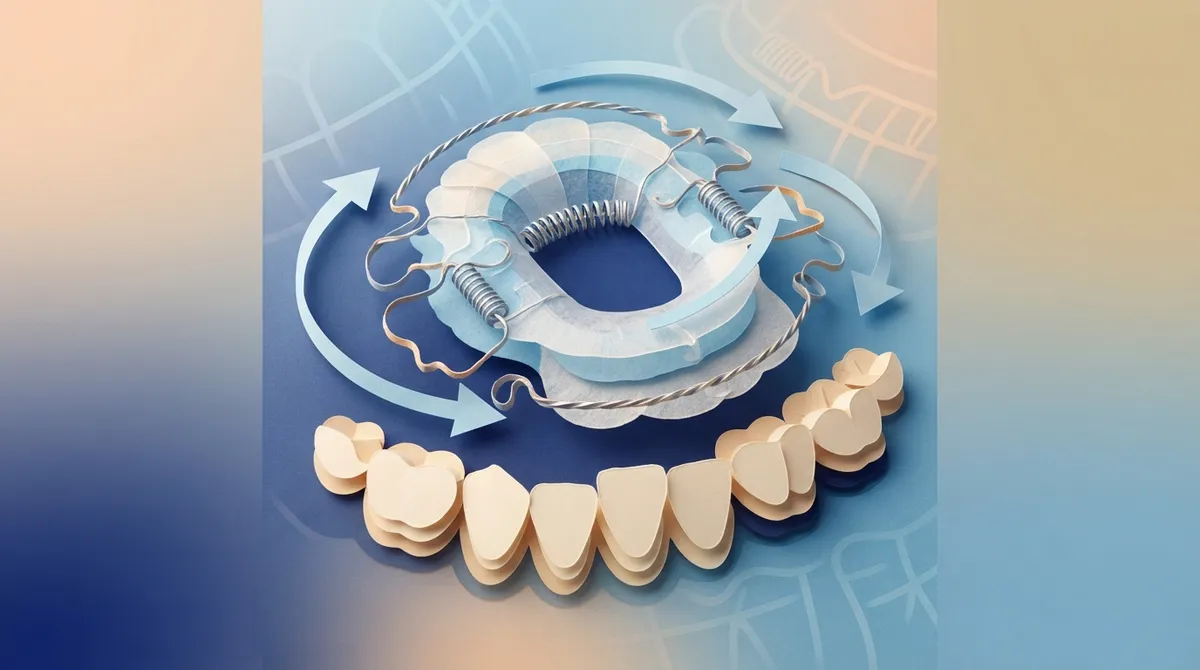
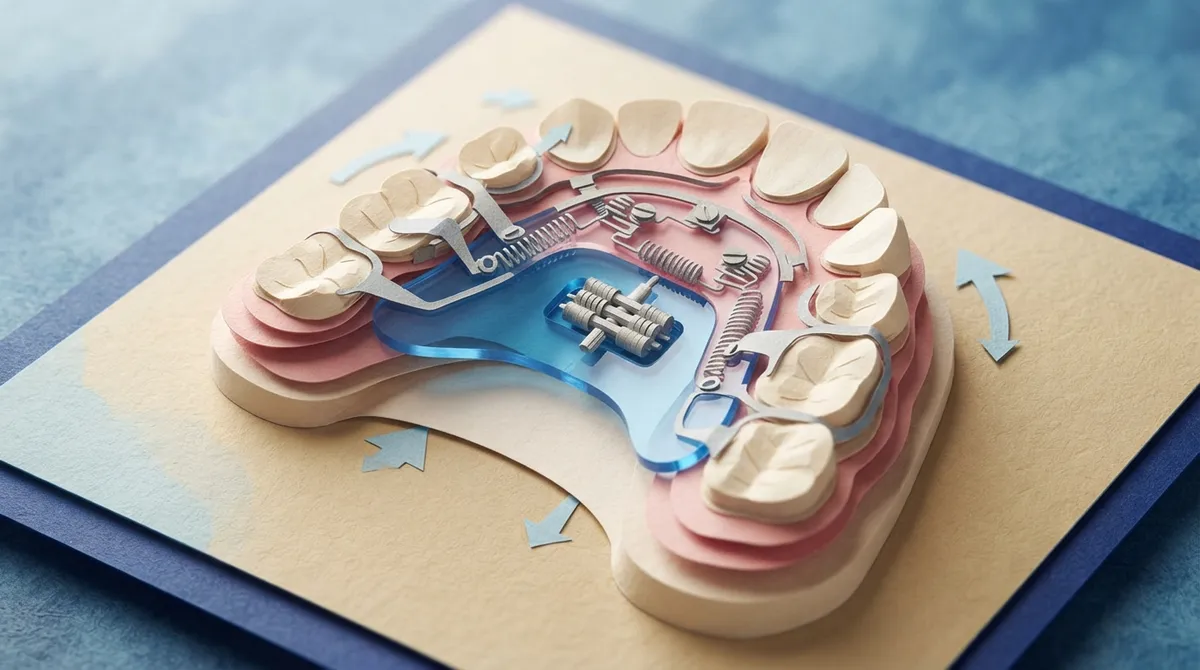
An active retainer is different. It’s built with small features, like springs, wire loops, screws, or elastics, that create light force. This force can move teeth a small amount, usually just one to two millimeters. That’s not much, but it’s enough to fix minor rotations, close small gaps, or correct light crowding that popped up after your original treatment ended.
Active vs. Passive: The Key Difference
Here’s a simple way to remember it. A passive retainer says, “Stay right where you are.” An active retainer says, “Let’s shift just a tiny bit more.” Both serve important roles, but they’re used in different situations depending on what your smile needs.
| Feature | Passive Retainer | Active Retainer |
|---|---|---|
| Main Purpose | Hold teeth in place | Make small tooth movements |
| Movement Capability | None | Typically 1-2mm |
| Built-in Force | No | Yes (springs, screws, elastics) |
| Monitoring Needed | Less frequent | More frequent check-ins |
| Best For | Long-term maintenance | Minor relapse or small corrections |
When Might You Need an Active Retainer?
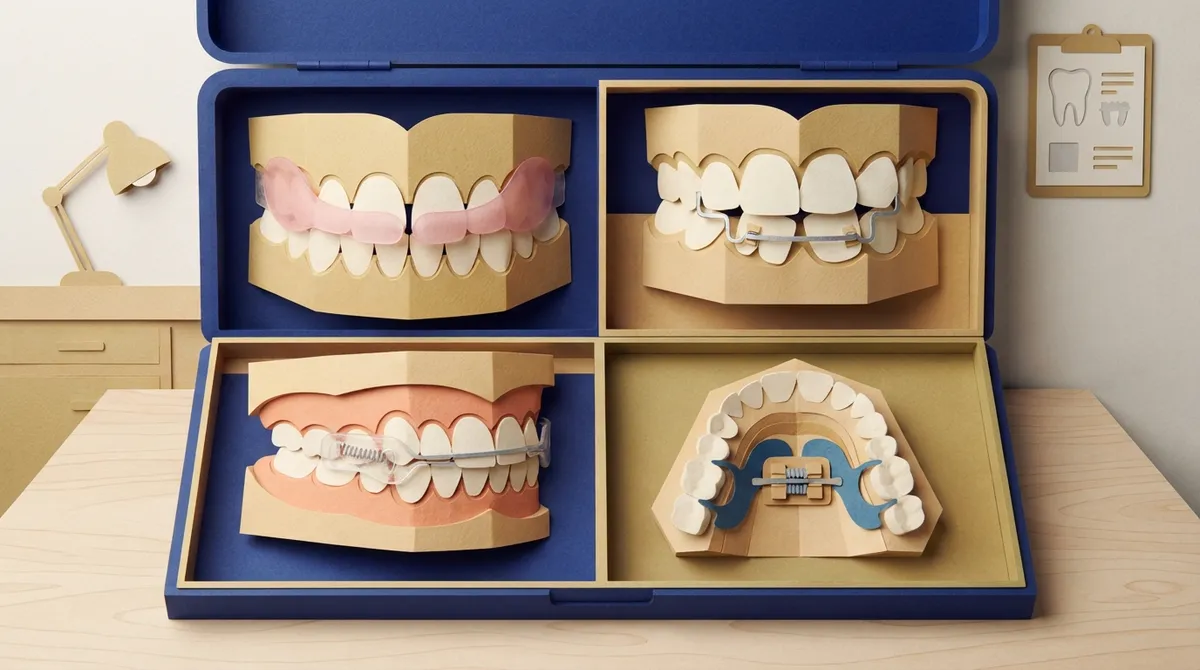
You might be wondering if this applies to you. Active retainers are usually recommended for specific, limited situations. Here are the most common reasons your orthodontist might suggest one:
- Minor relapse after finishing braces or clear aligner treatment
- Small spacing issues that developed over time
- Light crowding, especially in the front teeth
- Slight rotations that need a small correction
- Situations where full retreatment with braces feels unnecessary
If you fall into the category of an orthodontic relapse patient, this option might sound like a relief. Nobody wants to go through full treatment again for a tiny shift. That said, active retainers aren’t a fix for everything. They’re meant for small, limited movement, not major realignment.
What Active Retainers Cannot Fix
It’s important to set realistic expectations here. Active retainers are simply not designed for big changes. If you have significant crowding, a major bite issue, or teeth that have shifted a lot, you’ll likely need a fuller treatment plan involving braces or clear aligners again. Trying to force an active retainer to do too much can actually cause problems, including discomfort or uneven pressure on your teeth and gums.
How Active Retainers Work: The Science Made Simple
Active retainers use small mechanical parts to create gentle, steady pressure on specific teeth. Some common designs include:
- Spring-loaded wires that push a tooth in a certain direction
- Small screws you or your orthodontist can adjust to widen or narrow the appliance
- Elastic components that pull teeth together to close small gaps
- Wire loops that apply light rotational force to twisted teeth
These components work slowly and gently. That’s actually the point. Orthodontic movement, even small movement, needs to happen gradually so your teeth and the bone around them can adjust safely. Rushing this process isn’t good for your oral health, so patience really does pay off here.
How Long Do You Wear an Active Retainer?
This depends on your specific situation, but there are some general patterns worth knowing. A helpful 2025 review on orthodontic retainers recommended wearing removable retainers at least 10 hours a day during the first year of retention. After that first year, most patients can shift to wearing retainers 6 to 8 hours nightly for long-term maintenance.
Since active retainers are doing a bit of extra work, your orthodontist will likely want to see you more often to check progress. The same 2025 review suggested follow-up visits about every 4 months during that critical first year. This helps make sure the appliance is doing its job correctly and that your teeth are responding well.
A Simple Timeline Overview
- Weeks 1-4: Getting used to the appliance, possible mild discomfort
- Months 1-4: Active movement phase, frequent adjustments possible
- Months 4-12: Continued monitoring, wear time may be adjusted
- After Year 1: Transition to standard nightly retainer wear
Active Retainers vs. Hawley Retainers
You might have heard the term “Hawley retainer” before and wondered if it’s the same thing. Not exactly. A Hawley retainer is a specific type of removable retainer made with acrylic and metal wire. It can be built as either passive or active, depending on whether it includes those extra force-generating components like springs or screws.
So think of “Hawley” as describing the style of retainer, while “active” or “passive” describes its function. Some professionals even point out that the term “active retainer” can be a little confusing, since retention and active movement are technically different functions. That’s why clear communication with your orthodontist matters so much. At Brockway Orthodontics, we always take time to explain exactly what your appliance does and why.
Steps to Getting Fitted for an Active Retainer
Curious what the process actually looks like? Here’s a simple walkthrough:
- Schedule a consultation to discuss your concerns about shifting teeth
- Your orthodontist examines your bite and takes digital images or impressions
- A custom active retainer is designed based on your specific needs
- You return for a fitting appointment to make sure it feels right
- Follow-up visits happen every few months to check progress and make adjustments
- Once your teeth reach the desired position, you transition to a passive retainer for maintenance
This process is much less involved than a full course of braces or aligners, which is good news if you’re dealing with only minor relapse. If you’d like personalized guidance, our team can walk you through your first visit process step by step.
Caring for Your Active Retainer
Taking care of your appliance helps it work properly and last longer. Here are some easy habits to build:
- Clean it daily with a soft toothbrush and lukewarm water
- Avoid hot water, which can warp the plastic or wire parts
- Store it in its case when not in your mouth to prevent damage or loss
- Keep it away from pets, who seem to love chewing on these things
- Bring it to every check-up appointment so adjustments can be made
Good oral hygiene habits matter here too. The American Dental Association recommends brushing twice daily and flossing regularly, which helps protect both your natural teeth and your retainer from buildup.
Risks and Limitations to Keep in Mind
While active retainers are generally safe when properly monitored, there are a few things to watch for. Overuse or incorrect fit can sometimes cause discomfort, gum irritation, or uneven pressure on teeth. This is exactly why regular check-ins with your orthodontist matter so much during active treatment.
It’s also worth remembering that active retainers work best for small, limited corrections. If your orthodontist determines your case needs more than 1-2mm of movement, they may recommend a different treatment path altogether, such as a short round of clear aligners. The Florida Association of Orthodontists emphasizes that individualized treatment planning is key to safe, effective outcomes, and that’s exactly the approach we take at our Clearwater practice.
Why Choose Brockway Orthodontics for Retention Care?
Dr. Brockway believes that your orthodontic journey doesn’t end when your braces come off. Retention is just as important as the active treatment phase, and it deserves the same level of care and attention. Our team stays current on the latest research and techniques, including modern approaches to active retainers, so you always get informed, personalized recommendations.
We proudly serve families throughout Clearwater and the surrounding Pinellas County area. Whether you’re a teenager who just finished treatment, an adult noticing some relapse, or a parent wondering what’s next for your child, we’re here to help. You can explore our full range of retainer options or learn more about our approach to orthodontic services for every age and stage.
Curious what other patients think? Feel free to visit us on Google — Brockway Orthodontics to see reviews from real families in our community. You can also connect with us on Facebook for updates, tips, and smile transformations from our patients.
Bringing It All Together
An active retainer might sound like a fancy term, but really it’s just a smart, gentle solution for minor shifting after orthodontic treatment. It bridges the gap between doing nothing and going through a full round of braces again. For small rotations, light crowding, or tiny spacing issues, it can be exactly the right tool for the job.
The most important thing is working with an orthodontist who takes time to explain your options clearly and monitors your progress carefully. That personalized attention makes all the difference in getting results you’ll love.
If you’ve noticed some shifting since finishing treatment, or you’re just curious about your retention options, we’d love to chat. Book your appointment online today and let’s talk about what’s best for your smile. You can also get in touch with our friendly Clearwater team anytime with questions. Your confident smile is always worth protecting!
FAQs
Q: What is an active retainer in orthodontics?
A: An active retainer is a removable appliance built with small springs, screws, or elastics that gently move teeth a little, usually just 1-2mm. It’s different from a regular retainer because it does more than hold teeth still, it actually corrects minor shifting.
Q: How is an active retainer different from a regular retainer?
A: A regular, or passive, retainer simply holds your teeth in place after treatment. An active retainer includes built-in force-generating parts that gently nudge teeth into a slightly better position, making it useful for small corrections.
Q: Can an active retainer fix relapse after braces?
A: Yes, but only for minor relapse involving small spacing, light crowding, or slight rotations. If your teeth have shifted significantly, your orthodontist may recommend a short round of clear aligners or braces instead.
Q: How long do you wear an active retainer?
A: Most patients wear their retainer at least 10 hours daily during the first year, then shift to 6-8 hours nightly afterward. Your orthodontist will likely schedule check-ins every few months to monitor progress and make adjustments.
Q: Is an active retainer the same as a Hawley retainer?
A: Not exactly. A Hawley retainer describes the style, made with acrylic and wire, while active or passive describes its function. A Hawley retainer can be built as either an active or passive appliance depending on your needs.
Our Service Area