Key Takeaways
-
Retainer aligners are essential for preventing orthodontic relapse; teeth naturally shift throughout life, and bone/tissue need months to fully stabilize after braces or aligners are removed.
-
Retainer aligners look identical to clear aligners but serve completely different purposes: active aligners move teeth while retainers simply maintain final position with minimal force.
-
Most orthodontists recommend full-time retainer wear for the first few months after treatment, then transition to indefinite nighttime-only wear, with personalized schedules based on individual tooth movement patterns.
-
Clear retainer aligners require specific care: remove before eating, rinse after use, clean with soft brush and mild soap (never hot water), and store in a case to prevent loss, warping, or cracking.
-
Research shows bonded/fixed retainers have failure rates of 24-54% depending on follow-up duration, highlighting the importance of regular orthodontist checkups to catch loosening or breakage early.
-
Signs your retainer needs attention include unusual tightness, inability to seat properly, visible cracks, or loose bonding; contact your orthodontist immediately rather than forcing a poorly-fitting retainer.
So your braces just came off, or your last clear aligner tray is finally done. You’re probably smiling in every mirror you pass right now, and honestly, you should be! But then your orthodontist hands you something new to wear: a retainer aligner. It looks a lot like the clear aligners you just finished with, and that can be confusing. Is it the same thing? Do you still need it? The answer is a big yes, and understanding why can make all the difference in keeping that smile you worked so hard for.
At Brockway Orthodontics in Clearwater, we see this question all the time from parents, teens, and busy adults alike. A retainer aligner is one of the most misunderstood parts of orthodontic care, yet it’s arguably the most important step in protecting your investment. Let’s clear up the confusion together, so you know exactly what to expect and how to keep your smile looking its best for years to come.
What Is a Retainer Aligner, Exactly?
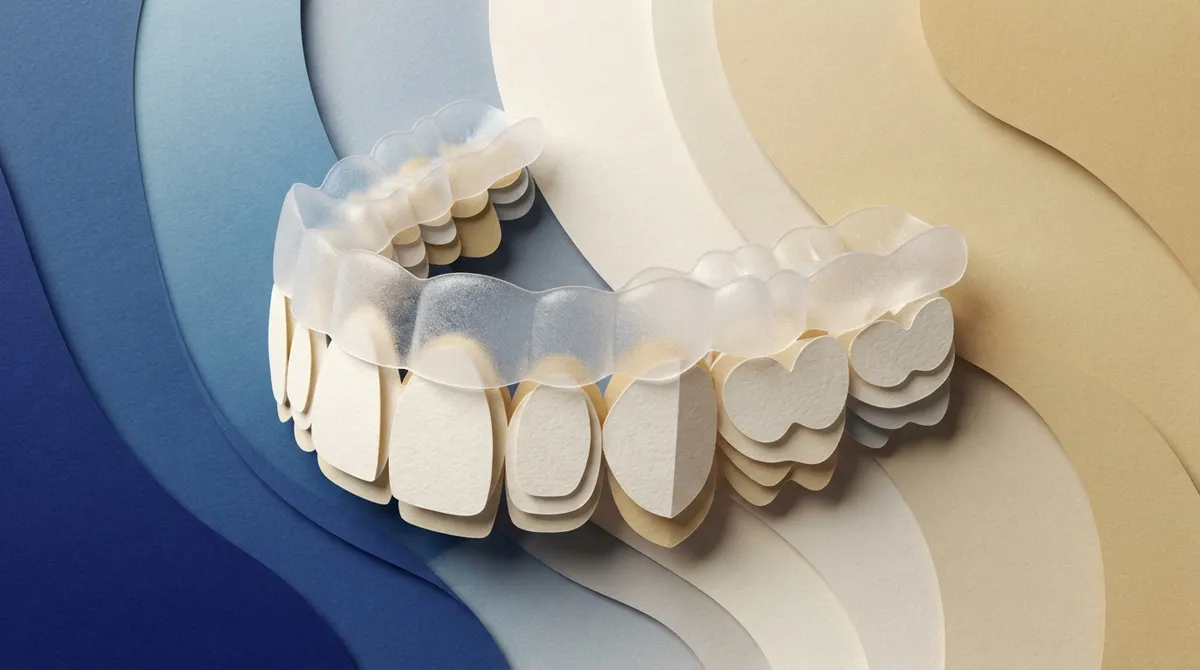
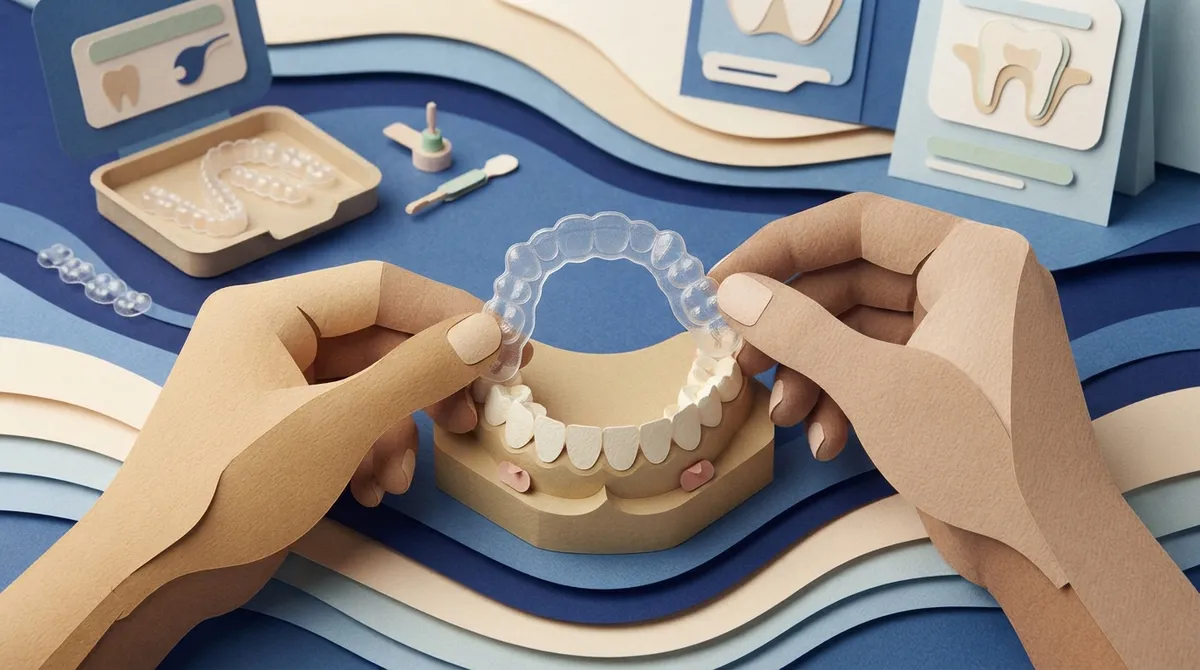
A retainer aligner is a clear, custom-made appliance that holds your teeth in place after treatment. It looks nearly identical to a clear aligner tray you might have worn during active treatment, like our Spark™ Clear Aligners. But here’s the key difference: it isn’t designed to move your teeth anymore. Its whole job is to keep your teeth exactly where they are now.
Think of it this way. Active aligners are like a coach pushing your teeth toward the finish line. A retainer aligner is more like a friend standing at that finish line, making sure your teeth don’t wander off again. Both look similar, but they have very different jobs.
Retainer vs Clear Aligner: The Real Difference
People mix these up constantly, and that’s completely understandable since they can look nearly the same. Here’s a simple breakdown to help clear things up.
| Feature | Clear Aligner (Active Treatment) | Retainer Aligner (Retention) |
|---|---|---|
| Purpose | Moves teeth into new positions | Holds teeth in their final position |
| Wear Duration | Weeks per tray, changed regularly | Often the same retainer for months or longer |
| Force Applied | Controlled, gradual pressure | Minimal to none once teeth are stable |
| Timeline | Months to a couple of years | Often long-term or indefinite |
If you’re still deciding between treatment options, our guide on clear aligners vs braces can help you understand the full journey from start to finish, retention included.
Why You Can’t Skip the Retainer Phase
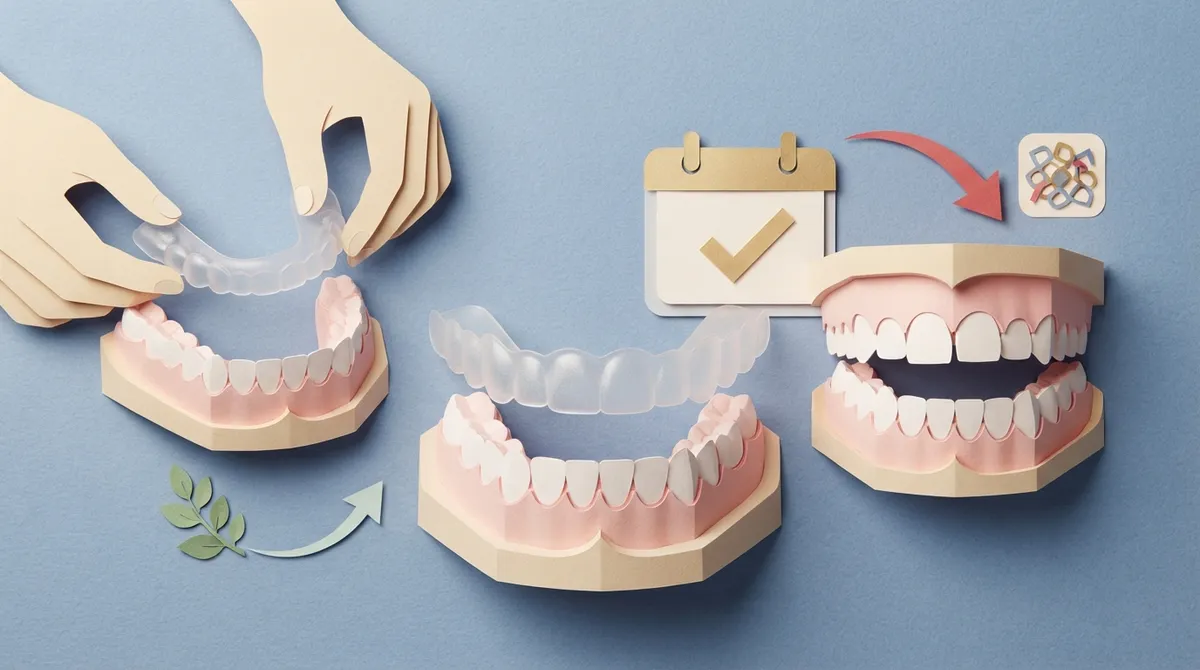
Here’s something that surprises a lot of patients: your teeth can keep shifting throughout your life. It’s not because something went wrong with your treatment. It’s simply how our bodies work. The bone and tissue around your teeth need time to settle into their new positions, and biological changes continue as we age.
Without a retainer, teeth tend to drift back toward their old positions. This is called orthodontic relapse. It’s one of the most common frustrations for people who invested time and money into a straighter smile, only to see it slip away because they stopped wearing their retainer too soon.
- Gums and bone need months to fully adapt after braces or aligners
- Natural aging can cause minor tooth movement over time
- Chewing forces and jaw growth continue to affect tooth position
- Even small movements can undo months of careful treatment
- Retention is considered a long-term, sometimes lifelong, commitment
Types of Retainers Your Orthodontist Might Recommend
Not every patient needs the same type of retainer. Your orthodontist will consider your bite, how your teeth moved, and your daily habits before recommending a plan. Here are the three most common options.
- Clear vacuum-formed retainers. These are the retainer aligners we’ve been talking about. They’re clear, removable, and fit snugly over your teeth like a thin shell.
- Hawley retainers. These use a combination of acrylic and metal wire. They’re durable and adjustable, and some research suggests patients tend to stick with wearing them more consistently.
- Fixed or bonded retainers. These are thin wires attached to the back of your teeth, usually the lower front teeth. They stay in place without you having to remember to wear anything.
Many patients actually use a combination, like a bonded retainer on the lower teeth and a removable retainer aligner on top. Our retainer services page walks through these options in more detail if you want to explore what might work for your smile.
Comparing Fixed and Removable Retainers
| Retainer Type | Pros | Considerations |
|---|---|---|
| Clear Retainer Aligner | Nearly invisible, comfortable, easy to clean | Can be lost, cracked, or warped by heat |
| Hawley Retainer | Durable, adjustable by your orthodontist | More visible due to wire and acrylic |
| Fixed/Bonded Retainer | No daily insertion needed, always working | Requires careful cleaning, professional monitoring |
How Long Should You Wear Your Retainer Aligner?
This is probably the number one question we hear at our Clearwater office. The honest answer? It depends on you. Every smile is different, and your orthodontist will give you a personalized plan based on your treatment and your teeth’s tendency to shift.
That said, there’s a general pattern many orthodontists follow:
- Full-time wear for the first few months right after braces or aligners come off
- Gradual transition to nighttime-only wear as your teeth stabilize
- Continued nighttime wear indefinitely, or as your orthodontist recommends
Generic schedules found online are a helpful starting point, but they should never replace what your treating orthodontist tells you. Every mouth moves differently, and your plan should reflect that. If you’re unsure about your current schedule, it’s always worth reaching out to your provider to double check.
Caring for Your Clear Retainer Aligner
Taking care of your retainer aligner isn’t complicated, but a few simple habits go a long way in making it last.
- Remove it before eating or drinking anything other than water
- Rinse it every time you take it out to avoid buildup
- Clean it gently with a soft toothbrush and mild soap, not toothpaste, which can scratch the plastic
- Never use hot water, since heat can warp the shape and ruin the fit
- Store it in its case when not in use, especially at restaurants or school
- Keep up with regular brushing and flossing, since retainers don’t replace normal dental care
Fixed retainers need a slightly different approach. Because they’re bonded to your teeth, plaque can build up around the wire if you’re not careful. Using a floss threader or water flosser daily helps keep that area clean and reduces the risk of gum irritation or cavities. The American Dental Association recommends daily flossing regardless of what type of retainer you wear, since good oral hygiene protects your whole mouth, not just your smile’s alignment.
How Often Should a Retainer Aligner Be Replaced?
There’s no single answer here, since it really depends on how well you care for your retainer and how your teeth respond over time. Some signs it might be time for a new one include:
- Visible cracks, cloudiness, or discoloration
- A looser or tighter fit than before
- Difficulty snapping it fully into place
- Odors that don’t go away even after cleaning
- It’s been lost, misplaced, or accidentally thrown away (we’ve all been there!)
If any of these sound familiar, it’s a good idea to schedule a visit. Our team can take a new scan and get a fresh retainer made without much hassle. For more detail on what to do if something breaks, take a look at our article on what to do if your retainer breaks.
What the Research Says About Retainer Reliability
It’s worth knowing that no retainer, fixed or removable, comes with a guarantee of perfect alignment forever. A 2023 systematic review of 34 studies involving over 3,400 patients found that bonded retainers had an overall failure rate of about 35%. Failure rates were lower in short-term follow-up, around 24%, but climbed to nearly 54% over longer periods.
Other research on fixed retainers found failure rates ranging widely, from about 7% up to 71%, depending on the material used and how the retainer was bonded. Many of these failures happen within the first three to six months after bonding, which is why early follow-up visits matter so much.
These numbers might sound a little alarming, but they simply highlight why regular checkups matter. A retainer that loosens or breaks doesn’t mean treatment failed. It just means it’s time for a quick visit to get things back on track. Compliance also plays a role. One study on first-year retainer habits found that patients using Hawley retainers tended to be the most consistent wearers, likely because the visible wire serves as a reminder.
Signs Your Retainer Aligner Needs Attention
Your retainer should feel snug but not painful. If something feels off, don’t just push through it. Here’s what to watch for:
- Unusual tightness. This can be a sign of minor tooth movement and is worth mentioning at your next visit.
- Won’t seat properly. Don’t force it. Forcing a retainer that doesn’t fit can cause pain or damage your teeth.
- Cracks or breaks. Stop wearing it and contact your orthodontist for a repair or replacement.
- Loose bonding on fixed retainers. A wire that feels like it’s poking or moving should be checked right away.
If any of these situations come up, don’t wait it out. The sooner it’s addressed, the easier the fix usually is. You can always get in touch with our team for guidance on next steps.
Why Choose Brockway Orthodontics for Retention Care in Clearwater
Retention isn’t a one-time appointment. It’s an ongoing relationship between you and your orthodontist. That’s exactly the kind of care Dr. Brockway believes in. She takes time to explain your retainer options in plain language, so you always know what’s happening and why it matters.
Our Clearwater office uses modern tools like digital scanning, which means no messy impressions when it’s time for a new retainer. We also understand that life gets busy, which is why we offer flexible scheduling and, in many cases, same-day solutions for retainer replacements. Curious what other families in the area think? You can visit us on Google — Brockway Orthodontics to see real reviews from our patients.
Whether you’re a parent managing your teen’s retainer schedule, a professional who wants a discreet solution, or someone dealing with relapse after previous treatment, we’re here to help. Learn more about Dr. Brockway’s approach to care and see why so many Clearwater families trust her with their smiles.
Retention Tips by Life Stage
Different patients face different retention challenges. Here’s how retainer care might look at various stages of life.
For Parents of Kids and Teens
Helping your child remember to wear their retainer can feel like a nightly negotiation. Setting a consistent routine, like wearing it right after brushing teeth before bed, helps build the habit. Our adolescent treatment team can offer tips tailored to your child’s age and personality.
For Teens and Young Adults
Big milestones like graduation or starting college are great motivators to stay consistent with retainer wear. A little discipline now protects the smile you worked hard for during braces or aligner treatment.
For Busy Professionals
If your schedule is packed, a clear retainer aligner is a great low-maintenance option since it’s discreet and easy to wear at night. Check out our adult treatment options for solutions designed around your lifestyle.
For Relapse Patients
If your teeth have shifted after previous treatment, you’re not alone, and it’s not too late to fix it. Many adults return for retreatment and then commit more seriously to retention the second time around.
No matter which category you fall into, the goal is the same: protect the smile you worked for. If it’s been a while since your last checkup, or if your retainer just doesn’t feel right anymore, now’s a great time to reach out. You can also connect with us on Facebook or Instagram to see smile transformations and get updates from our Clearwater office.
Ready to Protect Your Smile for the Long Run?
A retainer aligner might seem like a small piece of plastic, but it plays a huge role in protecting years of hard work. Whether you’re just finishing treatment or noticing changes years later, taking retention seriously is one of the best things you can do for your smile’s future. For more general guidance, the Florida Association of Orthodontists also offers helpful resources on orthodontic care standards across the state.
If your retainer feels off, has cracked, or you’re just not sure what your next step should be, our Clearwater team is ready to help. Why not book an appointment online today and let us make sure your smile stays exactly where it belongs?
FAQs
Q: Are a clear retainer and a clear aligner the same thing?
A: They look almost identical, but they’re not the same! A clear aligner moves your teeth into new positions during active treatment, while a retainer aligner simply holds your teeth in place once treatment is done. Think of one as the mover and the other as the guardian of your new smile.
Q: How long do I need to wear a retainer after braces or clear aligners?
A: It really depends on your unique smile, but most people wear their retainer full-time for a few months, then switch to nighttime wear. Many orthodontists recommend continuing nighttime wear indefinitely, since teeth can shift throughout life. Your orthodontist will give you a personalized schedule that fits your needs.
Q: What should I do if my retainer no longer fits?
A: Don’t force it! A retainer that feels too tight or won’t seat properly could mean your teeth have shifted a little. Give your orthodontist a call so they can take a look and figure out the best next step, whether that’s an adjustment or a brand new retainer.
Q: How often should a clear retainer be replaced?
A: There’s no set timeline, since it depends on how well you care for it and how your teeth change over time. If you notice cracks, cloudiness, or a poor fit, it’s probably time for a fresh one. Regular checkups help catch these issues early.
Q: What happens if I stop wearing my retainer?
A: Your teeth can slowly drift back toward their old positions, a process called relapse. This is super common, but the good news is it’s often preventable just by staying consistent with your retainer schedule. If it’s already happened, don’t worry, treatment options are still available to help.
Our Service Area