Key Takeaways
-
A fixed retainer is a thin wire bonded to the back of your teeth that works 24/7 to prevent teeth from shifting back to their original positions after braces, eliminating the need to remember wearing it daily.
-
Proper cleaning requires using a floss threader or orthodontic floss to slide under the wire between each tooth, plus an interdental brush for tight spots, along with regular dental cleanings to prevent plaque buildup and gum issues.
-
Avoid hard candies, ice, crunchy raw vegetables, sticky candies, and corn on the cob, as these foods can bend the wire, crack the adhesive, or cause it to detach from your teeth.
-
If your wire becomes loose or breaks, cover sharp edges with orthodontic wax and contact your orthodontist immediately; do not attempt to fix, cut, glue, or remove it yourself as this can damage your mouth or teeth.
-
Research shows fixed retainer failure rates are approximately 24% short-term but increase to 54% long-term, making regular checkups every 6-12 months essential to catch problems before teeth shift.
-
Many orthodontists recommend combining a fixed retainer with a removable retainer for extra insurance, particularly on upper teeth, to provide comprehensive long-term stability and accommodate individual lifestyle needs.
So your braces are finally off, and you’re running your tongue along the back of your front teeth. Surprise! There’s a thin wire there you didn’t expect. Don’t worry, this is completely normal, and you’re definitely not alone in wondering what it is. That little wire behind your teeth after braces has a big job: keeping your smile exactly where it belongs after all that hard work.
At Brockway Orthodontics, we hear questions about this wire almost every single day from our Clearwater patients. Parents ask about it for their teens, adults ask about it for themselves, and honestly, it’s one of the most misunderstood parts of finishing orthodontic treatment. This guide breaks down everything you need to know in simple, friendly terms. Let’s clear up the confusion together.
1. What Exactly Is That Wire Behind Your Teeth?
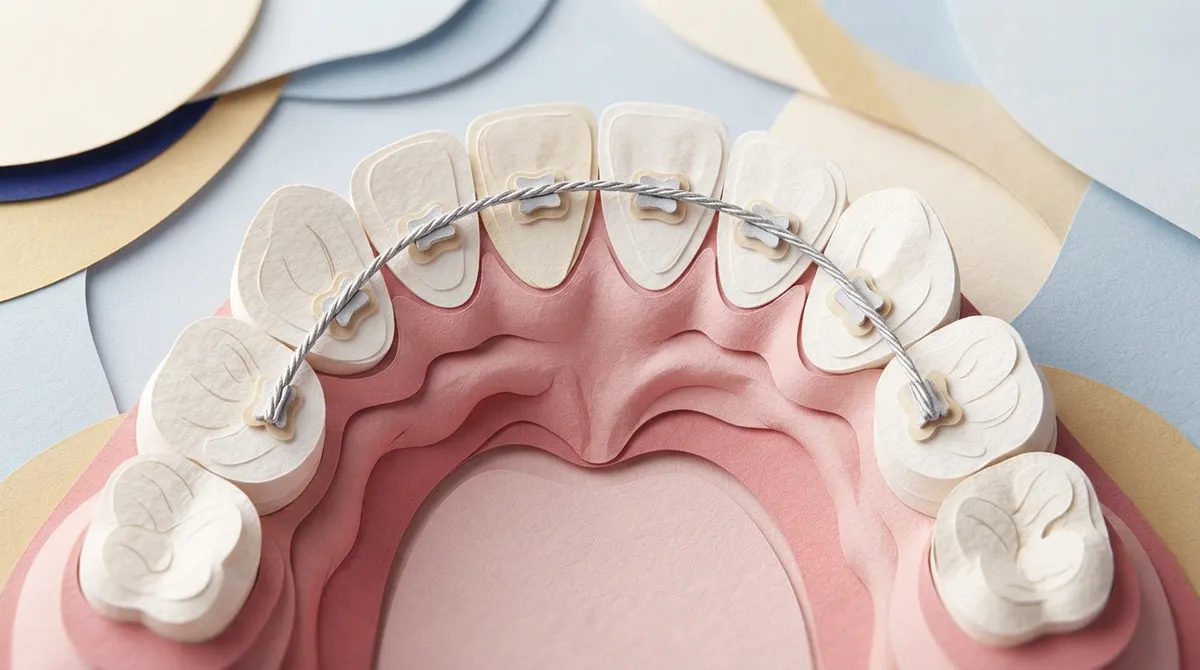
The wire you’re feeling is called a fixed retainer, sometimes known as a bonded or permanent retainer. It’s a thin, custom-shaped wire glued directly to the back of your teeth using a strong dental adhesive. Most often, it sits behind your lower front teeth, though some patients have one on the top as well.
Think of it as a quiet bodyguard for your smile. Unlike a removable retainer you take out to eat or brush, this wire stays put around the clock. It works silently in the background, holding your teeth in their new, straight positions without you having to think about it every day.
Why Orthodontists Recommend This Type of Retainer
Teeth are sneaky. Even after months or years of braces, they still “remember” their old positions. This is called relapse, and it can happen surprisingly fast if nothing holds your teeth in place. A fixed wire behind teeth after braces removes the guesswork and the compliance factor entirely.
Here are the main reasons orthodontists love recommending this option:
- It works 24/7 without needing you to remember to wear it
- It’s invisible to others since it sits on the tongue side of your teeth
- It provides steady, gentle support as your gums and bone settle
- It’s especially helpful for patients who had significant crowding or spacing before treatment
- It reduces the risk of your front teeth shifting overnight
Many patients at our Clearwater office get both a fixed wire and a removable retainer for extra insurance. Dr. Brockway will let you know exactly what combination is best for your specific smile during your first visit.

2. How to Care for Your Wire Behind Teeth After Braces
Here’s the honest truth: this little wire needs some extra attention. Food particles and plaque love to hide around it, so your regular brushing routine needs a small upgrade. The good news? Once it becomes a habit, it only takes a few extra minutes.
Step-by-Step Cleaning Routine
- Brush your teeth as usual, but angle your brush carefully along the wire to remove surface plaque
- Use a floss threader or orthodontic floss to slide under the wire between each tooth
- Consider an interdental brush (a tiny bottle-brush-shaped tool) to clean tight spots the floss might miss
- Rinse with an antimicrobial or fluoride mouthwash to reach areas your brush can’t
- Schedule regular dental cleanings so your dentist can check for buildup near the gumline
Skipping these steps can lead to plaque buildup, which raises your risk of gum irritation or even cavities near the wire. The American Dental Association recommends daily flossing for everyone, and it’s even more important when you have a fixed retainer creating extra nooks and crannies.
Foods to Watch Out For
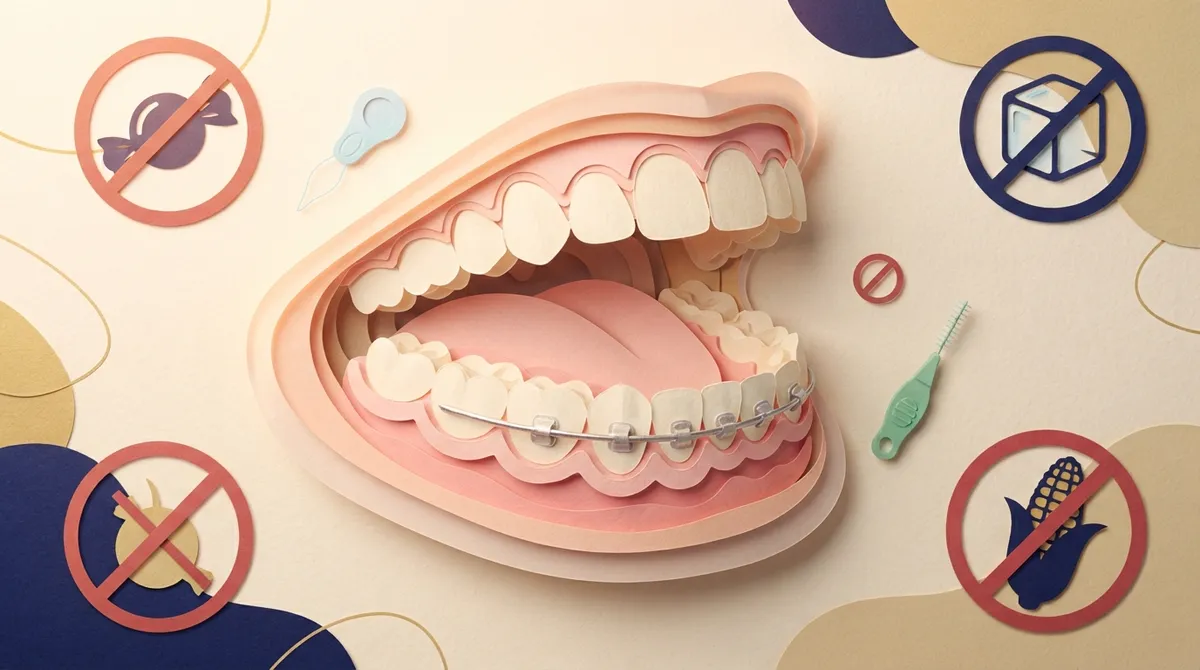
Your wire behind teeth after braces is tough, but it’s not invincible. Certain foods can bend it, pop it loose, or crack the adhesive holding it in place. Here’s a quick list of foods to enjoy with caution:
- Hard candies or ice cubes
- Crunchy raw vegetables like whole carrots (cut them up instead!)
- Sticky candies such as caramel or taffy
- Corn on the cob (cut the kernels off instead)
- Hard rolls or crusty bread
Being mindful about these foods can save you an extra trip to our office. If you’re ever unsure, our team is happy to walk you through safe eating habits during your visits.
3. What to Do If the Wire Comes Loose or Breaks
Even with great care, wires can sometimes loosen or detach. This isn’t a reason to panic, but it is a reason to call your orthodontist right away. A loose wire can poke your tongue or cheek, and it can also mean your teeth are no longer getting the support they need.
Signs Your Retainer Wire Needs Attention
- You notice a sharp or poking sensation on the inside of your lip or tongue
- The wire feels loose or wiggly when you touch it with your tongue
- One end has detached from a tooth while the rest remains bonded
- You can see a visible gap between the wire and your tooth
- Your teeth suddenly feel like they’re shifting or feel different when you bite
If you notice any of these signs, don’t try to fix it yourself. Please don’t attempt to glue, cut, bend, or remove the wire on your own. You could accidentally swallow a piece, cut your mouth, or make the situation worse. Instead, cover any sharp spot with a small piece of orthodontic wax and reach out to our office as soon as possible.
Quick Reference: What to Do vs. What to Avoid
| Do This | Avoid This |
|---|---|
| Cover sharp edges with orthodontic wax | Trying to cut the wire yourself |
| Call your orthodontist promptly | Waiting weeks to get it checked |
| Keep the loose piece if it fully detaches | Throwing away the retainer piece |
| Eat soft foods until it’s repaired | Chewing hard foods on that side |
Even if only one bond has failed, your teeth may already be starting to shift. Prompt care matters more than people realize. Our team offers guidance on handling these situations in our article on what to do if your retainer breaks.
How Long Does a Fixed Retainer Really Last?
This is one of the most common questions we get. The honest answer is that it depends on the person, but many patients keep their fixed retainer for years, sometimes even decades. However, “long-lasting” doesn’t mean “maintenance-free.”
Research gives us a clearer picture of what to expect. A 2023 systematic review looking at more than 3,400 patients found an overall bonded retainer failure rate of about 35% over time. The numbers grow the longer the retainer stays in place, with failure rates around 24% in short-term studies but climbing to nearly 54% in long-term studies. This doesn’t mean your retainer will definitely fail, but it does explain why regular checkups matter so much.
Retainer Failure Rates by Study Length
| Follow-Up Period | Reported Failure Rate |
|---|---|
| Short-term studies | 24.18% |
| Medium-term studies | 40.09% |
| Long-term studies | 53.85% |
These numbers might sound a little alarming, but they simply highlight why the Florida Association of Orthodontists and orthodontists everywhere stress the value of ongoing checkups. A quick appointment every six to twelve months can catch small problems before they turn into bigger ones.
Fixed Retainer vs. Removable Retainer: Which Is Right for You?
Some patients wonder if they really need both types of retainers. The truth is, it depends on your bite, your original tooth movement, and your lifestyle. Here’s a simple breakdown to help you understand the differences.
| Feature | Fixed (Bonded) Retainer | Removable Retainer |
|---|---|---|
| Visibility | Hidden behind teeth | Can be clear or visible depending on type |
| Compliance needed | None, it’s always in place | Requires daily wear as instructed |
| Cleaning effort | Requires floss threaders or interdental brushes | Easy to remove and clean separately |
| Best for | Long-term stability, lower front teeth | Upper arch, additional backup support |
| Lifespan | Years, with occasional repairs | Several years with proper care |
Many of our patients end up with a combination of both. Dr. Brockway will explain your options clearly, so you always know exactly what your retainer plan looks like moving forward.
Why Choose Brockway Orthodontics for Your Retainer Care
Finishing your orthodontic treatment is a huge milestone, and protecting your results matters just as much as achieving them. At Brockway Orthodontics, we don’t just remove your braces and send you on your way. We walk you through every step of retainer care, from cleaning tips to what to do in an emergency.
Dr. Brockway has helped countless Clearwater families maintain their smiles long after treatment ends. Whether you’re a parent monitoring your teen’s retainer, an adult who finished adult treatment, or someone returning after relapse, our team treats you like family. We also offer Spark™ Clear Aligners and traditional braces for those just beginning their journey, plus retainer repair and monitoring for those already finished.
Curious what other patients say about their experience? You can visit us on Google — Brockway Orthodontics to read real reviews from families across Clearwater. You can also follow our team’s latest updates and smile transformations on Instagram or connect with us on Facebook.
Final Thoughts on Your Wire Behind Teeth After Braces
That little wire behind your teeth is working hard every single day to protect the smile you worked so hard to achieve. With a bit of extra care, regular checkups, and prompt attention if something feels off, your fixed retainer can keep your teeth beautifully aligned for years to come.
If you’re feeling unsure about your retainer, noticing something odd, or you’re overdue for a checkup, don’t wait. Our friendly Clearwater team is ready to help you protect your smile for the long run. Book your appointment online today, and let’s make sure your smile stays exactly where it belongs.
FAQs
Q: What is the wire behind my teeth after braces called?
A: It’s called a fixed or bonded retainer! It’s a thin wire glued to the back of your teeth to keep them from shifting after braces come off. Think of it as your smile’s quiet, hardworking guardian.
Q: How long should a fixed retainer stay behind my teeth?
A: Many patients keep theirs for years, even decades, since teeth can shift throughout life. Your orthodontist will check it regularly and let you know if it ever needs a repair or replacement.
Q: Do I need to wear a removable retainer if I have a permanent wire?
A: Sometimes, yes! Many orthodontists, including our team at Brockway Orthodontics, recommend pairing your fixed wire with a removable retainer for extra stability, especially on your upper teeth.
Q: What should I do if the wire behind my teeth comes loose?
A: Don’t panic, but don’t ignore it either. Cover any sharp spot with orthodontic wax and call your orthodontist right away so they can fix it before your teeth start shifting.
Q: Can teeth move if only one side of the retainer comes unstuck?
A: Yes, unfortunately they can! Even a single detached bond can let a tooth start drifting, so it’s best to get it looked at quickly rather than waiting it out.
Our Service Area