
Key Takeaways
-
Act immediately when your retainer is lost, damaged, or ill-fitting—teeth can begin shifting within days or weeks without retention, making delays costly and time-consuming to fix.
-
Teeth require approximately 18 months for their periodontal ligament to fully settle after orthodontic movement, so consistent long-term retention (often lifelong nighttime wear) is essential to prevent relapse.
-
The retainer-making process typically takes 1-2 weeks from your exam appointment through fabrication and fitting, with some orthodontists offering rush options for urgent replacements.
-
Choose the retainer type that fits your lifestyle: clear retainers for invisibility, Hawley retainers for durability and adjustability, or fixed wire retainers for high-relapse patients.
-
Replacement retainer costs range from roughly $70-$150 per retainer depending on type and provider, so contact your orthodontist directly for transparent pricing and financing options.
-
Proper care—cleaning with cool water, storing in a case, avoiding hot water, and using interdental brushes for fixed wires—extends retainer lifespan and prevents bacteria buildup.
So your braces just came off, or maybe your old retainer went missing somewhere between the couch cushions and your gym bag. Either way, you’re probably wondering how to get a retainer made without a big hassle. Good news: it’s a pretty simple process, and your smile will thank you for acting fast. Teeth love to drift back to their old positions the moment you stop wearing retention, so getting a new one made quickly really matters.
Whether you’re a parent trying to protect your teen’s fresh smile, an adult professional who invested serious time in straightening your teeth, or someone dealing with a bit of relapse, this guide walks you through exactly what happens when you get a retainer made. We’ll cover the steps, the types, the costs, and all those little questions you’ve been afraid to ask. At Brockway Orthodontics in Clearwater, we make this process as friendly and painless as possible, because keeping your smile straight should never feel stressful.

Why Getting a Retainer Made Matters So Much
A retainer isn’t just a leftover piece of orthodontic equipment. It’s the appliance that holds your teeth exactly where your braces or clear aligners worked so hard to put them. Without one, your teeth can start shifting almost right away.
- Teeth are held in place by a ligament that reorganizes slowly after movement, often taking around 18 months.
- Retention is generally a long-term, sometimes lifelong, commitment if you want to keep your smile straight.
- Skipping retention can mean redoing orthodontic treatment down the road, which costs more time and money.
- A well-fitted retainer protects the investment you already made in your smile.
This is exactly why our team at Brockway Orthodontics treats retainers as seriously as we treat braces and aligners. We want your results to last.
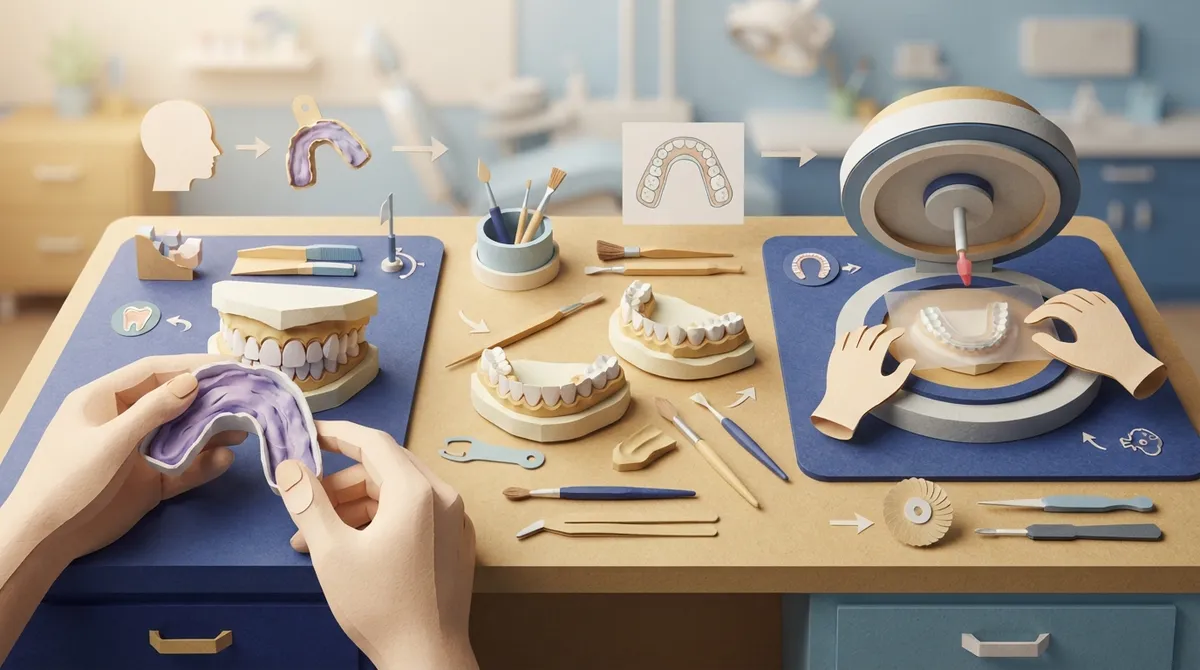
15 Steps to Get a Retainer Made the Right Way
Here’s a simple, step-by-step breakdown of what typically happens when you need a new or replacement retainer. Every orthodontic office does this a little differently, but this general roadmap applies almost everywhere.
- Notice the problem early. Lost, cracked, warped, or ill-fitting retainers should be addressed right away, not next month.
- Call your orthodontic office. Explain what happened so the team can prepare for your visit.
- Schedule an exam appointment. Most offices can see you within a few days for retainer concerns.
- Bring your old retainer if you have it. Even a broken one gives the lab useful information.
- Get a full dental exam. Your orthodontist checks your bite, gum health, and current tooth alignment.
- Discuss any shifting. If your teeth have moved, your provider will talk through options before moving forward.
- Get a digital scan or impression. Most modern practices use quick digital scanning instead of messy putty trays.
- Choose your retainer type. Clear, Hawley, or fixed wire — your orthodontist will recommend the best fit for you.
- Records get sent to the lab. This can be an in-house lab or an outside dental laboratory.
- Wait for fabrication. Turnaround time varies, but many offices offer speedy options.
- Return for your fitting. The retainer gets tried in and adjusted as needed.
- Learn your wear schedule. Your orthodontist will explain how many hours per day or night you need to wear it.
- Get cleaning instructions. You’ll learn the dos and don’ts for keeping your retainer fresh.
- Schedule a follow-up if needed. Some patients need a quick check-in to confirm the fit is holding steady.
- Commit to consistent wear. This final step is really the most important one for keeping your smile in place.
If you’re ready to get started, you can book appointment online and we’ll walk you through every one of these steps in person.
Types of Retainers: Which One Is Right for You?
Not every retainer looks or works the same way. Your orthodontist picks the type based on your original treatment, your bite, and your lifestyle. Here’s a quick comparison to help you understand your options.
| Retainer Type | Description | Best For | Care Notes |
|---|---|---|---|
| Clear Removable | Thin, clear plastic tray that fits snugly over teeth | Patients wanting a nearly invisible option | Avoid hot water; clean with soft brush |
| Hawley Retainer | Acrylic base with a visible wire across the front teeth | Patients needing durability and adjustability | Rinse after meals; store in case when not worn |
| Fixed/Bonded | Thin wire bonded behind front teeth | Patients with high relapse risk | Requires careful flossing and interdental brushes |
Many of our patients who finish treatment with Spark™ Clear Aligners or traditional braces end up with a combination approach, using a fixed retainer on the lower front teeth and a removable one for the upper arch. Dr. Brockway will help you figure out what setup fits your life best.
Signs You Need a Replacement Retainer
Sometimes it’s obvious you need a new retainer. Other times, the signs are more subtle. Watch for these warning signals:
- The retainer feels tight or pinches in certain spots
- You notice small cracks or warping in the plastic
- A wire has come loose or detached from the acrylic
- You can’t find your retainer after searching everywhere
- Your teeth look slightly different than they did right after treatment
- The fixed wire behind your teeth feels rough or sharp
If you spot any of these signs, don’t wait it out. A slightly tight retainer might mean your teeth have already started shifting, and delaying can make the problem worse. Learn more about retainer care and replacement on our website.
What Happens If You Wait Too Long?
We get it — life is busy, and a broken retainer doesn’t always feel urgent. But here’s the thing: teeth are surprisingly quick to move once they lose that steady support. According to guidance from NHS England, the periodontal ligament takes roughly 18 months to fully settle after tooth movement, which is part of why consistent retention matters so much in that window and beyond.
- Teeth begin shifting within days or weeks without retention.
- Minor shifting can make a new retainer no longer fit properly.
- Larger shifts may require additional orthodontic treatment to correct.
- The longer you wait, the more expensive and time-consuming the fix becomes.
This is one reason our relapse patients often tell us they wish they had called sooner. If you’re noticing changes, reach out and contact us before things shift further.
How Much Does It Cost to Get a Retainer Made?
Retainer pricing varies by provider, location, and retainer type. While we always recommend calling your specific orthodontic office for an accurate quote, here’s a general look at typical cost ranges based on published guidance.
| Factor | Impact on Cost |
|---|---|
| Retainer type (clear vs Hawley vs fixed) | Fixed and Hawley retainers often cost more due to materials and labor |
| Whether you’re still in your retention period | Some offices include replacements for a set time after treatment ends |
| Lab fabrication time | Rush orders may carry an additional fee |
| Number of arches needing a retainer | Replacing both upper and lower typically costs more than one |
For reference, some published NHS guidance lists replacement fees around £62 to £74 per retainer at certain clinics, though these are local examples and not a universal price. At Brockway Orthodontics, we’re proud to offer transparent financing and insurance options so cost never gets in the way of protecting your smile.
Caring for Your New Retainer
Once you get a retainer made, taking good care of it helps it last longer and keeps your mouth healthy. Follow these simple habits:
- Remove removable retainers before eating, unless told otherwise
- Clean with cool or lukewarm water and a soft toothbrush
- Never use hot water, which can warp plastic retainers
- Store your retainer in its case whenever it’s out of your mouth
- Brush carefully around fixed retainer wires and use interdental brushes
- Contact your orthodontist right away if a fixed wire feels loose
The American Dental Association recommends treating retainers like any other dental appliance — with regular cleaning and careful handling to prevent bacteria buildup. Good habits now save you a replacement appointment later.
Retainer Wear Schedules: What to Expect
Every patient’s plan looks a little different, but most orthodontists follow a similar general pattern for retention.
- Full-time wear (removing only for eating) for the first several months
- Gradual transition to nighttime-only wear
- Continued nighttime wear indefinitely to protect your results
Research cited by NHS England suggests fixed retainers may be sufficient for around four to five years in many patients, especially when paired with periodic removable retainer wear. That said, your exact schedule should always come from your treating orthodontist, since every smile is different.
Why Choose Brockway Orthodontics for Your Retainer Needs
Dr. Brockway and her team have built a reputation across Clearwater for personalized, friendly orthodontic care. Whether you need a first-time retainer after finishing treatment or a fast replacement because life happened, we’re here to help without judgment or delay.
- Modern digital scanning technology instead of messy impressions
- Same-day treatment options in certain cases
- Friendly, easy-to-understand explanations of your retention plan
- Flexible scheduling for busy families and professionals
We treat patients of every age, from teens fresh out of braces to adults managing adult orthodontic treatment. You can learn more about what to expect during your first visit to our office. We’re also members of professional organizations like the Florida Association of Orthodontists, which helps us stay current on best practices in retention and treatment planning.
Curious what other patients think? You can visit us on Google — Brockway Orthodontics to read real reviews from Clearwater families just like yours. We also share smile transformations and retainer tips on our Instagram page, so give us a follow if you want a peek behind the scenes.
Common Mistakes to Avoid With Retainers
A few small missteps can turn a simple retainer situation into a bigger headache. Keep these tips in mind:
- Don’t force a retainer that doesn’t seat fully — it may signal tooth movement
- Don’t skip nighttime wear just because your teeth “look” straight
- Don’t wait weeks after losing a retainer to schedule a replacement
- Don’t try to fix a broken wire yourself at home
- Don’t assume all retainers are interchangeable between patients
If your retainer ever feels off, it’s always better to check in with your orthodontist than to guess. Our team would rather see you for a quick check than have you deal with unnecessary shifting.
Bringing It All Together
Getting a retainer made doesn’t have to be complicated or stressful. With the right orthodontic team guiding you through the exam, scan, and fitting process, you can protect your smile for years to come. Whether this is your first retainer or your third replacement, acting quickly and choosing a trusted provider makes all the difference.
Ready to protect the smile you worked so hard for? Book appointment online with Brockway Orthodontics today, and let our Clearwater team help you get a retainer made that fits your life and keeps your teeth exactly where they belong.
FAQs
Q: How much does it cost to get a retainer made or replaced?
A: Costs vary quite a bit depending on the type of retainer and your provider, with some clinics charging roughly $70 to $150 per retainer. The best way to know your exact cost is to reach out to your orthodontic office directly, and our friendly team is always happy to walk you through pricing and financing options.
Q: Can a dentist make a replacement retainer, or do I need an orthodontist?
A: Some general dentists can make basic retainers, but an orthodontist has specialized training in tooth movement and bite relationships, which really matters for a proper fit. We always recommend seeing the provider who understands your full orthodontic history whenever possible.
Q: How long does it take to get a new retainer made?
A: In many cases, you can complete your exam and scan in one visit, then return within a week or two once the lab finishes fabrication. Some offices even offer faster turnaround for patients who need it urgently, so it’s worth asking about rush options.
Q: Can I get a retainer made if I have lost my old one?
A: Absolutely, and you shouldn’t wait to schedule that appointment. Teeth can start shifting quickly without retention, so the sooner you come in for a scan, the easier it is to make sure your new retainer fits comfortably.
Q: How often should I wear my retainer after orthodontic treatment?
A: Most patients start with near full-time wear for the first several months, then transition to nighttime-only wear long term. Your orthodontist will give you a personalized schedule based on your specific treatment and how your teeth respond.
Our Service Area