Key Takeaways
-
Adult teeth can move and shift throughout your life regardless of age, making overbite correction highly successful in adults through braces or aligners that reposition teeth rather than guide jaw growth.
-
Clear aligners work best for mild-to-moderate dental deep bites with 33-49% correction accuracy, while severe skeletal bite problems require traditional braces or orthognathic surgery for predictable results.
-
Most adult overbite correction takes 12-24 months with typical overbite reduction from 5.3mm to 2.6mm, but teeth can relapse 0-2.1mm without consistent retainer use after treatment ends.
-
Untreated deep bites lead to accelerated tooth wear, gum recession, jaw discomfort, and increased cavity/gum disease risk, making early evaluation important even if you've delayed treatment for years.
-
Three primary correction methods—intrusion of front teeth, extrusion of back molars, and controlled front-tooth movement—are tailored to your specific case based on gum health and bite severity.
-
Most adults with deep bites avoid jaw surgery since braces and aligners resolve the majority of cases; surgery is only recommended for severe skeletal discrepancies or significant facial imbalance.
If you’ve spent years feeling self-conscious about your smile, you’re not alone. Many grown-ups walk into our Clearwater office wondering if it’s too late to fix a deep overbite. Here’s the good news: it’s almost never too late. Your teeth can still move and shift even after your jaw has stopped growing, which means overbite correction for adults is not only possible, it’s common and often very successful.
An overbite happens when your upper front teeth overlap your lower front teeth more than they should. Some overlap is normal. But when it’s excessive, it’s often called a deep bite, and it can affect everything from your jaw comfort to the health of your gums. At Brockway Orthodontics, we’ve helped patients of all ages, from teens to busy professionals to grandparents, correct their bites and feel proud of their smiles again. Let’s walk through what adult overbite correction actually involves, how long it takes, and what your options look like in 2026.
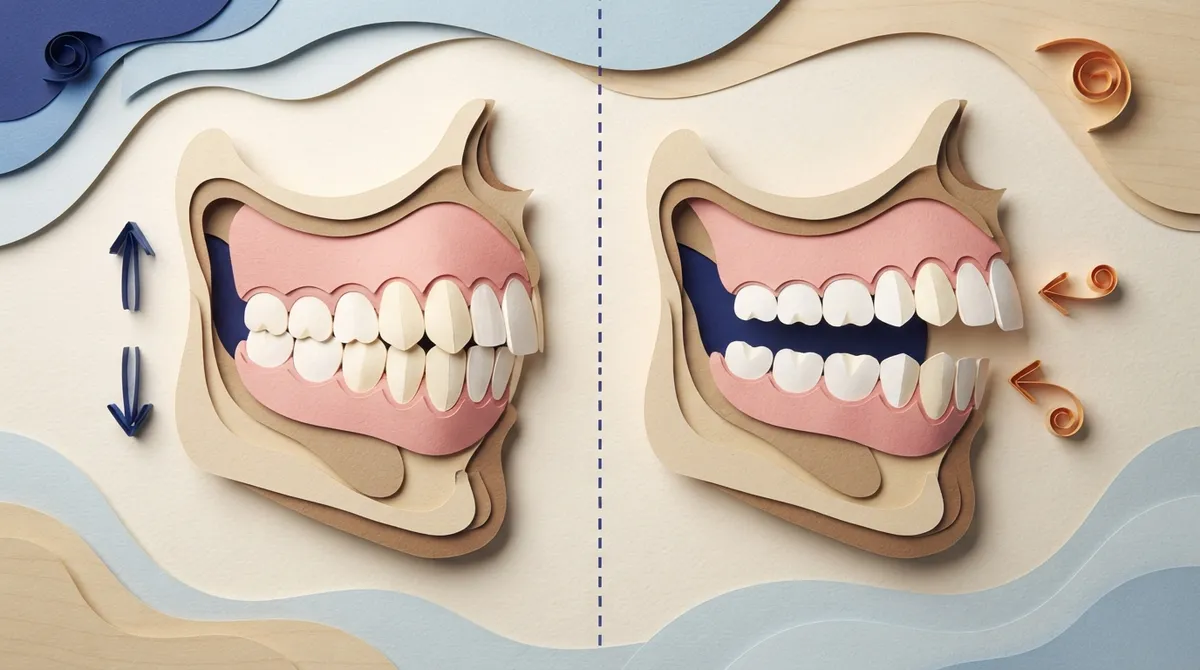
What Exactly Is an Overbite (And How Is It Different From an Overjet)?
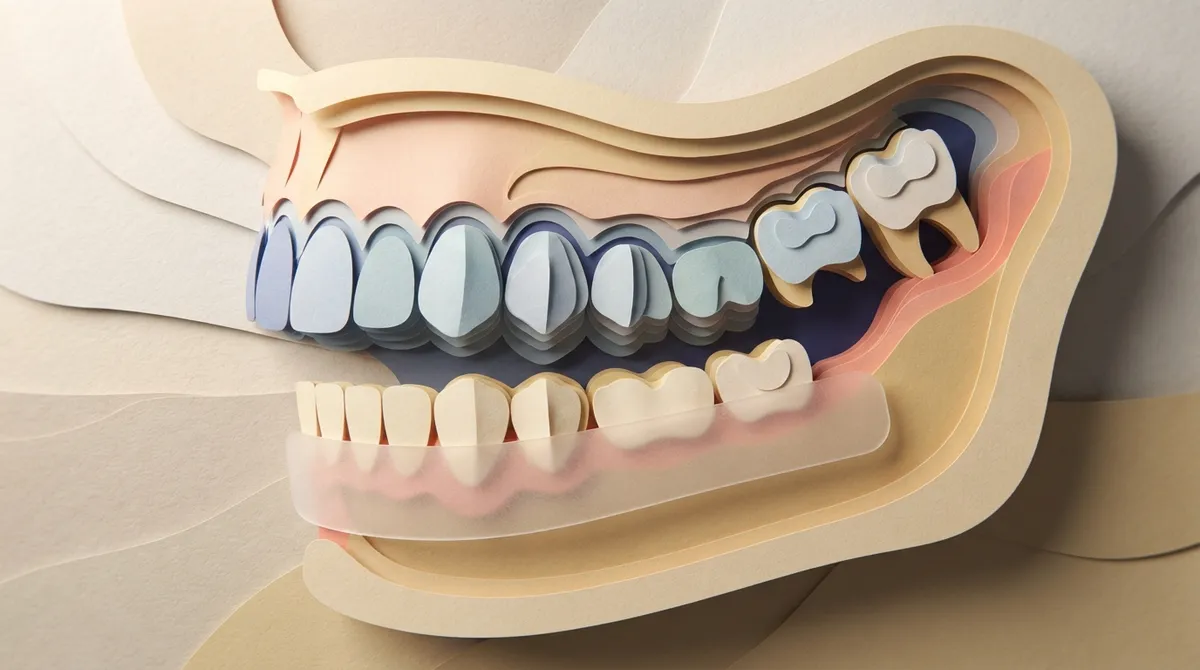
People often mix up these two terms, so let’s clear it up. An overbite is the vertical overlap of your upper teeth over your lower teeth. Overjet, on the other hand, describes how far your upper teeth stick out horizontally, in front of your lower teeth. You can have one without the other, or both together.
A little bit of overbite is actually healthy and normal. Problems start when the overlap becomes excessive, covering most or all of your lower teeth. This is sometimes called a deep bite, and it’s what most adults are referring to when they ask about overbite correction.
Common Causes of Adult Overbites
Overbites don’t just appear out of nowhere. Several things can contribute to them over the years, including:
- Teeth that erupted in an unusual position or angle
- A pronounced curve in your lower teeth (called the curve of Spee)
- Crowded teeth pushing others out of alignment
- Missing teeth that allowed neighboring teeth to shift
- Genetics and natural jaw growth patterns
- Habits like teeth grinding or clenching (bruxism)
A thorough exam, including photos, X-rays, and digital scans, helps your orthodontist figure out exactly what’s causing your bite issue. This is a key part of what happens during your first visit with us.
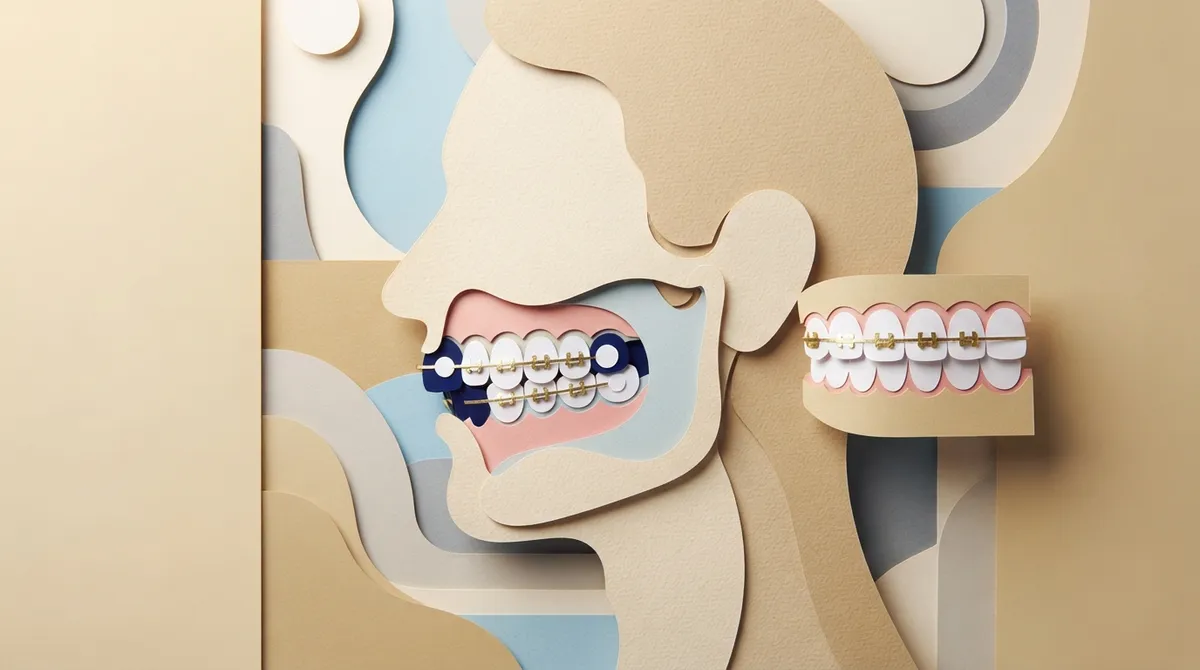
Can Adults Really Get Their Overbite Fixed?
Absolutely. One of the biggest myths in orthodontics is that braces or aligners only work for kids and teens. That’s simply not true. Your teeth are surrounded by a ligament that allows them to move throughout your entire life, no matter your age.
What differs for adults is mainly the underlying cause. In growing children, orthodontists can sometimes guide jaw development. In adults, treatment usually focuses on moving the teeth themselves, since the jawbone has already finished growing. This means treatment plans for grown-ups are often more precise and may involve different tools than a teen’s plan.
Three Main Ways Braces Fix a Deep Bite
Correcting a deep bite generally relies on one or more of these approaches:
- Intrusion of the front teeth: Gently pushing the upper and lower front teeth further into the gums to reduce overlap.
- Extrusion of the back teeth: Encouraging the back molars to erupt slightly more, which opens the bite naturally.
- Controlled movement of the front teeth: Carefully tipping or moving the front teeth forward to improve the relationship between upper and lower arches.
Your orthodontist will choose the safest and most effective method based on your gum health, how much tooth shows when you smile, and the severity of your bite. Tools like bite turbos, elastics, and sometimes tiny anchors called miniscrews can help fine-tune the results.
Treatment Options for Adult Overbite Correction
The good news is that you have real choices today. Here’s a quick look at how the most common options compare.
| Treatment Option | Best For | Typical Timeline | Visibility |
|---|---|---|---|
| Traditional Metal Braces | Moderate to severe deep bites | 12–24 months | Visible |
| Ceramic (Clear) Braces | Mild to moderate cases wanting a subtler look | 12–24 months | Less visible |
| Spark™ Clear Aligners | Mild to moderate dentoalveolar deep bites | 12–18 months (varies) | Nearly invisible |
| Combined Ortho + Jaw Surgery | Severe skeletal discrepancies | Varies, often longer | N/A |
Many of our patients love Spark™ Clear Aligners because they’re discreet and fit into busy professional schedules without drawing attention. Others prefer the predictability of traditional braces, especially for more complex bite corrections. We’ll walk you through the pros and cons of each during your consultation.
What the Research Says About Clear Aligners for Deep Bites
A 2025 systematic review looked closely at how well clear aligners correct deep bites. It found that bite-opening results ranged from 0.4 mm to 3.8 mm, with correction accuracy between about 33% and 49%. A newer 2026 review reported a pooled average overbite reduction of about 1.79 mm with today’s aligner technology, though results varied a lot between studies.
What does this mean for you? Clear aligners can work well for mild-to-moderate dental deep bites, but their success with more complex, skeletal bite problems is less predictable. This is exactly why a personal exam matters so much. What worked for your coworker or your sister may not be the right fit for your specific bite.
How Long Does Adult Overbite Correction Take?
This is one of the most common questions we hear, and it makes sense. Nobody wants an open-ended timeline. In general, comprehensive treatment for adults takes about 12 to 24 months. Severe cases, surgical cases, or retreatment situations can take longer.
A large systematic review of deep-bite studies found some helpful numbers. Before treatment, patients had an average overbite of 5.3 mm. After treatment, that dropped to about 2.6 mm. At long-term follow-up, it settled around 3.4 mm. Reported corrections ranged from 0.9 mm to 4.4 mm, and follow-up periods stretched from about 1.2 to nearly 15 years.
What About Relapse?
Here’s an important truth: teeth can shift back over time if you skip your retainer. The same review found relapse ranging from 0 to 2.1 mm across different studies. That’s why retainers are such a big deal after your braces or aligners come off. Whether you get a removable retainer, a fixed one, or both, wearing it as directed is what protects your investment long-term.
Will You Need Jaw Surgery?
Most adults with a deep bite do not need surgery. Braces and aligners can correct the vast majority of cases, especially when the problem is mainly dental rather than skeletal. However, some adults have more significant jaw-position issues, excessive vertical growth patterns, or noticeable facial imbalance. In these situations, your orthodontist may recommend an evaluation for combined orthodontic and jaw surgery, also called orthognathic surgery.
This isn’t meant to alarm you. It’s simply part of being thorough. Our adult treatment plans always start with a full diagnostic workup so we can tell you honestly what to expect, whether that’s braces alone or a referral for a surgical consult.
Is Overbite Correction Painful?
Most adults describe the discomfort as mild soreness, not sharp pain. You might feel some pressure for a few days after adjustments, especially early in treatment. Over-the-counter pain relievers and soft foods usually help. Many patients say it’s much more manageable than they expected, especially compared to memories of braces from decades ago.
Why Untreated Overbites Can Cause Bigger Problems
Not every overbite needs treatment. Some are mild and don’t cause any issues. But a more severe, untreated deep bite can lead to real problems over time, including:
- Accelerated wear or chipping on your front teeth
- Trauma to your gums or the roof of your mouth
- Gum recession around the lower front teeth
- Jaw discomfort or tension
- Worsening bite and tooth-position problems as you age
According to the American Dental Association, untreated bite problems can also make it harder to keep teeth clean, which raises your risk for cavities and gum disease. That’s one more reason it’s worth getting an evaluation sooner rather than later, even if you’ve been putting it off for years.
Steps to Getting Started With Adult Overbite Correction
Feeling ready to take the next step? Here’s what the process generally looks like:
- Schedule a consultation for a full clinical exam and diagnostic records
- Review your X-rays, photos, and digital scans with your orthodontist
- Discuss treatment options, from braces to clear aligners to surgical referral if needed
- Choose a plan that fits your lifestyle, budget, and goals
- Begin treatment with regular check-ins to track your progress
- Transition into a retention phase once your bite is corrected
We know starting something new can feel intimidating, especially as a busy adult juggling work and family. That’s why our team walks you through every step, answering questions along the way. You can learn more about what to expect on our FAQs page before you even book your first appointment.
Why Choose Brockway Orthodontics for Adult Overbite Correction in Clearwater
Dr. Brockway has built her practice around genuine care for every patient who walks through the door, no matter their age. She takes time to listen to your concerns and goals, then explains your options in a way that actually makes sense. No confusing jargon, no rushed appointments.
We’re proud to offer modern technology like digital impressions and 3D imaging, which means more comfort and more accurate treatment planning for your overbite correction. In select cases, we even offer same-day treatment starts, because we know adults don’t have time to spare for multiple extra visits. You can explore our full range of orthodontic services to see what fits your needs best.
Curious what other patients think? You can visit us on Google — Brockway Orthodontics to read real reviews from Clearwater families and adults just like you. We also share smile transformations and helpful tips on Instagram and Facebook, so you can get a feel for our office before you ever step inside.
A Note on Financing Your Treatment
Cost is often a big concern for adults considering orthodontic treatment. The good news is that flexible payment options exist, and many insurance plans offer partial coverage. Our team can walk you through your financing and insurance options so you can plan with confidence. You can also check with the Florida Association of Orthodontists for general guidance on choosing a qualified provider in your area.
Frequently Considered Questions Before Starting Treatment
Before wrapping up, it’s worth mentioning that every smile is different. What worked beautifully for your neighbor might not be the right plan for you. That’s the whole point of a personalized consultation. Our goal is always to build a treatment plan around your specific bite, your goals, and your lifestyle, not a one-size-fits-all approach.
Ready to stop wondering and start smiling with confidence? Book your appointment online today and let’s talk about the best path forward for your overbite correction. Or if you have questions first, feel free to reach out to our friendly Clearwater team. We can’t wait to help you love your smile again.
FAQs
Q: Can adults get braces to fix an overbite?
A: Yes, absolutely! Adult teeth can still move just as well as they did when you were younger. Many of our patients at Brockway Orthodontics are adults who finally decided it was their turn to get the smile they’ve always wanted.
Q: Can clear aligners correct a deep overbite in adults?
A: Clear aligners like Spark™ can work well for mild-to-moderate deep bites, though results vary depending on the case. During your consultation, we’ll take a close look at your bite to see if aligners are the right fit or if traditional braces might work better for you.
Q: How long does adult overbite correction take?
A: Most adults complete treatment in about 12 to 24 months, though it really depends on how severe your bite is. We’ll give you a personalized timeline estimate once we’ve reviewed your exam and scans together.
Q: What is the difference between an overbite and an overjet?
A: Great question, and one we get a lot! An overbite is how much your upper teeth overlap your lower teeth vertically, while overjet describes how far your upper teeth stick out horizontally in front of the lower ones. You can actually have both at the same time.
Q: Will I need jaw surgery to fix my overbite?
A: Most adults never need surgery, since braces or aligners can correct the majority of overbite cases. Surgery is usually only considered for severe skeletal issues, and we’ll always be upfront with you if that’s a path worth exploring.
Our Service Area