
Key Takeaways
-
Daily cleaning around the bonded wire is critical—food and plaque buildup can cause gum inflammation, calculus, and cavities within weeks without proper hygiene using floss threaders and interdental brushes.
-
Bond failure occurs in 35% of cases overall, with rates climbing to 54% long-term, making regular orthodontist checkups essential to catch loose or bent wires before teeth shift.
-
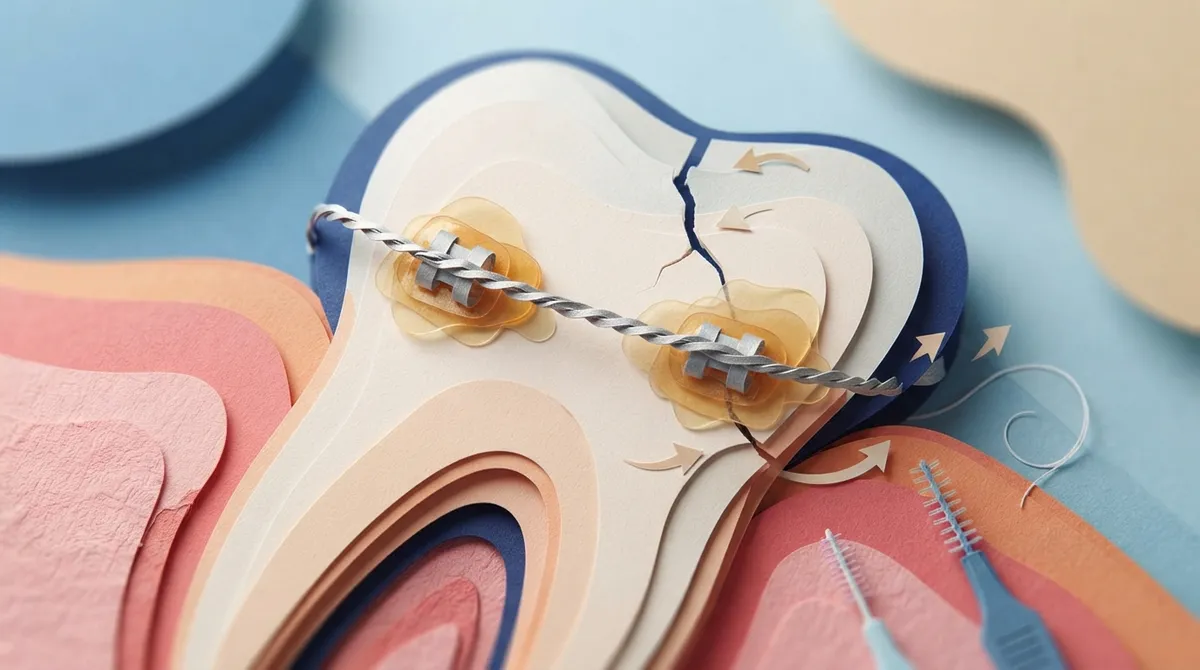
Teeth can still move despite a permanent retainer due to natural aging, gum disease, tooth loss, grinding, or wire detachment, so the retainer is not a guarantee of permanent fixed teeth.
-
Research shows both bonded and removable retainers perform similarly for most cases, with bonded retainers having a slight edge only for lower-arch stability—the best choice depends on your relapse risk and hygiene diligence.
-
Avoid stressing the wire by cutting hard foods into smaller pieces, not using teeth to open packages, and addressing loose or sharp wires immediately to prevent tooth movement.
-
If experiencing relapse after years of orthodontic treatment, seek help promptly—early intervention is simpler and more cost-effective than waiting for crowding or gaps to worsen significantly.
So you just got your braces off, or maybe you finished your Spark™ Clear Aligner journey, and your orthodontist mentioned a permanent lingual retainer. Exciting, right? Your new smile deserves protection, and this little bonded wire is one of the best tools we have to keep your teeth exactly where they belong. But here’s the thing: even though a permanent lingual retainer sounds simple, plenty of patients make avoidable mistakes that lead to broken wires, gum irritation, or even unwanted tooth movement.
At Brockway Orthodontics, we’ve helped countless families in Clearwater protect their smiles long after treatment ends. Whether you’re a parent making decisions for your teen, an adult professional who invested serious time in straightening your teeth, or someone dealing with relapse from years ago, this guide walks you through the most common slip-ups. Avoid these ten mistakes, and your permanent lingual retainer can quietly do its job for years to come.
What Is a Permanent Lingual Retainer, Exactly?
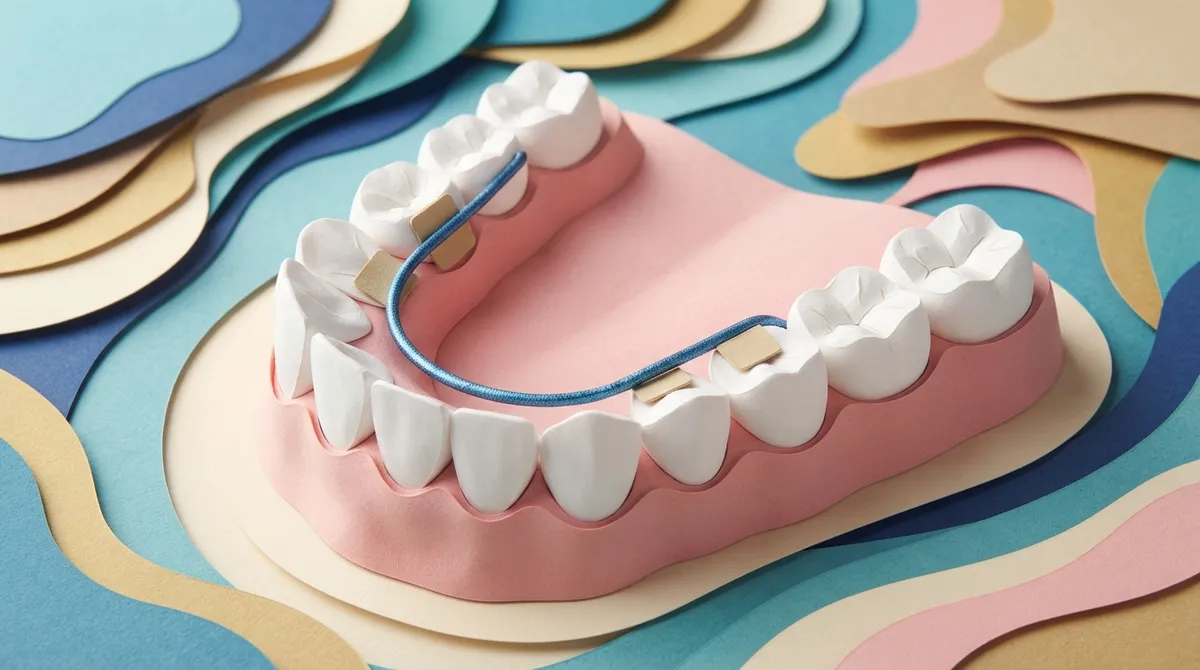
A permanent lingual retainer, sometimes called a fixed or bonded retainer, is a thin wire glued to the back of your teeth. It usually sits behind your lower front teeth, though upper retainers exist too. Unlike a removable retainer you pop in and out, this one stays put around the clock.
The big appeal? You don’t have to remember to wear it. That makes it a favorite choice for patients with a higher risk of relapse, like those who had significant crowding, rotated teeth, or stubborn gaps before treatment. Learn more about how braces and retainers work together on our website.
Mistake 1: Skipping Daily Cleaning Around the Wire
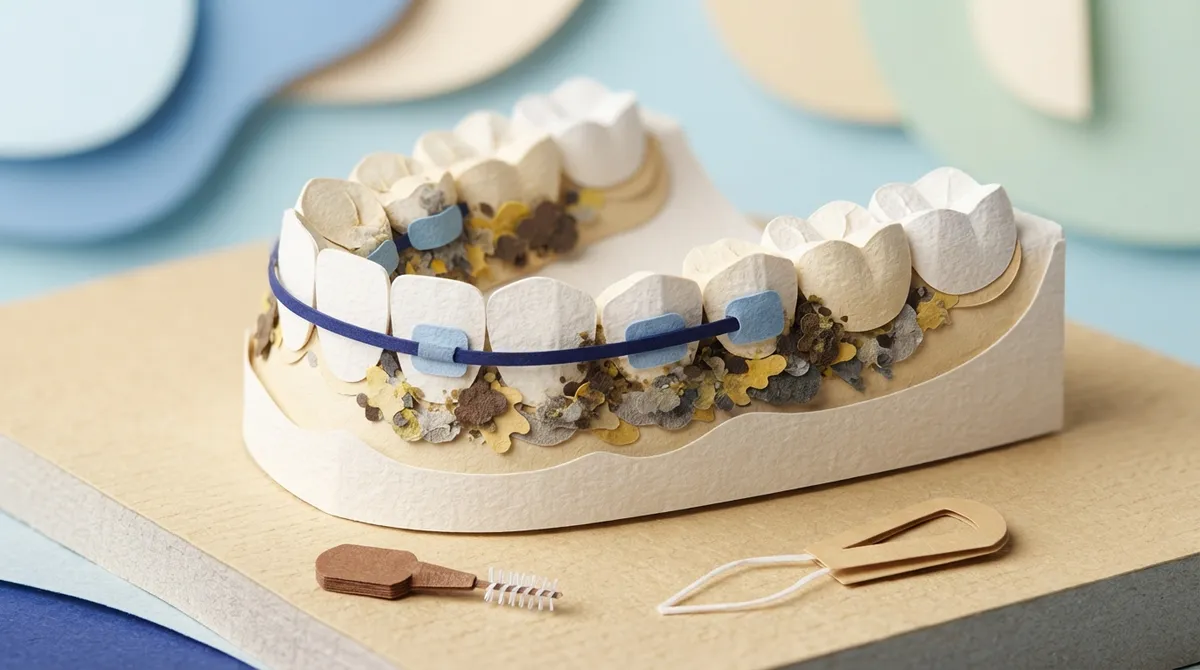
This is the number one mistake we see. Food particles and plaque love to hide around a bonded wire, and if you don’t clean carefully, you’re asking for trouble.
- Plaque buildup can lead to gum inflammation within weeks
- Calculus (hardened plaque) is tough to remove without a dentist
- Bad breath often shows up when hygiene slips
- Cavities can form near the bonding material if left untreated
A 2023 periodontal-health review found that fixed retainers can increase plaque, calculus, and gum inflammation compared to removable retainers. That doesn’t mean you should avoid a fixed retainer. It just means daily cleaning is non-negotiable.
Mistake 2: Not Using the Right Cleaning Tools
A regular toothbrush alone won’t cut it. You need specific tools designed to get underneath and around the wire.
- Floss threaders or orthodontic floss designed for bonded retainers
- Interdental brushes (tiny bottle-brush style tools) for tight spaces
- A water flosser for an extra rinse between teeth
- Fluoride mouthwash to strengthen enamel near the bonding sites
Your orthodontist or hygienist can show you exactly how to use these during your visit. If you’re unsure which tools work best for your retainer, our team is happy to walk you through it during a visit to our office.
Mistake 3: Ignoring a Loose or Bent Wire
If your retainer feels loose, wiggly, or sharp, don’t wait it out. A loose wire can shift out of place and allow teeth to move in ways you don’t want.
Contact your orthodontist right away if you notice:
- A tooth that feels like it’s moving on its own
- A poking or sharp sensation on your tongue
- Difficulty flossing that suddenly gets much harder
- Visible gaps between the wire and your teeth
Mistake 4: Assuming the Retainer Makes Teeth Permanently Fixed
Here’s a common myth: many patients think a permanent lingual retainer means their teeth can never move again. That’s simply not true.
Teeth can still shift due to:
- Natural aging and jaw changes over time
- Gum disease or periodontal changes
- Tooth loss elsewhere in the mouth
- Grinding or clenching forces (bruxism)
- A distorted or partially detached wire
Long-term retention is often the goal, but the exact duration and design should be personalized. Every mouth is different, which is why Dr. Brockway builds individualized retention plans rather than a one-size-fits-all approach.
Mistake 5: Skipping Regular Checkups
Some patients think once the retainer is bonded, they’re done seeing the orthodontist. Not quite. Regular checkups catch small issues before they become big ones.
Here’s a simple table showing what your orthodontist checks during a retainer review:
| What’s Checked | Why It Matters |
|---|---|
| Wire integrity | Catches bending or fraying before it snaps |
| Bonding strength | Detects debonding before teeth shift |
| Gum health | Spots early inflammation or calculus buildup |
| Tooth position | Confirms no unwanted movement has occurred |
| Bite contacts | Ensures the retainer isn’t interfering with your bite |
Mistake 6: Choosing a Retainer Without Considering Your Lifestyle
Fixed and removable retainers each have pros and cons. Neither one wins for every patient. A 2023 critical review found there wasn’t enough evidence to say fixed retention beats removable retention across the board.
Consider these factors before deciding:
- Your risk of relapse based on your original case
- How diligent you are with oral hygiene
- Your periodontal (gum) health history
- Whether you can reliably wear a removable retainer as instructed
- Your bite and how it interacts with a bonded wire
- Your orthodontist’s clinical recommendation for your specific smile
Many patients actually benefit from both: a bonded lower retainer plus a removable upper retainer for backup protection. Our full range of orthodontic services includes personalized retention plans for exactly this reason.
Mistake 7: Eating Foods That Stress the Wire
You can absolutely eat normally with a bonded lingual retainer, but a few food habits can cause problems.
- Biting directly into hard foods like whole apples or corn on the cob
- Chewing ice regularly
- Eating extremely sticky candy that tugs at the wire
- Using your front teeth to open packages or bite fingernails
Cutting food into smaller pieces protects the bond and keeps your retainer intact for the long haul.
Mistake 8: Underestimating Bond Failure Rates
Bond failure happens more often than people expect, and it’s helpful to know the numbers so you’re not caught off guard.
A 2023 systematic review and meta-analysis of 34 studies, involving 3,484 participants, found an overall fixed bonded-retainer failure rate of 35.22%. That failure rate climbs with time:
| Follow-Up Period | Reported Failure Rate |
|---|---|
| Short term | 24.18% |
| Medium term | 40.09% |
| Long term | 53.85% |
Separately, a systematic review of fixed-retainer failures found bond-failure rates ranging from 3.5% to 53%, depending on design and technique. This wide range shows why the quality of bonding and the orthodontist’s technique matter so much. This isn’t meant to alarm you. It’s meant to help you understand why checkups matter and why a quick repair now beats a bigger problem later.
Mistake 9: Comparing Bonded and Removable Retainers Unfairly
It’s tempting to assume one option is simply “better.” The research tells a more nuanced story.
A 2022 systematic review of randomized clinical trials found bonded retainers outperformed vacuum-formed retainers for lower-arch stability at 3 to 6 months and again at 4 years, while both performed similarly at 12 to 24 months. For the upper arch, both approaches worked about the same. That same review also found bonded retainers came with more plaque and calculus buildup after 12 months.
A 2024 systematic review echoed this, finding both retainer types generally maintain alignment similarly, with only a small (and not clinically significant) edge for fixed retainers in the lower arch. In short: both options can work well. The right choice depends on your case, not a blanket rule.
Mistake 10: Waiting Too Long to Get Help After Relapse
If you had orthodontic treatment years ago and you’re noticing shifting now, don’t put it off. Orthodontic relapse is common, and the earlier you address it, the simpler the fix usually is.
Signs it’s time to schedule a visit:
- Your bottom teeth look crowded again after years of being straight
- You notice new gaps forming
- Your bite feels different than it used to
- An old retainer no longer fits
Dr. Brockway works with adult patients throughout Clearwater who are dealing with exactly this kind of relapse. Whether you need a fresh evaluation for a new retainer or a broader conversation about adult treatment options, getting ahead of the problem saves you time and money.
Comparing Your Retainer Options at a Glance
| Retainer Type | Best For | Hygiene Effort |
|---|---|---|
| Permanent lingual retainer | High relapse risk, hands-off retention | Higher, requires floss threaders |
| Removable retainer | Patients who reliably wear appliances | Lower, simple to clean |
| Combination approach | Extra security and backup protection | Moderate, involves both routines |
Why Personalized Care Matters
No two smiles are identical, and no two retention plans should be either. That’s why our approach at Brockway Orthodontics always starts with listening to your goals and reviewing your specific case. Dr. Brockway takes pride in offering the kind of orthodontist Clearwater families trust for thoughtful, individualized recommendations rather than a cookie-cutter plan.
We also stay current with guidance from trusted organizations like the American Dental Association and the Florida Association of Orthodontists to make sure our recommendations reflect the best available evidence. And if you’d like to see what real patients say about their experience, feel free to read Brockway Orthodontics reviews on Google or follow along on Instagram for smile transformations and helpful tips.
Keeping Your Smile Protected for the Long Run
A permanent lingual retainer is a wonderful tool, but it works best when you understand how to care for it. Clean around it daily, watch for warning signs, and keep your regular checkups. Avoid the ten mistakes above, and you’ll give your retainer the best shot at protecting your smile for years, maybe even decades, to come.
If you’re due for a retainer check, dealing with a loose wire, or simply curious whether a fixed or removable retainer fits your lifestyle better, we’d love to help. Book appointment online with our friendly Clearwater team, and let’s make sure your smile stays exactly where you worked so hard to put it.
FAQs
Q: How long does a permanent lingual retainer last?
A: Many bonded retainers last several years, and some can last a decade or more with great care. That said, wires can fail sooner if hygiene slips or the bonding weakens, so regular checkups really help catch issues early.
Q: Can a permanent retainer be removed?
A: Yes! Your orthodontist can remove it in a quick, painless office visit whenever you and your doctor decide it’s time. Just don’t try to remove it yourself at home, since that can damage your teeth or the enamel.
Q: How do you clean and floss around a permanent lingual retainer?
A: You’ll want to use a floss threader, orthodontic floss, or interdental brushes designed to slide under the wire. It takes a little practice at first, but most patients get the hang of it within a week or two.
Q: Can teeth move even with a permanent retainer in place?
A: They can, especially if the wire becomes loose, bent, or partially detached. That’s exactly why we recommend regular professional checkups, so any small issue gets caught before it turns into noticeable shifting.
Q: Is a permanent lingual retainer better than a removable retainer?
A: Not necessarily, it really depends on your case! Research shows both types can work well, and the best choice comes down to your relapse risk, hygiene habits, and what your orthodontist recommends for your unique smile.
Our Service Area