Key Takeaways
-
Teeth naturally shift throughout life even without braces, making long-term retainer wear essential to protect your orthodontic investment and prevent relapse.
-
Most patients benefit from combination retainers: a fixed wire bonded behind lower front teeth plus a removable clear or Hawley retainer for upper teeth based on relapse risk.
-
Typical wear schedule involves full-time wear for first weeks/months, then nighttime-only for at least one year, followed by reduced part-time wear indefinitely to maintain results.
-
Replace lost or broken retainers immediately and avoid wearing ill-fitting old retainers; contact your orthodontist promptly to limit tooth shifting and get a new scan if needed.
-
Care for retainers using only cool water and gentle brushing with mild soap, never hot water; store in cases away from pets and bring to every dental checkup.
-
Fixed retainer bond-failure rates range from 3.5% to 53% with nearly 40% of certain types failing within two years, making regular professional monitoring critical for durability.
So your braces just came off, or maybe your Spark™ clear aligner treatment wrapped up, and now everyone keeps asking the same thing: “Did you get retainers yet?” Great question! Retainers are the unsung heroes of orthodontic care. They hold your teeth exactly where your orthodontist worked so hard to put them. Without one, your smile can slowly drift back toward its old habits, and nobody wants that after months (or years) of hard work.
Whether you’re a parent whose teen just finished treatment, a busy professional who invested in a straighter smile, or someone dealing with orthodontic relapse from years ago, this guide will walk you through everything about how to get retainers. We’ll cover types, costs, wear schedules, and what to do if yours breaks or goes missing. Let’s get your smile protected for the long haul!
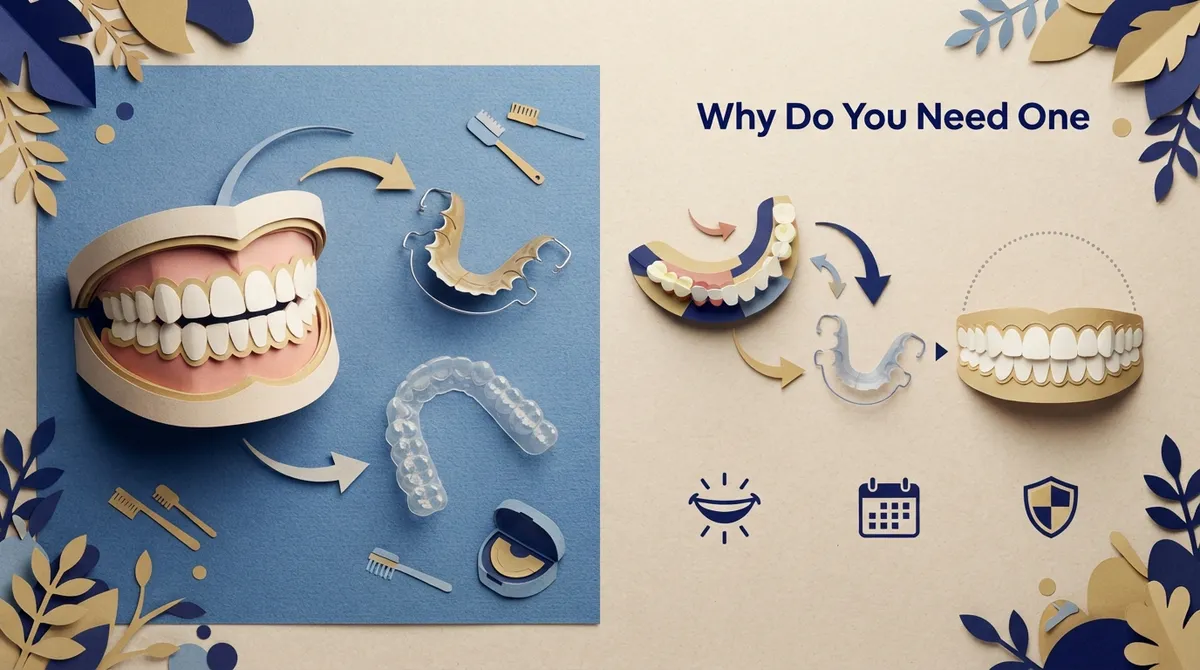
What Are Retainers and Why Do You Need One
Retainers are custom-made appliances that hold your teeth in their new, corrected positions. Think of them as a security guard for your smile. After braces or aligners move your teeth, your bone and gum tissue need time to settle around them. Skip the retainer, and your teeth can start shifting almost right away.
This isn’t just a scare tactic. Teeth naturally want to move throughout your life, even if you never had braces. That’s why retention is considered a long-term commitment, not a quick finish line. The team at Brockway Orthodontics walks every patient through this step so nobody feels caught off guard after their braces come off.
Types of Retainers: Which One Fits Your Life
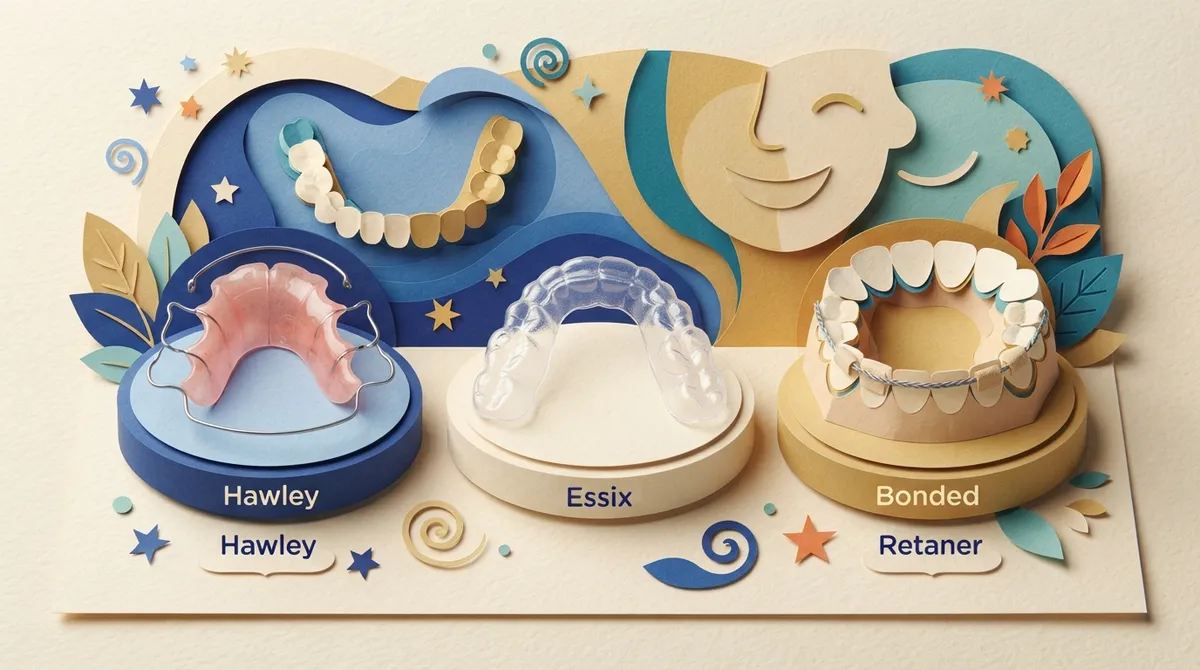
Not all retainers look or feel the same. Your orthodontist will recommend one based on your treatment, your bite, and how much your teeth tend to shift. Here’s a quick breakdown of the most common options.
| Retainer Type | What It’s Made Of | Best For | Visibility |
|---|---|---|---|
| Clear thermoplastic (Essix-style) | Thin, molded plastic | Patients who want a discreet, removable option | Nearly invisible |
| Hawley retainer | Acrylic and metal wire | Patients needing durability and minor adjustments | Visible wire |
| Fixed (bonded) retainer | Thin wire bonded behind teeth | Higher relapse risk or lower front teeth | Hidden behind teeth |
Many patients actually get a combination: a fixed retainer on the lower front teeth plus a removable one for the upper arch. Your orthodontist will explain exactly why a certain combo makes sense for your smile during your first visit or follow-up appointment.
How to Get Retainers After Braces or Clear Aligners
Getting your retainer isn’t complicated, but there is a process. Here’s what typically happens once your active treatment wraps up.
- Your orthodontist removes your braces or confirms your aligner treatment is complete.
- A digital scan or impression is taken to capture your teeth’s final, corrected position.
- Your retainer is custom-made, often within a week or two, sometimes even same-day depending on the office.
- You return for a fitting appointment to make sure everything feels comfortable and snug.
- Your orthodontist reviews your personalized wear schedule so you know exactly when and how long to wear it.
If it’s been a while since your last checkup and you’re not sure where you stand, booking a consultation online is the easiest way to get back on track. Brockway Orthodontics proudly serves Clearwater families and makes this process as smooth as possible.
How Long Do You Really Need to Wear a Retainer
This is probably the most common question we hear, and the honest answer is: longer than you’d like! Most protocols follow a similar pattern, though your orthodontist will tailor it to your specific case.
- Full-time wear (except eating and brushing) for the first few weeks or months
- Nighttime-only wear for at least the first year
- Reduced wear, often just a few nights a week, after the first year
- Some form of retainer wear indefinitely to protect your investment
According to NHS patient guidance, many services recommend nighttime wear for at least one full year after braces come off, then continued part-time wear long term. There’s really no magic date when you can stop for good, since teeth keep shifting naturally with age.
Retainer Costs: What to Expect
Pricing varies quite a bit depending on the type of retainer, your location, and whether you need a replacement versus a first-time appliance. Here’s a general look at what patients often encounter.
| Retainer Type | Typical Price Range (Per Retainer) | Notes |
|---|---|---|
| Clear removable | Varies by provider and material | May need periodic replacement |
| Hawley retainer | Generally higher due to durability | Can last several years with care |
| Fixed/bonded retainer | Depends on bonding and monitoring visits | Requires professional checkups |
For example, published NHS patient guidance lists replacement charges around £60 to £75 per removable retainer, though private practice fees in the U.S. vary widely. If cost is a concern, ask about financing and insurance options that can make retainers more manageable for your budget.
Caring for Your Retainer: Simple Daily Habits
A retainer is only helpful if it stays in good shape. Fortunately, taking care of one doesn’t take much effort once it becomes part of your routine.
- Rinse with cold or lukewarm water, never hot (hot water can warp thermoplastic retainers)
- Brush gently with a soft toothbrush and mild soap, avoiding abrasive toothpaste
- Store it in its case whenever it’s not in your mouth
- Keep it away from pets, who love to chew on them
- Bring it to every dental and orthodontic checkup so your provider can inspect it
These small habits go a long way toward avoiding costly replacements. It’s also smart to follow the American Dental Association guidelines on oral hygiene, since a clean mouth means a cleaner, longer-lasting retainer too.
What If Your Retainer Feels Tight, Breaks, or Goes Missing
Life happens. Retainers get left on lunch trays, chewed by dogs, or simply feel snug one morning out of nowhere. Here’s how to handle the most common retainer emergencies.
If Your Retainer Feels Tight
A tight retainer usually means your teeth have shifted slightly. Don’t try to force it into place, since this can cause discomfort or damage. Instead, contact your orthodontist promptly for an evaluation.
If Your Retainer Is Lost or Broken
- Call your orthodontist’s office right away, don’t wait it out
- Avoid wearing an old, ill-fitting retainer as a temporary fix without guidance
- Schedule a new scan or impression if your teeth have moved
- Get a replacement made as quickly as possible to limit shifting
Research on fixed retainers shows bond-failure rates can range widely, from about 3.5% up to 53% in various studies, which is exactly why routine checkups matter so much. One review even found nearly 40% of certain fixed lower retainers failed within two years. That’s not meant to alarm you, but it does explain why your orthodontist wants to see that bonded wire regularly. If you’re dealing with a broken appliance right now, our guide on what to do if your retainer breaks can help you act fast.
Fixed vs Removable Retainers: A Quick Comparison
Choosing between a fixed and removable retainer often comes down to lifestyle and relapse risk. Here’s a side-by-side look to help you understand the tradeoffs.
| Feature | Fixed Retainer | Removable Retainer |
|---|---|---|
| Daily effort | Very low, it’s always in place | Requires remembering to wear it |
| Cleaning | Needs careful flossing around the wire | Easy to remove and clean separately |
| Durability | Can detach without you noticing | Can be lost, cracked, or forgotten |
| Best for | High relapse risk areas | Patients who want flexibility |
Many patients benefit from combining both types, and your orthodontist can help decide what makes sense for your smile and daily routine.
Orthodontic Relapse: When You Might Need Retainers Again
Maybe you had braces years ago, stopped wearing your retainer, and now your teeth have shifted back. You’re definitely not alone. This is called orthodontic relapse, and it’s more common than people realize, especially among busy adults who simply forgot or lost their old retainer.
A 2024 systematic review comparing relapse after aligner treatment versus traditional braces found no clear difference between the two methods, though researchers noted more high-quality studies are still needed. The takeaway? Relapse can happen no matter which treatment you originally chose, which is exactly why long-term retainer wear matters so much.
If your smile has shifted and you’re considering a refresh, Brockway Orthodontics offers both traditional braces and Spark™ Clear Aligners, a more affordable and discreet alternative for adults who want a subtle fix. Dr. Brockway takes time to understand your goals and history so your second round of treatment sets you up for lasting success this time.
Why Clearwater Families Choose Brockway Orthodontics for Retainers
Getting retainers isn’t just about the appliance itself, it’s about having a trusted team behind you. Dr. Brockway and her staff use digital scanning technology instead of messy molds, which makes the whole process faster and more comfortable, especially for kids and teens who might be nervous.
Our Clearwater office also offers same-day options in certain cases, so families don’t need to juggle multiple appointments during busy school and work schedules. Whether you’re bringing in your teenager for their very first retainer or you’re an adult professional finally addressing years-old relapse, our team treats every patient with the same warmth and attention. Learn more about our full range of services or explore adult treatment options designed around real, busy lives.
We’re proud to be part of the Clearwater community, and we’d love for you to visit us on Google to see what our Brockway Orthodontics patients are saying. You can also follow along and see real smile transformations on our Instagram and Facebook pages. For general orthodontic standards and provider information, the Florida Association of Orthodontists is also a helpful resource for patients researching their care options.
And if you’re a Clearwater homeowner working on other projects around the house while you’re at it, our friends over at Bucheli Trim Carpentry do fantastic finish carpentry work locally, always nice to support neighbors who care about quality craftsmanship, just like we do with smiles!
Quick Checklist Before You Get Retainers
Before your next appointment, here’s a simple checklist to make sure you’re fully prepared and set up for success.
- Confirm whether you need a removable, fixed, or combination retainer
- Ask about your specific wear schedule for the first year and beyond
- Get clear instructions on cleaning and storage
- Understand replacement costs in case of loss or damage
- Schedule regular checkups to monitor fit and wire integrity
- Ask questions, your orthodontist wants you to feel confident, not confused
Retainers might seem like a small detail compared to the excitement of getting your braces off, but they’re truly the final, essential step in your orthodontic journey. Treat this phase with the same care you gave your braces or aligners, and your smile will thank you for decades to come.
Ready to get retainers or curious if it’s time for a new one? Our friendly Clearwater team is here to help every step of the way. Reach out to our team today and let’s make sure your smile stays exactly where it belongs.
FAQs
Q: Where can I get retainers after braces or clear aligners?
A: You’ll want to head back to the orthodontist who completed your treatment, since they already have your records and know your smile best. If that’s not an option, any qualified orthodontist can help, and our Clearwater team at Brockway Orthodontics is always happy to welcome new patients too!
Q: How much do orthodontic retainers cost?
A: Costs vary depending on the type you choose and whether it’s a first-time appliance or a replacement. Removable retainers tend to be more affordable than fixed ones, but we always recommend asking about financing options so cost never gets in the way of protecting your smile.
Q: Do I really need to wear my retainer for life?
A: In most cases, yes, at least on some part-time basis. Teeth naturally shift with age even without braces, so ongoing retainer wear is the best way to keep your smile looking the way you love it.
Q: What should I do if I lose or break my retainer?
A: Don’t panic, but don’t wait either! Call your orthodontist right away so they can get you scheduled for a replacement before your teeth have a chance to shift.
Q: Can I get a new retainer if my teeth have already shifted?
A: Absolutely, though you may need a fresh scan or impression to capture your teeth’s current position. In some cases, minor treatment might be needed first before a new retainer will fit comfortably, and that’s completely normal.
Our Service Area