Key Takeaways
-
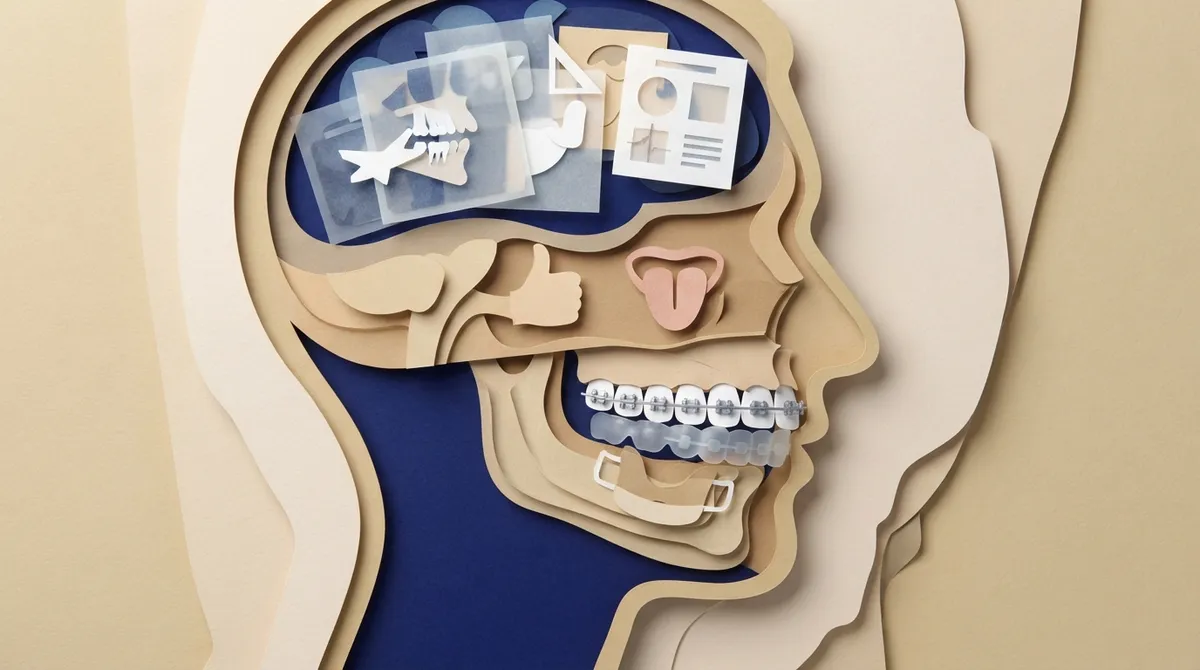
Get a proper diagnostic evaluation including clinical exam, digital scans, and X-rays to determine if your open bite is caused by dental, skeletal, or habit-related factors—treating the wrong cause wastes time and money.
-
Address contributing habits like thumb sucking, tongue thrusting, and pacifier use before age 9, as stopping these early allows the bite to self-correct in about 75% of uncomplicated cases without appliances.
-
Choose treatment based on your age and specific cause: young children need habit cessation, teens may use braces or clear aligners, and adults with severe skeletal open bites may require combined orthodontics and jaw surgery.
-
Expect realistic treatment timelines: mild cases take 12-18 months, growth-related cases need multiple phases, and skeletal cases with surgery require two years or more, plus ongoing retention.
-
Wear your retainer exactly as prescribed indefinitely and address ongoing mouth breathing or tongue posture issues, as open bite relapse rates are higher than other bite corrections due to persistent contributing factors.
-
Seek personalized, comprehensive treatment plans rather than generic approaches, using modern technology like 3D imaging to ensure precision and account for your unique bite characteristics.
Ever notice your front teeth just won’t touch, even when you bite down all the way? That’s called an open bite, and you’re definitely not alone. Research suggests nearly 17% of kids and teens deal with this exact issue. Here at Brockway Orthodontics in Clearwater, we’ve helped countless families navigate open bite correction, and we’ve noticed the same few mistakes tripping people up again and again. Let’s fix that together, shall we?
Whether you’re a parent watching your little one’s smile develop, a teen hoping for straight teeth before graduation, or an adult finally ready to invest in yourself, this guide is for you. We’ll walk through the biggest missteps in open bite correction and show you exactly how to avoid them. Grab a cup of coffee, get comfy, and let’s dive in.
What Exactly Is an Open Bite?
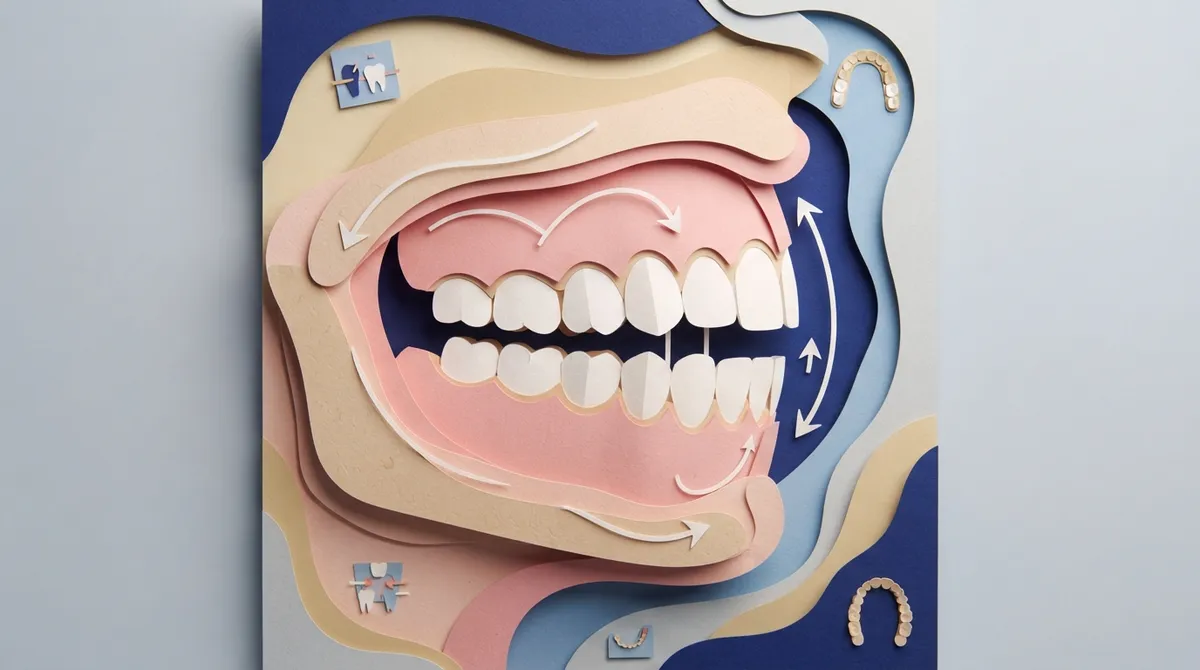
An open bite happens when your upper and lower teeth don’t meet when your jaw is closed. Most often, this shows up between the front teeth, called an anterior open bite. Sometimes it affects the back teeth instead, known as a posterior open bite.
This isn’t just a cosmetic quirk. Open bites can affect chewing, speech, and even breathing. The causes are often a mix of genetics, habits, and jaw growth patterns. Understanding the root cause is the first step toward real, lasting correction.
Common Causes Behind Open Bite
- Prolonged thumb or finger sucking past toddler years
- Extended pacifier use
- Tongue thrusting or resting the tongue against the front teeth
- Mouth breathing caused by airway obstruction
- Genetic vertical jaw growth patterns
- Untreated eruption problems with baby or adult teeth
Because there are so many possible causes, a proper diagnosis matters more than guessing. That brings us to mistake number one.
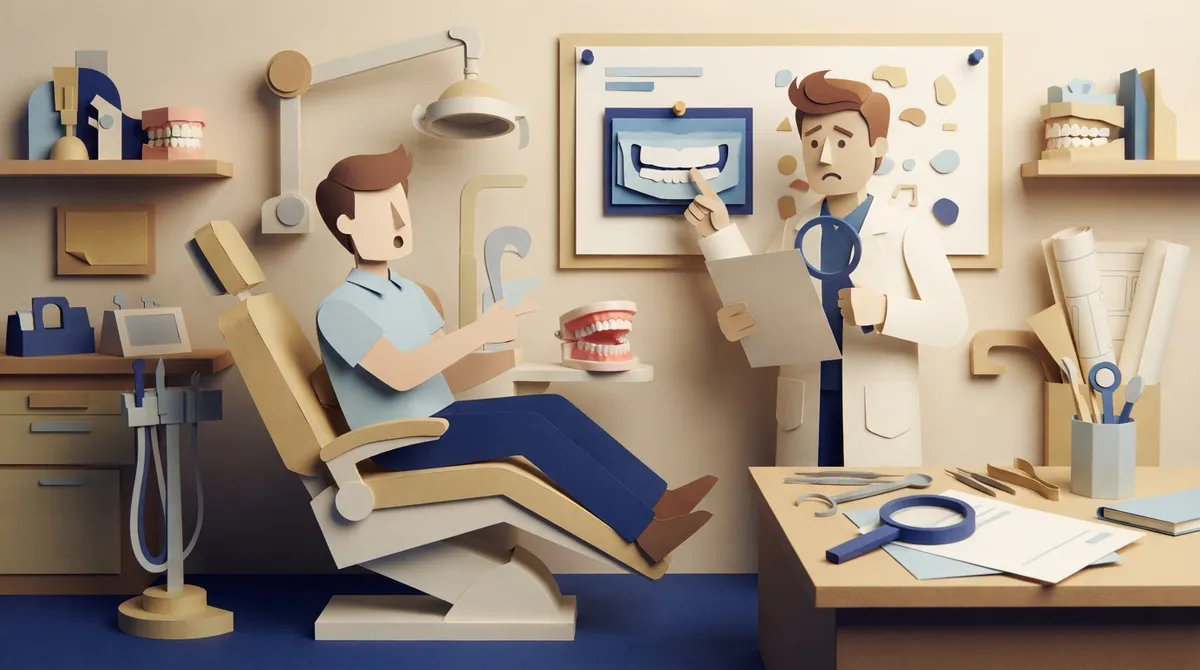
Mistake 1: Skipping a Proper Diagnosis
It’s tempting to assume an open bite is “just how the teeth grew in.” But without a real exam, you can’t know if the cause is dental, skeletal, or habit-related. Treating the wrong cause wastes time and money.
At your first visit, a thorough evaluation should include a look at tooth contact, facial growth, and jaw alignment. Many practices also use digital scans and imaging to get a clear picture. This helps your orthodontist tell dental causes apart from skeletal ones, which changes the entire treatment plan.
| Diagnostic Tool | What It Shows |
|---|---|
| Clinical exam | Tooth contact, bite pattern, habits |
| Digital scans/models | Precise tooth positioning |
| Panoramic X-ray | Tooth eruption and roots |
| Lateral cephalometric X-ray | Jaw relationship and facial growth pattern |
Skipping this step is like trying to fix a leaky roof without finding where the water is actually coming in. Don’t guess. Get evaluated.
Mistake 2: Ignoring Habits That Cause the Problem
Here’s something a lot of parents don’t realize: braces alone won’t fix an open bite if a habit is still causing it. Thumb sucking, tongue thrusting, and pacifier use can keep pulling teeth back out of alignment, even after treatment.
The good news? In young children, stopping a sucking habit before around age 9 can allow the bite to improve on its own, sometimes without any appliances at all. According to guidance shared by the Australian Society of Orthodontists, uncomplicated open bites in early mixed dentition may self-correct in about 75% of cases when there’s no major skeletal issue and habits are addressed early.
Steps to Address Habit-Related Open Bite
- Identify the habit early, ideally before age 7 or 8
- Talk to your orthodontist about habit-breaking appliances if needed
- Consider myofunctional therapy for tongue thrust or swallowing issues
- Monitor mouth breathing and discuss airway concerns with a specialist
- Reinforce positive habits with encouragement, not punishment
Our team at Brockway Orthodontics loves guiding families through this process. We know breaking a habit isn’t always easy, especially for little ones, so we keep things positive and encouraging every step of the way.
Mistake 3: Choosing the Wrong Treatment for Your Age and Cause
Not every open bite needs the same fix. What works beautifully for a seven-year-old might not be right for a busy working professional. Treatment should always match your age, the severity of the bite, and what’s actually causing it.
Treatment Options by Situation
| Patient Type | Common Approaches |
|---|---|
| Young children with habits | Habit cessation, habit-breaking appliances, observation |
| Kids in mixed dentition | Functional appliances, early guidance, monitoring growth |
| Teens with dental open bite | Traditional braces or Spark™ Clear Aligners |
| Adults with mild to moderate open bite | Braces, aligners, or skeletal anchorage (mini-screws) |
| Adults with severe skeletal open bite | Combined orthodontics and jaw surgery |
For teens and adults, Spark™ Clear Aligners have become a popular, more discreet option. They’re a comfortable and often more affordable alternative for straightening teeth without traditional metal brackets. Of course, not every open bite case is a good fit for aligners, so a consultation is key to figuring out your best path forward.
Adults dealing with more complex skeletal open bites may need a team approach involving orthodontic treatment and jaw surgery. This sounds intimidating, but modern techniques make the process smoother than you might expect, and the results can be life-changing for both bite function and confidence.
Mistake 4: Assuming Treatment Will Be Quick or One-Size-Fits-All
Open bite correction takes patience. A 2014 review noted that anterior open bites are notoriously tricky to treat because so many factors contribute to them, and relapse rates can be higher than with other bite issues. That doesn’t mean treatment won’t work. It means expectations need to be realistic from day one.
Treatment length depends on your age, how severe the open bite is, and whether growth is still happening. Children in active growth phases often respond well to functional appliances. Adults may need a longer combined approach, especially if skeletal correction or surgery is involved.
- Mild dental open bites may resolve in 12 to 18 months with braces or aligners
- Growth-related cases in kids may need multiple phases of treatment
- Skeletal cases combined with surgery can take two years or more, including planning and healing
- Retention and monitoring continue well beyond active treatment
Patience really does pay off here. Rushing the process or expecting instant results can lead to frustration and, worse, relapse down the road.
Mistake 5: Forgetting About Retention and Relapse Prevention
This might be the biggest mistake of all. Open bite correction has a real risk of relapse because growth, habits, tongue posture, and airway issues can keep affecting your bite even after treatment ends. Finishing active treatment doesn’t mean you’re done.
Wearing your retainer exactly as instructed is non-negotiable. Skipping retainer wear is one of the top reasons people end up back in our chairs for retreatment years later. If you’re one of our valued relapse patients, please know there’s no judgment here. We simply want to help you get it right this time.
Tips to Prevent Open Bite Relapse
- Wear your retainer exactly as prescribed, even years after treatment
- Continue myofunctional therapy if tongue posture was a contributing factor
- Address any ongoing mouth breathing or airway concerns promptly
- Attend all follow-up appointments, even when your smile looks perfect
- Reach out immediately if you notice your bite shifting
Stability is just as important as the initial correction. We always tell our Clearwater families: a beautiful smile today deserves protection for tomorrow.
Why Personalized Care Makes All the Difference
Every open bite is different, which is exactly why cookie-cutter treatment plans don’t work. At Brockway Orthodontics, Dr. Brockway takes time to really listen to your concerns and goals before recommending a path forward. Whether you need adolescent treatment, adult treatment, or early treatment for a young child, our approach stays personal and thorough.
Our office also uses modern technology, including digital scans and 3D imaging, to plan treatment with precision and comfort in mind. No messy molds, no guesswork, just a clear plan built around your unique bite. Families throughout Clearwater trust us because we combine advanced tools with a genuinely warm, welcoming environment.
For general guidelines on oral health and orthodontic care standards, the American Dental Association offers helpful patient resources. You can also learn more about regional orthodontic standards through the Florida Association of Orthodontists, which supports quality care across our state.
What to Expect at Your Consultation
Feeling nervous about your first appointment is completely normal. Here’s a simple breakdown of what typically happens during an open bite evaluation:
- A friendly welcome and conversation about your concerns and goals
- A clinical exam checking bite contact, habits, and jaw function
- Digital scans or photos to capture your current smile
- X-rays if needed to assess jaw growth and tooth positions
- A personalized treatment plan discussion, including timeline and cost
We want you to leave your consultation feeling informed, not overwhelmed. That’s the Brockway Orthodontics difference, and it’s why so many families across Pinellas County choose us for their smile journey.
Ready to Take the Next Step?
Open bite correction doesn’t have to feel confusing or overwhelming. With the right diagnosis, the right treatment plan, and a little patience, you can achieve a bite that’s both healthy and beautiful. Avoiding these five common mistakes puts you way ahead of the game.
If you’re ready to talk about your options, we’d love to meet you. You can book your appointment online today and take that first step toward a more confident smile. Curious what other patients think? Feel free to visit us on Google — Brockway Orthodontics to read real reviews from our Clearwater community. And if you still have questions before booking, please don’t hesitate to get in touch with our team. We can’t wait to welcome you to the Brockway Orthodontics family!
FAQs
Q: What is an open bite and how is it diagnosed?
A: An open bite happens when your upper and lower front teeth don’t touch when you bite down. Your orthodontist diagnoses it through a clinical exam, digital scans, and sometimes X-rays to figure out if the cause is dental, skeletal, or habit-related. Getting a proper diagnosis is the best first step toward real correction.
Q: Can an open bite correct itself without orthodontic treatment?
A: Sometimes, yes! In young children, if a sucking habit stops early enough, usually before age 9, the bite can improve on its own. But this only works when there’s no major skeletal issue, so it’s still smart to have an orthodontist keep an eye on things.
Q: How do thumb sucking or tongue thrusting cause an open bite?
A: These habits put constant pressure on the front teeth, gradually pushing them out of alignment over time. The longer the habit continues, especially past the toddler years, the more likely it is to create or worsen an open bite. Breaking the habit early really does make a difference.
Q: Can braces or clear aligners fix an open bite in adults?
A: Yes, many adult open bites respond well to braces or clear aligners like Spark™, especially when the cause is mainly dental rather than skeletal. Your orthodontist will evaluate your specific case to see if aligners are a good fit or if another approach works better. Every smile is different, so personalized care matters here.
Q: How can I prevent open bite relapse after treatment?
A: Wearing your retainer exactly as prescribed is the single best thing you can do to protect your results. It also helps to address any lingering habits, like tongue thrusting or mouth breathing, since these can slowly pull your bite back out of place. Regular follow-up visits help catch any small shifts before they become bigger problems.
Our Service Area