
Key Takeaways
-
Teen years are optimal for orthodontic treatment because most permanent teeth have erupted and jaws are still growing, often making treatment smoother and quicker than starting as an adult.
-
Clear aligners require 20-22 hours daily wear and work best for disciplined teens, while traditional braces suit busy teens who may forget removable trays, especially for complex bite issues.
-
The American Association of Orthodontists recommends a first check-up by age 7 to spot developing issues early, though treatment typically begins in early to mid-teen years once more permanent teeth arrive.
-
Long-term or indefinite retainer wear after treatment is crucial, as teeth naturally shift back over time and skipping this step is the most common reason for smile relapse.
-
Proper oral hygiene during treatment is essential—brush twice daily, floss daily, and limit sugary snacks to prevent cavities, white spots, and gum irritation around brackets or aligners.
-
Treatment duration varies by case complexity, jaw growth stage, and adherence to instructions; missing appointments or inconsistent aligner wear can add months to the overall timeline.
Watching your teenager smile in photos, laugh with friends, or nail a big presentation at school is one of life’s simple joys. But if crooked teeth, an overbite, or a shy smile keep getting in the way, you might be wondering when it’s time to find the right orthodontist for teen treatment. You’re not alone in this. Almost every parent hits this crossroads at some point, and the good news is that today’s orthodontic options make the journey easier, faster, and more comfortable than ever before.
Teen years are busy. Between sports practices, band rehearsals, and social events, your teenager’s schedule is packed. That’s exactly why choosing the right orthodontic care matters so much. At Brockway Orthodontics, we understand that every teen is different, and we love helping Clearwater families find a treatment plan that fits their lives. Let’s walk through everything you need to know about getting your teen the smile they deserve.

Why Teen Years Matter So Much for Orthodontic Treatment
Teenagers are in a sweet spot for orthodontic care. Most of their permanent teeth have already come in, and their jaws are still growing a bit, which gives an orthodontist more tools to work with. This combination often makes treatment during the teen years smoother and sometimes quicker than starting as an adult.
That said, timing isn’t only about age. According to the Florida Association of Orthodontists, the right time for treatment depends on how your teen’s teeth and jaw are developing, not just their birthday. This is why a personalized evaluation matters so much. Every mouth tells its own story, and an experienced orthodontist can read that story clearly.
The Value of an Early Check-Up
The American Association of Orthodontists recommends that kids get their first orthodontic check-up by age 7. This doesn’t mean treatment starts immediately. It simply means a professional can spot developing issues early, like crowding, bite problems, or extra space between teeth.
If your teen missed this early visit, don’t worry. It’s never too late to start. Many teens begin comprehensive treatment during their early to mid-teen years, once more permanent teeth have arrived. Our first visit page walks you through exactly what to expect when you bring your teen in for their first appointment.
Common Reasons Teens Need Orthodontic Care
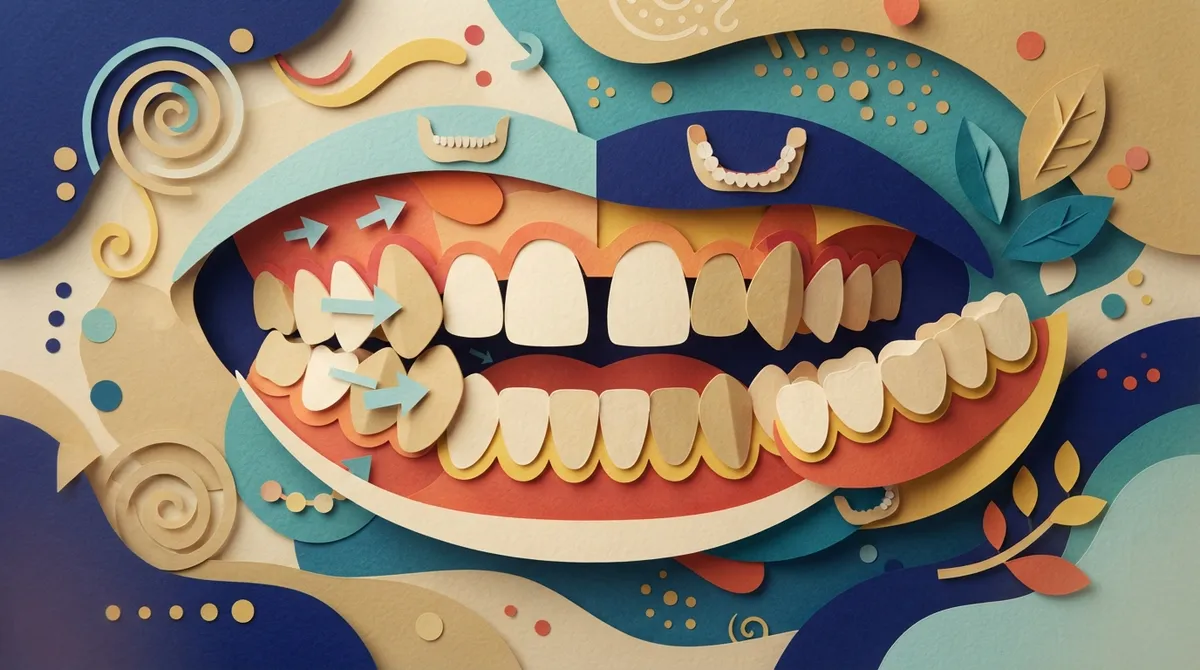
Not sure if your teen actually needs braces or aligners? Here are the most common reasons families visit us for adolescent treatment:
- Crowded or overlapping teeth that make cleaning difficult
- Noticeable gaps or spacing between teeth
- An overbite, underbite, or crossbite affecting the way teeth meet
- An open bite where front teeth don’t touch when the mouth is closed
- Teeth that are impacted or growing in at odd angles
- Jaw size issues that cause the upper and lower teeth to not match up well
If you notice any of these signs, it’s worth scheduling a consultation. A trained eye can catch problems that aren’t obvious at home, and early attention often means simpler treatment down the road.
What Happens During a Teen Orthodontic Evaluation
Walking into an orthodontic office for the first time can feel a little intimidating, especially for a nervous teen. Here’s what typically happens, step by step:
- A friendly conversation about your teen’s dental history and any concerns you both have
- A clinical exam to check how the teeth and jaw fit together
- Photographs of your teen’s smile and bite from different angles
- Digital scans or impressions to map out the exact position of each tooth
- X-rays to see what’s happening beneath the gums, including unerupted teeth
- A treatment plan discussion, including timeline, appliance options, and cost
The American Academy of Pediatric Dentistry notes that these diagnostic records are essential for building a treatment plan that actually works for your teen’s unique smile. Nothing is guessed. Everything is planned with precision, which is exactly why our practice invests in modern digital tools that make this process faster and more comfortable.
Braces vs. Clear Aligners: Which Fits Your Teen Best?
This is probably the question we hear most from parents and teens alike. Both options work well, but they fit different lifestyles and personalities. Here’s a simple breakdown:
| Feature | Traditional Braces | Clear Aligners |
|---|---|---|
| Visibility | Visible, though ceramic options blend in more | Nearly invisible |
| Removable | No, fixed to teeth | Yes, removable for eating and brushing |
| Best for | Complex bite issues, busy teens who may forget to wear removable trays | Mild to moderate cases, teens who are responsible about wear time |
| Diet restrictions | Some sticky or hard foods to avoid | None, but must remove trays to eat |
| Maintenance | Brushing and flossing around brackets | Daily cleaning of trays and teeth |
Clear aligners require real commitment. They need to be worn about 20 to 22 hours a day and removed only for eating, drinking anything besides water, and cleaning. If your teen tends to lose things or forgets responsibilities easily, braces might be the safer bet. If they’re disciplined and want a more discreet option, our Spark™ Clear Aligners could be a great fit. Spark aligners offer a more affordable path to a straight smile compared to many other clear aligner brands, without sacrificing quality or comfort.
For teens who prefer a classic option, our braces guide explains the different types available, including metal and ceramic choices that blend in with natural tooth color.
Keeping Teeth Healthy During Treatment
Good oral hygiene becomes even more important once braces or aligners are in the picture. Food particles can hide in brackets, and plaque can build up quickly if teeth aren’t cleaned well. Here are simple habits every teen should follow:
- Brush twice a day with fluoride toothpaste, as recommended by the American Dental Association
- Clean carefully around brackets and wires using a proper brushing technique
- Floss daily, using floss threaders or interdental brushes if needed
- Limit sugary snacks and sodas that can cause white spots or cavities
- Keep up with regular dental cleanings alongside orthodontic visits
Skipping these steps can lead to stains, cavities, or gum irritation, which nobody wants after investing in a straighter smile. We always take time to show our patients exactly how to clean their teeth properly, because prevention really is the best medicine here.
Balancing Braces with Sports, Music, and Social Life
Teens are busy, and orthodontic treatment shouldn’t put life on hold. Here’s how to keep things running smoothly:
- Ask about a custom mouthguard if your teen plays contact sports like football, soccer, or basketball
- For musicians, especially those playing wind instruments, expect a short adjustment period as they get used to new appliances
- Plan orthodontic appointments around big events like recitals, games, or exams whenever possible
- Talk openly about any self-consciousness your teen feels, since emotional readiness matters just as much as physical readiness
Most teens adjust within a week or two. Soon enough, braces or aligners just become part of their daily routine, barely noticed by friends or teammates.
How Long Does Teen Orthodontic Treatment Take?
This is another common question, and the honest answer is: it depends. Treatment time varies based on the complexity of the case, how well your teen follows instructions, and how consistently they attend appointments. There’s no single timeline that fits every teen, and any orthodontist claiming otherwise probably isn’t being fully honest.
Some factors that affect treatment length include:
- The severity of crowding, spacing, or bite issues
- Whether jaw growth is still happening
- How consistently aligners are worn, if that’s the chosen option
- Attendance at scheduled adjustment appointments
- Overall oral hygiene throughout treatment
Missing appointments or not wearing aligners as directed can add months to the process. That’s why we work closely with families to keep things on track from day one.
What Happens After Treatment Ends
Finishing active treatment is exciting, but it’s not quite the finish line. Retention is the next crucial step. Teeth naturally want to shift back over time, so wearing a retainer as instructed helps lock in all that hard work.
Many orthodontists, including our team, recommend long-term or even indefinite retainer wear, especially at night. Skipping this step is one of the most common reasons people see their smile relapse after years of great results. We always make sure our teen patients and their parents understand exactly how and when to wear retainers moving forward.
Cost and Insurance Considerations for Families
Orthodontic treatment is an investment, and we get that budgeting matters. The good news is that many dental insurance plans offer partial coverage for orthodontic treatment, especially for patients under 18. Our financing and insurance page breaks down payment options, including flexible plans designed to fit different family budgets.
We believe cost should never stand between your teen and a healthy, confident smile. That’s part of why we offer a range of services, from traditional metal braces to more premium clear aligner options, so every family can find something that works for their situation.
Why Clearwater Families Choose Brockway Orthodontics
Dr. Brockway isn’t just another orthodontist in Clearwater, FL. She takes the time to actually listen to your teen’s concerns and goals, making the whole experience feel personal rather than clinical. Our office uses modern technology, including digital impressions instead of messy molds and 3D imaging for precise treatment planning, so your teen gets accurate results with less discomfort.
We also understand that families are busy. In certain cases, we offer same-day treatment starts, so your teen doesn’t need to schedule multiple separate visits just to begin. You can learn more about Dr. Brockway’s approach on our meet the doctor page, or explore our full range of orthodontic services to see what might work for your teen.
Curious what other families think? You can visit us on Google — Brockway Orthodontics to read real reviews from Clearwater parents and teens who’ve been through the process themselves. We’re proud to be part of this community, and we love seeing familiar faces at every appointment.
Signs It’s Time to Schedule a Consultation
Still unsure if now is the right time? Consider booking a visit if your teen shows any of these signs:
- Teeth that look crowded, crooked, or overlapping
- Difficulty biting or chewing comfortably
- Frequent cheek or tongue biting
- Noticeable gaps between teeth
- Jaw clicking, popping, or shifting when opening the mouth
- Self-consciousness about smiling in photos or at school
Trust your gut here. If something feels off, or your teen mentions discomfort, it’s worth getting a professional opinion. Better to check early than wait and deal with bigger issues later.
Getting Started Is Easier Than You Think
Bringing your teen in for their first orthodontic visit doesn’t have to feel overwhelming. Our team walks you through every step, answers every question, and makes sure your teen feels comfortable from the moment they walk through our door. We follow you and your family throughout the entire journey, not just during appointments, but as a resource whenever questions pop up at home.
Ready to see what treatment options might work for your teen? You can book appointment online today and take the first step toward a smile your teen will love showing off. If you’d rather chat with our friendly team first, feel free to contact us with any questions about scheduling, insurance, or treatment options. You can also follow along with real patient stories and smile transformations on our Instagram and Facebook pages, or connect with us on LinkedIn to learn more about our practice and community involvement.
Your teen’s confident smile is closer than you think, and we can’t wait to be part of that journey with your family right here in Clearwater.
FAQs
Q: What is the best age for a teenager to get braces?
A: There’s no single magic age, honestly! Most teens start comprehensive treatment once most of their permanent teeth have come in, often during early to mid-teen years. The best approach is a personal evaluation, since every teen’s teeth and jaw grow at their own pace.
Q: How do I know whether my teen needs an orthodontist?
A: Look for crowding, gaps, a bite that doesn’t line up right, or jaw discomfort. If your gut says something looks off, trust it and schedule a consultation. It’s always better to check early than wait it out.
Q: Are braces or clear aligners better for teenagers?
A: It really depends on your teen’s personality and the complexity of their case. Braces work great for busy teens who might forget removable trays, while clear aligners suit responsible teens who want a more discreet option. We’re happy to help you weigh both choices.
Q: How long does orthodontic treatment take for a teen?
A: Treatment time varies quite a bit based on the case, how well instructions are followed, and consistent appointment attendance. There’s no one-size-fits-all timeline, so we build a plan tailored specifically to your teen’s needs.
Q: What happens if a teenager does not wear clear aligners or retainers as directed?
A: Skipping wear time can slow progress or even cause teeth to shift back after treatment ends. That’s why we always explain exactly how and when to wear aligners or retainers, so your teen’s hard-earned smile stays put for good.
Our Service Area