

Key Takeaways
-
Orthodontists complete 3,700+ hours of specialty training beyond dental school, making them uniquely qualified to correct bite problems and jaw alignment—not just appearance.
-
Treatment typically takes 18-24 months on average, but compliance matters significantly: wearing aligners 22+ hours daily, attending appointments, and maintaining oral hygiene keeps treatment on schedule.
-
Clear aligners cost $3,000-$9,000 and work best for mild-to-moderate cases, while traditional braces ($3,000-$7,000) handle complex bites better; choose based on your specific condition, not appearance alone.
-
About 1 in 4 orthodontic patients today is an adult, and retainers worn indefinitely after treatment are non-negotiable to prevent teeth from shifting back over time.
-
Children should get their first orthodontic evaluation by age 7 to catch developing problems early, and over 20% of children benefit from some form of orthodontic treatment.
-
Common preventable risks include white spots, tooth decay, and gum inflammation; regular dental checkups and careful brushing during treatment protect your enamel and results.
Thinking about fixing that crooked tooth or closing a gap you’ve always noticed in photos? You’re not alone. About 4 million people in the United States are currently wearing braces or need them, according to the American Association of Orthodontists. Whether you’re a parent watching your child’s teeth come in crowded, a teen dreaming of a confident smile for graduation photos, or an adult ready to finally invest in yourself, choosing the right orthodontist for smile correction is the first and most important step.
At Brockway Orthodontics in Clearwater, Florida, we’ve seen firsthand how the right treatment plan can change more than just a smile. It can boost confidence, improve how you chew and speak, and even make brushing and flossing easier. This guide walks you through what smile correction really involves, what to expect, and how to find care you can trust.
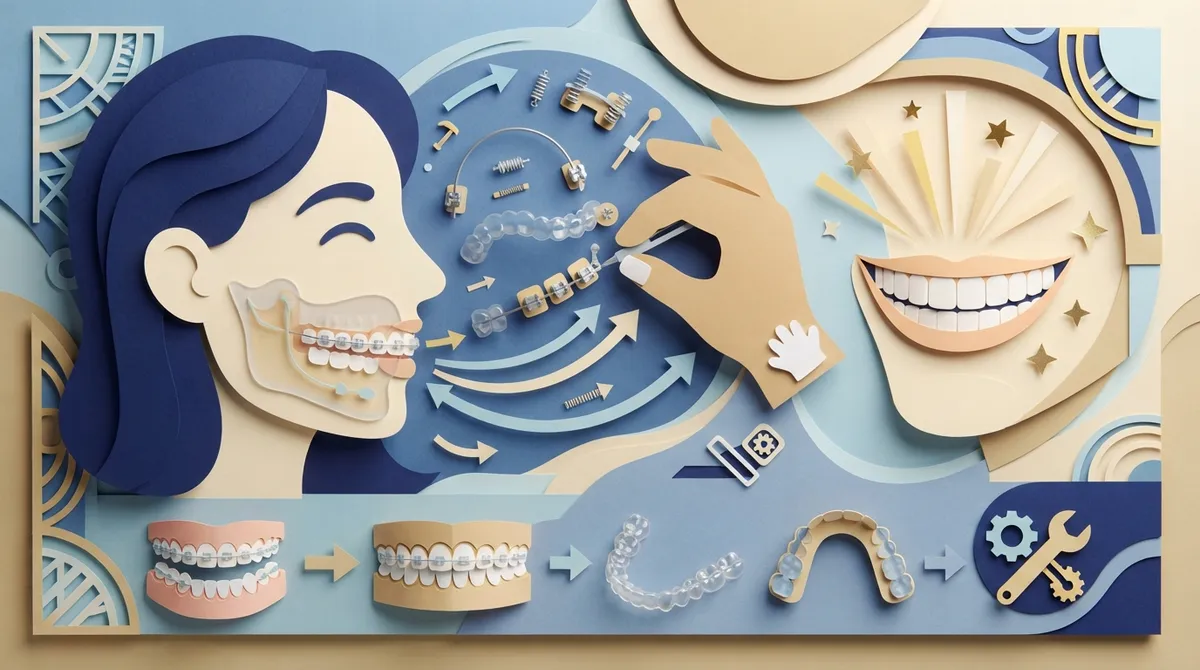
What Is an Orthodontist for Smile Correction?
An orthodontist is a dental specialist. They finish dental school first. Then they complete extra years of training focused only on teeth movement and jaw growth. The American Association of Orthodontists says its members get about 3,700 hours of extra specialty training beyond dental school.
This training matters because smile correction isn’t just about looks. It’s about function, too. A good orthodontist checks how your teeth fit together, how your jaw works, and how your bite affects your daily life. You can meet Dr. Brockway to learn more about her background and approach to care.
What Problems Can Smile Correction Fix?
Smile correction covers a wide range of issues. Here are some common problems an orthodontist can treat:
- Crooked or rotated teeth
- Crowded teeth that overlap
- Gaps or spacing between teeth
- Overbites, where upper teeth stick out too far
- Underbites, where the lower jaw juts forward
- Crossbites and open bites
- Certain jaw alignment problems
Beyond appearance, these corrections often improve chewing, speech clarity, and long-term oral health. Fixing crowded teeth, for example, makes it much easier to brush and floss properly.
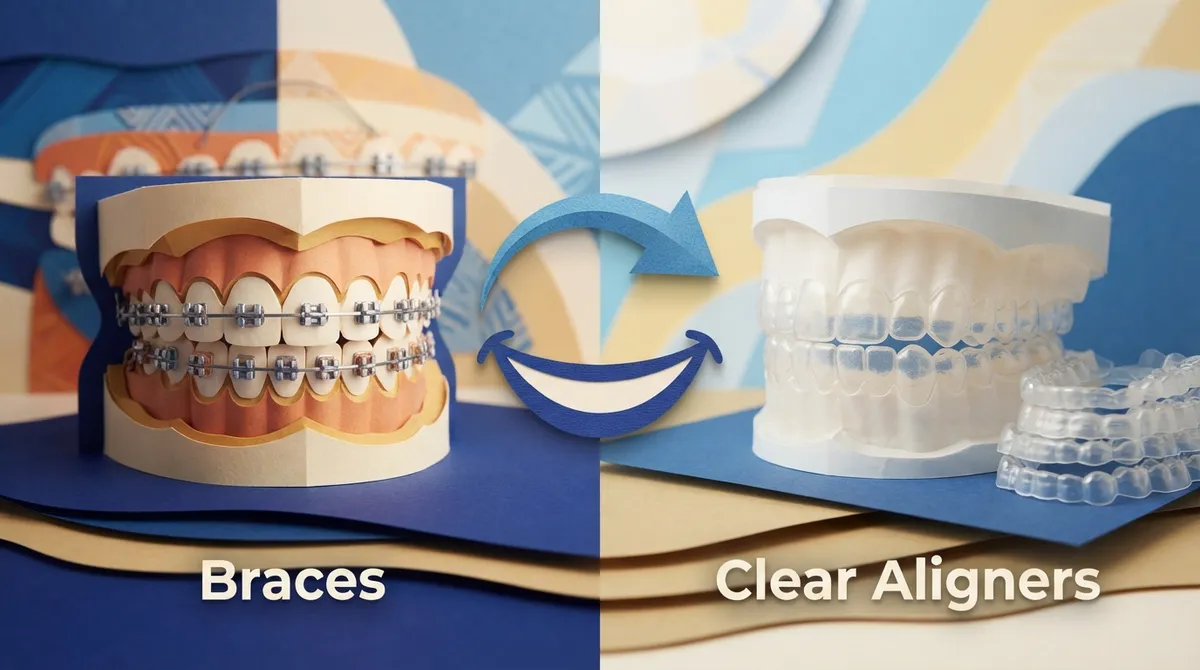
Treatment Options: Braces vs. Clear Aligners
There’s no one-size-fits-all answer here. The best treatment depends on your specific bite, your lifestyle, and your goals. Here’s a simple breakdown of the most common options.
| Treatment Type | Best For | Typical Cost Range | Visibility |
|---|---|---|---|
| Traditional Metal Braces | Complex bite and alignment issues | $3,000–$7,000 | Most visible |
| Ceramic (Clear) Braces | Moderate to complex cases, discreet look | $3,500–$8,000 | Less visible, tooth-colored |
| Lingual Braces | Hidden treatment behind teeth | Varies, often higher | Hidden from view |
| Clear Aligners (like Spark™) | Mild to moderate crowding, spacing, bite issues | $3,000–$9,000 | Nearly invisible |
Braces are generally the most versatile option for complex cases. They can move teeth in ways aligners sometimes can’t. Learn more about all about braces to see which style fits your needs.
Clear aligners, on the other hand, are removable and much less noticeable. At Brockway Orthodontics, we offer Spark™ Clear Aligners, a more affordable option compared to some other aligner brands, without sacrificing quality or results.
How Clear Aligners Work
Clear aligners must be worn at least 22 hours a day to work well. You take them out only to eat, drink anything besides water, brush, and floss. Each aligner is usually worn for about one week before switching to the next in the series.
The AAO notes that aligners can treat mild-to-moderate crowding, spacing, crooked teeth, overbite, underbite, open bite, and crossbite. But not every case is right for aligners. That’s why an in-person evaluation is so important before starting treatment.
What Happens During Your First Orthodontic Consultation?
Walking into an orthodontic office for the first time can feel a little intimidating. But it doesn’t have to be! Here’s what a typical consultation includes:
- A review of your medical and dental history
- A hands-on exam of your teeth and bite
- Photos and digital scans of your smile (no messy molds needed)
- X-rays, if needed, to see root position and jaw structure
- A conversation about your goals, treatment options, and timeline
- A clear breakdown of fees, retainers, and what’s included
If you have cavities or gum disease, those should be treated first before any braces or aligners go on. Curious what your first appointment will look like? Check out our page on your first visit for a full walkthrough.
How Long Does Smile Correction Take?
This is one of the most common questions we hear. The honest answer: it depends. Treatment time varies based on your age, how much your teeth need to move, and how complex your bite is.
That said, here are some general guidelines based on national data:
- Comprehensive treatment: about 18 to 24 months on average
- Median treatment length reported in 2025: 22 months
- Limited or minor corrections: can be shorter
- Complex bite or jaw cases: may take longer
Your compliance matters a lot too. Wearing your aligners as directed, showing up to adjustment visits, and keeping your teeth clean all help keep treatment on schedule.
Who Needs Smile Correction? Spoiler: All Ages!
A common myth is that braces are just for kids. Not true! The AAO reports that about 1 in 4 orthodontic patients today is an adult. Life doesn’t stop offering reasons to smile more confidently, whether you’re 12 or 52.
For Parents of Children and Teens
The AAO recommends kids get their first orthodontic check-up by age 7. This doesn’t mean treatment starts right away. It just means the orthodontist can catch developing bite or jaw problems early, when they’re often easier to guide. A clinical review published on PubMed estimates that more than 20% of children could benefit from some form of orthodontic treatment.
If your child is showing signs of crowding, an overbite, or jaw issues, don’t wait. Explore our early treatment options or learn more about adolescent treatment designed just for growing smiles.
For Teens and Young Adults
Big life moments like graduation, prom, or starting college often push teens and young adults to finally get braces or aligners. The good news? Modern options are more discreet and comfortable than ever. Ceramic braces and clear aligners let you straighten your smile without feeling self-conscious in photos or on social media.
For Busy Adult Professionals
Adults juggling careers and family life often want efficient, low-profile treatment. Clear aligners are popular here because they’re removable for meetings, meals, and photos. Many adults also appreciate that treatment can fit into a lunch break with quick check-in visits. Check out our adult treatment page to see options built around your schedule.
For Orthodontic Relapse Patients
Did your teeth shift back after braces years ago? You’re not alone, and it’s not too late to fix it. Relapse happens when retainers aren’t worn as directed, or when life just gets in the way. Retreatment as an adult is common, and many patients find it’s a worthwhile investment in their long-term smile.
Retention: The Step You Can’t Skip
Here’s something many patients don’t expect: finishing active treatment isn’t the end of the road. Teeth naturally want to shift back over time. That’s why retainers are so important.
Retainers can be removable or fixed (bonded) to the back of your teeth. Your orthodontist will tell you exactly how often to wear yours. Many patients need to wear a retainer at night indefinitely to keep their results looking great for life. Learn more about our retainers options and how we help you protect your investment.
Possible Risks and How to Protect Your Results
Like any medical or dental treatment, orthodontic care comes with some risks. Being aware of them helps you take better care of your smile during treatment. Common issues include:
- Temporary soreness after adjustments
- Cheek or gum irritation from brackets or wires
- White spots or tooth decay from poor cleaning habits
- Gum inflammation
- Root resorption (rare, but possible)
- Relapse if retainers aren’t worn as directed
The good news? Most of these risks are preventable. Regular dental checkups, careful brushing, and showing up to your adjustment appointments go a long way. The American Dental Association also recommends staying on top of routine cleanings during orthodontic treatment to protect your enamel and gums.
Orthodontist vs. Cosmetic Dentist: Which Should You Choose?
This is a question we get a lot. While a cosmetic dentist can handle things like veneers or teeth whitening, an orthodontist specializes in moving teeth and correcting bites. If your main goal is straightening teeth or fixing a bite problem, an orthodontist is the right specialist for the job.
The Florida Association of Orthodontists is a great resource if you want to verify credentials or learn more about what sets orthodontic specialists apart from general dentists.
What to Look For When Choosing an Orthodontist
Not all orthodontic offices offer the same level of care. Here’s a simple checklist to help you compare providers:
- Confirm they are a licensed, board-certified orthodontist
- Ask who will actually supervise your treatment visit to visit
- Find out if diagnostic records and retainers are included in your quote
- Understand the office’s policy on emergencies and refinements
- Make sure your plan comes from a full clinical exam, not just photos
- Ask about financing and insurance options upfront
At Brockway Orthodontics, we walk every new patient through this process with zero pressure. You can review our financing and insurance options, or explore our full list of services before your first visit.
Why Families in Clearwater Choose Brockway Orthodontics
Dr. Brockway brings more than technical skill to every appointment. She genuinely listens to your goals and explains every step of your treatment in a way that makes sense. Our office uses modern technology like digital impressions and 3D imaging, so there’s no messy molds and every treatment plan is built with precision.
We also understand that life gets busy. In certain cases, we offer same-day treatment starts so families don’t need to juggle multiple appointments just to get going. And because we’re proud members of the Clearwater community, building long-term relationships with our patients matters just as much to us as building beautiful smiles.
Want to see what real patients have to say? Visit us on Google — Brockway Orthodontics to read reviews from families just like yours. You can also connect with us on Facebook or follow along on Instagram for smile transformations and office updates.
Does Insurance Cover Smile Correction?
Many dental insurance plans offer partial coverage for orthodontic treatment, especially for children. Coverage amounts vary widely depending on your provider and plan. Our team is happy to help you understand your benefits and explore flexible payment plans that fit your budget.
Cost is often one of the biggest questions patients have. As a general guide, traditional braces typically range from $3,000 to $7,000, while clear aligners range from $3,000 to $9,000. Your exact price depends on the complexity of your case, your location, and what’s included in your plan.
Ready to Start Your Smile Correction Journey?
Your best smile is closer than you think. Whether you’re exploring braces for your teen, considering clear aligners for yourself, or looking into retreatment after relapse, the team at Brockway Orthodontics is here to guide you every step of the way.
Ready to see what’s possible for your smile? Book appointment online today and take the first step toward a smile you’ll love showing off. Have questions before you schedule? Contact us and our friendly team will be happy to help.
FAQs
Q: What does an orthodontist do for smile correction?
A: An orthodontist examines your teeth, bite, and jaw alignment, then creates a personalized plan using braces, clear aligners, or other appliances. Their goal is to improve both how your smile looks and how well your teeth function together.
Q: Is an orthodontist or a cosmetic dentist better for straightening teeth?
A: An orthodontist is the specialist trained specifically in moving teeth and correcting bites, so they’re the right choice for straightening and alignment issues. A cosmetic dentist focuses more on things like whitening and veneers, not structural tooth movement.
Q: How long does it take to correct crooked teeth with braces or clear aligners?
A: Most comprehensive treatments take about 18 to 24 months, with a median of around 22 months reported in recent industry studies. Your exact timeline depends on how complex your case is and how consistently you follow your orthodontist’s instructions.
Q: Can adults get orthodontic treatment for smile correction?
A: Absolutely! About 1 in 4 orthodontic patients today is an adult, and it’s never too late to invest in your smile. Many adults choose clear aligners or ceramic braces for a more discreet treatment experience.
Q: Will I need to wear a retainer after smile correction?
A: Yes, retainers are a essential part of keeping your new smile in place. Teeth naturally want to shift back over time, so most patients need to wear a retainer, often just at night, for the long haul to protect their results.
Our Service Area