Key Takeaways
-
Schedule your child's first orthodontic checkup by age 7, even if they still have baby teeth—this early evaluation can catch problems while the jaw is still growing and reduce the need for complicated treatment later.
-
Watch for warning signs like early/late tooth loss, difficulty chewing, mouth breathing, thumb-sucking past age 5, or crowded/crooked teeth, and schedule an evaluation sooner if you notice any of these issues.
-
Early interceptive treatment (ages 7-10) uses space maintainers or expanders to guide growth and prevent bigger problems, while comprehensive treatment (ages 11-16) aligns teeth fully with braces or clear aligners.
-
Choose an orthodontist with specialized training, real experience with children, kid-friendly communication, transparent pricing, and a warm office atmosphere where your child feels comfortable and trusted.
-
After braces or aligners are removed, consistent retainer wear is essential to prevent teeth from naturally shifting back and to protect all the treatment progress your child achieved.
-
Clear aligners like Spark™ are nearly invisible and removable for teens who prefer subtlety, while traditional braces work better for complex bite issues and let kids express personality with colored bands.
Watching your child grow is one of life’s greatest joys, and their smile is a big part of that journey. If you’re wondering when to schedule that first orthodontic visit, or how to find an orthodontist for children who truly understands little (and not-so-little) smiles, you’re in the right place. Parents often feel overwhelmed by the timing, the terminology, and the endless questions swirling around their child’s dental development. Take a deep breath! We’re here to walk you through everything step by step, in plain language, so you can make confident decisions for your family.
Whether your seven-year-old just lost another tooth or your teenager is asking about a straighter smile before homecoming, this guide covers what really matters. We’ll talk about timing, warning signs, treatment options, and how to choose a practice that feels like a good fit. Families throughout Clearwater trust Brockway Orthodontics for exactly this kind of guidance, and we want every parent reading this to feel just as informed and supported.
Why Early Orthodontic Checkups Matter
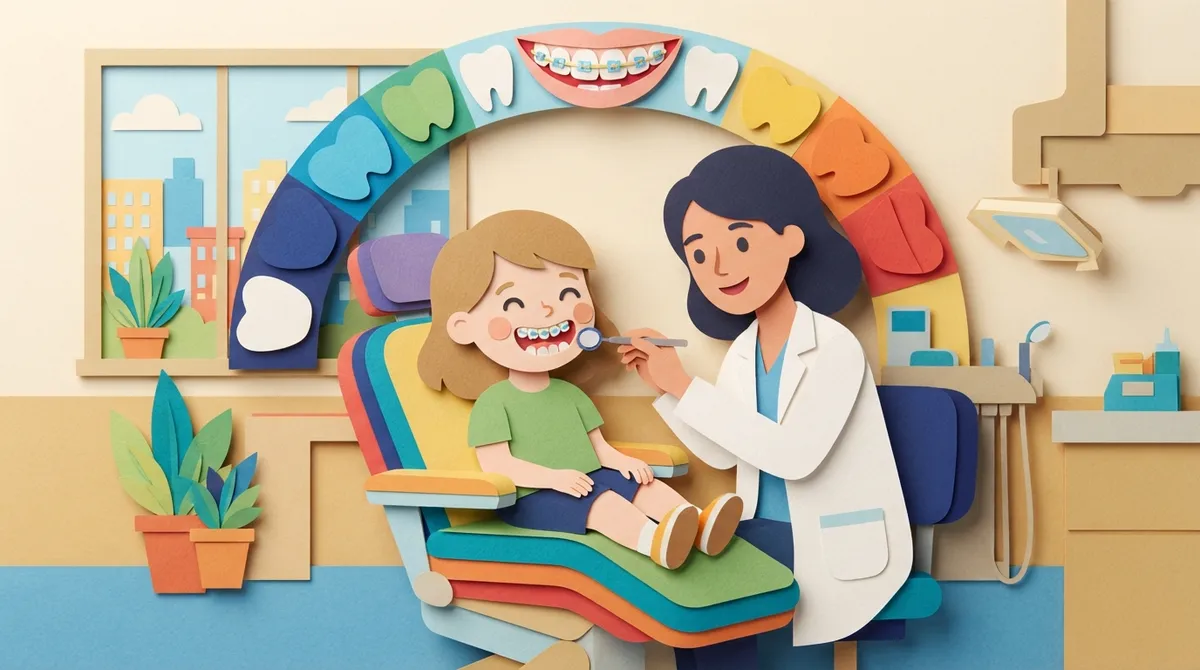
Many parents assume braces are only for teenagers. That’s simply not true anymore. The American Association of Orthodontists recommends that every child get their first orthodontic checkup by age 7. At this age, kids usually have a mix of baby teeth and adult teeth. This mix gives an orthodontist a clear picture of how the jaw and teeth are developing.
This first visit is not about jumping straight into braces. It’s a screening. Think of it like a check-engine light for your child’s smile. The orthodontist looks for early warning signs and decides whether to watch, wait, or start gentle guidance now. Most seven-year-olds who get evaluated will simply be monitored over the next few years until more permanent teeth come in.
Here’s why that early look matters so much:
- It catches problems while your child’s jaw is still growing and easier to guide.
- It can reduce the need for more complicated treatment later on.
- It gives parents peace of mind and a clear plan moving forward.
- It helps identify habits, like thumb-sucking, that could affect tooth alignment.
- It builds a relationship with a specialist your child can trust as they grow.
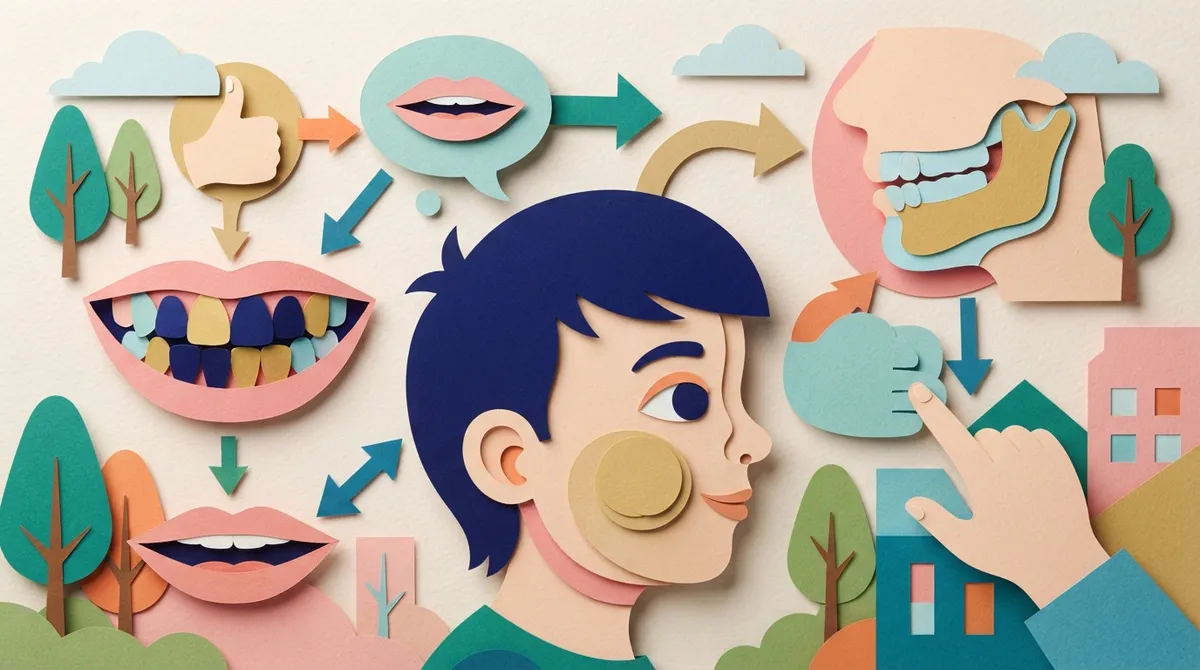
Signs Your Child May Need an Evaluation Sooner
You don’t have to wait until your child turns 7 if something seems off. Parents, dentists, and pediatricians are often the first to notice a problem. Trust your gut here. If you see something that concerns you, it’s always okay to schedule an orthodontic evaluation earlier.
Common Warning Signs to Watch For
- Early or very late loss of baby teeth compared to other kids their age.
- Difficulty chewing or biting food comfortably.
- Mouth breathing or snoring during sleep.
- Thumb-sucking or pacifier habits that continue past age 5.
- Teeth that look crowded, crooked, or oddly spaced.
- Jaws that shift or make sounds when your child opens and closes their mouth.
- Speech issues that seem connected to how the teeth meet.
- Protruding front teeth or a visibly uneven bite.
If any of these sound familiar, don’t panic. Many of these issues are manageable, especially when caught early. A quick consultation can put your mind at ease or start you on a helpful path.
What Happens During a Children’s Orthodontic Evaluation
First visits are usually simple and stress-free. Your child will meet the orthodontist, have their teeth and bite examined, and maybe get some digital images or x-rays if needed. According to the American Academy of Pediatric Dentistry, imaging should be based on your child’s specific history, not just their age, so it’s used thoughtfully.
At Brockway Orthodontics, we make this visit fun and welcoming, not scary. Dr. Brockway takes time to explain things in a way kids and parents both understand. You can learn more about what to expect during your first visit before you even walk through the door.
Here’s a simple breakdown of what the visit usually involves:
| Step | What Happens |
|---|---|
| 1. Welcome & History | We ask about your child’s dental history and any concerns you have. |
| 2. Visual Exam | The orthodontist checks tooth alignment, bite, and jaw growth. |
| 3. Digital Imaging (if needed) | Modern scans replace messy molds and give a precise view of development. |
| 4. Discussion | We explain findings and answer every question, big or small. |
| 5. Plan | We recommend monitoring, early treatment, or a future follow-up date. |
Early Treatment vs. Comprehensive Braces
One of the most common questions parents ask is the difference between early treatment and full braces later on. Both have their place, and knowing the difference helps you understand your child’s plan.
Early (Interceptive) Treatment
This happens while your child still has baby teeth mixed with adult teeth. It might include a space maintainer, a small removable appliance, or a palatal expander. The goal is to guide growth, create space, or fix a crossbite before it becomes a bigger issue. Not every child needs this step, and that’s perfectly normal.
Comprehensive Treatment
This usually starts once most or all permanent teeth have come in, often during the pre-teen or teen years. This is when most kids get full braces or Spark™ Clear Aligners to fully align the teeth and bite. Learn more about our early treatment options and how they connect to later care.
| Feature | Early Treatment | Comprehensive Treatment |
|---|---|---|
| Typical Age | 7-10 years old | 11-16 years old |
| Goal | Guide growth, create space | Fully align teeth and bite |
| Appliances Used | Expanders, space maintainers, partial braces | Full braces or clear aligners |
| Duration | 6-18 months | 18-30 months on average |
Braces or Clear Aligners: Which Fits Your Child?
Once your child is ready for comprehensive treatment, you’ll likely choose between traditional braces and clear aligners. Both work well, but they fit different lifestyles and personalities.
- Traditional metal braces are durable, effective, and great for complex bite issues. They also let kids pick fun colored bands.
- Ceramic braces blend in more with the natural tooth color for kids who want a subtler look.
- Clear aligners, like our Spark™ Clear Aligners, are nearly invisible and removable, which teens especially love.
Curious which is right for your family? Our guide to braces breaks down the details, and our team is always happy to talk it through in person.
How to Choose the Right Orthodontist for Your Child
Not all orthodontic offices feel the same, and that’s okay. You want a place where your child feels comfortable and where you feel confident asking questions. Here’s what to look for:
- Specialized training beyond dental school, focused specifically on orthodontics.
- Real experience treating children and teens, not just adults.
- A clear, friendly explanation of diagnosis and treatment options.
- Kid-friendly communication that doesn’t feel scary or confusing.
- Availability for emergencies, like a poking wire or loose bracket.
- Transparency about cost, insurance, and payment plans.
- A warm, welcoming office atmosphere for the whole family.
Dr. Brockway brings years of specialized training and a genuine love for working with kids and families. You can meet Dr. Brockway and see why so many Clearwater families choose her for their children’s care. We also encourage you to visit us on Google — Brockway Orthodontics to read what other local parents have shared about their experience.
Caring for Braces and Aligners at Home
Once treatment starts, good habits at home make a huge difference. Kids in braces need a little extra help with brushing and food choices, while aligner wearers need reminders about wear time and cleaning.
Simple Tips for Braces Care
- Brush after every meal, and floss daily using a floss threader if needed.
- Avoid sticky candy, popcorn, and hard foods that can break brackets.
- Keep up with regular dental cleanings every six months.
- Use orthodontic wax if a bracket or wire feels irritating.
- Bring a small kit with wax and a spare toothbrush to school.
Simple Tips for Clear Aligner Care
- Wear aligners 20-22 hours a day for best results.
- Remove them before eating or drinking anything besides water.
- Clean aligners daily with a soft brush, not hot water.
- Keep the case handy so aligners don’t get lost or damaged.
Good oral hygiene during treatment protects your child’s teeth and keeps the whole process on schedule. The American Dental Association also recommends regular dental checkups alongside orthodontic visits to catch cavities early.
What About Cost and Insurance?
Cost is a top concern for most families, and that’s completely understandable. Treatment cost depends on the complexity of the case, the type of appliance used, and how long treatment takes. Many dental insurance plans offer partial coverage for orthodontic care, especially for children.
Our team can walk you through your financing and insurance options so there are no surprises. We believe every family deserves access to quality care, which is why we offer flexible payment plans designed around real life.
Retainers: The Often-Forgotten Final Step
After braces come off or aligner treatment finishes, retainers are essential. Teeth naturally want to shift back over time, and a good retainer routine protects all that hard work. We’ll show your child exactly how to wear and care for their retainer so results last for years to come.
For more resources on family-focused smile care, the Florida Association of Orthodontists offers helpful guidance for parents across the state, and it pairs nicely with the personalized advice you’ll get from our team.
Bringing It All Together for Your Family
Choosing the right orthodontist for children doesn’t have to feel complicated. Start with an early evaluation, watch for warning signs, and partner with a team that treats your family like, well, family. Every step, from the first checkup to the final retainer check, matters for your child’s confidence and health.
Brockway Orthodontics is proud to serve families throughout Clearwater, Florida, offering everything from early treatment to Spark™ Clear Aligners and traditional braces. Dr. Brockway and her team combine modern technology with heartfelt, personal care so every child feels comfortable and every parent feels informed. Follow along and see more smiles on our Instagram or connect with us on Facebook to join our growing community of happy families.
Ready to give your child the healthy, confident smile they deserve? Book appointment online today and let’s start the journey together.
FAQs
Q: At what age should my child first see an orthodontist?
A: The American Association of Orthodontists recommends a first checkup by age 7. This early visit lets us catch any developing issues while there’s still time to guide growth gently.
Q: Does every child need braces?
A: Not at all! Many kids just need monitoring over the years. Only some will need early treatment or full braces once their permanent teeth come in.
Q: What signs mean my child should see an orthodontist before age 7?
A: Watch for early or late tooth loss, mouth breathing, thumb-sucking past age 5, or a visibly uneven bite. If something feels off, trust your instincts and schedule a visit sooner.
Q: Are braces or clear aligners better for kids?
A: It really depends on your child’s needs and personality. Traditional braces handle complex cases well, while clear aligners like Spark™ offer a nearly invisible, removable option many teens love.
Q: Will my child need a retainer after braces?
A: Yes, almost always! Retainers keep teeth from shifting back after treatment. We’ll teach your child exactly how to wear and care for theirs so the results truly last.
Our Service Area