Key Takeaways
-
Crowded teeth create hard-to-reach spaces where plaque buildup leads to decay, gum disease, and long-term periodontal problems—straightening teeth with braces or aligners makes daily oral hygiene significantly easier and prevents serious dental issues.
-
Most comprehensive crowded teeth treatment takes 18-24 months, but severity varies: mild crowding responds to aligners or interproximal reduction, moderate needs braces or arch expansion, and severe cases may require extractions only after less invasive options are exhausted.
-
The American Association of Orthodontists recommends an initial evaluation by age 7 to catch developing problems early, including narrow arches, impacted teeth, and bite issues—early treatment often prevents years of more complex treatment later.
-
Clear aligner options like Spark™ aligners work well for mild to moderate crowding as a removable, nearly invisible alternative to traditional braces, though suitability depends on your specific case and requires professional evaluation, not just personal preference.
Do your teeth overlap, twist, or seem crammed together like they’re fighting for space? You’re not alone. Crowded teeth affect roughly a third of people, according to research summarized by the National Elf Service, though the numbers can swing higher depending on the population studied. If you’ve been wondering whether it’s time to see an orthodontist for crowded teeth, this friendly guide will walk you through everything you need to know, from spotting the signs to understanding your treatment options.
At Brockway Orthodontics, we’ve helped countless families and adults in Clearwater, Florida, find comfortable, effective solutions for crowded smiles. Whether you’re a parent watching your child’s teeth come in sideways, a teenager dreaming of graduation photos with a straight smile, or an adult professional ready to finally fix what’s bothered you for years, this article is for you. Let’s dig into the five biggest signs that mean it’s time to book that consultation.
1. Your Teeth Overlap, Rotate, or Look Twisted
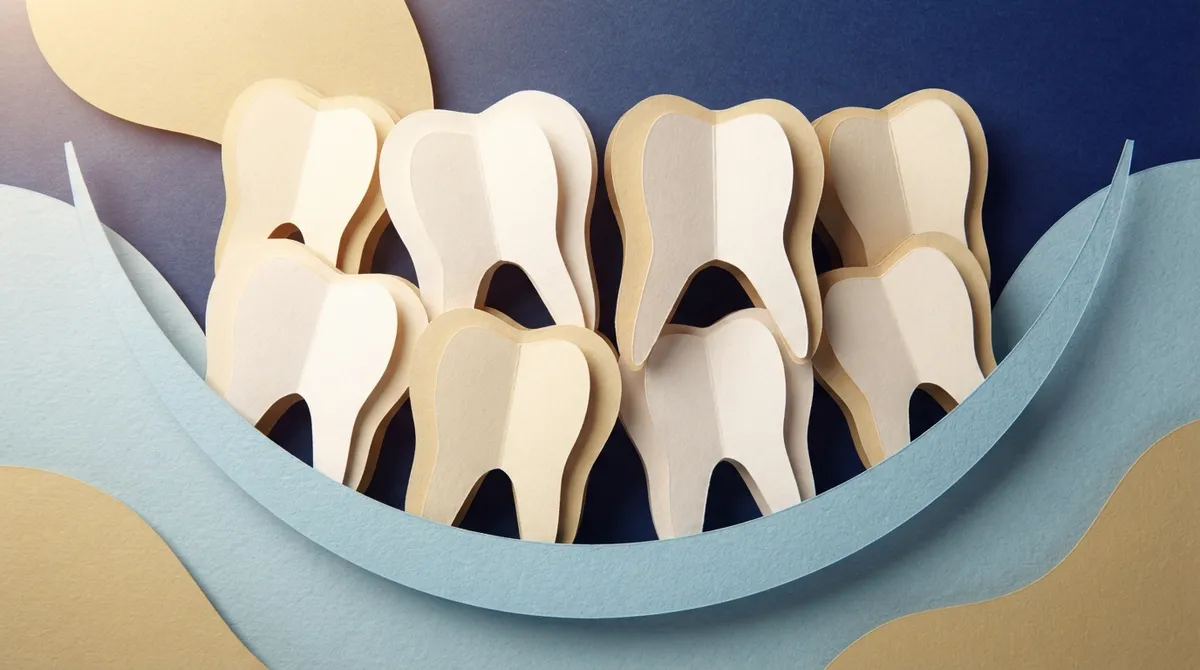
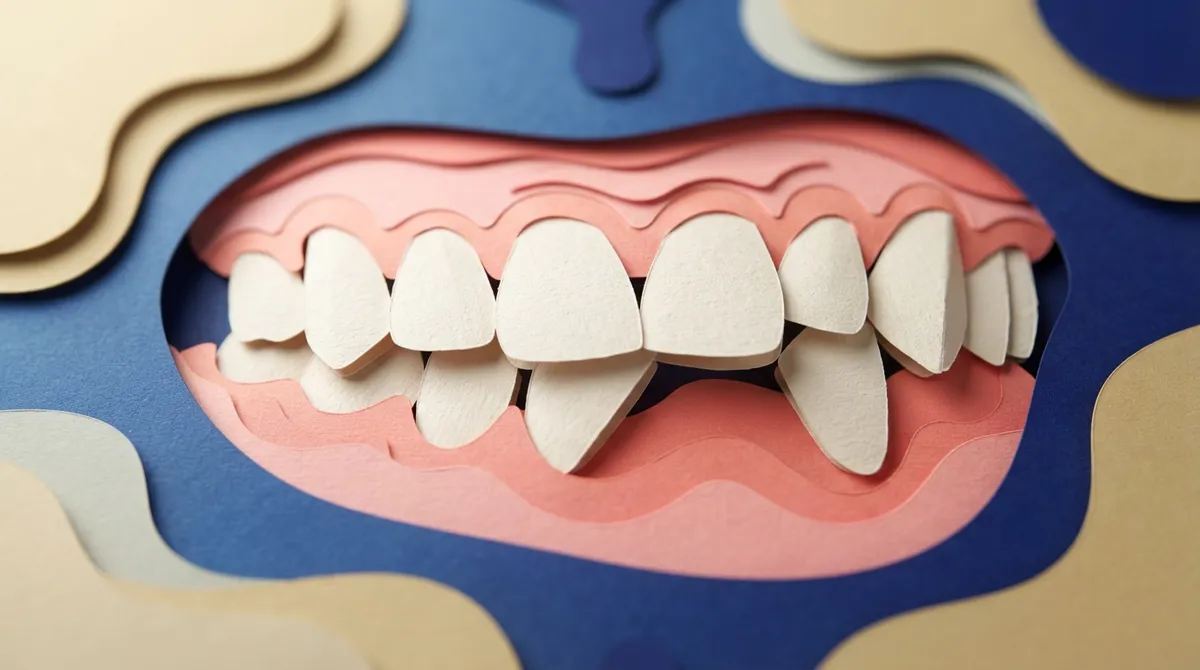
The most obvious sign of dental crowding is teeth that don’t sit flat and straight. When there isn’t enough room in your jaw, teeth start overlapping each other, rotating sideways, or even growing in at odd angles. Sometimes a tooth gets stuck and never fully emerges, which dentists call impaction.
An orthodontist evaluates crowding by looking closely at your teeth, bite, and jaw relationship. They’ll also study your facial growth and overall oral health. During your first visit, expect a friendly conversation along with photos, digital scans, and possibly X-rays to see what’s happening below the gumline.
Here’s what orthodontists typically check during a crowding evaluation:
- Photographs of your smile and profile
- Digital scans or impressions of your teeth
- Dental X-rays to check unerupted teeth and root positions
- Bone levels and available space in your jaw
- Bite alignment between upper and lower teeth

2. Food Gets Stuck and Brushing Feels Impossible
Crowded teeth create tight, hard-to-reach spots where food particles love to hide. If you’re constantly flossing in the same spot or feeling like your toothbrush just can’t get in there, crowding might be the culprit.
This isn’t just annoying, it’s a real health concern. Plaque buildup around crowded teeth can lead to:
- White or brown spots on your enamel
- Tooth decay and cavities
- Swollen, inflamed gums
- Long-term periodontal problems
The American Dental Association emphasizes that thorough oral hygiene becomes even more important when teeth are misaligned. Straightening your teeth with braces or aligners doesn’t just improve your smile, it makes daily brushing and flossing so much easier.
Why This Matters for Long-Term Health
Health-conscious patients often come to us specifically because they’re worried about gum disease or decay caused by crowding. Fixing the alignment now can prevent bigger dental headaches later. Our orthodontic services are designed to address both function and appearance together.
3. Your Child Is Approaching Age 7 (or Already Past It)
Parents often ask us, “When should my kid see an orthodontist?” The American Association of Orthodontists widely recommends an initial evaluation by around age 7. This doesn’t mean your child needs braces right away. It simply means we can catch developing problems early.
Early evaluation helps us spot:
- Narrow dental arches that may cause future crowding
- Missing or impacted teeth before they cause bigger issues
- Bite problems like crossbites or underbites
- Jaw growth patterns that affect how teeth will fit
- Habits like thumb-sucking that impact tooth alignment
Our early treatment program is built around this exact philosophy. Sometimes a simple appliance now saves years of more complex treatment later. If your child is a Clearwater local, our adolescent treatment options are designed to feel welcoming, not scary.
4. You’ve Noticed Relapse After Previous Treatment
Maybe you had braces as a teenager, and things looked great for years. Then, slowly, your teeth started shifting again. This is incredibly common and nothing to feel embarrassed about. Teeth can move over time due to natural growth, aging, and biological changes in your jaw.
Retainers are the single best defense against this kind of relapse. Many patients need some form of retention indefinitely, following the specific wearing schedule their orthodontist recommends. If you’ve lost your retainer or stopped wearing it years ago, don’t panic, but don’t wait too long either.
Our retainer options page covers what’s available for keeping your smile straight long-term. If you’re dealing with relapse, a fresh consultation can determine whether you need a short round of aligners or just a new retainer to nudge things back into place.
5. You Want Options Beyond Traditional Metal Braces
Adults and teens today have more choices than ever. Depending on how severe your crowding is, you might be a great candidate for clear aligners instead of traditional braces. Suitability really depends on your specific case, not just personal preference, so a professional evaluation matters.
| Treatment Option | Best For | Key Benefit |
|---|---|---|
| Fixed Metal Braces | Severe crowding, complex rotations, impacted teeth | Predictable, precise control |
| Ceramic (Clear) Braces | Moderate crowding with a discreet look | Tooth-colored brackets blend in |
| Spark™ Clear Aligners | Mild to moderate crowding | Removable, nearly invisible trays |
| Interproximal Reduction | Minor spacing needs alongside other treatment | Creates small amounts of space safely |
| Arch Expansion | Narrow arches, especially in growing kids | Widens space without extractions |
At Brockway Orthodontics, we proudly offer Spark™ Clear Aligners as a more affordable alternative to other clear aligner brands. We also offer traditional metal and ceramic braces for cases that need more predictable control. Dr. Brockway will walk you through every option so you feel confident in your choice, not overwhelmed by it.
How Severe Is Your Crowding? A Quick Breakdown
Not all crowding is the same. Orthodontists typically classify it into three general categories to determine the best treatment path.
- Mild crowding: Slight overlap, often correctable with aligners or minor interproximal reduction
- Moderate crowding: Noticeable rotation or overlap, may need braces or arch expansion
- Severe crowding: Significant overlap, impacted teeth, or major space deficits, sometimes requiring extractions
Extractions sound scary, but they’re only used when space is seriously limited. Your orthodontist will always try less invasive options first.
What to Expect Once Treatment Begins
Comprehensive orthodontic treatment for crowded teeth typically takes about 18 to 24 months, according to NHS patient guidance, though your timeline depends on several factors:
- How much crowding you’re starting with
- Your age and how your jaw is still growing
- Your gum and bone health
- Whether you’re consistent with appointments
- How well you follow care instructions at home
Good oral hygiene throughout treatment is non-negotiable. Brushing after meals, using interdental brushes or floss threaders, and cutting back on sugary drinks all protect your smile while your teeth shift into place.
Why Choose a Local Clearwater Orthodontist
Choosing the right orthodontist matters just as much as choosing the right treatment. You want someone who listens, explains things clearly, and treats you like family, not just another patient number. That’s exactly the experience Dr. Brockway aims to create for every person who walks through our door.
We serve families throughout Clearwater and the surrounding Pinellas County area, offering everything from adult treatment to full-family orthodontic care. Our office uses modern technology like digital impressions and 3D imaging, so you skip the messy molds and get a precise treatment plan from day one. In select cases, we even offer same-day treatment starts, because we know your schedule is busy.
Curious what other patients think? You can visit us on Google — Brockway Orthodontics to read real reviews from real Clearwater families. You can also connect with us on Facebook or follow along on Instagram for smile transformations and orthodontic tips. For broader guidance on finding qualified care in our state, the Florida Association of Orthodontists is also a helpful resource.
Ready to Fix Your Crowded Teeth?
Crowded teeth don’t have to be something you just live with. Whether you’re dealing with mild overlap or more noticeable crowding, there’s a treatment path built for your specific situation. From clear aligners to traditional braces, Brockway Orthodontics has the tools, technology, and heart to help you get there.
Ready to see what’s possible for your smile? Book your free consultation online today, or feel free to get in touch with our friendly Clearwater team with any questions. We can’t wait to meet you and start this journey together!
FAQs
Q: What type of orthodontist should I see for crowded teeth?
A: You’ll want a board-certified orthodontist who specializes in diagnosing and treating dental crowding, like the team at Brockway Orthodontics. We evaluate your bite, jaw, and available space to build a plan that’s just right for you, whether that means braces, aligners, or something else entirely.
Q: Can crowded teeth be fixed without braces?
A: In many mild to moderate cases, yes! Clear aligners like our Spark™ system can work wonders without traditional metal brackets. That said, severe crowding often needs the predictable control that fixed braces provide, so it really comes down to your unique situation.
Q: Will I need teeth extracted to treat severe crowding?
A: Not always, but it’s possible in cases with very limited space. Your orthodontist will explore options like arch expansion or interproximal reduction first. Extractions are only recommended when there simply isn’t enough room to align your smile safely.
Q: How long does treatment for crowded teeth usually take?
A: Most comprehensive treatment plans take about 18 to 24 months, though this varies based on your crowding severity, age, and how consistently you wear your appliances. We’ll give you a personalized timeline estimate right at your first visit.
Q: Will my teeth become crowded again after treatment?
A: It’s possible, which is exactly why retainers are so important! Wearing your retainer as prescribed helps lock in your beautiful new smile for the long haul. Think of it as a small daily habit that protects years of hard work.
Our Service Area