Key Takeaways
-
Schedule an orthodontic evaluation around ages 7-8 when upper jaw bones are still developing and malleable, as waiting until teenage years makes expansion less predictable and effective.
-
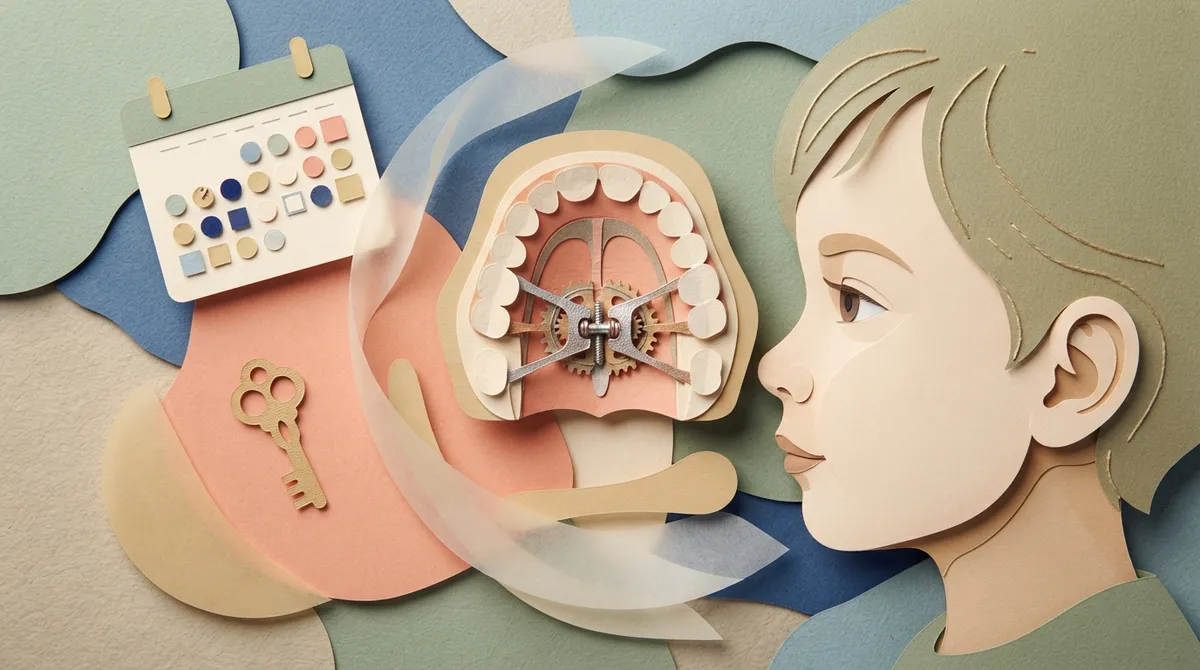
Commit to daily activation turns using a key for fixed rapid expanders—set phone reminders, maintain consistency, and track turns on a calendar to avoid missing doses that disrupt treatment timeline.
-
Expect and prepare for normal temporary side effects including a gap between front teeth, mild soreness, headaches, and speech changes; these fade as your child adjusts.
-
Understand that expanders widen the jaw but don't straighten teeth—braces or clear aligners are typically needed afterward to align teeth in the newly created space.
-
Maintain extended retainer phase after achieving desired width to allow new bone to fill in and prevent relapse, rather than stopping treatment once expansion is complete.
-
Don't assume expanders alone treat sleep apnea or breathing problems; combine orthodontic evaluation with medical provider assessment, as expansion may help but isn't a standalone airway solution.
If your child’s orthodontist just mentioned the words “palatal expander,” you might feel a little worried. That’s completely normal! Many parents in Clearwater walk into our office with the same questions. What is this appliance? Will it hurt? Did we do something wrong? Take a deep breath, because you’re in the right place. Orthodontic expanders are one of the most common and effective tools we use to help kids grow healthy, wide smiles. But small mistakes in care, timing, or expectations can slow down progress or cause extra stress. In this friendly guide, we’ll walk through nine common mistakes families make with orthodontic expanders, and how to avoid every single one of them. Whether you’re just starting this journey or already have an expander at home, we’ve got you covered with clear, simple answers.
What Are Orthodontic Expanders, Anyway?
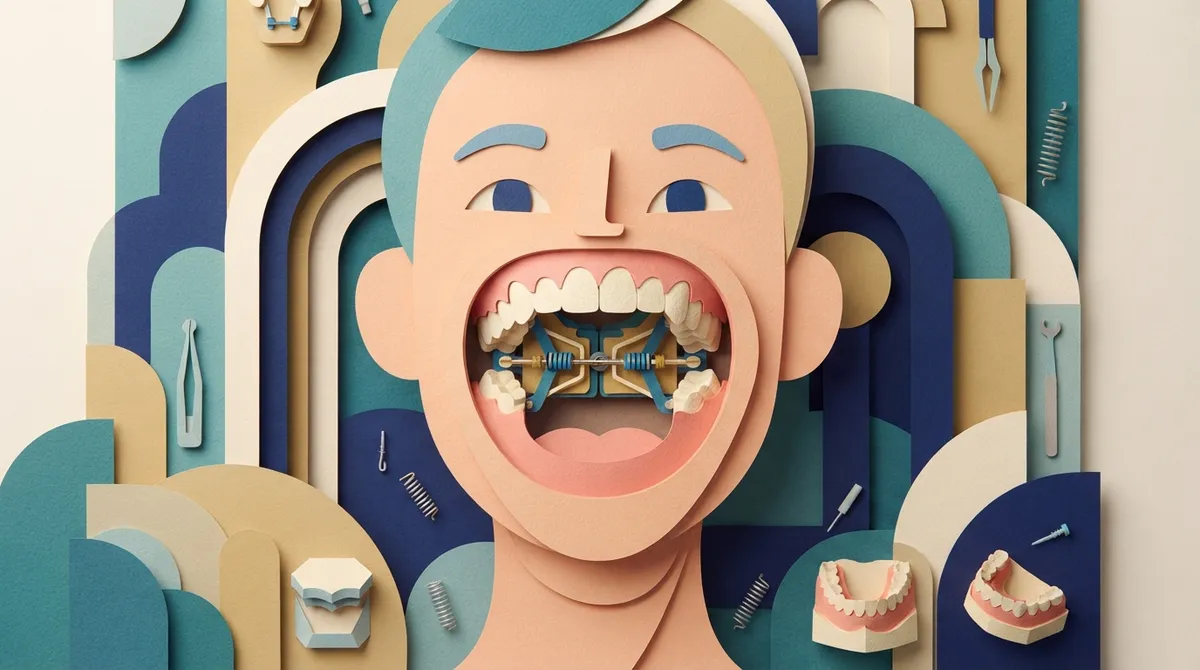
Orthodontic expanders, also called palatal or maxillary expanders, are appliances that widen a narrow upper jaw. They fit against the roof of the mouth and apply gentle, steady pressure over time. This pressure slowly separates the bones along the middle of the palate, creating more space.
Expanders are typically used to fix a few common issues:
- Posterior crossbite, where the upper teeth sit inside the lower teeth when biting down
- A narrow or high-arched palate
- Dental crowding that needs extra room to correct
- Impacted teeth that are struggling to come in properly
- Certain bite discrepancies between the upper and lower jaws
Not every child needs one. A proper diagnosis usually requires a full orthodontic exam, along with photographs, x-rays, or digital scans. That’s why your first visit is so important for figuring out the right plan.
Mistake 1: Waiting Too Long to Get an Evaluation
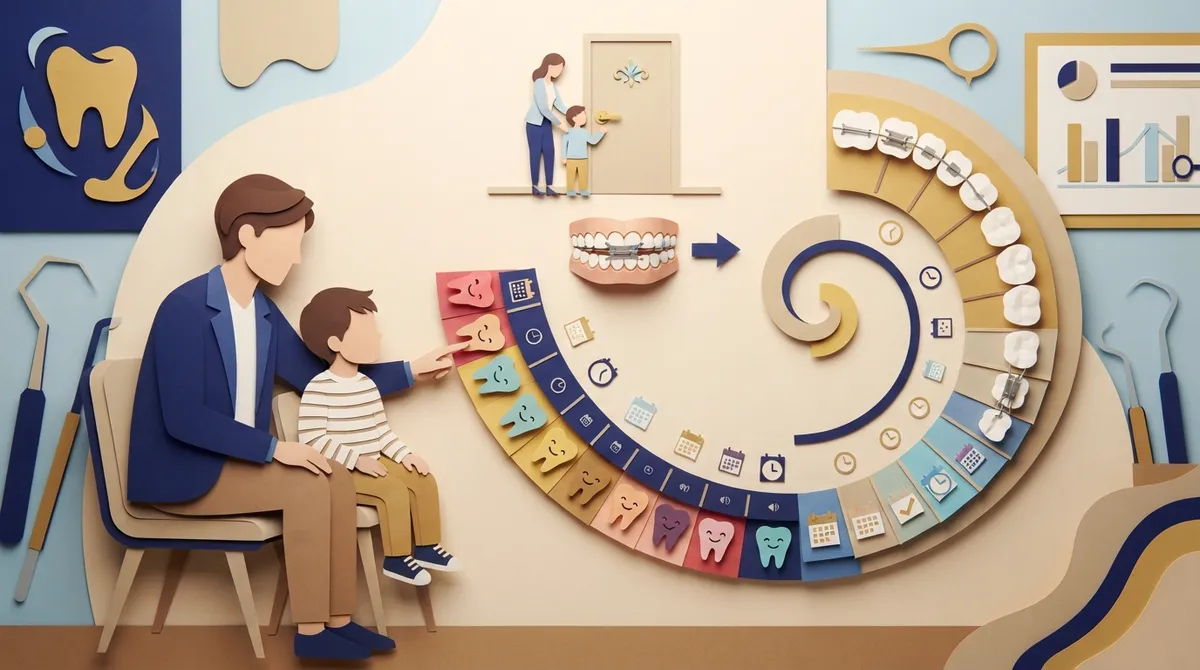
One of the biggest mistakes we see is parents waiting until their child is a teenager to schedule an orthodontic check. The Cleveland Clinic notes that orthodontists often consider expander treatment around ages 7 or 8. This is because the upper jaw bones are still developing and haven’t fused together yet.
Waiting too long can mean a less predictable outcome. As kids grow into their teenage years, the bones in the palate become more solid. This makes traditional tooth-supported expansion less effective. An early evaluation gives your orthodontist the chance to catch problems while treatment is easiest.
If you’re unsure whether it’s time, our early treatment page breaks down what to look for and when to schedule that first visit.
Mistake 2: Assuming All Expanders Are the Same
Not all expanders work the same way. Choosing the wrong type, or not understanding why a certain type was chosen, can cause unnecessary confusion. Here’s a quick breakdown of common types:
| Expander Type | How It Works | Best For |
|---|---|---|
| Fixed Rapid Expander | Attached to back teeth, turned daily with a key | Younger children needing quicker results |
| Slow/Semi-Rapid Expander | Lower activation rate, gentler force over time | Kids who need gradual adjustment |
| Removable Expander | Can be taken out for cleaning | Milder cases needing less force |
| Surgically Assisted Expander | Combined with a minor surgical procedure | Older teens or adults with fused sutures |
| MARPE (Mini-Implant Supported) | Uses tiny implants for skeletal anchorage | Teens or adults needing more skeletal change |
According to a professional orthodontic evidence guide updated in 2025, rapid expansion activates at about 0.5 mm per day, semi-rapid at roughly 0.25 mm per day, and slow expansion at about 1 mm per week. Your orthodontist chooses the type based on age, growth stage, and how much correction is needed.
Mistake 3: Panicking Over Normal Side Effects
Expansion often creates temporary side effects that can catch parents off guard if they don’t know what to expect. Common short-term effects include:
- A gap forming between the upper front teeth (this is expected and normal!)
- Mild pressure or soreness in the first few days
- Occasional headaches
- Extra saliva production
- A temporary lisp or slight speech change
- Some difficulty cleaning around the appliance at first
These effects usually fade as your child adjusts. If something feels seriously wrong, or pain doesn’t improve, always reach out to your orthodontic team rather than guessing.
Mistake 4: Skipping Daily Activation Instructions
Fixed rapid expanders usually need daily turns using a small key. Missing turns, or turning too many at once, can throw off the whole treatment timeline. Here’s a simple step-by-step reminder for staying on track:
- Set a daily reminder on your phone at the same time each day
- Wash your hands before touching the appliance or key
- Insert the key gently into the hole as shown by your orthodontist
- Turn only as many times as instructed, usually just once per day
- Check for the gap forming between the front teeth as a sign of progress
- Record each turn on a calendar or chart to avoid missing a day
- Contact your orthodontic office if you miss a turn or feel unsure
Consistency matters more than speed here. Sticking to the schedule your orthodontist gives you leads to better, more predictable results.
Mistake 5: Ignoring Diet and Hygiene Changes
Expanders create more nooks and crannies where food can hide. Parents sometimes assume regular brushing habits are enough, but a little extra care goes a long way.
Foods to avoid or limit while wearing an expander include:
- Sticky candies like caramel or taffy
- Hard foods such as ice or whole nuts
- Crunchy chips that can get stuck in the appliance
- Chewy bread or bagels that stick to the roof of the mouth
Encourage your child to rinse with water after meals and brush a little more carefully around the appliance. The American Dental Association recommends brushing at least twice daily, which becomes even more important during expander treatment.
Mistake 6: Thinking Expansion Alone Will Straighten Teeth
Expanders create space and fix width problems in the jaw. But they usually don’t align crooked teeth on their own. Many families are surprised to learn that braces or clear aligners are often needed afterward to finish the job.
Think of expansion as building a bigger room. Braces or aligners are what arrange the furniture inside it. Both steps usually work together for the best long-term smile.
Mistake 7: Removing the Retainer Phase Too Soon
After active expansion, the appliance is usually left in place for a while as a retainer. This helps new bone fill in the space and keeps the jaw from shifting back. Some families think treatment is done once the desired width is reached, but stopping too early can lead to relapse.
Your orthodontist may also swap the expander for a different retainer option during this stabilization phase. Sticking with the full plan protects the results you worked hard to achieve.
Mistake 8: Assuming Expanders Are Only for Kids
While expanders are most predictable in growing children, teens and adults aren’t always out of luck. A 2022 systematic review of adolescent rapid maxillary expansion looked at 16 studies involving patients roughly 10 to 16 years old with transverse maxillary deficiency, showing solid results in that age range.
For older teens and adults, traditional tooth-supported expansion becomes less predictable because facial bones have matured. In these cases, orthodontists may consider skeletal-anchorage options like MARPE, or surgically assisted expansion. A 2022 systematic review comparing MARPE with conventional expansion in adolescents found that MARPE can effectively widen the jaw with potentially fewer side effects, though results still depend on the individual case.
If you’re an adult wondering about your own bite or jaw width, our adult treatment options include a full evaluation to see what’s realistic for you.
Mistake 9: Believing Expanders Cure Sleep Apnea or Breathing Problems
This is a big one. Some parents hear that expanders can help with mouth breathing or snoring and assume it’s a guaranteed fix for airway issues. The research tells a more careful story.
A 2021 systematic review found that rapid expansion can enlarge dental arches and nasal or maxillary structures, and may improve mouth breathing in the short term. But this doesn’t mean expansion is a standalone treatment for obstructive sleep apnea. A 2025 systematic review of facial soft-tissue outcomes reported some nasal-area changes after expansion, including alar width increases of roughly 0.5 to 2.21 mm, but results varied quite a bit between studies.
If breathing concerns are part of the conversation, it’s best to combine an orthodontic evaluation with input from a medical provider. Expanders may help in some cases, but they aren’t a replacement for a full airway assessment.
How Long Does Expander Treatment Actually Take?
Timelines vary quite a bit based on age and the specific issue being treated. According to Cleveland Clinic, expander treatment may last anywhere from several weeks to several months, and in some cases up to about one year. A clinical evidence summary found that in prepubertal patients, the long-term skeletal increase may only be about 20 to 25 percent of the total appliance activation. That’s why timing and consistency really do matter.
Signs It Might Be Time for an Expander Evaluation
- Your child’s upper back teeth sit inside the lower teeth when biting down
- You notice a narrow, high palate during dental visits
- Teeth appear crowded or are coming in crooked
- Your dentist mentions an impacted tooth
- Your child breathes through their mouth frequently
None of these signs guarantee an expander is needed, but they’re good reasons to book a consultation and get a clear answer.
Why Families Trust Brockway Orthodontics for Expander Care
At Brockway Orthodontics in Clearwater, Dr. Brockway takes time to explain every step of the expander process in simple, friendly language. We know this can feel like unfamiliar territory for parents, so we walk you through what to expect, how to care for the appliance, and what comes next after expansion is complete.
Our office uses digital scans instead of messy molds, making the whole diagnostic process faster and more comfortable for kids. We also offer a full range of orthodontic services so your child’s care can continue smoothly from expansion into braces or Spark™ Clear Aligners if needed.
Curious what other Clearwater families think? You can visit us on Google — Brockway Orthodontics to read real reviews from our patients and their parents. You can also follow along on Instagram or Facebook for smile updates and helpful tips.
Quick Recap: The 9 Mistakes to Avoid
- Waiting too long for an orthodontic evaluation
- Assuming all expanders work the same way
- Panicking over normal, temporary side effects
- Skipping or forgetting daily activation turns
- Ignoring diet and hygiene changes needed for expander care
- Thinking expansion alone will straighten crooked teeth
- Stopping the retainer phase too early
- Assuming expanders only work for young children
- Believing expanders alone will cure sleep apnea or breathing issues
Avoiding these mistakes helps your family get the most out of expander treatment, with fewer surprises along the way. Orthodontic care works best as a team effort between your orthodontist, your child, and you as the parent. For more general guidance, the Florida Association of Orthodontists also offers helpful resources for families exploring treatment options.
Ready to Get Started?
If your child needs a palatal expander, or you’re just not sure where to start, we’re here to help every step of the way. Our friendly Clearwater team will answer your questions, explain your options clearly, and create a plan that fits your family’s life. Ready to take the next step? Book your free consultation online today, or feel free to contact our team with any questions you have. Your child’s healthy, confident smile is closer than you think!
FAQs
Q: What is an orthodontic expander and how does it work?
A: An orthodontic expander is an appliance that widens a narrow upper jaw by applying gentle, steady pressure to the roof of the mouth. Over time, this pressure gradually separates the bones along the middle of the palate, creating more space for teeth to fit and align properly.
Q: At what age should a child get a palate expander?
A: Many orthodontists start considering expanders around ages 7 or 8, while the upper jaw is still developing and easier to widen. That said, the right timing really depends on your child’s growth stage and specific bite issue, so a full evaluation is always the best first step.
Q: Does a palatal expander hurt?
A: Most kids feel some pressure or mild soreness for the first few days, especially right after a turn, but it’s usually not described as painful. Any discomfort tends to fade quickly as your child gets used to the appliance being in place.
Q: How long do you need to wear an orthodontic expander?
A: Treatment time varies, but it can range from several weeks to several months, and sometimes up to about a year depending on age and the amount of expansion needed. Many patients then keep the appliance in place a bit longer as a retainer to help the new bone stabilize.
Q: Can adults use a palatal expander?
A: Traditional tooth-supported expanders are less predictable in adults since facial bones have already matured. However, options like mini-implant-supported MARPE devices or surgically assisted expansion can still help adults achieve meaningful results in the right cases.
Our Service Area