Key Takeaways
-
There is no safe, natural way to straighten teeth; teeth require controlled orthodontic force applied over time by a trained professional to move predictably and safely.
-
DIY teeth-straightening methods like rubber bands, filing, and string are dangerous and can cause permanent damage including gum recession, bone loss, and tooth loss.
-
Good oral habits such as brushing twice daily, flossing, limiting sugar, and regular dental checkups support a healthy mouth but cannot reposition teeth on their own.
-
Modern orthodontic options including traditional braces, clear aligners, and ceramic braces offer comfortable, discreet solutions; a 2025 review found no major difference in results between braces and aligners for non-extraction cases.
-
Orthodontists recommend children get evaluated by age 7 for early detection, and adults with shifted teeth should schedule a consultation immediately rather than attempting home remedies.
-
Retainer wear after treatment is critical to prevent teeth from shifting back; skipping retainers is one of the top reasons people need retreatment later in life.
Searching for how to straighten teeth naturally? You’re not alone. Many parents, teens, and busy adults want a quick fix that skips the orthodontist’s chair. But here’s the honest truth: there is no safe, natural way to actually move teeth into a straighter position. The good news? There are proven, comfortable, and even discreet options that really work, and we’re here to walk you through all of it with a smile.
At Brockway Orthodontics in Clearwater, we hear this question all the time. People try tongue exercises, special diets, or even DIY rubber bands they saw online. We understand the appeal of a natural fix. It sounds easy, affordable, and low-risk. Unfortunately, teeth don’t move that way. They need real, gentle, controlled pressure applied over time by someone trained to do it safely.
In this guide, we’ll explain what natural methods can and cannot do, why DIY teeth straightening is risky, and what safe options actually give you the smile you want. Let’s get started.
Can You Really Straighten Teeth Naturally?
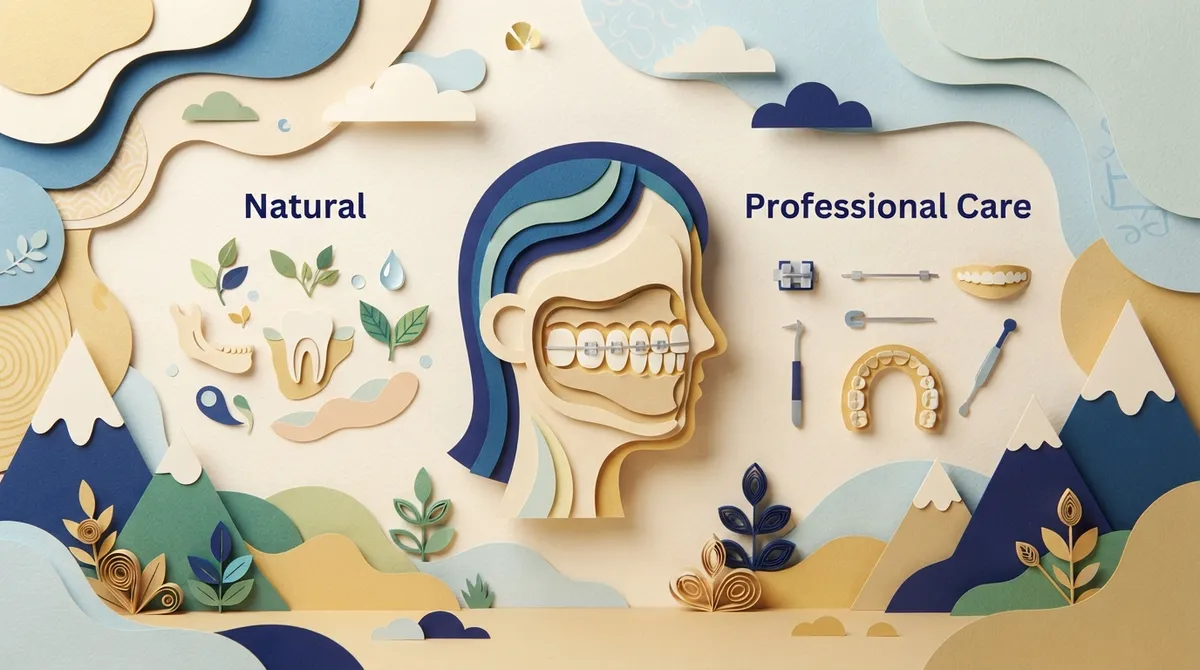
Let’s answer this one directly, since it’s the most common question we get. No, you cannot predictably or safely straighten teeth using natural remedies, tongue posture, chewing exercises, vitamins, or diet changes alone. Moving a tooth requires controlled force applied to the tooth root, bone, and gum tissue over weeks and months. This process must be planned by someone who understands your bite, jaw, and gum health.
Healthy habits are wonderful for your mouth. They just don’t replace orthodontic treatment. Think of it this way: eating vegetables is great for your body, but it won’t fix a broken bone. Straightening teeth works the same way. You need the right tool for the job.
What Natural Habits Actually Do Help With
While natural methods won’t straighten your teeth, good habits absolutely support a healthy smile and better orthodontic results. Here are habits worth keeping:
- Brushing twice daily with fluoride toothpaste to prevent decay
- Flossing or using interdental brushes to clean between teeth
- Limiting sugary snacks and acidic drinks that weaken enamel
- Avoiding tobacco products, which harm gum tissue
- Visiting your dentist regularly for checkups and cleanings
- Wearing a mouthguard during sports to protect your smile
These habits create a healthy foundation. When your gums and teeth are healthy, your orthodontic treatment tends to go more smoothly and predictably.
Why DIY Teeth Straightening Is Risky
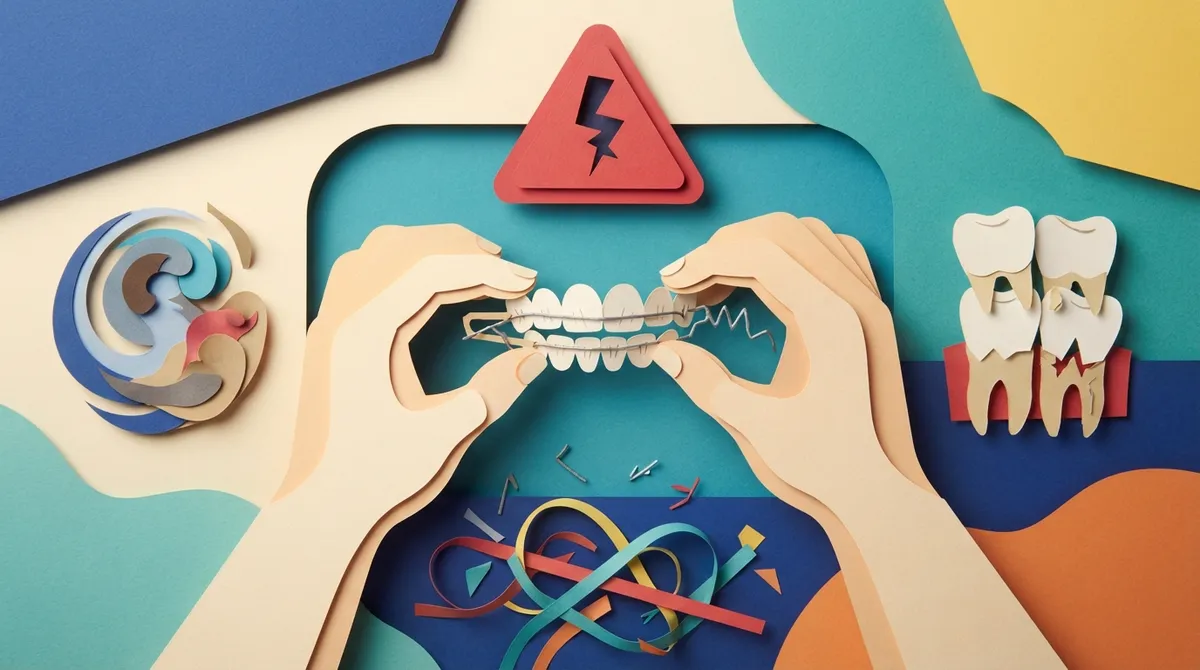
We know DIY videos are everywhere. Some show people using rubber bands to close gaps. Others suggest filing teeth or using household tools to shift teeth. These methods are dangerous and can cause permanent harm.
The Florida Association of Orthodontists and national organizations have documented real cases of serious injury. In one widely reported case, a rubber band used to close a gap between teeth slipped under the gum line. It caused severe damage to the tissue and bone supporting the teeth. This type of injury can lead to tooth loss.
Common DIY Methods and Their Risks
| DIY Method | Why People Try It | Potential Risk |
|---|---|---|
| Rubber bands or gap bands | Closing small tooth gaps | Gum recession, bone damage, tooth loss |
| Filing teeth at home | Making teeth look even | Permanent enamel damage, sensitivity |
| Unsupervised online aligners | Lower upfront cost | Bite problems, root damage, no monitoring |
| Tongue or facial exercises | Belief they shift teeth | No proven effect, wasted time |
| String or floss straightening | Mimicking rubber band method | Infection, tissue damage |
If you’ve already tried one of these methods, don’t panic, but don’t wait either. Schedule an evaluation as soon as possible. Catching a problem early often means an easier fix. Feel free to contact us if you have questions about something you tried at home.
Why Crooked Teeth Happen in the First Place
Crooked teeth are rarely just a cosmetic issue. They often come from deeper causes that only a trained eye can spot. Common causes include:
- Overcrowding from a jaw that’s too small for all the teeth
- Missing or extra teeth that throw off spacing
- Impacted teeth that never fully emerge
- A mismatch between upper and lower jaw size
- Tooth size differences between upper and lower arches
- Gum or bone conditions affecting tooth position
This is exactly why a professional evaluation matters so much. Two people can have crooked teeth that look similar on the surface but need completely different treatment plans. Our team at Brockway Orthodontics starts every first visit with a full look at your teeth, gums, bite, and jaw before recommending anything.
Safe, Proven Ways to Straighten Teeth
Once you know natural methods won’t work, the good news is that modern orthodontic care offers comfortable, often barely noticeable options. Here’s a rundown of what actually straightens teeth safely.
1. Traditional Braces
Braces remain one of the most reliable ways to fix complex issues. They offer excellent control over tooth rotation, root positioning, and bite correction. Our braces page explains how modern brackets are smaller and more comfortable than ever.
2. Clear Aligners
Clear aligners are custom-made trays that gradually shift teeth. They are not a natural treatment. They are an active medical appliance that requires a diagnosis and a treatment plan from an orthodontist. At Brockway Orthodontics, we offer Spark™ Clear Aligners, a comfortable and more affordable option for teens and adults who want a discreet path to a straighter smile.
3. Ceramic Braces
Ceramic braces blend in with your natural tooth color, giving you the strength of braces with a more discreet look. Many adult professionals love this option because it works well for complex cases while staying subtle.
4. Retainers After Treatment
Once your teeth are straight, retainers help keep them that way. Teeth naturally want to shift back over time, so a retainer protects your investment. Skipping retainer wear is one of the top reasons people need retreatment later in life.
Braces vs. Clear Aligners: A Quick Comparison
Choosing between braces and aligners depends on your specific case. Here’s a simple breakdown based on current research and clinical experience.
| Factor | Braces | Clear Aligners |
|---|---|---|
| Best for | Complex rotations, extraction cases, severe crowding | Mild to moderate crowding, spacing |
| Visibility | Visible (unless ceramic) | Nearly invisible |
| Root control | Strong | More limited in complex cases |
| Removable | No | Yes |
| Compliance needed | Lower | Higher, requires 20-22 hours daily wear |
A 2025 review of 15 clinical trials involving over 1,000 patients found no major difference in results between braces and aligners for cases that didn’t need extractions. However, for extraction cases, braces tended to produce better outcomes. This is exactly why a personalized consultation matters more than following a trend you saw online.
Steps to Take If You Want Straighter Teeth
Ready to get started the right way? Here’s a simple path to follow:
- Schedule a consultation with a licensed orthodontist
- Get a full exam including X-rays and digital scans
- Discuss your goals, whether it’s a subtle fix or full correction
- Review your treatment options and timeline together
- Choose a plan that fits your lifestyle and budget
- Follow your treatment instructions closely, including retainer wear
- Attend all follow-up visits to track progress
This process might feel like more steps than a quick home remedy. But it’s the only path that actually works and keeps your smile healthy long-term. Our full range of services covers each stage of this journey, from your very first visit to your last retainer check.
Who Should Get Evaluated Right Away
Some situations call for a visit sooner rather than later. Consider booking a consultation if you notice:
- Teeth that have shifted since you last saw an orthodontist
- A retainer that no longer fits comfortably
- New gaps or crowding appearing in adulthood
- Jaw pain, clicking, or difficulty chewing
- A child whose baby teeth are coming in crooked
- Signs of gum irritation from a DIY method you tried
Parents often wonder about the right age for a first visit. The American Association of Orthodontists recommends children see an orthodontist by age 7. This allows early detection of issues while there’s still room to guide growth. Our early treatment page explains this timing in more detail, and our adolescent treatment options cover the teen years.
Why Choose Brockway Orthodontics in Clearwater
Dr. Brockway has built her practice around one simple idea: every patient deserves a plan made just for them. She takes time to listen to your goals and concerns, whether you’re a parent bringing in your seven-year-old or an adult professional exploring adult treatment options for the first time.
Our Clearwater office uses modern technology, including digital impressions and 3D imaging, so you skip the messy molds of the past. In many cases, we can even offer same-day treatment starts, which is a huge relief for busy families juggling school, work, and everything in between.
We also believe education builds confidence. Our team walks you through every step in plain language, so you always know what’s happening and why. Curious what people say about their experience? You can visit us on Google — Brockway Orthodontics to read real reviews from Clearwater families and adults just like you.
A Note on Adults Considering Treatment
If you’re an adult who had braces years ago and your teeth have shifted, you’re in good company. Orthodontic relapse is common, especially if retainers weren’t worn consistently. The good news is that adult treatment today is faster, more comfortable, and far more discreet than it used to be. Many adults choose clear aligners or ceramic braces specifically because they fit into professional and social lives without much disruption.
According to the American Dental Association, maintaining good oral hygiene throughout any orthodontic treatment is essential to prevent decay and gum disease. This becomes even more important with aligners, since food and bacteria can get trapped against teeth if trays aren’t cleaned properly.
Final Thoughts on Straightening Teeth the Right Way
Wanting to straighten teeth naturally comes from a good place. You want a healthier, more confident smile without unnecessary cost or hassle. The safest path to that smile isn’t a home remedy. It’s a personalized plan built by someone trained to move teeth safely and predictably.
Whether you’re a parent noticing your child’s teeth coming in crooked, a teenager preparing for graduation photos, or an adult ready to finally fix that smile you’ve been self-conscious about, Brockway Orthodontics in Clearwater is here for you. We offer braces, Spark™ Clear Aligners, ceramic options, and retainers, all backed by real expertise and genuine care for your journey.
Ready to see what’s possible for your smile? Book your free consultation online today and take the first real step toward straighter, healthier teeth. You can also follow along and see more smile transformations on our Instagram and Facebook pages.
FAQs
Q: Can you straighten teeth naturally without braces or aligners?
A: Unfortunately, no. Teeth need controlled orthodontic force to move safely and predictably. Good habits like brushing and flossing support a healthy mouth, but they can’t reposition teeth on their own.
Q: Do tongue posture or facial exercises straighten teeth?
A: There’s no reliable evidence that tongue posture or facial exercises move teeth into a straighter position. These habits may support general oral health, but they won’t replace a real treatment plan.
Q: Are rubber bands safe for closing gaps between teeth?
A: No, and this is one we really want you to hear. Rubber bands can slip under the gum line and cause serious damage to the tissue and bone, sometimes leading to tooth loss.
Q: Are clear aligners as effective as braces for crowded teeth?
A: For mild to moderate crowding, clear aligners often work just as well as braces. For more complex cases, braces may give better control, so it really depends on your specific smile.
Q: What should I do if I’ve already tried a DIY teeth-straightening method?
A: Don’t wait it out. Schedule an evaluation with our team right away so we can check for any damage and get you started on a safe, effective plan instead.
Our Service Area