Key Takeaways
-
Quick teeth straightening (3-6 months) works only for mild crowding or small gaps and focuses on visible front teeth, not bite correction or root positioning, so a professional exam is essential to determine if you qualify.
-
Clear aligners require 20-22 hours daily wear to stay on schedule, while traditional braces work continuously; compliance matters more than the appliance type, and missing wear time significantly slows results.
-
Teeth naturally shift back after treatment, making retainer wear in the first year critical to protecting results; many patients experience relapse by stopping retainer use too soon.
-
Accelerated methods like vibration devices and light therapy have mixed evidence and variable results; the American Dental Association recommends professional supervision before trying any speed-up technique instead of DIY approaches.
Scrolling through social media and seeing someone’s smile transform overnight can make anyone curious. If you’re dreaming of straighter teeth before a wedding, graduation, or big job interview, you’re probably wondering: can I really get quick teeth straightening results? The honest answer is a friendly “it depends” — but that’s actually good news, because it means there’s likely a plan that fits your timeline and your smile goals.
At Brockway Orthodontics in Clearwater, we love helping patients understand what’s realistic and what’s just marketing hype. Some mild cases really can improve in a matter of months. Others need more time to get a healthy, stable bite. Let’s walk through exactly what quick teeth straightening means, who qualifies, and how to protect your smile while chasing faster results.
What Does Quick Teeth Straightening Actually Mean
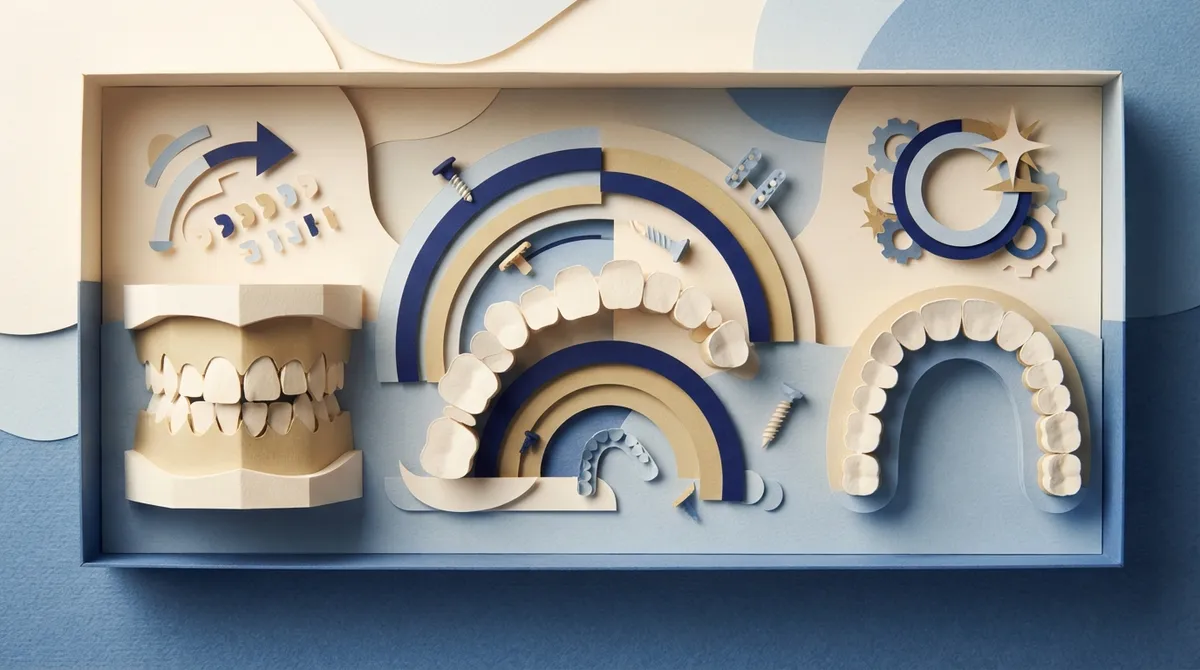
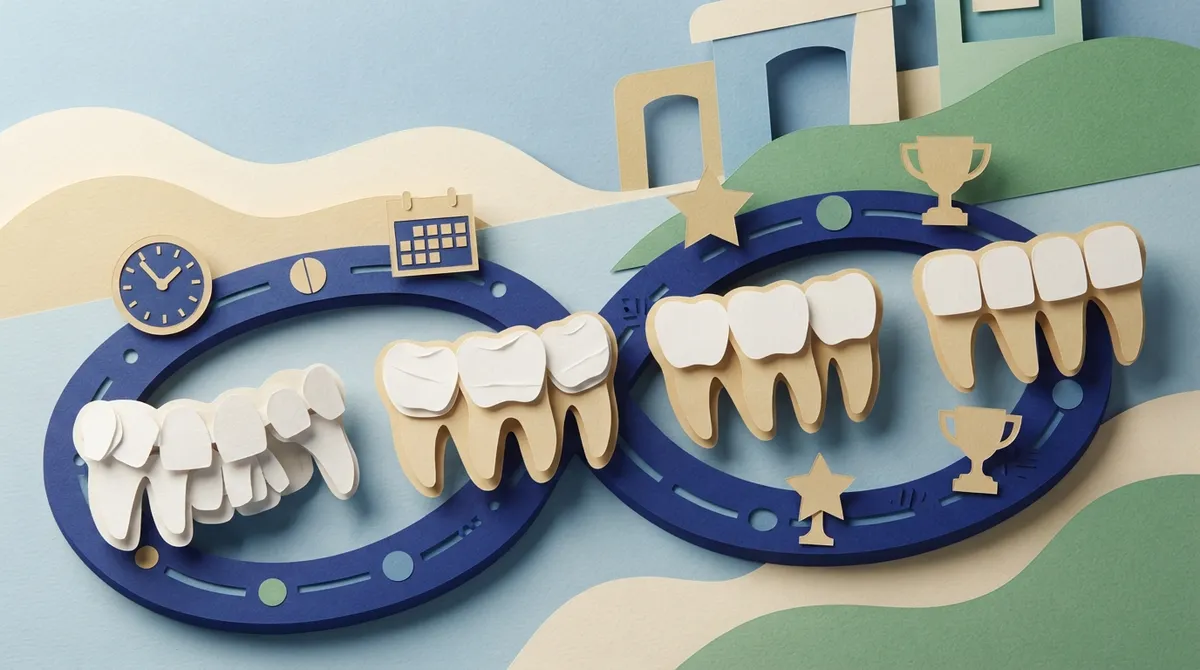
When people search for quick teeth straightening, they usually mean one thing: fixing crowded, gapped, or slightly crooked front teeth without a long treatment plan. This is often called limited or “express” orthodontic treatment. It’s not a magic fix for every dental issue.
Quick treatment usually focuses only on the teeth you see when you smile. It does not always fix your bite or move tooth roots into their ideal position. That’s an important distinction Dr. Brockway discusses with every patient during a consultation.
- Quick treatment works best for mild crowding or small gaps
- It typically targets only the front, visible teeth
- It may not correct how your upper and lower teeth fit together
- It’s not designed for complex bite problems or jaw misalignment
- Results still require a retainer to stay in place
How Long Does Quick Teeth Straightening Really Take
Timelines vary a lot depending on your starting point. Here’s a simple breakdown based on national guidance from the NHS and the British Orthodontic Society, which offer some of the clearest public data on treatment timing.
| Treatment Type | Typical Timeline | Best For |
|---|---|---|
| Limited/Express Treatment | 3–6 months | Mild front-tooth crowding or spacing |
| Standard Comprehensive Treatment | 12–24 months | Bite correction, moderate misalignment |
| Complex Treatment | 24–30+ months | Severe crowding, impacted teeth, jaw issues |
According to the NHS, most orthodontic treatment lasts between 12 months and 2.5 years, with checkups scheduled every 4 to 10 weeks. The British Orthodontic Society notes that simple front-tooth straightening can sometimes wrap up in about 6 months, but treatment aimed at fixing the bite commonly takes 1 to 2 years.
Who Is a Good Candidate for Fast Treatment
Not everyone qualifies for a short treatment plan, and that’s okay. Dr. Brockway’s approach at our Clearwater office always starts with a full exam to see what’s realistic for your smile.
- You have mild-to-moderate crowding, not severe crowding
- Your bite is generally healthy, without major overbite or underbite issues
- You don’t have impacted teeth that need surgical exposure
- Your gums and teeth are healthy, with no active decay or gum disease
- You’re committed to wearing your aligners or appliance as directed
If you check most of these boxes, you might be a great fit for limited treatment. If not, don’t worry — a comprehensive plan through All About Braces or Spark™ Clear Aligners can still deliver a beautiful, healthy result. It may just take a bit more time.
Clear Aligners vs Braces for Speed
Many patients ask which option moves teeth faster. The truth is, speed depends more on your case than the appliance itself. Still, each option has its own strengths.
| Feature | Clear Aligners | Traditional Braces |
|---|---|---|
| Best for | Mild-to-moderate cases | Complex rotations, large gaps, severe crowding |
| Daily wear time | 20–22 hours per day | Worn continuously, no removal needed |
| Visibility | Nearly invisible | Metal or ceramic, more visible |
| Compliance factor | Depends heavily on patient discipline | Less reliant on patient compliance |
| Removable for eating | Yes | No |
Clear aligners like Spark™ are discreet and popular with busy professionals and image-conscious teens. But they need to be worn nearly all day to stay on schedule. Missing wear time can slow your results significantly. If you want a deeper comparison, check out our guide on Braces vs. Clear Aligners: Which One Is Right for You?
Steps to Start Your Quick Teeth Straightening Journey
Ready to explore your options? Here’s how the process typically works at our Clearwater practice.
- Schedule a consultation to discuss your goals and timeline
- Get a full exam, including digital scans and X-rays if needed
- Review your treatment options with Dr. Brockway
- Choose between limited treatment, clear aligners, or full braces
- Begin treatment and attend regular checkups every 4–10 weeks
- Transition to a retainer once your active treatment is complete
Your First Visit is where all of this gets mapped out. We’ll never rush you into a plan that isn’t right for your smile, even if you’re hoping for speed.
Accelerated Orthodontic Options Worth Knowing
Some patients ask about technology that claims to speed up tooth movement. These methods include vibration devices, light therapy, and small procedures that stimulate bone remodeling. The evidence behind these methods varies, and they’re not right for everyone.
- Vibration devices may offer mild benefits for some patients
- Photobiomodulation (light therapy) has mixed research support
- Micro-osteoperforation is a minor procedure with variable results
- None of these replace a full orthodontic assessment first
- They should only be used under professional supervision
If you’re curious about these options, it’s smart to ask your orthodontist directly instead of trying something at home. The American Dental Association encourages patients to get professional guidance before trying accelerated methods, since results and safety data differ by technique.
What Quick Treatment Cannot Fix
It’s just as important to know the limits of fast treatment. Being upfront about this helps you avoid disappointment later.
- Severe bite problems like deep overbites or crossbites
- Impacted or unerupted teeth
- Significant jaw growth or alignment issues
- Teeth that need root repositioning, not just surface movement
- Cases with active gum disease or unresolved cavities
Cosmetic bonding or veneers can make teeth look straighter almost instantly, but they don’t actually move your teeth. They also require preparing the tooth surface, which isn’t ideal for otherwise healthy teeth. Orthodontic treatment remains the safest way to truly straighten your smile from the inside out.
Protecting Your Results After Quick Treatment
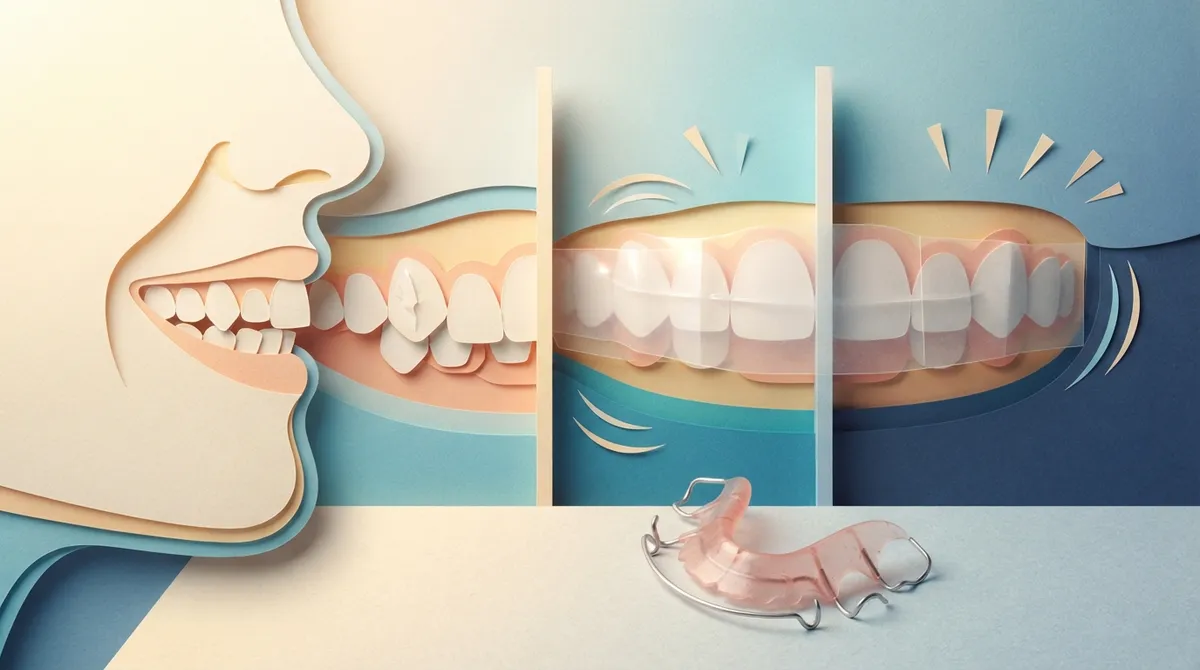
Getting a fast result is exciting, but keeping it is just as important. Teeth naturally want to shift back over time, especially right after treatment ends.
- Wear your retainer exactly as instructed, especially in the first year
- Attend follow-up visits to check retainer fit
- Replace worn or cracked retainers quickly
- Avoid skipping nights, even if your smile looks perfect
- Ask your orthodontist about long-term retention options
Our Retainers page covers everything you need to know about keeping your smile in place for years to come. Many relapse patients we see at Brockway Orthodontics simply stopped wearing their retainer too soon.
Why Patients in Clearwater Trust Dr. Brockway
Dr. Brockway has built her practice around honest, personalized care. She won’t promise a fast fix if it isn’t the safest option for your smile. Instead, she’ll walk you through every choice, from Adult Treatment to Adolescent Treatment, so you feel confident from day one.
Our Clearwater office uses digital scanning instead of messy molds, plus 3D imaging to plan your treatment with precision. This modern approach helps us map out the most efficient path for your specific smile, whether that means a shorter limited plan or a full comprehensive one. We also offer same-day treatment starts in certain cases, so busy families don’t need multiple visits just to get going.
Curious what real patients think? You can visit us on Google — Brockway Orthodontics to read reviews from families across Clearwater and Pinellas County. You can also connect with us on Facebook or follow along on Instagram for smile transformations and treatment tips.
Questions to Ask Before Choosing a Fast Treatment Plan
Before committing to any quick teeth straightening plan, bring these questions to your consultation. A good orthodontist will welcome them.
- Will this treatment fix my bite, or only the appearance of my front teeth?
- What happens if I don’t wear my aligners as recommended?
- How will you monitor my progress along the way?
- What retention plan do you recommend after treatment ends?
- Am I a good candidate, or would a longer plan serve me better long term?
The Florida Association of Orthodontists recommends always choosing a licensed, experienced orthodontist for any tooth movement plan, whether it’s quick or comprehensive. Skipping a proper evaluation, including mail-order aligner kits without in-person exams, can miss serious issues involving your gums, bone, or bite.
Final Thoughts on Quick Teeth Straightening
Quick teeth straightening can absolutely be the right choice for the right smile. Mild crowding, small gaps, and minor relapse often respond well to shorter treatment plans. But every mouth is different, and the only way to know your true timeline is through a professional exam.
Dr. Brockway and our team are here to give you a clear, honest answer about what your smile needs, whether that’s a few months of light treatment or a more complete plan. We proudly serve families throughout Clearwater and the surrounding Pinellas County area, and we’d love to help you start your journey with confidence. Ready to find out how fast your smile could transform? Book appointment online today, or feel free to contact us with any questions about your treatment options.
FAQs
Q: What is the fastest safe way to straighten teeth?
A: For mild crowding or small gaps, limited orthodontic treatment or clear aligners can sometimes show results in about 3 to 6 months. That said, the fastest safe method is always the one your orthodontist recommends after a full exam, since every smile is a little different.
Q: Can clear aligners straighten teeth in six months?
A: Yes, for some patients with mild-to-moderate crowding, clear aligners like Spark™ can create visible improvement in around six months. Wearing them 20 to 22 hours a day is key, so consistency really does pay off here.
Q: Are express aligners suitable for crowded or crooked teeth?
A: It depends on how severe the crowding is. Mild crowding often responds well to express treatment, but more complex crowding usually needs a longer, more comprehensive plan to move teeth safely and fully.
Q: How long do braces take to straighten teeth?
A: Most braces treatment takes between 12 and 24 months, though simple cases can finish sooner and complex cases may take longer. Your orthodontist will give you a personalized estimate at your first visit.
Q: How can I keep my teeth straight after quick orthodontic treatment?
A: Wearing your retainer as directed is the number one way to protect your results. Teeth can shift back surprisingly fast, so sticking with your retention plan is just as important as the treatment itself.
Our Service Area