Key Takeaways
-
Digital intraoral scanners eliminate uncomfortable putty impressions while providing accurate tooth models in minutes with margins of error under 50 micrometers, making appointments faster and more comfortable.
-
Research shows 3D digital workflows reduce treatment time by an average of 2.76 months compared to traditional methods, and 3D-printed models match plaster casts in accuracy with only 0.12mm difference.
-
3D orthodontics excels for complex cases like impacted teeth, jaw asymmetry, and surgical planning by merging intraoral scans with CBCT imaging to create detailed maps of tooth roots and bone structure.
-
Advanced technology cannot replace an experienced orthodontist's clinical judgment; successful outcomes depend on accurate exams, patient compliance with appliance wear, and regular treatment refinements.
Remember when getting braces meant biting into a tray of gooey, uncomfortable putty? Good news: those days are fading fast. Welcome to the world of 3D orthodontics, where digital scans, smart imaging, and precision-made appliances are changing how orthodontists plan and create your perfect smile. If you’re a parent researching options for your child, a busy professional wanting a discreet fix, or someone ready to correct a smile that shifted back after old treatment, this technology touches every part of your journey.
At Brockway Orthodontics, we love using modern tools that make treatment more comfortable and more precise. In this article, we’ll walk through eight key ways 3D orthodontics works, what it can (and can’t) do, and how it might fit into your own smile journey right here in Clearwater, Florida.
1. Digital Scanning Replaces Messy Impressions
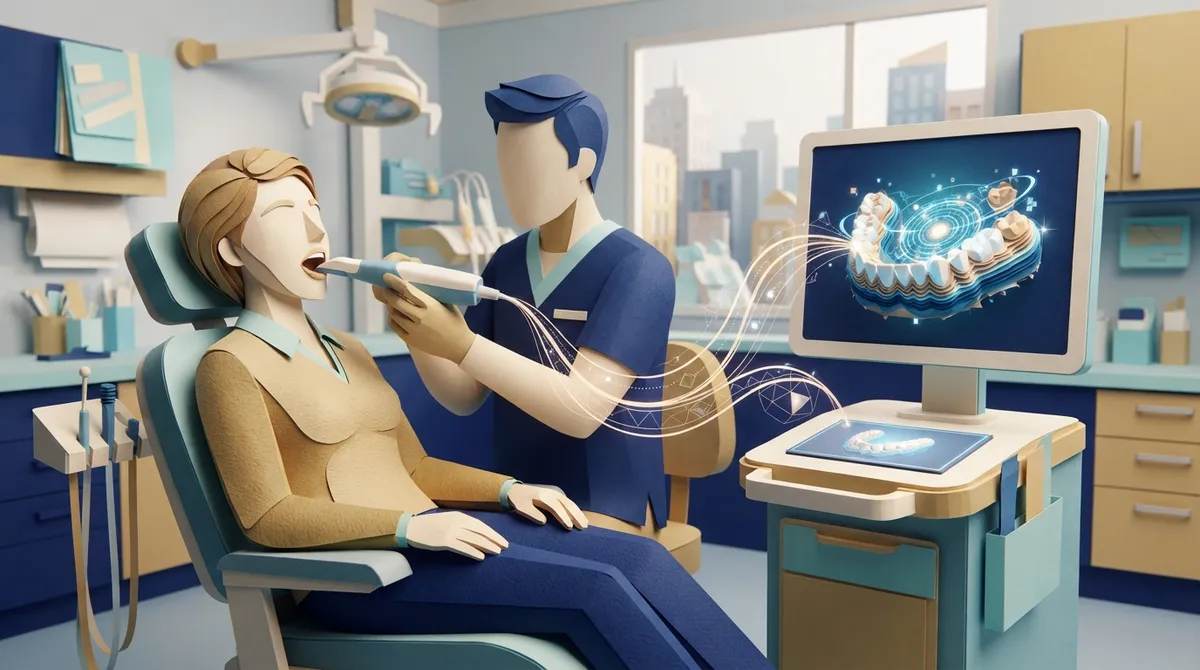
The first stop on most 3D orthodontic journeys is the intraoral scanner. Instead of biting into alginate goop, you simply sit back while a small wand takes pictures of your teeth. It stitches these images together into a detailed digital model in minutes.
This model shows your bite, spacing, and tooth shape with impressive detail. Many scanner systems today report trueness under 50 micrometers, though results vary based on the scanner, your mouth, and the technician’s skill. That’s a tiny margin of error for a much comfier process.
- No gagging or messy trays
- Faster appointment times
- Instant digital storage of your records
- Easy to share with dental labs or specialists
2. 3D Imaging Gives a Complete Picture (When Needed)
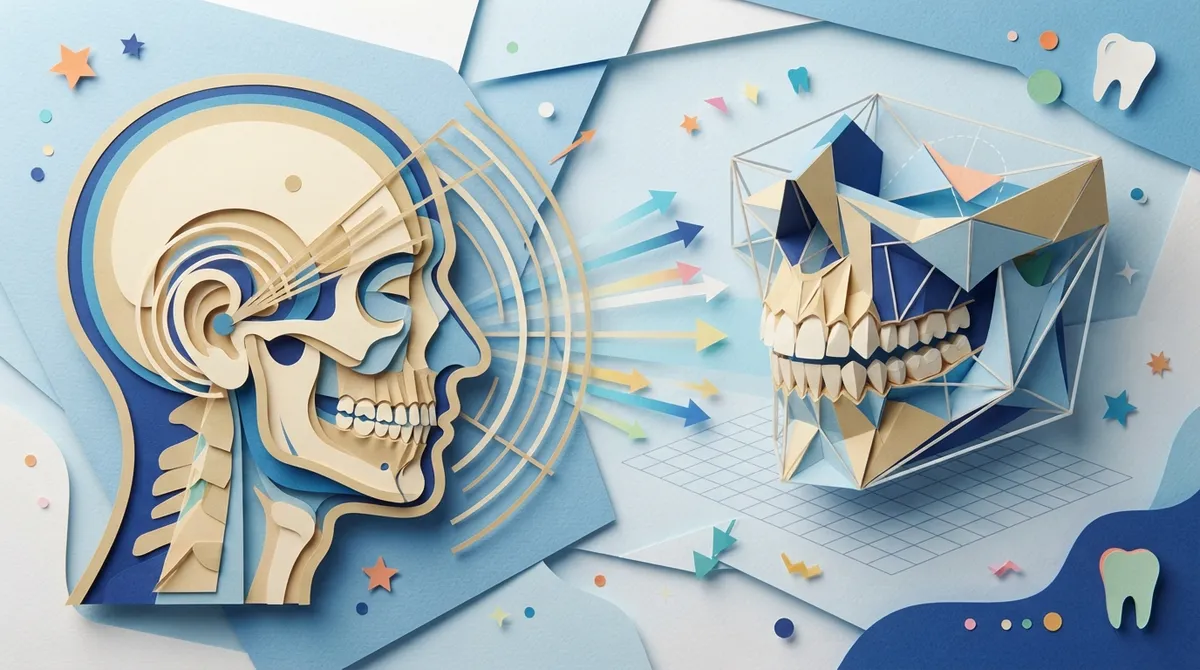
Sometimes a flat X-ray just doesn’t tell the whole story. That’s where cone-beam computed tomography, or CBCT, comes in. This specialized scan builds a 3D view of your teeth, jawbone, roots, and even airway structures.
CBCT is especially helpful for complex situations like impacted teeth, jaw asymmetry, or planning for jaw surgery. However, it’s not something every patient needs. Professional guidelines from groups like the American Dental Association stress that CBCT should only be used when clinically justified, using the smallest field of view necessary. This matters most for children, since minimizing radiation exposure is always a top priority.
3. Combining Scans Creates a Full Digital Patient Model
Here’s where things get really smart. Orthodontists can merge your intraoral scan with CBCT data to build one complete digital picture. This combined model shows both the surface of your teeth and what’s happening underneath, like roots and bone.
This merged view helps with:
- Planning exactly how teeth should move
- Mapping out surgical guides for complex cases
- Placing temporary anchorage devices with precision
- Checking how tooth roots relate to surrounding bone
For patients dealing with tricky cases, like impacted canines or significant jaw asymmetry, this level of detail can make a real difference in planning treatment. Learn more about how we approach orthodontic services tailored to your specific needs.
4. 3D Printing Builds Custom Appliances
Once your treatment plan is set, 3D printers can create a surprising range of orthodontic tools. This includes retainers, aligner molds, indirect-bonding trays, and even surgical guides.
Because everything starts from your digital scan, these appliances are built to match your mouth exactly. That means less trial and error and often quicker turnaround than traditional lab work. Curious about your options? Check out our Spark™ Clear Aligners, a comfortable and affordable choice for many of our patients.
5. Digital Workflows Can Shorten Treatment Time
Here’s a stat worth celebrating: a 2025 systematic review found that digital CAD/CAM workflows led to noticeably shorter treatment times compared to older methods, with an average reduction of about 2.76 months. That’s real time saved for patients eager to see their new smile.
Of course, results vary by case. Your own timeline depends on things like how complex your bite is, how well you wear your aligners, and how often you keep up with appointments. Still, it’s encouraging news for anyone dreading a long treatment road.
| Technology | Main Use | Patient Benefit |
|---|---|---|
| Intraoral Scanner | Digital tooth impressions | Comfort, speed, accuracy |
| CBCT Imaging | 3D view of bone, roots, jaw | Better planning for complex cases |
| CAD/CAM Design | Custom appliance planning | Precise fit, fewer adjustments |
| 3D Printing | Manufacturing aligners, retainers, guides | Faster turnaround, personalized appliances |
6. Accuracy Rivals Traditional Methods
Worried that digital models might not be as precise as old-school plaster casts? Research says you can relax. That same 2025 meta-analysis found 3D-printed orthodontic models were comparable in accuracy to plaster models, with only a tiny average difference of 0.12 mm.
Additionally, aligners made through CAD/CAM processes tended to fit more snugly and hold their shape better than some traditional thermoformed options, though experts note that materials continue to improve over time. This kind of ongoing research keeps orthodontic care moving forward, and it’s part of why practices like ours stay current with the latest tools and techniques.
7. It Helps With Complex Cases, Not Just Simple Ones
3D orthodontics isn’t only for straightforward crooked teeth. It plays a big role in more complicated situations too, such as:
- Impacted or unerupted teeth
- Significant jaw asymmetry
- Craniofacial differences present from birth
- Cases requiring orthognathic (jaw) surgery planning
- Complex bite problems affecting the airway
For families dealing with these more involved concerns, having detailed 3D data means your orthodontist can plan with more confidence. If you’re unsure whether your case falls into this category, a consultation is the best place to start. Our first visit page walks you through exactly what to expect.
8. Technology Supports, But Doesn’t Replace, Your Orthodontist
This might be the most important point on our list. As amazing as digital scans and 3D printing are, they don’t replace a skilled orthodontist’s eyes, hands, and judgment. Software can simulate tooth movement, but it can’t guarantee outcomes on its own.
Real results still depend on:
- An accurate clinical exam
- Radiographs when truly needed
- Your orthodontist’s experience and training
- How consistently you wear your aligners or keep your braces adjusted
- Regular check-ins and treatment refinements
Dr. Brockway combines this advanced technology with genuine, personal care. She takes time to listen to your goals and explain your options in plain language, so you always know what’s happening with your smile. Learn more about her background on our Meet Dr. Brockway page.
Common Limitations to Keep in Mind
No technology is perfect, and it helps to know the trade-offs. Here are a few honest limitations of 3D orthodontic tools:
- Scanners can struggle with excess saliva or patient movement
- Software systems don’t always talk to each other smoothly
- Printer and material quality varies between providers
- Trained staff are needed to get accurate results
- Long-term performance of some 3D-printed materials is still being studied
This is exactly why choosing an experienced, well-equipped practice matters. Groups like the Florida Association of Orthodontists encourage patients to ask questions about technology and training before starting treatment.
Who Benefits Most From 3D Orthodontics?
Almost everyone can benefit from more comfortable scans and precise planning, but certain groups see extra advantages:
| Patient Group | Key Benefit |
|---|---|
| Parents of Kids and Teens | Comfortable scans, early detection of issues |
| Adult Professionals | Discreet aligners, fewer in-office visits |
| Relapse Patients | Precise remapping of tooth movement |
| Complex Cases | Detailed 3D planning for surgery or impacted teeth |
If you fall into any of these categories, it’s worth exploring your options with a trusted provider. Take a look at our adult treatment or adolescent treatment pages to see what fits your situation.
What to Expect During Your 3D Orthodontic Visit
Curious how this all comes together during a real appointment? Here’s a simple rundown:
- You’ll check in and discuss your smile goals
- A quick intraoral scan captures your teeth and bite
- If needed, a CBCT scan provides extra detail
- Your orthodontist reviews the digital model with you
- A custom treatment plan is designed using CAD/CAM software
- Appliances like aligners or retainers are manufactured
- You start treatment with ongoing digital monitoring
It’s a smooth, modern process built around your comfort. To see how this looks in practice, browse our All About Braces page or explore our clear aligner options.
Why Clearwater Families Choose Brockway Orthodontics
Dr. Brockway genuinely cares about this community. She’s built her practice around listening closely to patients, explaining things clearly, and using modern technology thoughtfully, not just for the sake of having the latest gadget. Whether you need traditional metal braces, ceramic braces, or Spark™ Clear Aligners, our team walks you through every step.
We also know life gets busy. That’s why we offer same-day treatment options in certain cases, so you don’t have to juggle multiple appointments just to get started. Want to hear from real patients? Feel free to visit us on Google — Brockway Orthodontics and read what our community has to say.
Ready to See Your Smile in 3D?
3D orthodontics has made getting a straighter, healthier smile more comfortable and more precise than ever. From digital scans that skip the goopy trays to custom-printed retainers, this technology helps your orthodontist create a plan built just for you. But at the end of the day, it’s still about the relationship between you and your orthodontist.
If you’re ready to explore what modern orthodontic care can do for your smile, we’d love to meet you. Book your appointment online today and discover how Brockway Orthodontics blends advanced technology with genuine, personal care for patients throughout Clearwater, Florida.
FAQs
Q: What is 3D orthodontics and how does it work?
A: 3D orthodontics is a digital approach that uses intraoral scans, 3D imaging, and computer design to plan and create your orthodontic treatment. Instead of messy impressions, your orthodontist captures a detailed digital model of your teeth, then uses that model to design custom appliances like aligners or retainers.
Q: Is 3D orthodontic scanning better than traditional dental impressions?
A: Most patients find digital scanning much more comfortable than old-fashioned putty impressions, and it’s usually faster too. Studies show digital models can be just as accurate as traditional plaster models, so you’re not sacrificing quality for comfort.
Q: When is a CBCT scan needed for orthodontic treatment?
A: CBCT scans are typically reserved for more complex cases, like impacted teeth, jaw asymmetry, or planning for jaw surgery. Your orthodontist will only recommend one when it’s truly needed, since minimizing radiation exposure is always a priority, especially for kids.
Q: Can 3D orthodontics make braces or clear-aligner treatment faster?
A: It can help in many cases. Research has shown digital CAD/CAM workflows may shorten treatment time compared to traditional methods. That said, your own results depend on your specific case, your compliance, and regular check-ins with your orthodontist.
Q: How much does 3D orthodontic treatment cost?
A: Costs vary depending on your treatment type, complexity, and whether you choose braces or clear aligners like our Spark™ options. We recommend scheduling a free consultation so we can give you an accurate estimate based on your unique smile goals.
Our Service Area