Key Takeaways
-
Wear your clear retainer consistently according to your orthodontist's schedule—full-time for several months, then nightly indefinitely—because teeth can shift at any age, even decades after treatment.
-
Clear retainers last 1-3 years and require proper care: rinse with lukewarm water, brush gently with a soft toothbrush, avoid hot water and direct sunlight, and store in a ventilated case to prevent warping.
-
Stop wearing a damaged retainer immediately and contact your orthodontist if it feels loose, tight, cracked, or cloudy—teeth can start shifting within days without proper retention.
-
Retainers only hold teeth in place and cannot move them; if teeth have already shifted, you'll need new aligners or retreatment rather than relying on your retainer alone.
-
Never use a clear retainer as a night guard for teeth grinding, as retainers aren't designed to handle clenching pressure and will be damaged; request a separate bruxism appliance instead.
-
Your personalized retainer wear schedule depends on your age, bite, gum health, and treatment complexity, so follow your orthodontist's specific plan rather than copying a friend's routine.
So you finally got your braces off, or you just finished your last set of clear aligner trays. Congratulations! That new smile deserves a big celebration. But here’s a little secret nobody tells you enough: the real work of keeping your smile straight starts now, with your clear retainer. Think of your retainer as the loyal sidekick to your smile’s superhero story. Without it, your teeth may slowly drift back toward their old positions.
At Brockway Orthodontics, we see patients of every age walk through our doors in Clearwater, from teens fresh off their braces journey to busy professionals who invested in Spark™ Clear Aligners. Every single one of them shares the same goal: keeping that hard-earned smile looking amazing for years to come. This guide breaks down everything you need to know about clear retainers, in simple, friendly terms. Let’s dive in!
1. Clear Retainers Are Custom-Made Just for Your Smile
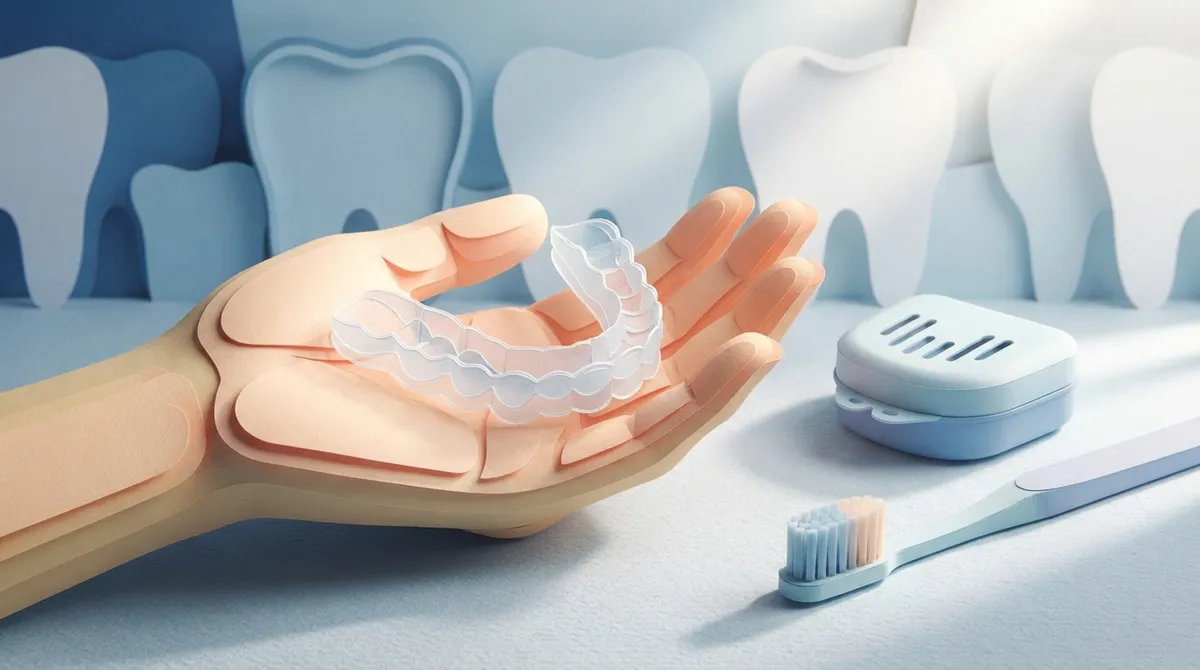
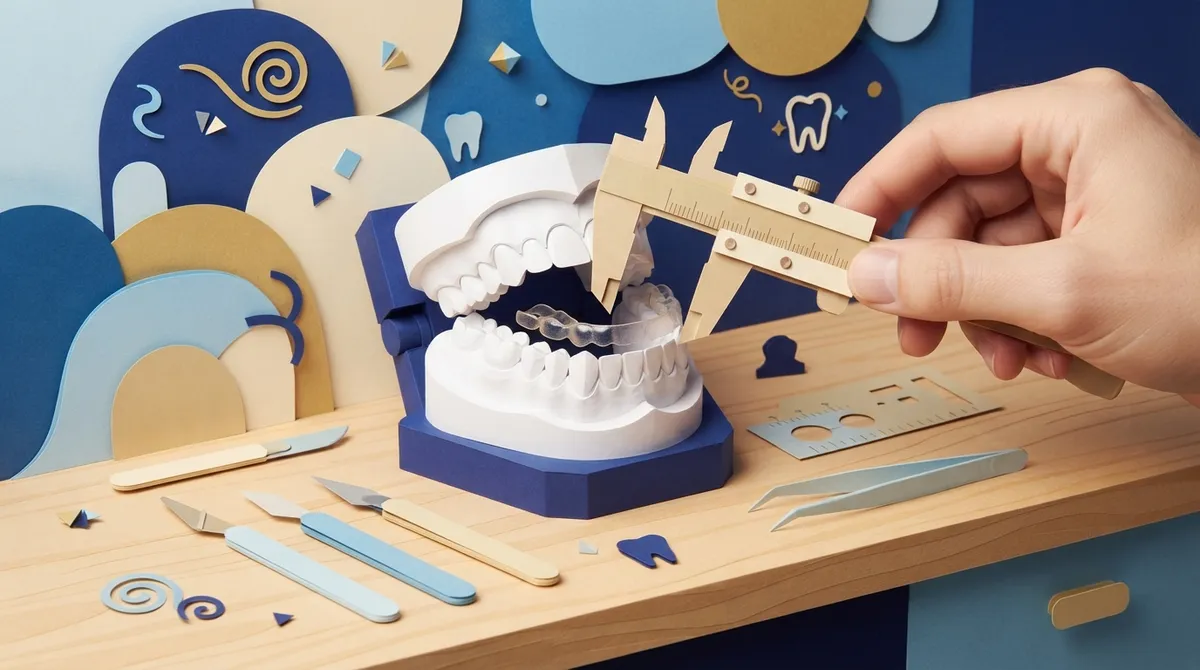
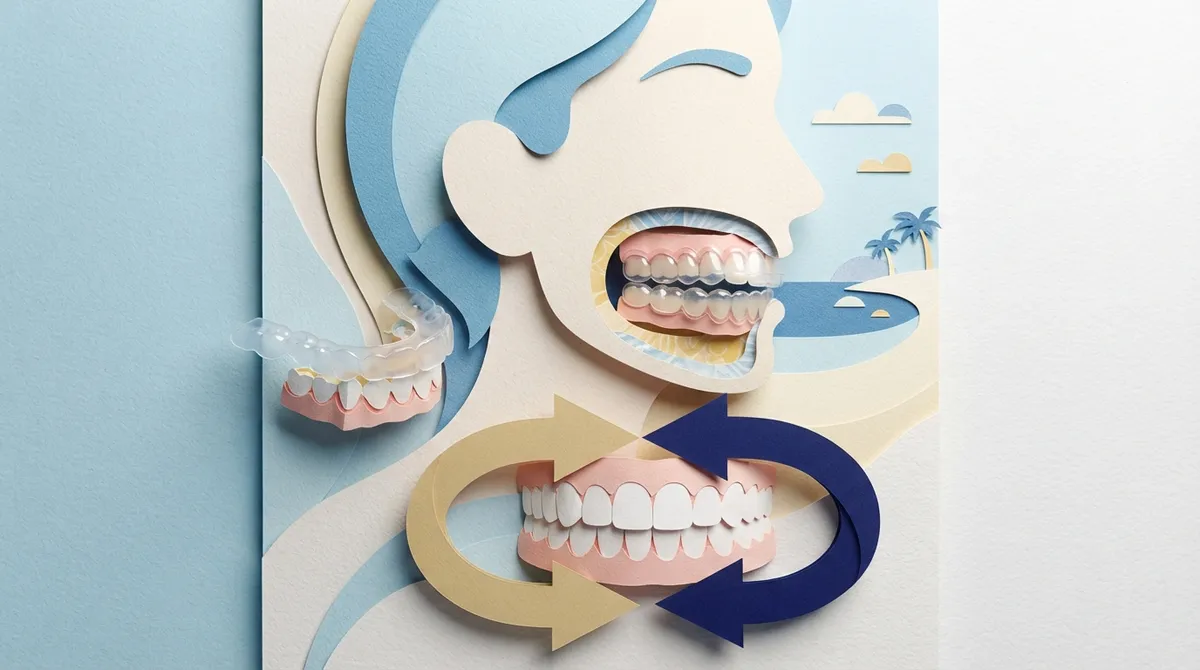
Clear retainers, sometimes called Essix-style retainers, are thin, see-through plastic trays. They’re built from a digital scan or mold of your teeth right after your treatment finishes. This means your retainer fits your smile and only your smile, snugly and comfortably.
Unlike the old-school wire-and-acrylic Hawley retainers, clear retainers are nearly invisible. That’s a huge win for teens heading to graduation photos or professionals who don’t want anyone noticing extra hardware in their mouth. Our team at our Clearwater office uses modern digital scanning, so you won’t have to bite into a goopy mold to get yours made.
2. Their Real Job Is Preventing Relapse
Your teeth aren’t set in stone right after braces or aligners come off. The bone and gum tissue around your teeth need time to settle into their new positions. Clear retainers hold everything in place while that healing happens.
Skipping your retainer, even for a few weeks, can let teeth shift. Nobody wants to redo months of orthodontic work because of a few missed nights. That’s why we always stress this simple rule: a retainer only works if you actually wear it.
3. Follow Your Orthodontist’s Wear Schedule Closely
A common approach looks like this:
- Full-time wear (except eating and brushing) for the first several months
- Night-time-only wear after that, often for the long haul
- Regular check-ins with your orthodontist to confirm fit and progress
However, your exact schedule depends on your age, your bite, your gum health, and how complex your original treatment was. Dr. Brockway will build a plan made just for you during your first visit or follow-up appointment. Never assume your friend’s retainer schedule applies to you too, since every smile is different.
4. Do I Need to Wear My Retainer Forever?
Here’s the honest truth: teeth can shift at any age, even decades after treatment. Many orthodontists, including our team, recommend some form of night-time retainer wear indefinitely. It sounds like a lot, but popping in a retainer a few nights a week while you sleep is a small trade-off for a smile you love.
This is especially important information for our adult patients who invested real time and money into straightening their teeth. Nobody wants to see that investment slip away because of a skipped retainer routine.
5. How to Care for Your Clear Retainer
Good retainer hygiene isn’t complicated, but it does matter. Follow these simple steps every day:
- Remove your retainer before eating or drinking anything except water
- Rinse it with lukewarm water right after taking it out
- Brush it gently with a soft toothbrush, never your regular toothpaste (it’s too abrasive)
- Soak it occasionally in a retainer-safe cleaning solution
- Store it in a ventilated case whenever it’s not in your mouth
- Keep it away from hot water, dishwashers, and direct sunlight
Heat is your retainer’s biggest enemy. Even leaving it on a car dashboard on a hot Clearwater afternoon can warp the plastic, and a warped retainer won’t fit right anymore.
6. What to Do If Your Retainer Cracks, Warps, or Goes Missing
Life happens. Retainers get left in napkins at restaurants, chewed by curious dogs, or accidentally bent. If your retainer feels loose, tight, cracked, or hard to seat, stop wearing it and call your orthodontist right away.
Never try to bend, trim, or fix a damaged retainer yourself. You could hurt your teeth or make the retainer completely unusable. Teeth can start shifting within days of going without a retainer, so quick action matters. Our team can often turn around a replacement quickly, and we’ll always walk you through what to do if your retainer breaks so you’re never left guessing.
7. How Long Do Clear Retainers Actually Last?
Most clear retainers last somewhere between one and three years with regular night-time wear, though this varies a lot depending on how well you care for it and whether you grind your teeth at night. Over time, retainers can cloud up, collect plaque, or develop small cracks from normal wear and tear.
Here’s a quick look at typical retainer costs and lifespans based on published 2025 pricing data:
| Retainer Type | Typical Cost (per arch) | Average Lifespan |
|---|---|---|
| Clear Essix-style retainer | $100–$300 | 1–3 years |
| Hawley retainer (wire and acrylic) | $150–$300 | 3–5 years |
| Bonded (permanent) retainer | $150–$500 | Many years, with maintenance |
These are general U.S. price ranges, and your actual cost may vary based on your location, your dental insurance, and whether you need a rush replacement. Ask our front desk about financing and insurance options if cost is a concern.
8. Clear Retainers vs. Other Retention Options
You might wonder if clear retainers are really the best choice compared to other retention methods. The truth is, research hasn’t crowned one single winner. A 2023 Cochrane review looked closely at this question and found mixed results depending on the study.
| Retainer Type | Visibility | Removable? | Best For |
|---|---|---|---|
| Clear (Essix-style) | Nearly invisible | Yes | Teens, adults wanting discretion |
| Hawley | Visible wire | Yes | Patients needing minor adjustments |
| Bonded/Fixed | Hidden behind teeth | No | High relapse risk patients |
In one study of 30 people, clear retainers worn full-time for six months, then part-time for six months, showed almost identical stability to Hawley retainers. But another study found that part-time-only wear of clear retainers led to slightly more relapse compared to fixed retention. The takeaway? Compliance matters just as much as the type of retainer you choose. If you’re an orthodontic relapse patient considering retreatment, we can help you figure out the retention plan that fits your lifestyle and risk level.
Signs You Should Call Your Orthodontist
Don’t wait until a small problem becomes a big one. Reach out if you notice any of these:
- Your retainer feels unusually tight or won’t seat all the way
- You see visible cracks or cloudy discoloration
- Your retainer smells bad even after cleaning
- You’ve lost your retainer or left it somewhere
- Your teeth look like they’ve shifted since you last wore it
The American Dental Association notes that good retainer habits go hand-in-hand with strong oral hygiene overall, so keeping up with your regular dental checkups matters too.
Can a Clear Retainer Fix Teeth That Have Already Shifted?
This is one of the most common questions we hear. The short answer is no, a standard retainer only holds teeth in place, it doesn’t move them. If your teeth have already drifted, you may need a new set of clear aligners or a short round of retreatment to get back on track. This is common among our relapse patients, and it’s nothing to feel embarrassed about. Life gets busy, and habits slip. The good news is that modern treatment options make correcting relapse faster and more comfortable than ever.
Retainers Are Not Night Guards
Many patients ask if they can wear their clear retainer as a night guard for teeth grinding. Unfortunately, retainers aren’t built to handle the extra pressure from clenching or grinding. If you deal with bruxism, ask us about a separate appliance designed specifically for that purpose. Wearing the wrong device for the wrong job can damage both your retainer and your teeth.
Why Families Across Clearwater Trust Brockway Orthodontics
Dr. Brockway and her team believe your orthodontic journey doesn’t end when your braces come off or your last aligner tray is finished. Retention is just as important as the treatment itself, and we’re here to support you every step of the way. From adolescent treatment to early treatment for younger kids, our whole-family approach means everyone gets a personalized plan.
We use modern technology like digital scanning and 3D imaging to make sure your retainer fits perfectly the first time. And because we know life gets busy, we even offer same-day services in certain cases, so you’re not stuck waiting weeks for a simple fix. Curious what other patients say about their experience? You can visit us on Google — Brockway Orthodontics to read real reviews from our Clearwater community.
You can also connect with us on Instagram or Facebook to see smile transformations and get quick tips on retainer care. For more general guidance on orthodontic best practices, the Florida Association of Orthodontists is another great resource for Florida families.
Your Smile Deserves Lifelong Care
Clear retainers are a small daily habit that protects a big investment, your beautiful, straight smile. Whether you’re a parent making sure your teen sticks to their wear schedule, a professional who wants a discreet option, or someone dealing with relapse, the right retainer routine makes all the difference. Don’t let a lost or cracked retainer turn into months of unwanted shifting.
Ready to get your clear retainer questions answered or schedule a fitting? Book your appointment online today, and let the Brockway Orthodontics team help you keep that smile shining for years to come. You can also get in touch with our team if you have questions about pricing, insurance, or scheduling a replacement retainer.
FAQs
Q: How long should I wear a clear retainer after braces or Invisalign?
A: Most orthodontists recommend full-time wear for the first several months, then switching to nights only. Your exact schedule depends on your case, so Dr. Brockway will map out a plan that fits your smile perfectly.
Q: Do I need to wear my clear retainer forever?
A: Teeth can shift at any age, so many patients wear a night-time retainer indefinitely. It might sound like a lot, but a few nights a week is a small price for keeping your smile straight for good.
Q: How often should clear retainers be replaced?
A: Most clear retainers last one to three years with regular care, though this varies based on wear habits and grinding. Once yours looks cloudy, cracked, or feels loose, it’s time to schedule a replacement.
Q: Can clear retainers straighten teeth again if they have shifted?
A: Not quite! Retainers hold teeth in place, they don’t move them. If you notice shifting, we can talk about a short retreatment plan to get your smile back on track.
Q: Can I wear a clear retainer as a night guard for teeth grinding?
A: We don’t recommend it, since retainers aren’t built to handle grinding forces and can get damaged. Let’s chat about a separate appliance made specifically to protect your teeth from bruxism.
Our Service Area