Key Takeaways
-
Retainer wear is a lifelong commitment, not temporary—most orthodontists recommend long-term or indefinite use, with frequency adjusting from 20-22 hours daily initially to nighttime-only wear, to prevent teeth from drifting back over 10-20 years.
-
Teeth can shift back within months if retainer use stops, undoing years of orthodontic work, making consistent wear non-negotiable for maintaining your bite alignment and oral health.
-
Choose the right retainer type for your lifestyle—clear plastic retainers are discreet but need gentle care, Hawley retainers are durable and adjustable, and fixed bonded retainers work best for compliance but require careful flossing and regular checkups.
-
Clean your retainer daily with cool water and a soft toothbrush, never with hot water or harsh toothpaste, and always store it in a protective case to prevent damage, bacteria buildup, and loss.
-
Remove your retainer before eating and drinking anything except water to prevent staining, damage, and bacterial growth; watch for warning signs like tight fit or cracks that indicate teeth shifting or need for replacement.
-
Fixed retainers have bond failure rates ranging from 3.5% to 53% depending on design, making regular dental checkups and immediate reporting of looseness essential to catch problems before teeth move.
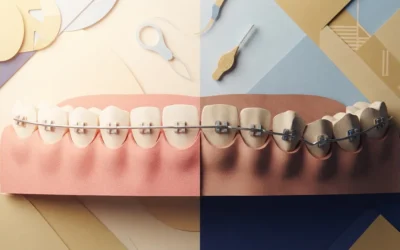
You did it! Your braces are off, and your smile finally looks the way you always wanted. But here’s a secret orthodontists wish everyone knew sooner: taking off your braces is not the finish line. It’s actually the start of a new, super important phase called retention. Skip it, and your teeth can slowly drift back toward their old positions, undoing months (or years) of hard work.
At Brockway Orthodontics, we’ve seen it happen more times than we’d like. A patient finishes treatment, feels amazing, gets a little lazy with their retainer, and a year later their bite has shifted. The good news? This is completely avoidable. In this guide, we’ll walk through the five most common retainer mistakes patients make after braces, plus everything you need to know about caring for your retainer so your smile stays picture-perfect for life.
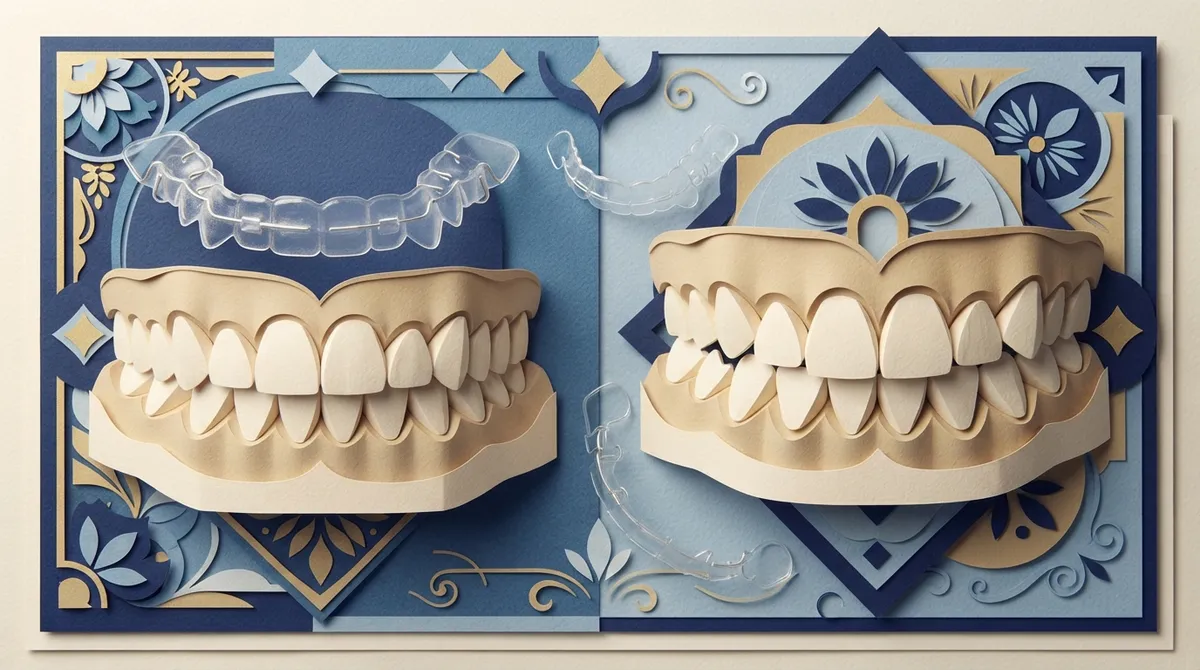
Why Retainers After Braces Are Non-Negotiable
Your teeth aren’t set in stone, even after braces. The bone and gum tissue around your teeth need time to settle into their new positions. Even after that healing happens, your teeth keep shifting slightly throughout your whole life, just like the rest of your body changes with age.
That’s why retainers after braces matter so much. They hold your teeth in place while your mouth adjusts, and then they help prevent slow drifting for years to come. According to the American Dental Association, maintaining your bite alignment is just as important for oral health as it is for looks, since crooked teeth can be harder to clean and more prone to decay.
Mistake #1: Thinking You’ll Only Need a Retainer for a Few Months
This is probably the biggest myth in orthodontics. Many patients assume retainers are like a short victory lap. They’re not.
Most orthodontists, including our team here in Clearwater, recommend long-term or even lifelong retainer wear. The frequency usually drops over time, though. Here’s a general pattern many patients follow (always check with your orthodontist for your specific plan):
- Full-time wear (20-22 hours a day) for the first few weeks to months right after braces come off.
- Nighttime-only wear for at least the first year, based on common clinical guidance.
- Continued part-time or nighttime wear for years, sometimes indefinitely, to protect your results.
Stopping too soon is one of the fastest ways to see your teeth shift back. If you’re unsure about your personal schedule, our retainers page has more details, or you can always ask us directly during a visit.
Mistake #2: Choosing the Wrong Type Without Guidance
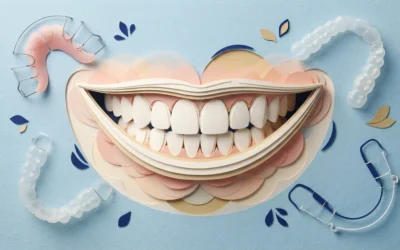
Not all retainers are the same, and picking the wrong one for your lifestyle can lead to poor compliance. Let’s break down your options.
| Retainer Type | What It’s Made Of | Best For | Care Needs |
|---|---|---|---|
| Clear (Vacuum-Formed) | Thin, clear plastic | Patients wanting a discreet look | Avoid hot water; clean daily |
| Hawley Retainer | Acrylic and metal wire | Durability and adjustability | Brush gently; store in case |
| Fixed (Bonded) | Thin wire bonded behind teeth | Patients who struggle with compliance | Floss threaders; regular checkups |
A large review of orthodontic studies found that both fixed and removable retainers work well to maintain your smile, with changes in tooth alignment averaging less than 1 millimeter over one to two years when retainers were used properly (Lo Giudice et al., 2020). The right choice really depends on your bite, your habits, and how good you are about wearing removable appliances consistently. Our team can help you figure out which option fits your life during your next visit, whether you’re exploring Spark™ Clear Aligners retention or coming from traditional braces.
Mistake #3: Cleaning Retainers the Wrong Way
Retainers collect bacteria and plaque just like your teeth do. But cleaning them incorrectly can actually damage them.
Here are the do’s and don’ts every patient should know:
- Do rinse your retainer with cool or lukewarm water every time you take it out.
- Do brush it gently with a soft toothbrush (a separate one from your regular toothbrush is ideal).
- Do use retainer-cleaning tablets or mild soap when recommended by your orthodontist.
- Don’t ever use boiling or very hot water, since it can warp or melt clear plastic retainers.
- Don’t use harsh, abrasive toothpaste that can scratch the surface.
- Don’t skip cleaning for days at a time, since bacteria builds up fast.
Keeping your retainer clean isn’t just about hygiene. A well-maintained retainer also fits better and lasts longer, saving you money on replacements.
Mistake #4: Eating or Drinking the Wrong Things With Your Retainer In
Removable retainers should almost always come out at mealtime. This one rule prevents a lot of headaches down the road.
Follow these simple habits to protect your appliance:
- Take your retainer out before eating any meal or snack, unless your orthodontist says otherwise.
- Stick to water if you need to drink something while wearing your retainer.
- Avoid sugary drinks and coffee, which can stain and damage the plastic.
- Always store your retainer in its case when it’s not in your mouth, never in a napkin or pocket.
Pets and trash cans are notorious retainer thieves! Keeping a case habit protects your investment and your smile.
Mistake #5: Ignoring Warning Signs That Something’s Wrong
Your retainer should feel comfortable once it’s properly seated. If something feels off, don’t ignore it.
Watch for these signs that mean it’s time to call your orthodontist:
- Your retainer suddenly feels tight or hard to put in.
- You notice cracks, breaks, or missing pieces.
- A fixed retainer wire feels loose or has come unbonded from a tooth.
- You’ve lost your retainer entirely and haven’t worn one in days.
- Wearing it causes pain, sores, or noticeable pressure.
A tight-feeling retainer often means your teeth have already started to shift, even slightly. Forcing it into place can actually hurt your teeth or gums. It’s always better to reach out early. You can contact us right away if your retainer isn’t fitting the way it should.
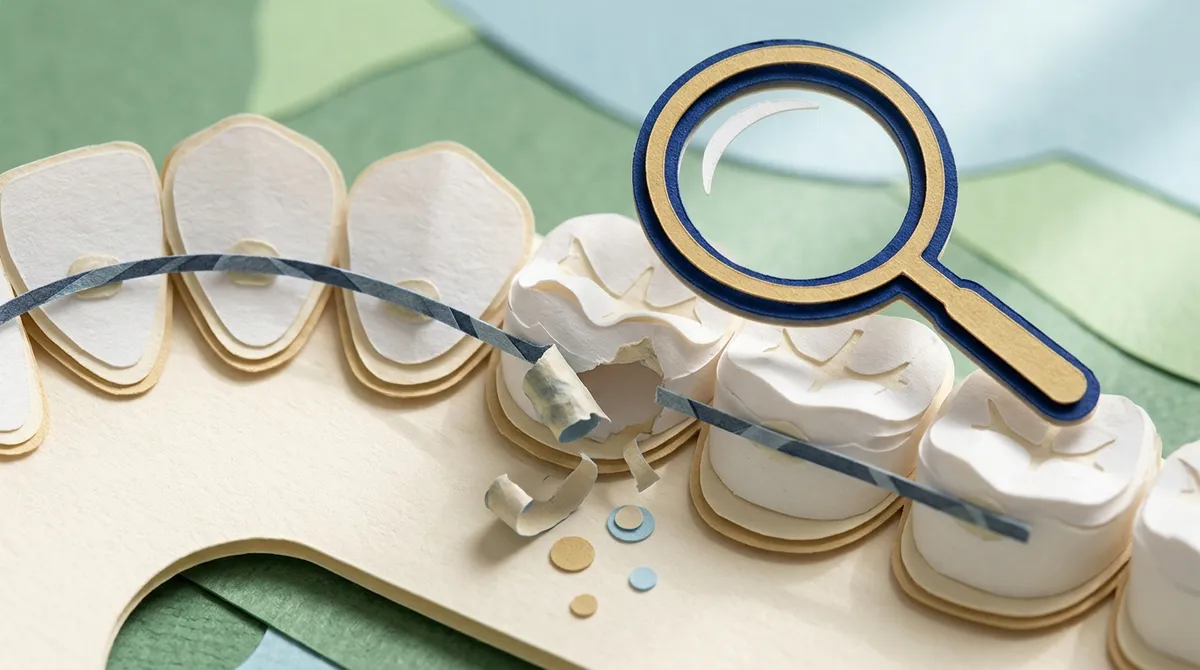
Fixed Retainers: What You Should Know About Bond Failure
Bonded, or fixed, retainers are wires glued behind your front teeth, usually on the lower arch. They’re great for patients who don’t want to think about wearing something every night. But they do require some extra attention.
Research shows bond failure happens more often than most people expect. One systematic review found failure rates ranging widely, from about 3.5% up to 53%, depending on the wire design and bonding method used. Another study reported that a specific mandibular wire design failed in about 40% of cases after two years. These numbers vary a lot, so don’t panic. They simply highlight why regular checkups matter.
If you have a fixed retainer, keep these habits in mind:
- Floss carefully around the wire using a floss threader or water flosser.
- Avoid biting into hard foods like ice or hard candy that could pop the wire loose.
- Schedule regular dental cleanings so your hygienist can check the bond.
- Report any looseness immediately, even if it doesn’t hurt.
How Long Does Relapse Really Take?
Here’s something that might surprise you: relapse isn’t always instant. Studies summarized in orthodontic literature show that shifting can continue for 10 to 20 years after treatment ends, especially in the lower front teeth. This slow-motion process is exactly why long-term retainer wear is so strongly recommended.
The Florida Association of Orthodontists and national organizations alike emphasize that retention is a lifelong commitment, not a temporary chore. Your orthodontist will adjust your wear schedule as your smile stabilizes, but stopping altogether is rarely a good idea without professional guidance.
Replacement Retainers: What to Expect
Retainers don’t last forever. Plastic ones wear down, and even Hawley retainers can lose their shape over time. Here’s a quick look at common reasons for replacement:
| Reason for Replacement | How Common Is It? | What to Do |
|---|---|---|
| Cracked or broken retainer | Very common with clear plastic types | Schedule a replacement fitting soon |
| Lost retainer | Common, especially in teens | Don’t wait, teeth can shift fast |
| Retainer no longer fits | Sign of tooth movement | Book an evaluation right away |
| Normal wear and tear | Expected every few years | Discuss timing at your regular visit |
If you’ve misplaced yours or it’s cracked, don’t put off getting a new one. The longer you go without a properly fitting retainer, the more your teeth can move. Our team can help you get a replacement quickly so you don’t lose progress. Check out our services page to see how we support patients at every stage of their smile journey.
Building Good Habits for Life
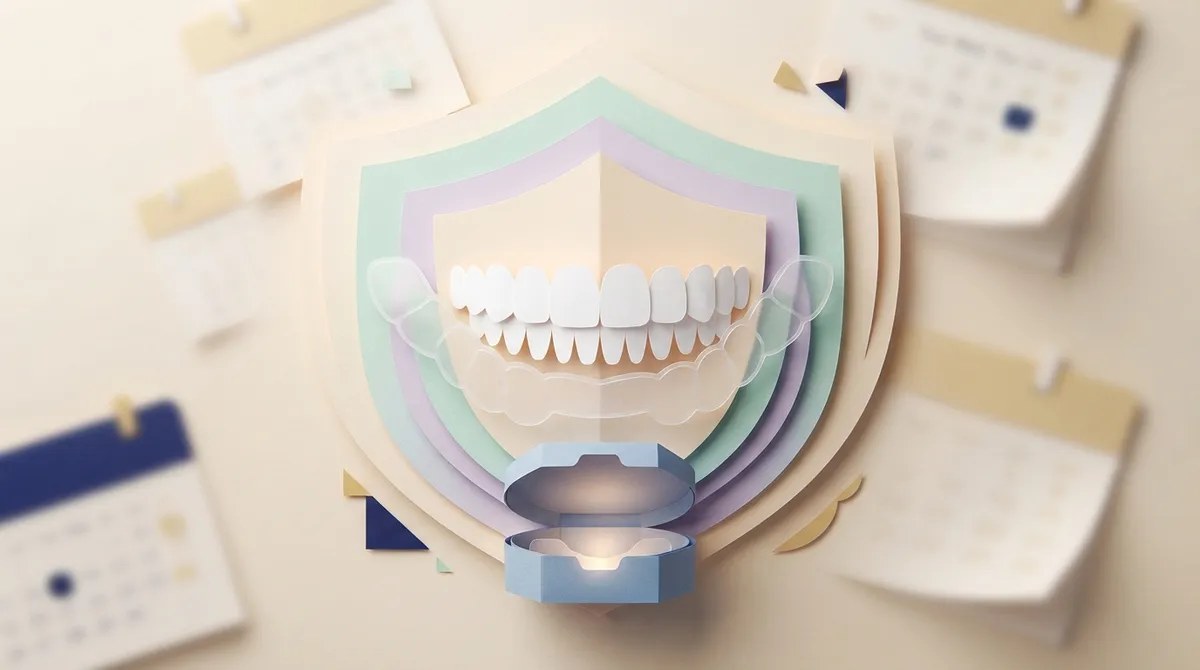
Think of your retainer like a seatbelt for your smile. You wouldn’t skip buckling up just because you’ve never been in an accident, right? The same logic applies here.
Here are a few simple habits that help patients stay consistent for years:
- Keep your retainer case in the same spot every night, like your nightstand.
- Set a phone reminder if you’re prone to forgetting.
- Bring your retainer to every dental cleaning so your dentist can check its fit.
- Replace your case if it cracks, since a broken case often leads to a lost retainer.
Whether you were treated with traditional braces or metal and ceramic braces, the retention phase is where your commitment really pays off. Families throughout Clearwater trust our office because we walk you through every step, not just the treatment itself but the years of care afterward too.
Why Patients Trust Brockway Orthodontics for Retention Care
Dr. Brockway believes your orthodontic journey doesn’t end when your braces come off. Our team takes time to explain your retainer options clearly, using friendly, easy-to-understand language so you always know what to expect. We also use modern technology, including digital impressions, to design retainers that fit comfortably from day one.
If you’re new to our practice or just curious about what we offer, take a look at our first visit page to see how simple it is to get started. Whether you’re a parent bringing in a teen, an adult finishing up treatment, or someone who experienced relapse and needs help getting back on track, we’re here for every part of your family’s smile story. You can also visit us on Google — Brockway Orthodontics to see what our patients say about their experience.
Stay connected with us for smile tips and patient stories on Instagram and Facebook.
Your Smile Deserves Long-Term Care
Braces get all the attention, but retainers are what actually protect your investment for the long run. Avoiding these five common mistakes can mean the difference between a smile that lasts a lifetime and one that slowly slips back to where it started.
If your retainer feels off, if you’ve lost it, or if it’s simply time for a checkup, don’t wait. Our friendly Clearwater team is ready to help you keep your smile exactly where it belongs. Book appointment online today and let’s make sure your beautiful results last for years to come.
FAQs
Q: How long do you need to wear retainers after braces?
A: Most orthodontists recommend long-term or even lifelong retainer wear, though it usually shifts from full-time to nighttime use over the first year or so. Your exact schedule depends on your bite and how your teeth settle, so your orthodontist will personalize the plan just for you.
Q: What happens if I stop wearing my retainer?
A: Your teeth can start shifting back toward their original positions, sometimes within just a few months. It’s totally normal to feel nervous about this, but the fix is simple: get back into your retainer as soon as possible and check in with your orthodontist.
Q: Which is better after braces: a clear retainer, Hawley retainer, or fixed retainer?
A: Honestly, all three can work great! It really comes down to your lifestyle, how consistent you are with removable appliances, and what your orthodontist recommends for your specific bite. We’re happy to walk through the pros and cons together.
Q: How do I clean my retainer properly?
A: Rinse it with cool or lukewarm water and gently brush it with a soft toothbrush. Never use hot or boiling water, since it can warp clear plastic retainers and ruin the fit.
Q: What should I do if my retainer no longer fits?
A: Don’t force it! A tight or ill-fitting retainer usually means your teeth have shifted a little. Give us a call so we can check things out and get you back on track quickly.
Our Service Area