Key Takeaways
-
Around 56% of children and adolescents worldwide have malocclusion; early evaluation by age 7 helps catch problems like crossbites and crowding while there's still room to guide growth.
-
Crowded teeth make brushing and flossing harder, allowing plaque to hide in tight spaces and significantly increasing risk for cavities and gum disease over time.
-
Misaligned teeth can cause functional problems beyond appearance: difficulty chewing, speech issues, jaw discomfort, and uneven tooth wear that may lead to long-term jaw strain.
-
Adults can successfully get orthodontic treatment at any age as long as teeth, gums, and bone are healthy; clear aligners and braces work for busy professionals seeking discreet options.
-
Teeth naturally shift after treatment, so consistent retainer wear is essential for maintaining results; orthodontic relapse is common when retainers aren't worn as recommended.
-
A professional orthodontic diagnosis requires in-person evaluation including clinical exam, digital scans, X-rays, and medical history review—not self-assessment or online quizzes.
Have you ever caught your reflection and wondered if your teeth are really as straight as they should be? You’re not alone. Misaligned teeth, known clinically as malocclusion, affect a huge number of people. In fact, research shows that around 56% of children and adolescents worldwide have some form of malocclusion. That’s more than half of us! Whether you’re a parent watching your child’s smile develop, a teenager dreaming of graduation photos with a confident grin, or an adult finally ready to invest in yourself, understanding misaligned teeth is the first step toward a healthier, happier smile.
At Brockway Orthodontics in Clearwater, we’ve had the privilege of guiding families and individuals of all ages through this journey. This friendly guide walks you through nine key signs and facts about misaligned teeth, so you can feel informed and confident about your next steps. Let’s dive in together!
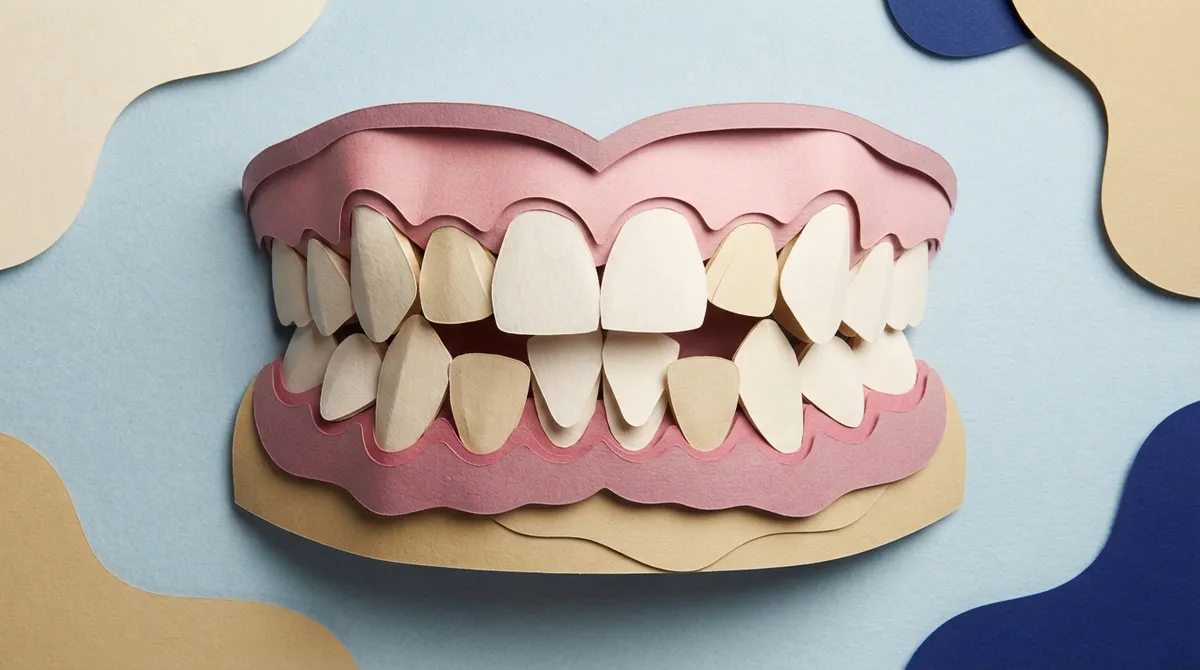
1. Crowded Teeth That Overlap or Twist
Crowding happens when there simply isn’t enough room in the jaw for all your teeth to line up neatly. You might notice teeth twisting sideways or stacking on top of each other. This is one of the most common types of misalignment we see, and it often runs in families due to inherited jaw or tooth size differences.
Crowded teeth aren’t just a cosmetic concern. They can make brushing and flossing much harder, which means plaque loves to hide in those tight spaces. Over time, this raises your risk for cavities and gum disease. Our braces and Spark™ Clear Aligners options can gently guide crowded teeth into a healthier, straighter position.
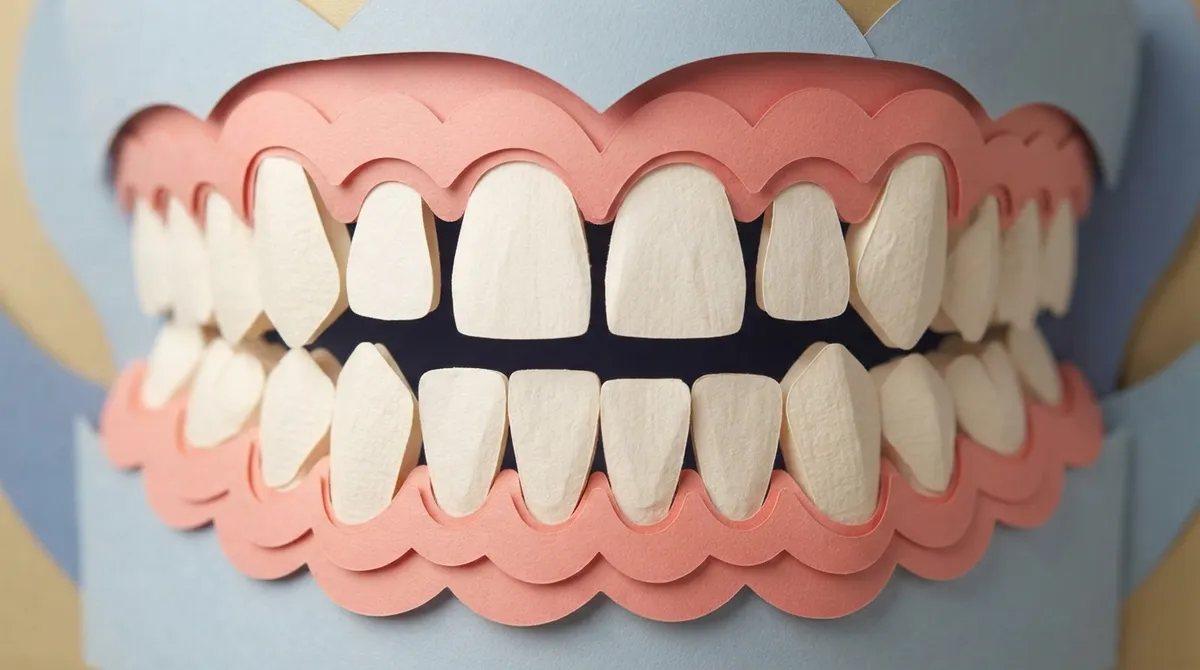
2. Noticeable Gaps or Spacing Between Teeth
On the flip side, some people have too much space between their teeth. This can happen because of missing teeth, smaller-than-average teeth, or habits like tongue thrusting. While a small gap can be charming, larger spacing issues sometimes affect chewing and speech clarity.
The good news? Gaps are very treatable. Many of our patients are surprised at how much closing even small gaps can boost their confidence. Curious about your options? Your first visit is a great place to start the conversation.
3. An Overbite That’s More Than a Little Extra
An overbite means your upper front teeth extend further out than your lower teeth. A slight overbite is normal, but when it’s excessive, it can lead to jaw discomfort, uneven wear on your teeth, and even speech difficulties. Kids and teens often develop overbites due to thumb-sucking or prolonged pacifier use.
Left untreated, a deep overbite can put extra strain on the jaw joint over time. That’s why the American Association of Orthodontists recommends kids get checked by age 7, even if treatment isn’t needed right away. Early evaluation helps catch these patterns before they become bigger issues.
4. An Underbite That Throws Off Your Bite
An underbite is the opposite problem: the lower teeth sit in front of the upper teeth. This can make chewing certain foods tricky and sometimes affects how your face looks from the side. Underbites are often connected to jaw growth patterns rather than just the teeth themselves.
Depending on how severe it is, treatment might involve braces, growth-guiding appliances for kids, or in rare, more serious cases, a combination of orthodontics and jaw surgery once growth is mostly complete. Our team can walk you through adolescent treatment options if you’re worried about your child’s bite.
5. A Crossbite Where Teeth Don’t Line Up Right
A crossbite happens when some upper teeth sit inside the lower teeth instead of outside, where they should be. This can affect just a couple of teeth or an entire side of the mouth. Crossbites are worth addressing early because they can lead to uneven jaw growth and asymmetry if ignored for too long.
Here’s a quick comparison of common bite issues we treat:
| Bite Issue | What It Looks Like | Common Cause |
|---|---|---|
| Overbite | Upper teeth extend too far over lower teeth | Genetics, thumb-sucking |
| Underbite | Lower teeth sit in front of upper teeth | Jaw growth patterns |
| Crossbite | Some upper teeth sit inside lower teeth | Narrow jaw, tooth eruption issues |
| Open Bite | Front teeth don’t touch when biting down | Thumb-sucking, tongue thrusting |
| Crowding | Teeth overlap due to lack of space | Inherited jaw or tooth size |
6. An Open Bite That Leaves a Gap When You Bite Down
An open bite is exactly what it sounds like: when you close your mouth, your front teeth don’t touch. This often happens from long-term thumb-sucking, pacifier use, or a habit called tongue thrusting. It can make it harder to bite into foods like sandwiches or apples, and sometimes affects speech too.
The good news is that catching this early, especially in kids, often means simpler treatment. That’s part of why early treatment evaluations matter so much.
7. Difficulty Chewing, Speaking, or Jaw Discomfort
Sometimes misaligned teeth show up not as something you see, but as something you feel. Maybe chewing feels awkward. Maybe you notice a lisp that wasn’t there before. Maybe your jaw muscles feel tight or sore after a long day. These are all signs worth mentioning at an orthodontic visit.
According to the American Dental Association, misalignment can contribute to uneven tooth wear and jaw strain over time. If any of this sounds familiar, don’t brush it off. A quick chat with our team can help you figure out what’s going on and whether treatment could bring relief.
8. Misalignment That Runs in the Family or Shows Up After Trauma
Sometimes misaligned teeth aren’t caused by habits at all. Genetics play a huge role, so if your parents or siblings needed orthodontic work, there’s a good chance you or your kids might too. Trauma, like a sports injury or accident, can also shift teeth or damage the jaw.
Other contributors include:
- Premature loss of baby teeth
- Teeth that stay in longer than they should
- Impacted or missing teeth
- Mouth breathing habits
- Certain medical or skeletal conditions
Often, it’s a mix of several of these factors working together. That’s exactly why a personalized evaluation matters so much, rather than guessing based on appearance alone.
9. Orthodontic Relapse After Previous Treatment
Here’s something many adults don’t expect: teeth can shift back even after successful treatment years ago. This is called relapse, and it usually happens when retainers aren’t worn as recommended. If your once-straight smile has started to shift, you’re definitely not alone, and it’s never too late to correct it.
We’ve helped many adults revisit their smile goals with a fresh treatment plan. Whether it’s clear aligners or braces, getting back on track is absolutely possible. And speaking of staying on track, don’t underestimate the power of a good retainer once treatment wraps up. Teeth naturally want to drift over a lifetime, so consistent retainer wear really is a long game.
How Misaligned Teeth Are Diagnosed
A real diagnosis never comes from a mirror or a quick online quiz. It comes from an in-person evaluation with a licensed orthodontist. Here’s what that typically involves:
- A review of your dental and medical history
- A hands-on clinical exam of your teeth, gums, and jaw
- Photographs to document your starting point
- Digital scans or models of your teeth
- X-rays, when needed, to see beneath the surface
This thorough approach means your treatment plan is built specifically for you, not a one-size-fits-all guess. If you’re local to the area, visit us on Google — Brockway Orthodontics to see what other Clearwater patients have experienced during their own evaluations.
Treatment Options Worth Knowing About
The right fix for misaligned teeth really depends on what’s going on in your mouth. Here’s a quick rundown of what we offer at our Clearwater practice:
- Traditional metal braces: Reliable, effective, and great for complex cases
- Ceramic (clear) braces: A more discreet option that still delivers strong results
- Spark™ Clear Aligners: A more affordable alternative to Invisalign, popular with busy adults and teens
- Palatal expanders: Helpful for kids with narrow jaws or crossbites
- Retainers: Essential for keeping your results long after active treatment ends
Not every case is right for clear aligners, and that’s okay. Some tooth movements need the extra control that braces provide, or a combination approach using both. This is exactly why a professional consultation matters so much before starting any treatment.
Why Timing Matters, But Isn’t Everything
Many people assume orthodontic treatment only works during the teen years. That’s simply not true. Adults can absolutely get treatment, as long as their teeth, gums, and bone are healthy enough to support tooth movement. In fact, we’ve seen a real rise in adults choosing treatment as working professionals seek discreet, efficient options that fit their busy lives.
For kids, the American Association of Orthodontists suggests an initial check-up by age 7. This doesn’t mean treatment starts immediately. It simply means we can catch potential problems, like crossbites or crowding, while there’s still room to guide growth in a helpful direction. Our full range of services covers every age group, so your whole family can be cared for under one roof.
Caring for Your Smile During Treatment
Whatever treatment path you choose, good habits make a big difference. Here are some friendly reminders:
- Keep up with regular dental check-ups alongside your orthodontic visits
- Brush and floss thoroughly, especially around brackets and wires
- Use fluoride toothpaste to strengthen enamel
- Address any cavities or gum issues before starting treatment
- Follow your orthodontist’s instructions for aligner wear time
Active decay or gum disease should be treated first, since it’s important to start orthodontic care on a healthy foundation. Our team is always happy to walk you through the best cleaning routines for your specific treatment.
Ready to Talk About Your Smile?
Misaligned teeth are incredibly common, but that doesn’t mean you have to live with discomfort or hide your smile in photos. Whether you’re a parent noticing early signs in your child, a teen prepping for prom, a professional wanting a discreet fix, or someone returning for retreatment after relapse, there’s a path forward that fits your life. The Florida Association of Orthodontists also offers helpful resources if you’d like to learn more about orthodontic care standards in our state.
Dr. Brockway and our Clearwater team genuinely love getting to know each patient’s story and goals. We combine modern technology, like digital impressions and 3D imaging, with a warm, family-first approach that makes every visit feel comfortable. Follow along with real patient transformations on Instagram or catch up with our community on Facebook to see the Brockway difference for yourself.
Ready to find out what’s really going on with your smile? Book appointment online today and let’s start this journey together. Have questions first? Contact us anytime. We can’t wait to meet you!
FAQs
Q: What causes misaligned teeth in the first place?
A: Misaligned teeth usually come from a mix of genetics, jaw size, childhood habits like thumb-sucking, or early tooth loss. Sometimes trauma or mouth breathing plays a role too. Most of our patients are surprised to learn it’s rarely just one single cause!
Q: At what age should my child first see an orthodontist for misaligned teeth?
A: The American Association of Orthodontists recommends an initial check-up by age 7. This doesn’t mean your child needs braces right away, it just helps us catch potential issues early while there’s still room to guide growth gently.
Q: Can adults fix misaligned teeth, or is it too late by then?
A: It’s never too late! As long as your teeth, gums, and bone are healthy, adults can absolutely benefit from braces or clear aligners. We see wonderful transformations in patients well into their 40s, 50s, and beyond.
Q: Will my teeth shift back after treatment ends?
A: Teeth can shift over time, which is exactly why retainers matter so much after active treatment. Wearing your retainer as directed helps protect all the hard work you put into your new smile, sometimes for life.
Q: Are clear aligners a good option for every type of misalignment?
A: Clear aligners work wonderfully for many cases, but not every situation is a perfect fit. Some tooth movements need the extra control braces provide. That’s why a personal consultation is so important before deciding on your treatment path.
Our Service Area