Key Takeaways
-
Untreated misaligned bites can cause serious long-term damage including uneven tooth enamel wear, jaw joint strain, and increased cavity risk, making professional evaluation essential even for mild cases.
-
Three main treatment options exist: traditional braces for all bite types, clear aligners for mild-to-moderate issues requiring 22 hours daily wear, and combined approaches with elastics or surgery for severe skeletal problems.
-
Average treatment takes about two years, but timelines vary significantly based on severity, growth stage, consistency with aligners or appointments, and whether extractions or surgery are needed.
-
Consistent retainer wear after active treatment is critical to prevent relapse, as teeth can gradually drift back to original positions without it—the leading reason adults seek retreatment.
-
Orthodontists determine the right treatment through comprehensive evaluation including full mouth exams, 3D digital scans, X-rays, growth assessment for children, and discussion of your specific goals and timeline.
-
Early evaluation around age 7 allows orthodontists to guide jaw growth in children, potentially preventing serious problems and shortening future treatment time compared to waiting until adulthood.
Do your teeth feel like they’re playing tug-of-war every time you bite down? You’re not alone. A misaligned bite, known as malocclusion, affects people of every age, from little ones losing baby teeth to busy professionals who never got braces as kids. The good news? You have more treatment options today than ever before, and finding the right fix doesn’t have to be stressful or confusing.
At Brockway Orthodontics, we’ve helped countless families in Clearwater, Florida, understand their bite issues and choose a treatment path that actually fits their life. In this friendly guide, we’ll walk through the three main categories of misaligned bite treatment, explain how orthodontists decide which approach is right for you, and answer the questions we hear most often. Grab a cup of coffee, and let’s dig in together.
What Exactly Is a Misaligned Bite?
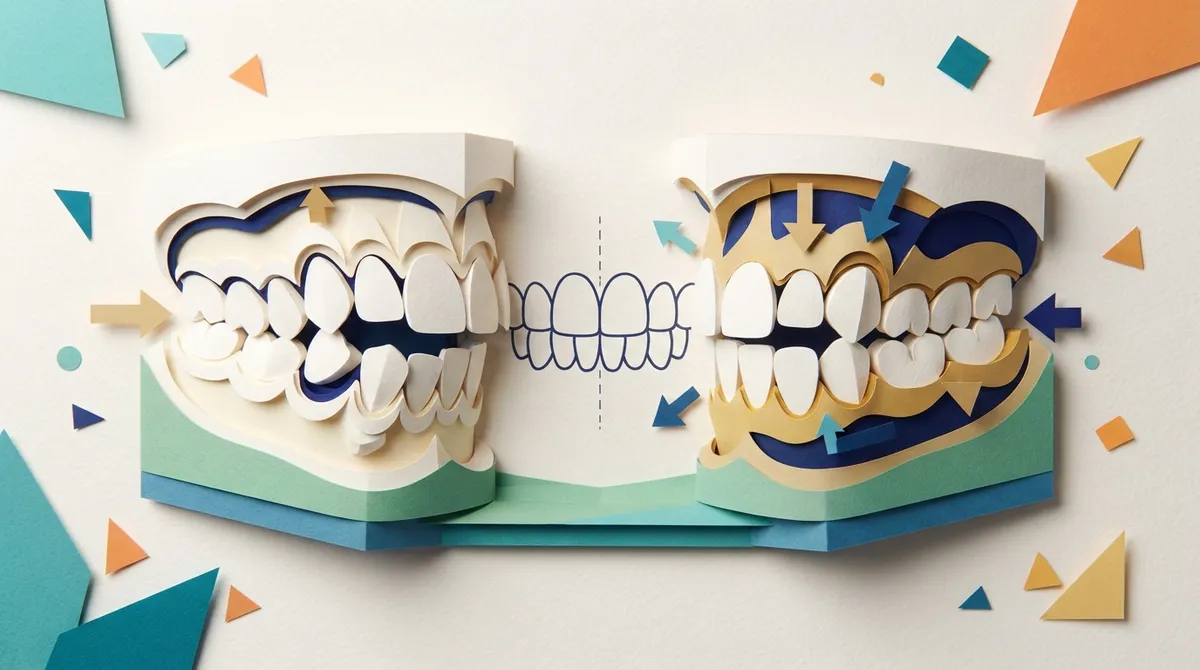
A misaligned bite happens when your upper and lower teeth don’t meet correctly when you close your mouth. Dentists and orthodontists call this malocclusion. It’s more common than you might think, and it comes in several forms.
According to the Florida Association of Orthodontists, common bite problems include overbite, underbite, overjet, crossbite, open bite, crowding, and spacing. Many people actually have more than one of these happening at the same time, which is why every treatment plan looks a little different.
- Overbite: Upper front teeth stick out too far over the lower teeth
- Underbite: Lower teeth extend past the upper front teeth
- Crossbite: Some upper teeth sit inside the lower teeth instead of outside
- Open bite: Front teeth don’t touch when the back teeth bite down
- Crowding: Not enough room for all your teeth to line up straight
- Spacing: Noticeable gaps between teeth
None of these mean something is wrong with you personally. Genetics, childhood habits like thumb-sucking, early tooth loss, and even injuries can all play a role. The important part is catching it early and getting a professional opinion.
Why You Shouldn’t Ignore a Misaligned Bite
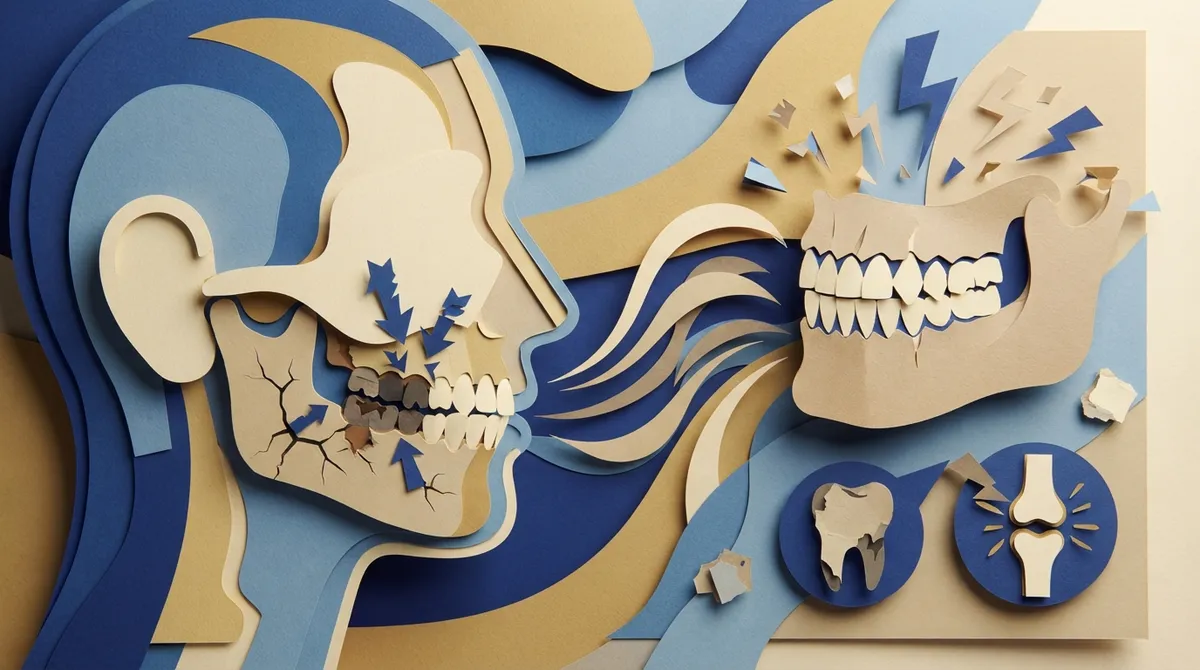
We get it. If your bite feels “mostly fine,” treatment might seem optional. But an untreated bite problem can quietly cause bigger headaches down the road.
Here’s what can happen if a misaligned bite goes unaddressed for years:
- Uneven wear on your tooth enamel, which can lead to sensitivity and damage
- Increased risk of chipping or trauma to teeth that stick out
- Trouble chewing food properly or speaking clearly
- Extra strain on your jaw joint, sometimes leading to jaw pain
- Harder-to-clean teeth, which raises your risk of cavities and gum disease
Not every mild bite quirk needs full treatment, and that’s exactly why an orthodontic evaluation matters. A trained eye can tell the difference between a minor cosmetic issue and something that could get worse over time. If you’re curious about your own bite, your first visit with our team is a relaxed, no-pressure way to get answers.
3 Misaligned Bite Treatments That Really Work
Now for the main event. Orthodontists generally group misaligned bite treatments into three big categories based on severity and the patient’s growth stage. Let’s break each one down.
1. Fixed Braces
Traditional braces remain one of the most reliable ways to fix a misaligned bite. They use brackets and wires to apply steady, gentle pressure that gradually shifts teeth and improves how your jaws line up.
Braces work well for almost every type of bite issue, including tricky crowding, deep overbites, and crossbites. They’re especially helpful for kids and teens whose jaws are still growing, since orthodontists can guide that growth in a healthier direction. Want to see how this actually plays out day to day? Check out our guide on all about braces for a full rundown.
Modern braces have come a long way, too. Ceramic (clear) braces blend in with your natural tooth color, making them a popular pick for teens and adults who want something less noticeable. If you’re weighing your options, our article on metal vs. clear braces for adults breaks down the pros and cons in plain language.
2. Clear Aligners
For patients with mild to moderate bite issues, clear aligners offer a nearly invisible way to straighten teeth and improve bite alignment. These custom-made trays gradually shift your teeth, and you swap them out every couple of weeks as your smile progresses.
At Brockway Orthodontics, we’re proud to offer Spark™ Clear Aligners, a more affordable alternative that still delivers great results. Clear aligners are removable, which is a huge perk for eating and brushing, but they only work if you wear them consistently. Most orthodontic guidance recommends wearing aligners about 22 hours a day to stay on track.
Keep in mind that clear aligners aren’t automatically the right fit for every bite problem. Severe skeletal issues may need a different approach. That’s why a proper evaluation matters before jumping into any treatment.
3. Combined Approaches: Elastics, Expanders, and Surgery
Some misaligned bites need a little extra help beyond braces or aligners alone. This is where combination treatments come in.
Elastics (small rubber bands) attached to braces can correct overbites, underbites, and other jaw discrepancies by pulling the upper and lower teeth into better alignment. Palatal expanders widen a narrow upper jaw in growing children, often preventing more serious crowding later. Functional appliances and headgear are also used in select cases to guide jaw growth during childhood.
For adults with severe skeletal discrepancies, tooth movement alone sometimes isn’t enough. In these rarer cases, orthognathic (jaw) surgery combined with orthodontic treatment may be recommended. This is reserved for the most complex situations and is always discussed thoroughly with the patient first.
| Treatment Type | Best For | Typical Duration | Visibility |
|---|---|---|---|
| Fixed Braces | Most bite types, all ages | 1.5–3 years | Visible (metal) or subtle (ceramic) |
| Clear Aligners | Mild to moderate bite issues | 6 months–2 years | Nearly invisible |
| Combined/Surgical | Severe skeletal discrepancies | 2+ years | Varies by appliance |
How Orthodontists Decide Which Treatment You Need
You might be wondering how Dr. Brockway figures out the best plan for your specific bite. It’s not guesswork. It’s a careful process built on real data about your mouth and jaw.
- A full exam: This includes looking at your teeth, gums, and jaw relationship in detail.
- Digital scans or impressions: These create an exact 3D model of your smile without messy goop.
- X-rays when needed: These reveal what’s happening beneath the surface, including tooth roots and jaw bone.
- Photos and growth assessment: Especially important for kids, since this shows how the jaw is developing.
- A conversation about your goals: Comfort, timeline, and budget all matter in choosing the right path.
This is exactly what happens during your first visit with us. We want you to leave that appointment feeling informed, not overwhelmed. According to the American Dental Association, regular checkups paired with orthodontic evaluations give the best long-term results for oral health.
Treatment Timelines: What to Expect
One of the most common questions we hear is, “How long will this take?” The honest answer is that it depends on your specific bite issue. On average, malocclusion treatment takes about two years, though mild cases may wrap up in just a few months, and complex cases can take longer.
Several things affect your timeline:
- How severe the misalignment is
- Whether you’re still growing (kids and teens often see faster results)
- How consistently you wear aligners or keep up with appointments
- Whether extractions or jaw surgery are part of the plan
- Your overall oral health going into treatment
Good oral hygiene during treatment isn’t optional; it’s essential. Braces and aligners create more places for plaque to hide, so staying on top of brushing and flossing helps avoid cavities and gum problems along the way.
Life After Treatment: Why Retainers Matter
Here’s something we tell every patient: finishing active treatment is a huge milestone, but it’s not quite the finish line. Your teeth and jaw need time to settle into their new positions, and that’s where retainers come in.
Without consistent retainer wear, teeth can slowly drift back toward their old positions. This is called relapse, and it’s one of the most common reasons people return for a second round of treatment later in life. If this sounds familiar, you’re in good company. Many adults come to us for retreatment after skipping retainer wear years ago, and we’re always happy to help get your smile back on track.
We know Clearwater families lead busy lives, and we design our retainer plans to be simple and realistic to follow long-term.
Treatment for Every Age and Stage
One thing we love about orthodontic care is that it truly works for everyone. Here’s a quick look at how treatment approaches differ by age group.
Kids and Early Treatment
Catching bite issues early, sometimes as young as age 7, allows orthodontists to guide jaw growth while it’s still happening. This can prevent more serious problems later and sometimes shortens future treatment time. Learn more about early treatment options for your child.
Teens
The teen years are prime time for orthodontic treatment since most permanent teeth have come in. Whether it’s for an upcoming school photo or just building confidence before graduation, we offer adolescent treatment plans with both braces and clear aligner options.
Adults
It’s never too late to fix a misaligned bite. More adults than ever are choosing discreet options like ceramic braces or Spark™ Clear Aligners to fit their professional lives. Explore our adult treatment options designed around real schedules and real goals.
Why Choose Brockway Orthodontics for Your Bite Treatment
Dr. Brockway isn’t just skilled and experienced. She genuinely listens to your concerns and takes the time to explain your options in a way that actually makes sense. Our Clearwater office uses modern technology, including digital impressions and 3D imaging, so your treatment plan is precise and your visits stay comfortable.
We also understand that life gets busy, which is why we offer same-day treatment starts in certain cases, so you’re not stuck waiting weeks just to begin. Curious what other patients have experienced? You can visit us on Google — Brockway Orthodontics to read real reviews from families just like yours. You can also follow along on Facebook or Instagram for smile transformations and helpful tips.
Ready to Fix Your Bite?
A misaligned bite doesn’t have to be something you just live with. Whether you’re a parent noticing your child’s teeth coming in crooked, a teen dreaming of a confident smile for graduation photos, or an adult finally ready to invest in yourself, there’s a treatment path built for you. The team at Brockway Orthodontics is here to guide you through every step, from that very first consultation to your last retainer check.
Ready to find out which misaligned bite treatment fits your smile? Book your appointment online today and take the first step toward a healthier, more confident bite. Have questions before you schedule? Feel free to contact us anytime. We can’t wait to meet you and your family.
FAQs
Q: What is the best treatment for a misaligned bite?
A: Honestly, it depends on your specific bite issue and how severe it is. Mild cases often do great with clear aligners, while more complex bites usually need traditional braces or a combination approach. The best way to know for sure is to come in for a friendly evaluation with our team.
Q: Can clear aligners fix an overbite, underbite, or crossbite?
A: They can, but it really depends on how severe the issue is. Clear aligners like Spark™ work wonderfully for mild to moderate bite problems, but more complex skeletal issues may need braces or additional appliances. We’ll help you figure out exactly what your smile needs.
Q: At what age should a child be evaluated for a bite problem?
A: Most orthodontists, including our team, recommend a first check-up around age 7. Don’t worry, this doesn’t mean treatment starts right away! It just lets us keep an eye on jaw growth and catch potential issues early, which can make future treatment easier.
Q: How long does misaligned bite treatment take?
A: On average, treatment takes about two years, though mild cases can wrap up in just a few months. Complex bites involving jaw growth or surgery may take longer. We’ll give you a personalized timeline once we’ve seen your smile in person.
Q: Do I need a retainer after my bite has been corrected?
A: Yes, and we can’t stress this enough! Retainers help your teeth settle into their new positions and prevent them from drifting back. Skipping retainer wear is one of the biggest reasons people need retreatment later, so it’s worth the small daily habit.
Our Service Area