Key Takeaways
-
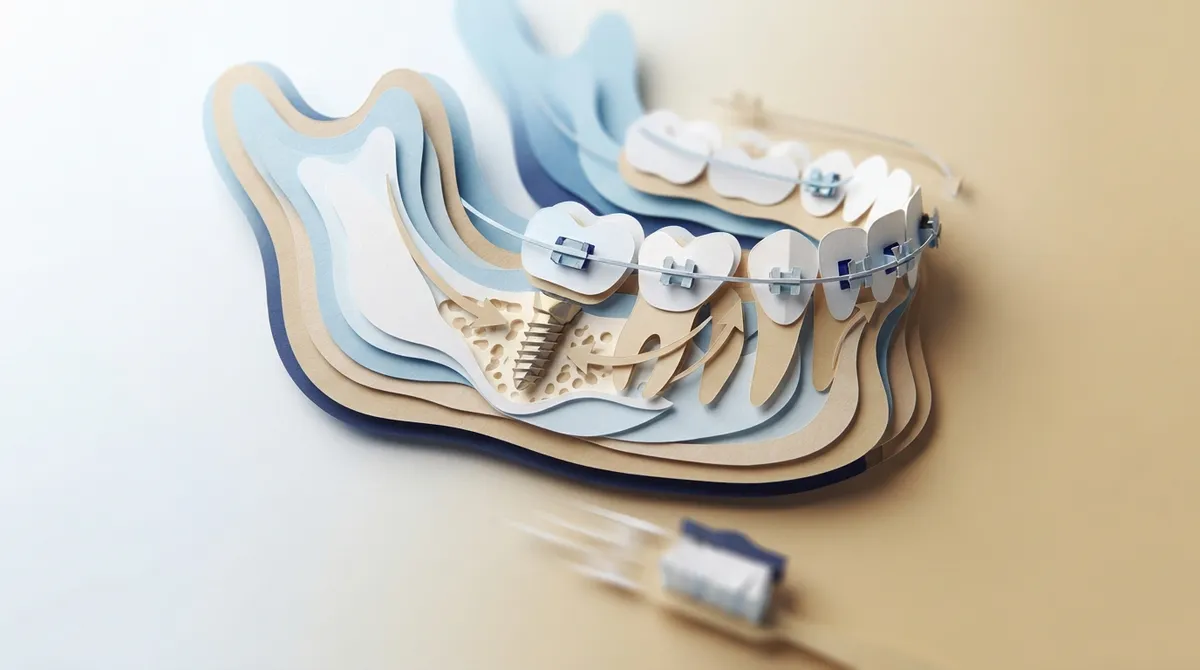
TADs are tiny screws placed in your jawbone that provide a stable anchor point for precise tooth movement, with success rates of 80-95% and are removed once treatment is complete.
-
TADs eliminate the need for patient compliance with headgear or elastics and prevent unwanted movement of anchor teeth, making them ideal for complex cases like molar control and open bite correction.
-
Poor oral hygiene around the TAD site is the main cause of complications, with inflammation occurring in about 14.5% of cases, so proper daily brushing and recommended mouth rinse are critical.
-
TAD placement is a minor office procedure using local anesthetic with only mild soreness for 1-2 days afterward, and if a TAD loosens, your orthodontist can usually remove and replace it nearby.
-
Your candidacy for TADs depends on bone density, oral hygiene habits, gum health, and smoking status, which your orthodontist will evaluate using X-rays or 3D scans before recommending placement.
-
TADs work alongside braces or aligners to handle specific complex tooth movements that regular brackets and wires cannot manage as easily, not as a replacement for primary treatment methods.
If your orthodontist has mentioned “TADs” during a consultation, you might picture something out of a sci-fi movie. Don’t worry, it’s much simpler than it sounds. Temporary anchorage devices, or TADs, are tiny screws that help move your teeth exactly where they need to go. They’re becoming a bigger part of modern orthodontics, and for good reason.
At Brockway Orthodontics in Clearwater, we know that understanding your treatment options can feel overwhelming. That’s why we’re breaking down everything you need to know about tads orthodontics versus traditional anchorage methods. Whether you’re a parent researching options for your teen, an adult considering treatment, or someone who’s had braces before and wants to understand more advanced techniques, this guide is for you. Let’s compare TADs to conventional anchorage so you can feel confident about your smile journey.
What Exactly Are TADs in Orthodontics?
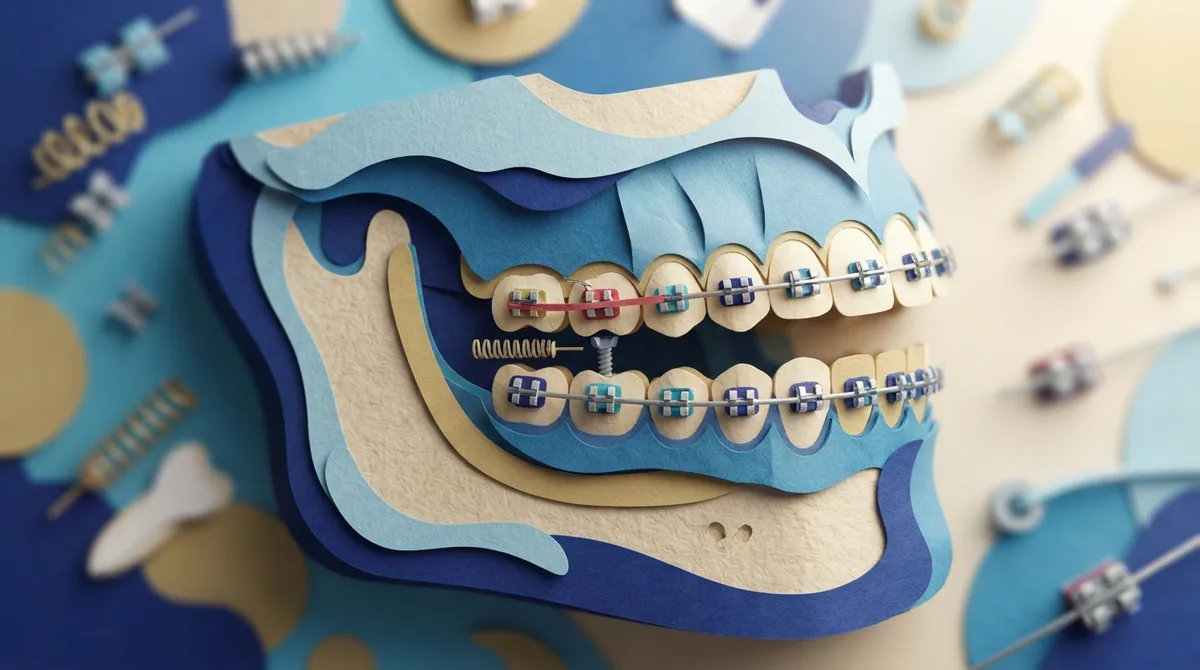
TADs, or temporary anchorage devices, are small screws or plates placed in your jawbone. They give your orthodontist a stable point to push or pull teeth from. Think of them like an anchor point that doesn’t move, unlike your teeth, which naturally shift during treatment.
The most common type is a miniscrew. These are tiny, usually smaller than a paperclip, and they’re placed with local anesthetic right in the orthodontic office. Unlike dental implants, these screws don’t need to fuse with your bone. That means your orthodontist can often start using them almost right away.
TADs are removed once your teeth have moved into their proper position. They are not meant to stay in your mouth forever. This makes them very different from permanent dental implants, even though they might sound similar at first.
Traditional Anchorage: The Classic Approach
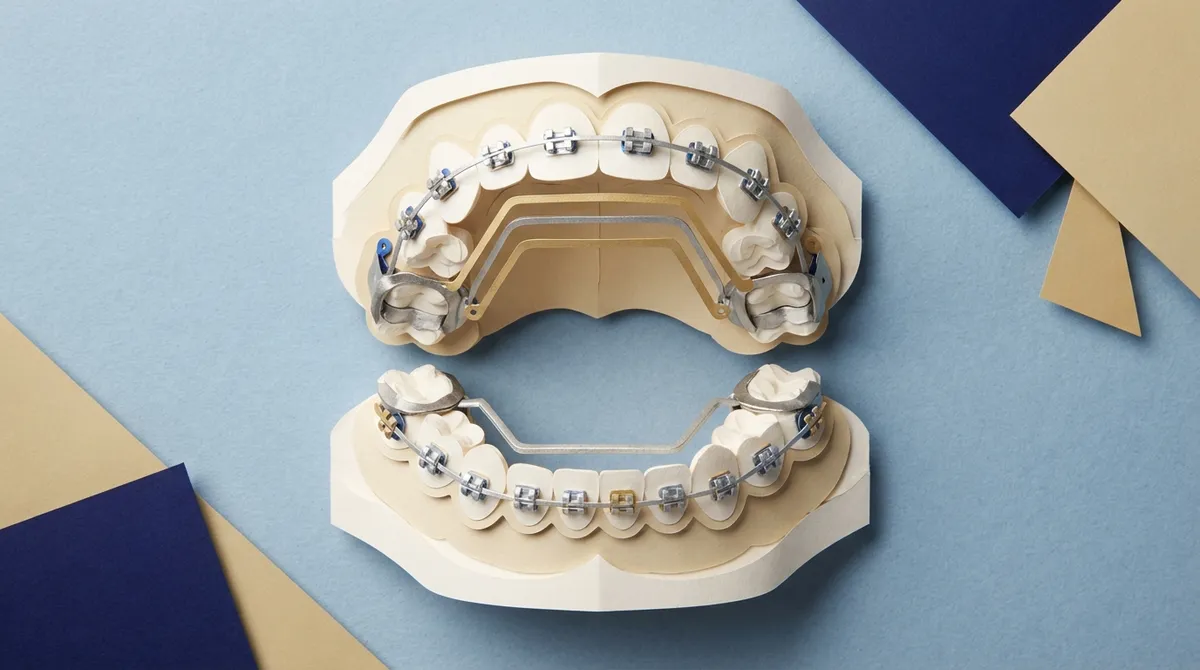
Before TADs became common, orthodontists relied on other teeth, headgear, or elastics to create the force needed for tooth movement. This is called traditional anchorage. It works by using existing teeth as the “anchor” while other teeth move.
The problem? Sometimes the anchor teeth move too, which isn’t always what you want. This is called reciprocal movement, and it can throw off your treatment plan. Traditional methods also often depend on patient cooperation. Headgear and rubber bands only work if you actually wear them as directed.
For many patients, traditional anchorage works just fine. But for complex cases, it can lead to longer treatment times or less predictable results.
Key Differences at a Glance
Here’s a simple breakdown comparing TADs to traditional anchorage methods:
| Feature | TADs (Temporary Anchorage Devices) | Traditional Anchorage |
|---|---|---|
| Stability | Very stable, doesn’t shift | Can shift, causing unwanted movement |
| Patient Compliance Needed | Minimal to none | Often required (headgear, elastics) |
| Placement | Minor procedure with local anesthetic | No extra procedure needed |
| Best For | Complex movements, molar control | Simpler cases with straightforward needs |
| Success Rate | Approximately 80% to 95% in most studies | Varies widely by patient cooperation |
When Do Orthodontists Recommend TADs?
Not every patient needs a TAD. Your orthodontist will look at your specific case to decide if this tool makes sense for you. Here are some common situations where TADs really shine:
- Molar movement: TADs can help move back teeth up, down, forward, or backward with more precision.
- Space closure: When you need to close a gap without shifting other teeth, TADs provide a fixed point to pull from.
- Correcting an open bite: TADs can help intrude teeth (push them up) to close gaps between upper and lower teeth.
- Fixing a canted smile: If your bite plane isn’t level, TADs help create the right force to even things out.
- Reducing reliance on headgear: For patients who struggle with compliance, TADs offer a more predictable solution.
If you’re curious whether TADs might be part of your treatment plan, our team can walk you through it during your first visit. We always take time to explain your options in simple, friendly terms.
How Successful Are TADs, Really?
Research gives us a pretty encouraging picture. A 2022 scoping review found that nearly half of all studies reported TAD success rates of 90% or higher. That’s a strong track record, though results do vary based on where the TAD is placed and other factors.
The same review found mini-plates had a success rate around 94.5%, while mini-implants (the more common type) landed around 87.2%. A separate 2018 review of self-drilling mini-implants reported an overall success rate of 89.8%. These numbers show that while TADs are generally reliable, they aren’t guaranteed to work every single time.
Other studies have found success rates ranging from about 74% to 93%, depending on how “success” is defined and how long researchers followed up with patients. This variation reminds us that your specific outcome depends on many factors, including your oral hygiene, the location of the TAD, and your orthodontist’s experience.
What Affects TAD Success?
Several things can influence how well a TAD performs. Understanding these can help you play an active role in your treatment success:
- Where the TAD is placed in your mouth
- The thickness and quality of your jawbone
- How well you keep the area clean
- Whether you smoke (which can reduce success rates)
- Your overall health and any existing conditions
- How soon the TAD is loaded with force after placement
- The skill and experience of your orthodontist
This is one more reason why choosing an experienced provider matters. Dr. Brockway has the training and hands-on experience to place TADs carefully, reducing risks and improving your chances of success.
Is Getting a TAD Painful?
We get this question a lot, and it’s totally understandable to feel a little nervous. The good news is that TAD placement is a minor procedure. Your orthodontist numbs the area with local anesthetic first, so you shouldn’t feel sharp pain during placement.
Afterward, you might notice some soreness for a day or two, similar to how you’d feel after getting braces tightened. Most patients say it’s much less uncomfortable than they expected. Over-the-counter pain relief and a soft-food diet for a day or so usually take care of any discomfort.
Possible Risks and How We Manage Them
Like any dental procedure, TADs come with some risks. It’s important to know these upfront so you can make an informed decision. Common issues include:
- Temporary soreness or swelling around the site
- Irritation of the gum tissue near the screw
- Loosening of the TAD over time
- Rare instances of the screw touching a tooth root
- Inflammation, especially if oral hygiene isn’t kept up
According to a 2022 scoping review, inflammation was the most commonly reported complication, making up about 14.5% of all issues noted in the studies reviewed. This is usually linked to poor oral hygiene around the device, which is why we always stress the importance of proper cleaning.
If a TAD becomes loose or fails, it’s not the end of the world. Your orthodontist can usually remove it and, if needed, place a new one in a slightly different spot. Most complications are manageable when caught early, which is why regular check-ins matter so much throughout your treatment.
How to Care for Your TAD
Taking care of your TAD is simpler than you might think, but consistency is key. Follow these steps to help your treatment stay on track:
- Brush gently around the TAD site every day, just like you would with braces.
- Use any special mouth rinse your orthodontist recommends to reduce bacteria.
- Avoid touching, wiggling, or playing with the screw with your tongue or fingers.
- Watch for signs of trouble like swelling, pain that doesn’t go away, or bleeding.
- Keep all your scheduled appointments so we can monitor how things are progressing.
- Never try to tighten or remove the TAD yourself. Leave that to your orthodontist.
Good oral hygiene habits go a long way here. The American Dental Association offers helpful guidance on maintaining oral health during orthodontic treatment, which pairs well with the specific instructions your orthodontist gives you.
Who Might Not Be a Good Candidate for TADs?
TADs aren’t right for everyone. Some patients may need alternative anchorage strategies due to factors like:
- Active gum disease or poor oral hygiene habits
- Not enough bone density in the planned placement area
- Certain systemic health conditions that affect healing
- Heavy smoking, which can reduce success rates
- Unusual anatomy that makes safe placement difficult
Your orthodontist will use imaging, like x-rays or 3D scans, to check your bone structure and surrounding anatomy before recommending TADs. This careful planning helps avoid complications and improves your odds of a smooth treatment experience.
TADs Compared to Other Orthodontic Tools
It helps to see how TADs stack up against other common orthodontic aids you may have heard about, like traditional braces or clear aligners. TADs aren’t a replacement for braces or aligners. Instead, they work alongside these treatments to handle specific, tricky movements that regular brackets and wires can’t manage as easily.
For example, if you’re already wearing braces and need extra help moving a molar, a TAD might be added to your treatment plan. It’s not an either-or choice. Many patients who benefit from TADs are already using braces or aligners as their primary treatment method.
Why Choose Brockway Orthodontics for Advanced Care?
Dr. Brockway brings both expertise and genuine care to every case that walks through our doors. Whether you need straightforward braces or a more advanced approach involving TADs, our full range of orthodontic services is designed to fit your unique needs.
We also use modern technology like digital impressions and 3D imaging, which helps us plan precise TAD placement when it’s needed. This isn’t guesswork. It’s careful, personalized planning based on your specific mouth and goals. You can learn more about our approach on our Florida Association of Orthodontists affiliated practice page, or simply stop by for a consultation.
Families throughout Clearwater trust us because we take time to explain every step, from your adult treatment options to adolescent treatment plans. We know that feeling informed makes the entire process less stressful, and that’s exactly what we aim for with every patient.
Beyond orthodontics, we also value partnerships with local health professionals who support your overall wellness. For patients dealing with jaw discomfort or related muscle tension, West Florida Therapy offers services that can complement your orthodontic care.
Making the Right Choice for Your Smile
So, TADs versus traditional anchorage: which one wins? Honestly, it depends on your specific case. TADs offer more precision and predictability for complex movements, while traditional anchorage still works well for simpler treatment plans. Your orthodontist will recommend the best option based on your goals, your bite, and your overall oral health.
What matters most is working with a provider who takes time to explain your options and answer your questions. That’s exactly what you’ll find at Brockway Orthodontics. We want you to feel confident, informed, and excited about your smile journey, whether that includes TADs or not.
Curious to see what other patients are saying? Visit us on Google — Brockway Orthodontics to read real reviews from our Clearwater community. You can also follow along with our latest smile transformations on Instagram or connect with us on Facebook for tips and updates.
Ready to find out if TADs or another treatment approach is right for you? Book your appointment online today and let’s start planning your best smile together.
FAQs
Q: What are TADs in orthodontics?
A: TADs, or temporary anchorage devices, are tiny screws placed in your jawbone to help move teeth more precisely. They act like a stable anchor point, and unlike dental implants, they’re removed once your treatment is complete.
Q: Are TADs painful to get placed?
A: Not really! Your orthodontist uses local anesthetic during placement, so you shouldn’t feel much at all. You might have some mild soreness for a day or two afterward, similar to getting braces adjusted.
Q: How successful are orthodontic TADs?
A: Research shows success rates commonly range from 80% to 95%, with some studies reporting even higher numbers for certain device types. Your specific results depend on factors like bone quality, hygiene, and your orthodontist’s experience.
Q: What happens if my TAD becomes loose?
A: Don’t panic! If a TAD loosens, your orthodontist can remove it and often place a new one in a nearby spot. This is a normal part of treatment for some patients, and it doesn’t mean your overall plan is off track.
Q: How do I clean around my TAD?
A: Gently brush around the area daily, just like you would with braces, and use any mouth rinse your orthodontist recommends. Keeping the area clean helps prevent inflammation, which is the most common complication with TADs.
Our Service Area