
Key Takeaways
-
Rinse aligners immediately after removal with cool water, brush daily with a soft-bristled toothbrush and mild soap, and soak 2-3 times weekly in manufacturer-approved cleaning crystals to prevent plaque buildup, bad breath, and tooth decay.
-
Never use hot water, abrasive toothpaste, colored soaps, mouthwash, or household chemicals on aligners, as these can warp the plastic, scratch the surface, stain trays, or damage the appliance fit and function.
-
Clean your teeth before reinserting aligners and wash your retainer case weekly with warm water and mild soap, then air dry completely, since a dirty case can reintroduce bacteria to freshly cleaned trays.
-
Avoid unapproved home remedies like vinegar, baking soda, and hydrogen peroxide; stick with Invisalign Cleaning Crystals or orthodontist-recommended products specifically designed for clear aligners.
-
Bacteria trapped between dirty aligners and teeth can cause enamel damage and cavity formation, making proper cleaning just as critical to treatment success as wearing the aligners for the required 20-22 hours daily.
-
If aligners develop persistent yellowing, odor, or cloudiness after proper cleaning, or show signs of cracks or warping, schedule an orthodontist visit immediately as they may need replacement to keep treatment on track.
Getting your Invisalign aligners or clear retainers is exciting. Your smile is on its way to looking amazing! But here’s something nobody tells you enough: keeping those clear appliances clean is just as important as wearing them. Plaque, food bits, and bacteria love to hide in your aligners, and if you skip proper cleaning, you might end up with cloudy trays, bad breath, or even cavities. The good news? Cleaning Invisalign retainers is quick, easy, and becomes second nature after a few days. Whether you’re a busy parent managing your teen’s aligner routine, a professional wearing trays between meetings, or an adult getting back into retainers after some relapse, this guide has you covered. At Brockway Orthodontics in Clearwater, we want every patient to feel confident about their care routine. Let’s walk through exactly how to keep your aligners fresh, clear, and doing their job well.
Why Cleaning Your Invisalign Retainers Actually Matters
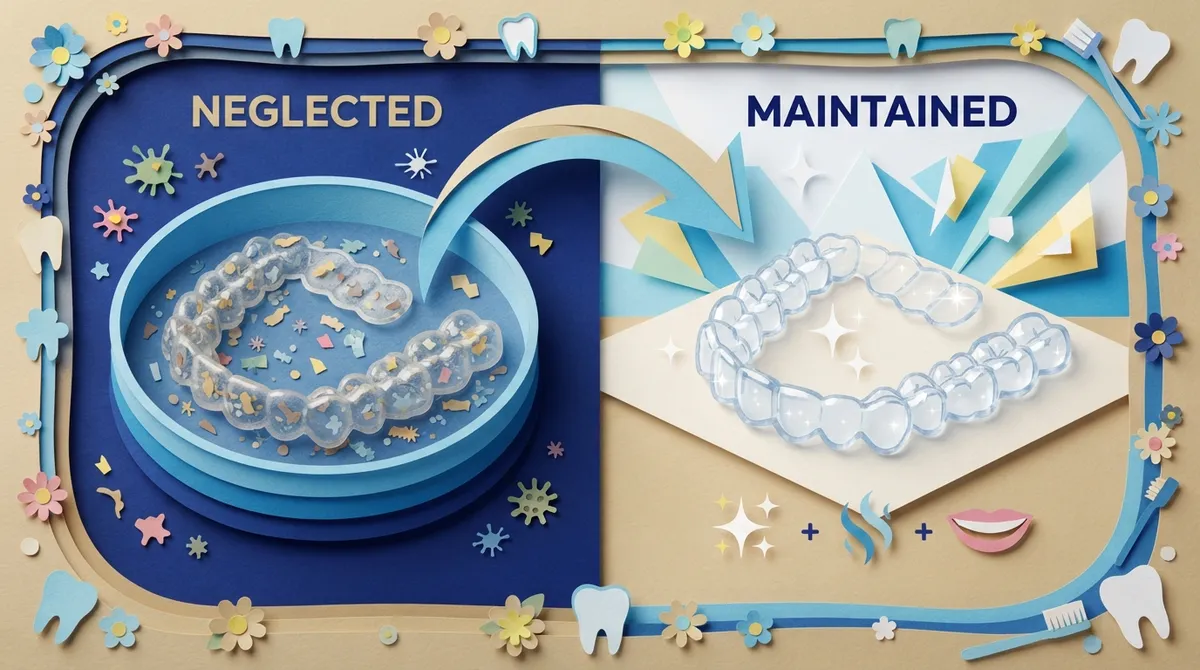
Your aligners sit against your teeth for 20 to 22 hours a day. That’s a lot of contact time with saliva, food particles, and the natural bacteria in your mouth. Without regular cleaning, plaque builds up on the plastic, which can lead to bad odors, cloudy trays, and even tooth decay. A 2025 clinical trial listed on medical research databases tested different cleaning methods over ten days, showing just how much attention researchers are giving this topic. It’s a bigger deal than most people realize.
Think about it this way: a clean retainer protects your teeth just as much as it protects the appliance itself. If you skip cleaning, bacteria trapped between your teeth and the tray can cause enamel damage over time. That’s the opposite of what you want after investing in your smile with Spark™ Clear Aligners or traditional Invisalign trays.

The Simple Daily Cleaning Routine
You don’t need a complicated system to keep your aligners clean. Here’s a step-by-step routine that works for teens, adults, and everyone in between.
- Rinse right away. Every time you take out your aligners, rinse them with cool or lukewarm water. This washes off saliva and food debris before it dries and sticks.
- Brush gently. Use a soft-bristled toothbrush kept just for your aligners. Add a small amount of clear, mild liquid soap or plain water. Skip the toothpaste, since it’s often too abrasive.
- Soak for a deeper clean. A few times a week, soak your aligners in Invisalign Cleaning Crystals or an approved retainer-cleaning tablet. Follow the product label, but most call for a 15-minute soak in about 100 ml of water.
- Rinse again before wearing. After soaking, give your aligners one more rinse before popping them back in.
- Brush and floss your teeth first. Clean teeth mean a cleaner aligner overall. Never put your trays back on dirty teeth.
This routine takes just a few extra minutes a day, but it makes a huge difference. If you’re new to aligner care, our team can walk you through it during your first visit to our Clearwater office.
What to Avoid When Cleaning Your Aligners
Just as important as knowing what to do is knowing what NOT to do. Some common habits can actually damage your aligners or make them look worse.
- Never use hot or boiling water. Heat can warp the plastic, which throws off the fit and function of your trays.
- Skip abrasive toothpaste. Whitening toothpaste and other gritty formulas can scratch the plastic, creating tiny grooves where bacteria hide.
- Avoid colored or strong-smelling soaps. These can stain or leave a residue on clear plastic.
- Don’t use mouthwash as a soak. Many mouthwashes contain dyes that can discolor your trays over time.
- Stay away from unapproved chemicals. Bleach, harsh cleaners, and other household products are never a good idea near your mouth.
Following these simple guidelines protects your investment and keeps your smile journey on track. If you’re ever unsure about a product, it’s always smart to check with your orthodontist before trying it.
Can I Use Vinegar, Baking Soda, or Hydrogen Peroxide?
This question comes up a lot, especially from patients who love natural home remedies. The honest answer is: proceed with caution. Vinegar and baking soda are sometimes suggested online for cleaning retainers, but they aren’t officially approved by aligner manufacturers. Vinegar can be too acidic for some plastics, and baking soda can be mildly abrasive if scrubbed too hard. Hydrogen peroxide diluted in water is sometimes used, but again, it’s not the manufacturer-recommended method.
The safest bet is sticking with products designed specifically for clear aligners, like Invisalign Cleaning Crystals, or asking your orthodontist for their preferred recommendation. According to the American Dental Association, proper appliance care plays a key role in preventing oral health issues linked to bacteria buildup. When in doubt, always follow your orthodontist’s specific instructions since cleaning needs can vary by material and wear schedule.
Comparing Common Cleaning Methods
Not all cleaning methods are created equal. Here’s a quick comparison to help you decide what fits your routine best.
| Cleaning Method | Best For | Things to Know |
|---|---|---|
| Water rinse | Daily use after removal | Quick, easy, removes surface debris |
| Soft brush with mild soap | Daily deeper clean | Gentle scrubbing removes plaque buildup |
| Invisalign Cleaning Crystals | Deep clean 2-3 times weekly | 15-minute soak, manufacturer approved |
| Retainer cleaning tablets | Alternative deep clean | Follow label instructions for soak time |
| Ultrasonic cleaner with tablet | Extra thorough cleaning | Used in some clinical studies, effective but optional |
A 2025 study indexed on PubMed compared several of these methods over five weeks, measuring bacteria levels in saliva and on the aligners themselves. While the full results weren’t broken down publicly, the research shows that combining brushing with an approved cleaning product tends to outperform brushing alone.
Caring for Your Retainer Case
It’s easy to forget about the case, but it matters just as much as the aligner itself. A dirty case can reintroduce bacteria to a freshly cleaned tray, which defeats the whole purpose.
- Wash your case with warm water and mild soap weekly.
- Let it air dry completely before storing your aligners inside.
- Replace the case if it becomes cracked or hard to clean.
- Always store your aligners in the case when not wearing them, especially during meals.
This small habit protects your aligners from bacteria, damage, and those unfortunate “I left it on a napkin” moments that lead to lost trays.
Removing Stains, Odor, and Cloudiness
If your aligners already have some yellowing or a funky smell, don’t panic. Start with a thorough soak using an approved cleaning crystal or tablet, followed by gentle brushing. In many cases, this restores clarity and freshness. However, if discoloration or odor persists even after proper cleaning, it may be time to visit your orthodontist.
Cracks, warping, or a poor fit are signs that your aligner may need to be evaluated or replaced. Waiting too long can affect your treatment progress, so don’t hesitate to reach out. Our team can also share tips for retainer care tailored to your specific treatment plan.
How Often Should You Clean Different Types of Appliances?
Cleaning frequency depends on how often you wear your appliance. Here’s a simple breakdown:
- Full-time aligners (worn 20+ hours a day): Rinse every time you remove them, brush daily, and soak 2-3 times a week.
- Nighttime retainers: Clean at least once daily, with a weekly deeper soak.
- New patients starting treatment: Ask your orthodontist for a specific schedule based on your appliance material.
Every patient’s needs are a little different, which is why personalized guidance matters. Whether you’re a teen prepping for prom photos or an adult professional wanting a discreet option that fits your schedule, our team can help you build a routine that actually sticks.
Why Trust Matters When Choosing Your Orthodontic Provider
Cleaning instructions can vary slightly depending on your specific appliance, treatment stage, and any staining or odor concerns you’re experiencing. That’s why working with an experienced, caring provider matters so much. At Brockway Orthodontics, Dr. Brockway takes time to explain every detail of your care, from your first digital scan to your final retainer check. We proudly serve families throughout Clearwater with a full range of orthodontic services, including braces, Spark™ Clear Aligners, and retainer care for every stage of life.
Curious what other patients say about their experience? You can visit us on Google — Brockway Orthodontics to read real reviews from Clearwater families just like yours. You can also follow along on Instagram or connect with us on Facebook for smile tips and behind-the-scenes updates from our office.
Building Good Habits for Long-Term Success
Whether you’re managing your child’s first set of clear aligners or you’re an adult revisiting orthodontic care after some relapse, good cleaning habits set the tone for treatment success. A clean appliance supports healthier teeth and gums, and it helps your treatment stay on schedule. Combine this with regular checkups, proper wear time, and good oral hygiene, and you’re setting yourself up for a smile you’ll love showing off.
For families managing braces and aligners at the same time, it also helps to review general orthodontic hygiene tips. Organizations like the Florida Association of Orthodontists offer helpful resources for finding qualified providers and understanding proper appliance care across the state.
Your Next Step Toward a Cleaner, Healthier Smile
Cleaning your Invisalign retainers doesn’t have to be complicated. With a simple daily routine, the right products, and a little consistency, you can keep your aligners clear, fresh, and working exactly as they should. If you have questions about your specific treatment or want expert guidance from a team that genuinely cares, we’re here for you. Ready to get started or need a check-in on your current treatment? Book your appointment online today and let the friendly team at Brockway Orthodontics help you keep your smile on track, right here in Clearwater, Florida.
FAQs
Q: How often should I clean my Invisalign retainers?
A: You’ll want to rinse your aligners every single time you take them out, especially after eating. For a deeper clean, soak them in an approved cleaning solution two to three times a week. It becomes a quick habit before you know it!
Q: Can I use toothpaste to clean Invisalign aligners or Vivera retainers?
A: It’s best to skip regular toothpaste since many formulas are too abrasive and can scratch the plastic. Instead, stick with a soft brush and mild, clear liquid soap or plain water. Your aligners will thank you by staying clearer longer!
Q: Can hot water damage or warp Invisalign retainers?
A: Yes, definitely avoid hot or boiling water. The heat can warp the thermoplastic material, which changes the fit and can mess with your treatment progress. Always stick to cool or lukewarm water instead.
Q: What is the best cleaner for Invisalign retainers?
A: Invisalign Cleaning Crystals are the official, manufacturer-approved option, and they’re super simple to use. A 15-minute soak a few times a week keeps your trays clear and fresh. Your orthodontist can also recommend other approved tablets if you prefer.
Q: Can dirty Invisalign retainers cause cavities or bad breath?
A: Absolutely, and this is a big reason cleaning matters so much. Plaque and bacteria trapped against your teeth can lead to decay, gum irritation, and yes, some pretty unpleasant odor. A simple daily cleaning routine keeps all of that in check.
Our Service Area