Key Takeaways
-
Wear your clear retainer full-time for the first few months after treatment, then transition to nighttime-only wear as your teeth settle, following your orthodontist's personalized schedule to prevent relapse.
-
Most people need some form of retention for life because teeth naturally shift over time due to aging, jaw changes, and chewing forces; however, this typically means just a simple nightly routine.
-
Remove your retainer before eating or drinking anything besides water to prevent staining, warping, bacteria buildup, and damage to the plastic material.
-
Clean your retainer with cool water and a soft toothbrush, avoiding hot water and harsh toothpastes; never soak in mouthwash, as heat and certain liquids can warp or discolor the plastic.
-
Replace your retainer immediately if it shows signs of damage like cracks, cloudiness, loose fit, or persistent odor, as a compromised retainer cannot properly maintain your teeth alignment.
-
Schedule retention check-ups within three months of getting your retainer, then every 2-4 visits during the first 1-2 years, followed by annual reviews to ensure proper fit and prevent early tooth shifting.
So you finally got your braces off, or you just finished your last clear aligner tray. Congratulations! That new smile deserves a huge celebration. But here’s a little secret nobody tells you loudly enough: the real work of keeping that smile straight starts now. Clear retainers for teeth are the quiet heroes of orthodontic care, and understanding how they work can save you from a whole lot of frustration down the road.
At Brockway Orthodontics in Clearwater, we see it all the time. Patients finish treatment feeling thrilled, then get a little too relaxed about their retainer routine. We get it, life happens. But we want you to feel confident and informed, not caught off guard. Let’s walk through everything you need to know about clear retainers, from wear schedules to cleaning tips, so your smile stays exactly where it belongs.
1. What Exactly Are Clear Retainers for Teeth?
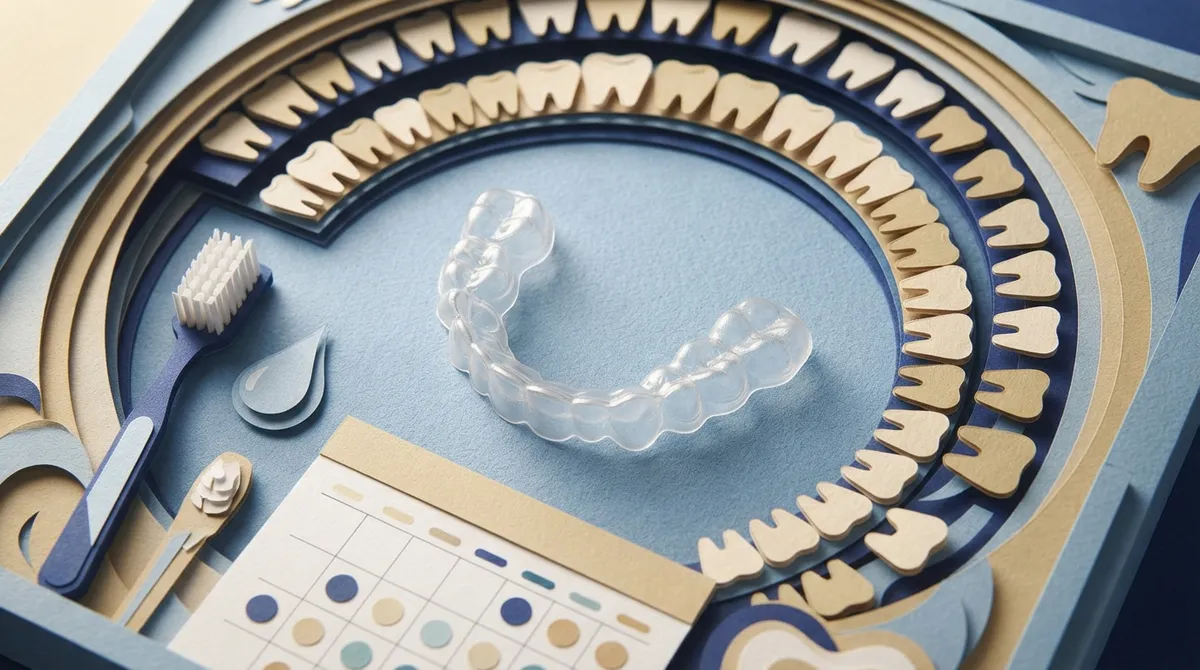
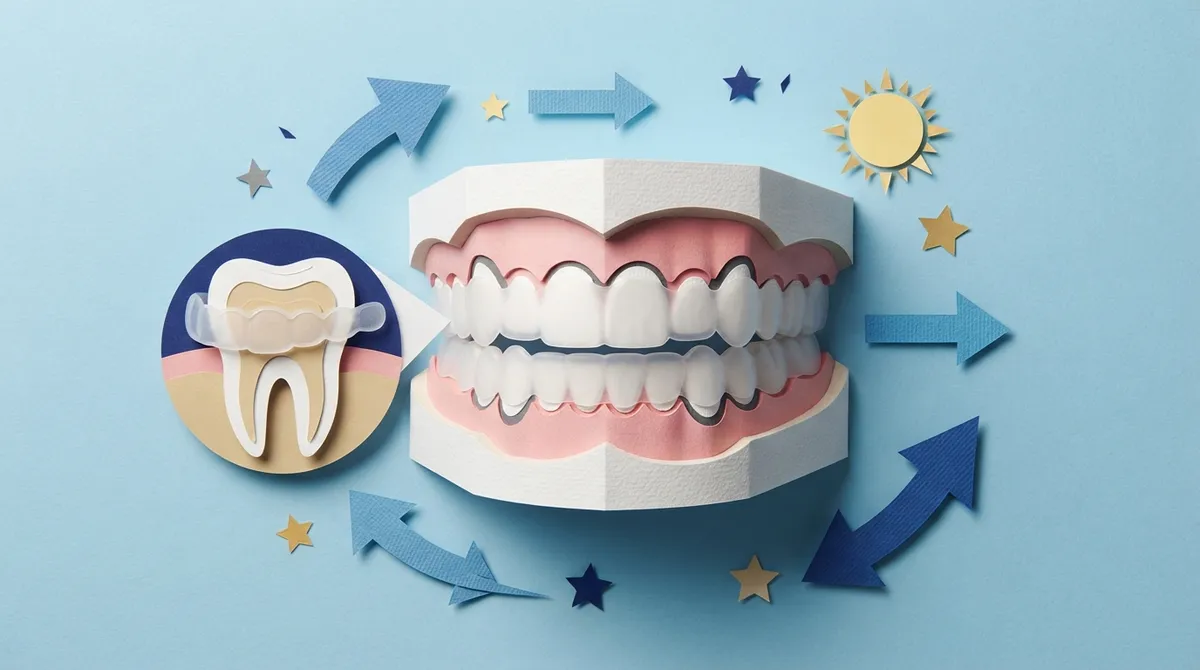
Clear retainers are thin, see-through plastic trays custom-made to fit snugly over your teeth. Dentists and orthodontists sometimes call them vacuum-formed retainers, thermoplastic retainers, or Essix retainers. Whatever name you hear, they all do the same job: holding your teeth in their new position after braces or Spark™ Clear Aligners treatment.
Think of your teeth like plants that were just repotted. They need support to stay put while their roots settle into the new soil. That’s exactly what a retainer does for your smile. Without one, your teeth can slowly drift back toward their old positions, a frustrating process orthodontists call relapse.
2. Why Clear Retainers Are So Popular
Clear retainers have become a favorite among teens, adults, and busy professionals alike. Here’s why so many patients love them:
- They’re nearly invisible, so nobody has to know you’re wearing one
- They’re removable, making it easy to eat and drink without hassle
- They’re simpler to clean than fixed, bonded retainers
- They don’t have metal wires that can irritate your cheeks or lips
The catch? Clear retainers only work if you actually wear them as directed. Unlike a permanent bonded retainer, a clear one depends entirely on you remembering to pop it in every day. If you’re the type who prefers a low-maintenance option, it’s worth discussing all your retainer options with your orthodontist before deciding.
3. How Long Should You Wear Your Clear Retainer?
This is probably the most common question we hear at our Clearwater office. The honest answer is: it depends on you. There’s no single schedule that fits every patient perfectly.
That said, most orthodontists follow a similar general pattern:
- Full-time wear for the first few months, removing it only to eat, drink anything besides water, and brush your teeth
- Gradual transition to nighttime-only wear as your teeth settle
- Long-term or even lifelong nighttime wear to prevent shifting
A 2023 critical review of orthodontic retainers found that wearing a removable retainer for about 10 hours a day can be enough to maintain results in some cases. Interestingly, a 2019 clinical guideline noted that six months after treatment, full-time and part-time thermoplastic retainer wear produced similar alignment outcomes in some studies. However, that evidence was rated low quality, so please don’t use it as an excuse to skip your prescribed schedule. Your orthodontist knows your bite, your history, and your risk of relapse better than any general study.
4. Do You Really Need to Wear a Retainer Forever?
Here’s a truth that surprises a lot of patients: yes, many people need some form of retention for life. Teeth naturally want to shift over time, even without braces or aligners involved. Aging, jaw growth changes, and everyday chewing forces all play a role.
This doesn’t mean you’re stuck wearing a retainer 24/7 forever. Most patients settle into a simple nighttime routine that becomes second nature, kind of like brushing your teeth or taking a daily vitamin. It’s a small habit that protects a big investment: your beautiful smile.
5. Cleaning Your Clear Retainer the Right Way
Cleaning a clear retainer is easier than you might think, but a few small mistakes can cause big problems. Follow these simple steps to keep your retainer fresh and clear:
- Rinse with cool or lukewarm water after removing it
- Brush gently with a soft toothbrush, avoiding abrasive toothpaste
- Use a cleaning product recommended by your orthodontist when needed
- Never use hot water, since heat can warp the plastic
- Avoid soaking in mouthwash, which can discolor or damage the material
A little daily care goes a long way. Think of it like caring for a pair of glasses: gentle handling keeps them clear and functional for much longer.
6. Storing Your Retainer So You Don’t Lose It
Let’s be honest, almost every orthodontic patient has a story about a retainer wrapped in a napkin and accidentally thrown away. It happens more often than you’d think! Here are some simple habits to protect your investment:
- Always store your retainer in its ventilated case when not in your mouth
- Keep it away from pets, who love to chew on anything plastic
- Never leave it in a hot car or near boiling water
- Bring your case with you to restaurants so you have somewhere safe to put it during meals
These little habits can save you the cost and hassle of replacing a lost or damaged retainer. And if it does happen, don’t panic. Our team is always ready to help you get a new one made quickly.
7. Signs Your Retainer Needs Attention
Clear retainers don’t last forever, and knowing when to replace yours can prevent bigger issues down the road. Watch for these warning signs:
| Sign | What It Might Mean |
|---|---|
| Retainer feels tight or hard to insert | Possible tooth movement, needs evaluation |
| Visible cracks or chips | Retainer is compromised and should be replaced |
| Cloudy or warped appearance | Likely exposed to heat or old age, replace soon |
| Persistent odor after cleaning | Bacteria buildup, time for a new retainer |
| Loose fit or rocking movement | May no longer be providing proper retention |
If your retainer suddenly feels tight, resist the urge to force it into place. That tightness could mean your teeth have shifted slightly, and forcing an ill-fitting retainer can cause discomfort or damage. Instead, reach out to your orthodontist for a quick check-up.
8. Clear Retainers vs. Other Retention Options
Clear retainers aren’t the only option out there. Depending on your bite, your lifestyle, and your orthodontist’s recommendation, you might use a Hawley retainer or a fixed bonded retainer instead. Here’s a quick comparison:
| Retainer Type | Pros | Cons |
|---|---|---|
| Clear (vacuum-formed) | Nearly invisible, easy to clean, removable | Requires consistent wear, can warp with heat |
| Hawley (acrylic and wire) | Durable, adjustable, removable | More visible, wire can affect speech at first |
| Fixed bonded | No daily compliance needed, always working | Harder to clean, requires more careful flossing |
A 2020 meta-analysis found that both removable and fixed retainers effectively maintained alignment after braces, though fixed retainers showed slightly greater efficacy in the pooled data. Meanwhile, a 2022 systematic review found vacuum-formed retainers made oral hygiene easier, though some patients reported more discomfort or soreness compared to bonded options. There’s no universally “best” choice. It really comes down to your specific bite, your daily habits, and what your orthodontist recommends for your long-term stability.
9. What to Expect at Your Retention Check-Ups
Getting your retainer is not a “set it and forget it” situation. Regular check-ups help make sure everything is working as it should. According to a 2019 clinical-practice guideline, patients should ideally have their first retention check-up within three months of getting their retainer. After that, expect roughly two to four visits during the first one to two years, followed by annual reviews.
These visits are quick, but they matter. Your orthodontist checks the fit, looks for early signs of shifting, and makes sure your retainer is still doing its job. If you’re due for a check-up or just have questions about your retention plan, feel free to get in touch with our team at Brockway Orthodontics.
How Much Do Clear Retainers Cost?
Cost varies depending on your treatment plan, whether you need a replacement, and your insurance coverage. Many practices, including ours, offer flexible financing and insurance options to make retention affordable for every family. If you’re comparing prices, remember that a slightly higher upfront cost for a well-made retainer often saves money in the long run by lasting longer and protecting your smile more reliably.
Why Clearwater Families Trust Brockway Orthodontics for Retention Care
Dr. Brockway believes that finishing treatment is just the beginning of a lasting relationship with your smile. Our Clearwater office focuses on clear communication, so you always know exactly why we recommend a certain wear schedule or retainer type for your unique bite. We combine modern technology, like digital impressions, with a warm, family-friendly approach that makes every visit comfortable, whether you’re a teenager or a parent bringing in the whole family.
We also know that retention isn’t one-size-fits-all. That’s why we take time during your first visit and every follow-up to answer your questions honestly. Curious what past patients think? You can Visit us on Google — Brockway Orthodontics to read real reviews from our Clearwater community.
For general guidance on orthodontic health and retainer care, the American Dental Association offers helpful resources, and the Florida Association of Orthodontists is a great source for finding qualified specialists across the state. You can also follow us on Facebook or check out our latest smiles on Instagram for a peek into our practice culture.
Your Smile Deserves Long-Term Protection
Clear retainers are a small piece of plastic with a big job: protecting years of hard work and progress. Whether you just finished treatment or you’re overdue for a check-up, taking retention seriously is one of the best things you can do for your smile’s future. Relapse can happen even after successful treatment, but with the right habits and guidance, you can avoid it entirely.
Ready to talk about your retainer options or schedule a check-up? Book appointment online with our friendly Clearwater team today, and let’s keep your smile shining for years to come.
FAQs
Q: How long should I wear clear retainers after braces?
A: Most patients start with full-time wear for the first few months, then transition to nighttime-only wear. Your orthodontist will personalize this schedule based on your bite and how your teeth settle, so always follow their specific recommendation.
Q: Do I need to wear my clear retainer forever?
A: Many patients do need some form of long-term retention, often just nighttime wear, because teeth can shift throughout life. Think of it as a small nightly habit that protects your smile investment for good.
Q: How often should clear retainers be replaced?
A: Replace your retainer whenever it cracks, warps, feels loose, or develops a persistent odor. Your orthodontist can also recommend replacement during regular check-ups if it no longer fits properly.
Q: Can I eat or drink while wearing a clear retainer?
A: It’s best to remove your retainer before eating or drinking anything besides water. This protects the plastic from staining, warping, and bacteria buildup, keeping it clear and comfortable longer.
Q: What should I do if my clear retainer is lost, cracked, or no longer fits?
A: Contact your orthodontist right away rather than waiting. A lost or damaged retainer can allow your teeth to shift quickly, so getting a replacement made promptly helps protect your smile.
Our Service Area