Key Takeaways
-
Spring retainers are removable appliances designed for minor corrections of 1-2 millimeters, ideal for small crowding, minor rotations, or light relapse after braces, but cannot replace full orthodontic treatment for major issues.
-
Wear your spring retainer approximately 22 hours daily during the active correction phase, then switch to nighttime-only wear once teeth reach the target position, with consistent compliance being essential for success.
-
Spring retainers differ from other retainers by offering both light correction and retention in one appliance, unlike Hawley or clear retainers which primarily hold teeth in place without active movement.
-
Clean your retainer with cool water and a soft brush, avoid hot water that can warp the acrylic, and store it in a protective case when not in use to prevent damage and maintain longevity.
-
Orthodontic relapse is a lifelong risk and research confirms teeth can shift at any age without proper retention, making regular professional checkups and consistent retainer wear critical regardless of which type you use.
-
Never order or use a spring retainer without a professional evaluation from a licensed orthodontist, as your unique teeth, gums, and bite require personalized assessment and precise fitting to ensure safety and effectiveness.
Have you noticed your bottom front teeth getting a little crowded again after braces? Or maybe your orthodontist mentioned a “spring retainer” and you’re not quite sure what that means. You’re not alone! Many patients here at Brockway Orthodontics ask us about this handy little appliance, and we love breaking it down in a way that actually makes sense. Grab a comfy seat, and let’s chat about how a spring retainer works, who it’s right for, and how you can use one the smart way.
A spring retainer is a small, removable orthodontic tool that does double duty. It can gently nudge your front teeth back into place while also holding them steady once they’re straight. Think of it as a helpful friend who both fixes small problems and keeps things tidy afterward. It’s not for everyone or every case, but for the right smile, it can be a simple, budget-friendly fix. Let’s walk through exactly how it works, when it helps, and how to care for it so your smile stays happy for years to come.
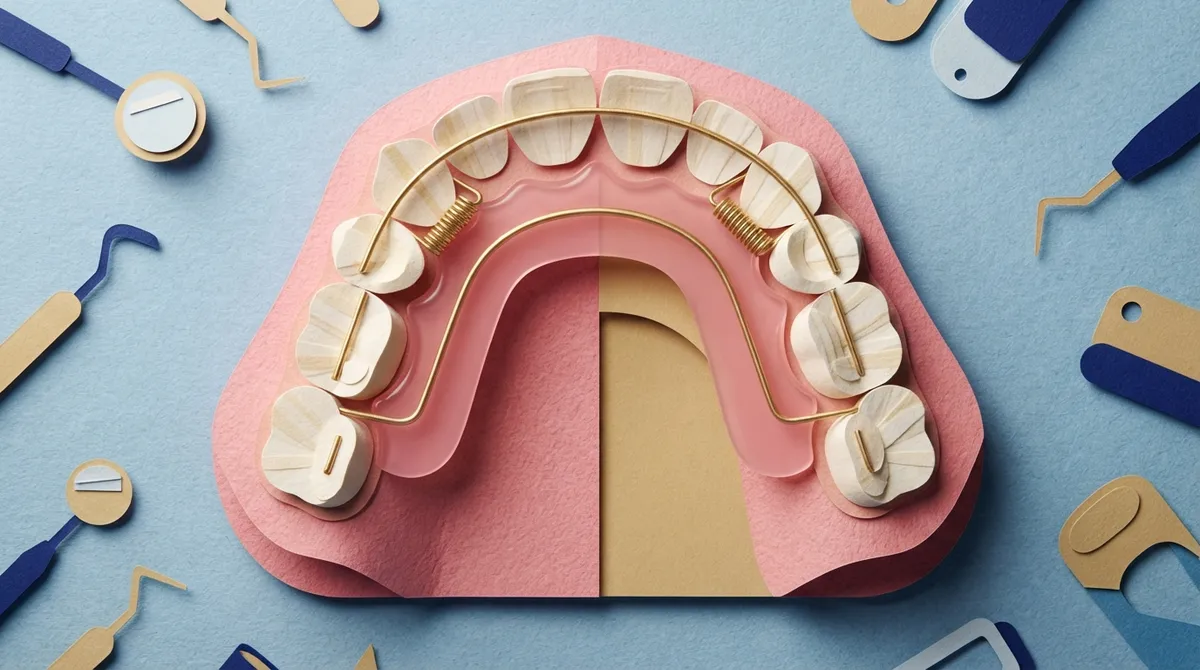
What Is a Spring Retainer, Exactly
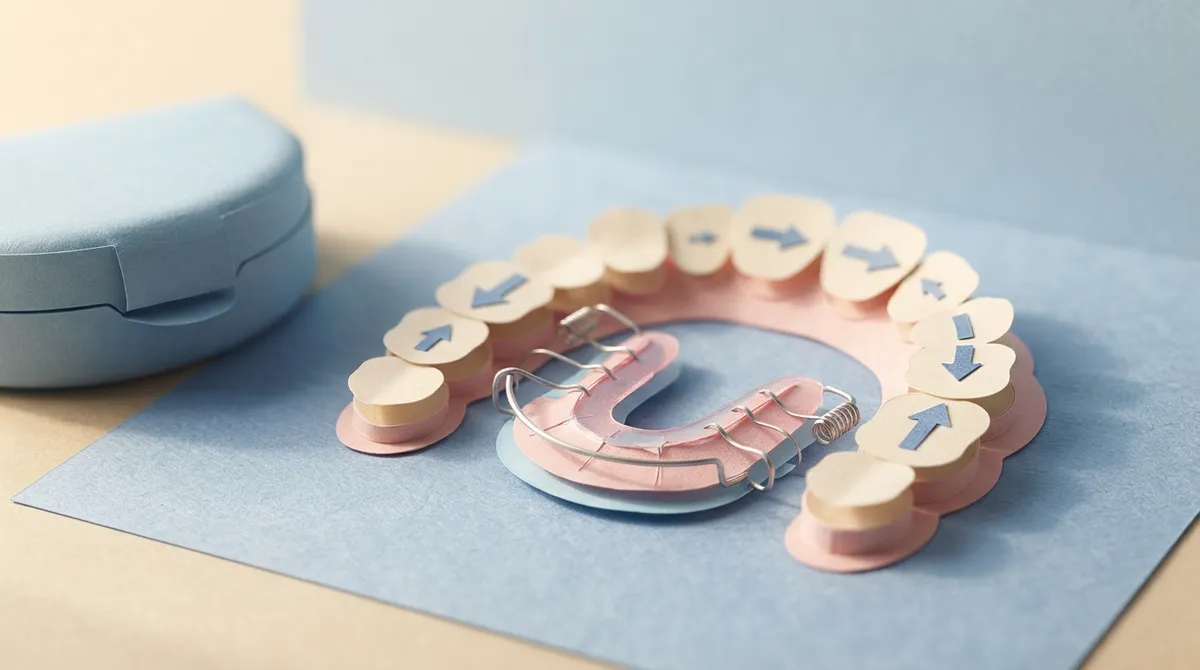
A spring retainer, sometimes called a spring aligner, is a removable appliance made from acrylic and thin stainless-steel wire springs. Your orthodontist creates it using a model of your teeth that has already been set up in the corrected, straighter position. Those activated wire springs then apply gentle, steady pressure on your teeth every time you wear it.
This appliance usually covers your front teeth, often from one canine to the other. Some designs stretch a little further back toward the premolars or molars for extra stability. It’s a clever mix of retention and light correction all in one appliance, which makes it different from a plain retainer that just holds teeth still.
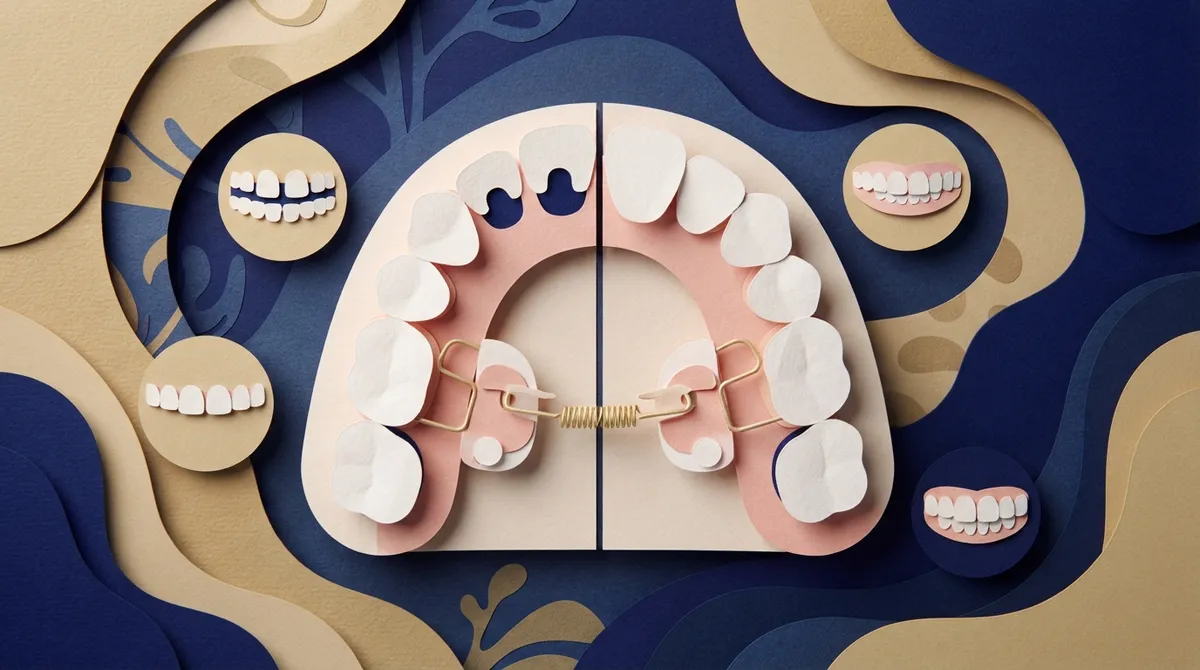
What Can a Spring Retainer Actually Fix
Here’s the important part: a spring retainer is designed for small jobs, not big ones. It works well for minor issues but is not meant to replace full braces or clear aligners when more significant movement is needed.
- Minor relapse after braces or aligner treatment, especially on the lower front teeth
- Small amounts of crowding on the front teeth
- Simple rotations or tipping of one or two teeth
- Light shifting that happened because a retainer wasn’t worn as directed
According to patient-facing orthodontic guidance, spring retainers are generally best for movements of about 1 to 2 millimeters. The exact amount depends on the tooth involved, how much space is available, and your gum health. A spring retainer will not fix major crowding, jaw alignment problems, or bite issues. Those situations need a full evaluation and likely a different treatment plan, like traditional braces or Spark™ Clear Aligners.
How the Spring Retainer Process Works
If Dr. Brockway determines a spring retainer is a good match for your smile, here’s a simple breakdown of what typically happens.
- Your orthodontist examines your teeth and takes impressions or digital scans to check if a spring retainer can safely handle the correction.
- A lab creates a setup model with your front teeth repositioned into the ideal straighter alignment.
- The appliance is built with acrylic and activated wire springs based on that setup model.
- You wear the retainer as directed, often around 22 hours a day during the active correction phase.
- You return for follow-up visits, commonly every four weeks, so your orthodontist can check your progress.
- Once your teeth reach the corrected position, you shift to a retention schedule, often nights only, to keep them in place.
Sometimes, your orthodontist might need to do a small amount of interproximal reduction. This just means gently and safely creating a bit more space between teeth so they have room to move. Every case is different, so your treatment plan will be tailored to your specific smile.
Spring Retainer vs Other Retainer Types
Patients often ask how a spring retainer compares to other types of retainers. Here’s a simple side-by-side look to help you understand the differences.
| Retainer Type | Main Purpose | Removable? | Best For |
|---|---|---|---|
| Spring Retainer | Light correction plus retention | Yes | Minor crowding or rotation |
| Hawley Retainer | Retention, minimal adjustment | Yes | General post-treatment retention |
| Clear (Essix) Retainer | Retention only | Yes | Holding teeth in final position |
| Fixed Bonded Retainer | Long-term retention | No | Preventing relapse without daily wear habits |
No single retainer type is automatically the best choice for every patient. A large review of orthodontic retention research found low to very low certainty evidence overall, meaning there isn’t strong proof that one design beats all the others. That’s exactly why your orthodontist’s judgment matters so much here. They’ll look at your relapse pattern, your gum health, how well you tend to follow instructions, and what looks and feels right for your lifestyle.
Wearing Your Spring Retainer the Right Way
Compliance is everything with a removable appliance like this one. If you don’t wear it as instructed, it simply cannot do its job.
- Wear it about 22 hours a day during the active correction phase, unless your orthodontist tells you otherwise
- Remove it for eating, unless specifically instructed to keep it in
- Switch to a nighttime-only schedule once your orthodontist confirms your teeth have reached the target position
- Attend your follow-up visits, usually scheduled around every four weeks
- Never skip check-ins, even if your teeth look great, since your orthodontist needs to confirm things are moving safely
Think of it like watering a plant. Skip a few days here and there, and you might not notice right away. But skip too many, and your progress can wilt. Consistency really is the secret ingredient.
Cleaning and Storing Your Spring Retainer
Keeping your appliance clean isn’t just about fresh breath, it also protects the springs and acrylic so your retainer lasts as long as possible.
- Rinse your retainer with cool or lukewarm water after removing it.
- Brush it gently with a soft toothbrush to remove plaque and food particles.
- Avoid hot water, since heat can warp or damage the acrylic.
- Only use cleaning products approved for your specific appliance. Some effervescent tablets can damage wire components.
- Store it in its protective case whenever it’s not in your mouth, especially around pets who love to chew on things they shouldn’t.
A little daily care goes a long way toward avoiding unexpected breakage or that dreaded “where did I put my retainer” moment.
Common Problems and When to Call Your Orthodontist
Like any dental appliance, a spring retainer can occasionally cause hiccups. Here’s what to watch for:
- Soreness or pressure on your teeth or gums, especially in the first few days
- Temporary speech changes or a lisp while you adjust
- Extra saliva at first, which usually settles down
- A retainer that feels loose, too tight, or difficult to insert
- Cracked acrylic or a bent or broken spring
Mild soreness in the first week or so is normal and often means the appliance is working. But if your retainer breaks, no longer fits, or causes ongoing pain, stop wearing it and reach out to your orthodontist right away. Never try to force a damaged retainer into place. If something feels off, it’s always better to check in than to guess. You can always get in touch with our team if you have questions about your appliance between visits.
What the Research Says About Retention
Orthodontic relapse is a real, lifelong risk. A Cochrane review updated in 2023 confirmed that teeth can shift throughout life if they aren’t properly retained, no matter which type of retainer was originally used. Interestingly, that same review compared part-time clear retainer wear to a multistrand fixed retainer and found a difference of just 0.92 millimeters in one study, a gap the researchers considered not clinically significant.
Other research on fixed retainers found failure rates ranging widely, anywhere from about 3.5% to 53% for metal retainers, depending on the study and design. These numbers highlight something important: no retainer is perfect, and every type has some level of risk if not monitored. That’s why regular checkups with a trusted orthodontist matter so much, whether you have a spring retainer, a Hawley, or a bonded wire behind your teeth.
Is a Spring Retainer Right for You
Wondering if this appliance fits your situation? A spring retainer might be worth discussing with your orthodontist if you fall into one of these categories.
- You finished orthodontic treatment a while back and noticed slight crowding creeping in
- You lost or stopped wearing your original retainer and your teeth shifted just a little
- You have one or two teeth that are mildly rotated but otherwise happy with your smile
- You want an affordable option for small corrections without starting a full round of braces or aligners
On the flip side, if you’re dealing with significant crowding, bite problems, or jaw discrepancies, a spring retainer likely won’t be enough. In those cases, your orthodontist might recommend traditional braces or Spark™ Clear Aligners, both of which we’re proud to offer here in Clearwater. The Florida Association of Orthodontists also emphasizes that only a licensed orthodontist should diagnose and recommend the right retention or correction option for your unique smile.
Why Professional Guidance Matters
We get it, DIY culture is everywhere these days, and it’s tempting to order a retainer online without seeing anyone in person. But please don’t try to use a spring retainer without a proper evaluation first. Your teeth, gums, and bite are unique, and what works for a friend or family member might not be safe for you.
Dr. Brockway takes the time to really listen to your goals and concerns before recommending any treatment, spring retainer or otherwise. Our team relies on modern tools like digital impressions and 3D imaging to plan treatment precisely, so you get an accurate, comfortable fit from day one. This kind of careful planning follows guidance from trusted organizations like the American Dental Association, which stresses that orthodontic devices should always be fitted and monitored by a qualified professional.
Caring for Your Smile for the Long Haul
Whether you choose a spring retainer, a Hawley, or a clear retainer, remember that retention is a forever commitment, not a one-time event. Your teeth can shift at any age, so staying consistent with your retainer wear protects the investment you made in your smile.
If it’s been a while since your last checkup, or if you’re noticing changes in your bite, don’t wait for things to get worse. Our friendly team is here to help families throughout Clearwater keep their smiles healthy and confident for the long run. Feel free to explore our full range of services or learn more about adult treatment options if you’re considering a refresh.
Curious what other patients have experienced? You can read real stories and visit us on Google to see Brockway Orthodontics reviews from folks right here in our community. We also love connecting with patients on Facebook and sharing smile transformations on Instagram, so come say hello!
Ready to Talk About Your Retainer Options
A spring retainer can be a wonderful, affordable solution for small shifts and minor relapse, but only when it’s recommended and monitored by a skilled orthodontist. If you’ve noticed changes in your smile or you’re due for a retainer check, we’d love to help you figure out the best next step. Our team at Brockway Orthodontics genuinely enjoys getting to know each patient and building a plan that fits your life, not the other way around.
Ready to get your smile back on track? Book your appointment online today and let’s chat about whether a spring retainer, or another treatment option, is the right fit for you. We can’t wait to meet you!
FAQs
Q: What is a spring retainer and how does it work?
A: A spring retainer is a removable appliance with acrylic and stainless-steel wire springs that gently pushes your front teeth into a straighter position. Once your teeth reach the right spot, the same appliance can hold them there. It’s like a two-in-one tool for small fixes and lasting retention!
Q: Can a spring retainer fix crooked or shifted teeth on its own?
A: It can help with minor shifting, usually around 1 to 2 millimeters, but it’s not built for major crowding or bite problems. Think of it as a gentle nudge, not a full renovation. Your orthodontist will let you know if your case is a good match.
Q: How many hours a day should I wear my spring retainer?
A: Most patients wear it about 22 hours a day during the active correction phase, then switch to nights only once teeth are corrected. Always follow your orthodontist’s exact instructions since every smile is a little different. Consistency really is the key to success here!
Q: Is a spring retainer better than a Hawley or clear retainer?
A: There’s no single best option for everyone. Research shows low certainty evidence when comparing retainer types, so it really comes down to your specific relapse pattern, comfort, and your orthodontist’s recommendation. We’re happy to walk you through the pros and cons at your next visit.
Q: What should I do if my spring retainer breaks or stops fitting well?
A: Stop wearing it right away and don’t try to force it back in place. Give your orthodontist a call so they can check it out and get you back on track quickly. It happens more often than you’d think, so there’s no need to feel embarrassed!
Our Service Area