Key Takeaways
-
Remove your plastic retainer before eating or drinking anything except water to prevent cracking, staining, and odor buildup on the appliance.
-
Wear your retainer exactly as prescribed by your orthodontist after treatment, as teeth can shift within days of inconsistent wear, especially soon after braces come off.
-
Clean your retainer daily with cool water and a soft brush, never hot water, and store it in a ventilated case to prevent warping, cloudiness, and odor.
-
Replace a damaged or ill-fitting retainer immediately by contacting your orthodontist rather than attempting DIY repairs, which can compromise the retainer's safety and effectiveness.
-
Most plastic retainers last one to two years with proper care; factors like teeth grinding, poor cleaning habits, or heat exposure can significantly shorten their lifespan.
-
A standard plastic retainer holds teeth in place but cannot move them back if they've already shifted, so early replacement is critical to prevent additional movement.
So you just got your braces off, or maybe you finished your last set of clear aligners. Congratulations! That new smile deserves a big celebration. But here’s the thing your orthodontist wants you to know: the work isn’t quite done yet. That’s where a plastic retainer steps in to protect all the progress you just made.
At Brockway Orthodontics in Clearwater, Florida, we see this moment all the time. Patients feel thrilled, relieved, and a little nervous about what comes next. A plastic retainer is your smile’s best friend during this stage. It’s simple, comfortable, and barely noticeable. Let’s talk about what it is, how it works, and how to make it last as long as possible.
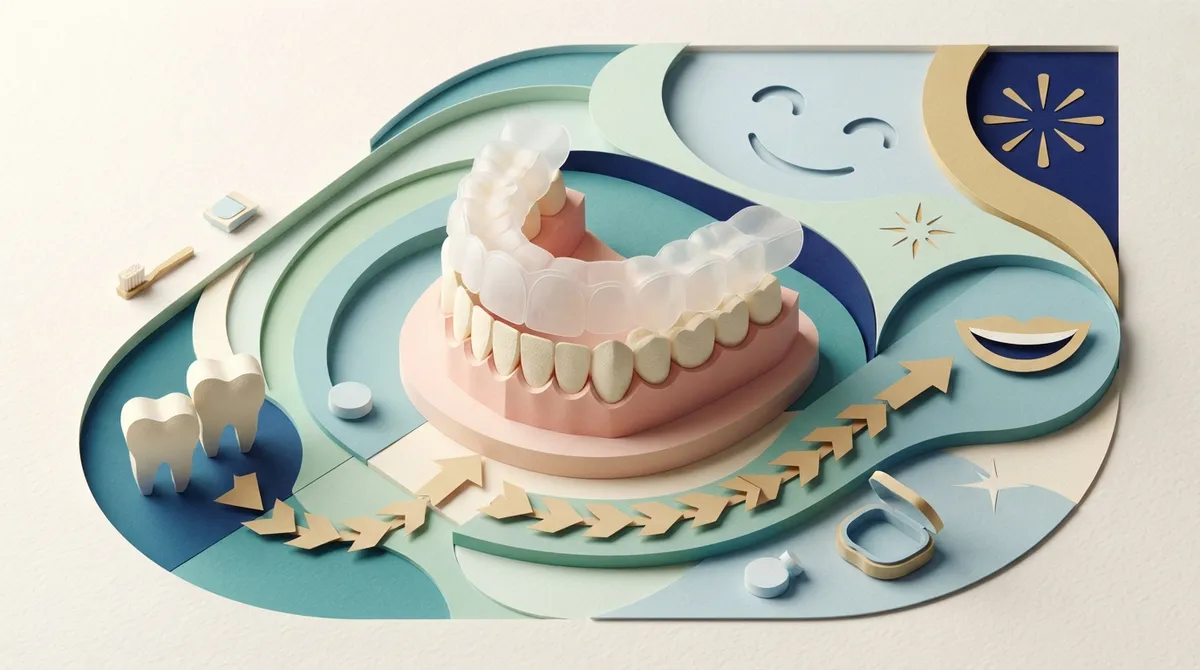
What Is a Plastic Retainer?
A plastic retainer is a clear, removable appliance that fits snugly over your teeth. You might hear your orthodontist call it an Essix retainer or a vacuum-formed retainer (VFR). Either way, it’s made by molding a thin sheet of clear plastic over a model of your teeth, or a digital scan taken right in the office.
Because it hugs your teeth so closely, a plastic retainer is much less noticeable than a Hawley retainer, which uses wires and acrylic. Many patients say they forget they’re even wearing one. That’s a huge win if you’re a teen heading back to school or an adult professional who wants a low-key option.
Here’s something important to understand: retainers don’t lock your teeth in place forever. Your teeth can still shift over time due to aging, gum changes, and everyday bite pressure. That’s why most orthodontists, including our team, recommend long-term or even lifelong retainer wear to protect your results.
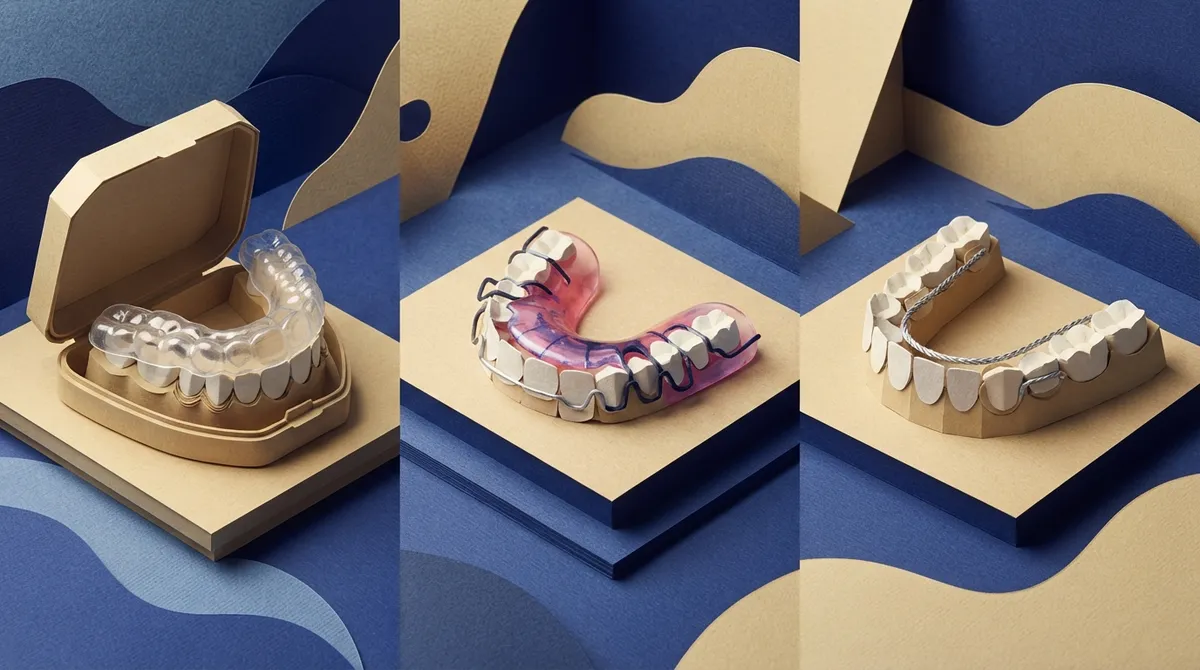
How Plastic Retainers Compare to Other Options
Not sure if a plastic retainer is right for you? Here’s a quick side-by-side look at how it stacks up against other common retainer types.
| Retainer Type | Visibility | Ease of Cleaning | Patient Compliance Needed |
|---|---|---|---|
| Plastic (Essix/VFR) | Very low | Easy to remove and clean | High |
| Hawley (wire and acrylic) | Moderate | Easy to remove and clean | High |
| Bonded (fixed wire) | Very low | Harder, needs floss threaders | Low (stays in place) |
A 2021 systematic review found that bonded and plastic retainers work about the same in the upper arch over time. But in the lower arch, results varied. Bonded retainers sometimes had more failures, while plastic retainers had fewer failures in some follow-up periods. The review also found that bonded retainers collected more plaque and calculus than plastic ones after 12 months. So the “best” choice really depends on your bite, your habits, and what your orthodontist recommends for you.
How Long Should You Wear Your Retainer Each Day?
This is one of the most common questions we hear at our Clearwater office. The honest answer? It depends on you. Many patients wear their retainer full-time right after treatment, then switch to nighttime-only wear after a few months. But your schedule might look different based on your original bite issue, your age, and how stable your results are.
Please don’t follow a generic schedule you found online. Your orthodontist knows your case best. If you’re unsure what schedule fits you, our team can walk you through it during a follow-up visit.
A Simple Step-by-Step for New Retainer Wearers
- Wear your retainer exactly as instructed for the first few weeks. This is when your teeth are most likely to shift back.
- Remove it before eating or drinking anything besides water.
- Clean it gently every day with cool water and a soft brush.
- Store it in its case whenever it’s out of your mouth.
- Bring it to your check-up appointments so your orthodontist can check the fit.
Caring for Your Plastic Retainer the Right Way
Plastic retainers are tough, but they’re not indestructible. A little daily care goes a long way toward making yours last. Here are some tips our patients find helpful:
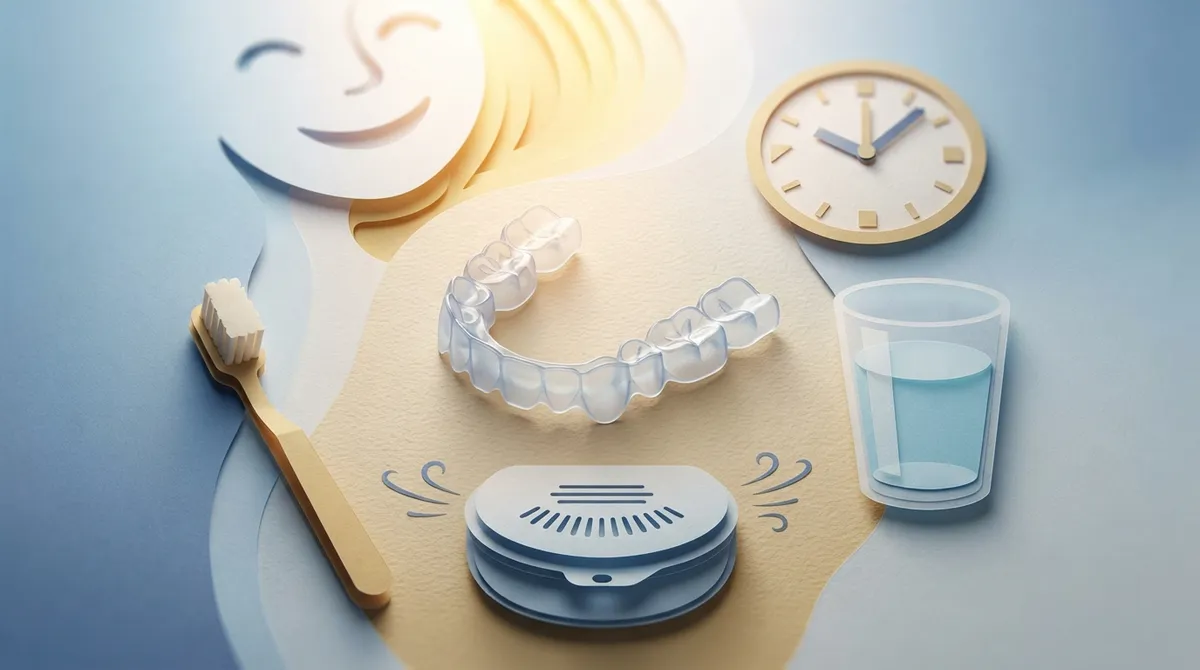
- Rinse your retainer with cool or lukewarm water after taking it out. Never use hot water, since heat can warp the plastic permanently.
- Brush it gently with a soft toothbrush. Skip the abrasive toothpaste, which can scratch the surface and make it cloudy.
- Use a retainer-cleaning tablet or solution a few times a week if your orthodontist recommends it.
- Keep it in a ventilated case, not wrapped in a napkin. Napkin-wrapped retainers get thrown away more often than you’d think!
- Avoid chewing gum, smoking, or drinking colored beverages while wearing it, since these can cause stains and odor.
Following these habits can help you avoid an unexpected trip in for a replacement. For more detailed guidance, check out the American Dental Association for general oral appliance care tips, or reach out to our office directly with questions.
Eating and Drinking With a Plastic Retainer
Good news: you don’t have to wear your retainer while eating dinner. In fact, you shouldn’t. Removing it for meals protects the plastic from cracking and keeps food particles from getting trapped against your teeth.
The same goes for drinks. Water is fine, but coffee, soda, and juice can stain the plastic or seep in and cause odor over time. If you’re out at a restaurant, just pop your retainer into its case, enjoy your meal, and put it back in afterward.
When to Replace a Damaged or Ill-Fitting Retainer
Plastic retainers don’t last forever. Over time, they can crack, warp, discolor, or simply stop fitting the way they used to. This can happen because of normal wear and tear, grinding your teeth at night, or accidentally leaving it somewhere too warm (like a hot car dashboard).
If your retainer feels loose, tight, cracked, or uncomfortable, don’t try to force it or fix it yourself. Trimming, reshaping, or disinfecting it with harsh chemicals can damage the material or make it unsafe to wear. Instead, give our team a call. We can check whether it needs a simple adjustment or a full replacement.
Ignoring a damaged retainer is one of the biggest mistakes patients make. Teeth can start shifting within days of inconsistent wear, especially soon after treatment. If you notice any changes, it’s always better to reach out early. You can get in touch with our team right away if something feels off.
Why Choose Brockway Orthodontics for Retainer Care
Dr. Brockway and our Clearwater team believe your orthodontic journey doesn’t end when your braces come off. It continues with proper retention, and we’re here to support you every step of the way. We offer custom-fitted retainers designed specifically for your smile, along with clear guidance on how to care for them.
We also offer Spark™ Clear Aligners, a more affordable alternative to other clear aligner brands, plus traditional metal and ceramic braces for patients of every age. Whether you’re a parent bringing in your teenager for their first set of braces, or an adult exploring discreet treatment options, our team takes time to explain everything in simple terms.
Dr. Brockway’s approach centers on listening first. She wants to understand your goals for your smile before recommending any treatment plan. This includes making sure you fully understand your retainer options and how to protect your results long after your last appointment. You can learn more about her approach on our Meet Dr. Brockway page.
We also use modern technology like digital impressions and 3D imaging, which means no messy molds and more precise, comfortable retainers. And because we know families are busy, we offer same-day treatment options whenever possible. Curious what other patients think? You can visit us on Google — Brockway Orthodontics to read real reviews from Clearwater families we’ve helped.
Preventing Odor, Cloudiness, and Buildup
Nobody wants a retainer that smells bad or looks cloudy. The good news is prevention is simple. Rinse your retainer every time you remove it, even if it’s just for a quick snack. Brush it daily with a soft brush, and soak it in a cleaning solution once or twice a week.
Avoid letting saliva and food particles sit on the plastic for long periods. This is often what causes that stale smell and yellowish tint over time. If you already notice buildup, a gentle soak in a retainer-cleaning tablet, following the package instructions, usually helps restore clarity. For more cleaning tips, the Florida Association of Orthodontists offers helpful patient resources on appliance care.
Frequently Asked Questions About Plastic Retainers
Still have questions? You’re definitely not alone. Retainer care can feel confusing at first, but our team at Brockway Orthodontics is always happy to help clarify anything you’re unsure about. Feel free to stop by, give us a call, or follow us on Instagram and Facebook for more smile tips and patient stories.
Ready to Protect Your New Smile?
Your smile took time, effort, and trust to create. A plastic retainer helps make sure it stays that way for years to come. Whether you’re finishing treatment soon or you need a replacement retainer, our Clearwater team is ready to help you keep smiling with confidence.
Ready to talk retainer options or schedule your next check-up? Book appointment online today and let Dr. Brockway and our friendly team take great care of your smile.
FAQs
Q: What is a plastic retainer and how does it work?
A: A plastic retainer is a clear, custom-made appliance that fits snugly over your teeth to hold them in place after braces or aligner treatment. It’s molded from a thin plastic sheet, so it’s practically invisible and super comfortable once you get used to it.
Q: How long do clear plastic retainers last?
A: With good care, most plastic retainers last one to two years before they need replacing. Things like grinding your teeth, skipping cleanings, or leaving it somewhere hot can shorten that lifespan quite a bit.
Q: Can I eat or drink while wearing a plastic retainer?
A: It’s best to take your retainer out before eating anything or drinking beverages other than water. This keeps the plastic from cracking and prevents stains or odor from building up.
Q: What should I do if my plastic retainer is cracked or no longer fits?
A: Don’t try to fix it yourself or force it onto your teeth. Give your orthodontist a call so they can check whether it needs an adjustment or a full replacement, since a damaged retainer can’t protect your smile properly.
Q: Can a plastic retainer move my teeth back if they’ve already shifted?
A: Standard plastic retainers are designed to hold your teeth in place, not move them. If your teeth have shifted, you’ll likely need a new retainer or a short round of treatment to correct the movement first.
Our Service Area