Key Takeaways
-
Most patients wear braces for 12-30 months, with 18-24 months being typical, but your exact timeline depends on factors like tooth crowding severity, age, appliance type, and whether extractions or surgery are needed.
-
Your cooperation directly impacts treatment length: attending all appointments, consistently wearing elastics, avoiding hard foods, and maintaining oral hygiene can help you finish closer to the shorter end of your timeline.
-
You'll need regular adjustment appointments every 4-10 weeks (typically 6-8 weeks), and wearing a retainer nightly after braces come off is essential to prevent teeth from shifting back.
-
Adult treatment may take slightly longer than teen treatment since adult jaws have finished growing, but mild cases with simple crowding can be completed in under 12 months.
If you’re wondering how long do you have braces, you’re definitely not alone! This is one of the most common questions we hear at our Clearwater office, whether it’s a parent booking their child’s first appointment or an adult finally ready to fix that smile they’ve been thinking about for years. The good news? While every mouth is different, there are some pretty reliable patterns that can help you get a sense of your own timeline.
Most patients wear braces for about 12 to 30 months, with the sweet spot landing somewhere around 18 to 24 months for a typical case. But that’s just the average. Your actual treatment time depends on a handful of factors that are unique to you, from how crowded your teeth are to how well you follow your orthodontist’s instructions along the way. Let’s break down exactly what affects your timeline, so you can walk into your consultation feeling informed and confident. And if you’re in the Clearwater area, our team at Brockway Orthodontics is always happy to give you a personalized estimate at your first visit.
1. The Average Braces Timeline Isn’t One-Size-Fits-All
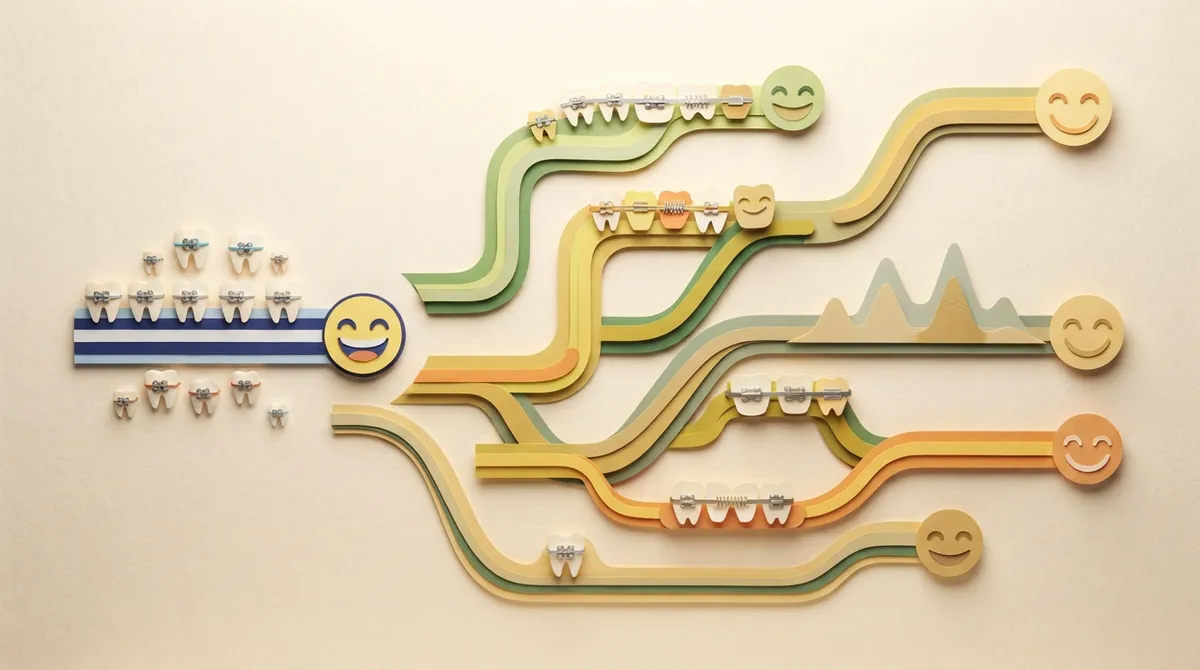
Let’s start with the numbers, because they’re genuinely helpful for setting expectations. According to the NHS, orthodontic treatment usually lasts between 12 months and 2.5 years. Cleveland Clinic reports a similar average of about two years for most patients wearing braces.
Here’s a quick breakdown of what influences where you’ll land on that spectrum:
- Mild crowding or small gaps: often finished in under 12 months
- Moderate bite or spacing issues: typically 18 to 24 months
- Complex cases involving jaw growth or impacted teeth: can take 3 years or longer
- Cases requiring extractions or surgery: usually on the longer end of the timeline
Newcastle Hospitals NHS Foundation Trust notes that many patients wear braces for two to three years, which lines up with what we typically see here at our Clearwater practice too. The bottom line? Nobody can give you an exact number until an orthodontist actually examines your teeth, bite, and jaw. That’s why a proper evaluation matters so much, and it’s something we take seriously during every consultation.
2. What Actually Determines Your Treatment Length
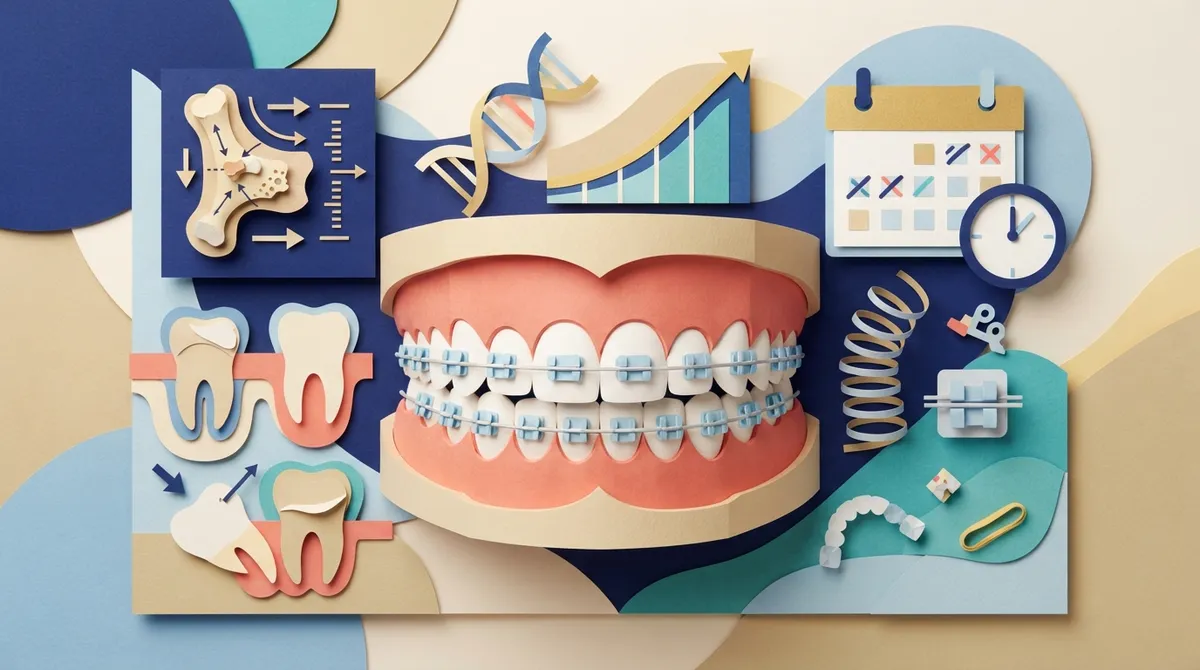
Think of your braces timeline like a recipe. Several ingredients go into the final result, and changing even one can shift things. Here are the biggest factors that determine how long you’ll be in braces:
Severity of Your Case
Simple crowding moves faster than complicated bite problems. If your teeth just need a little nudge into place, you’ll likely finish sooner than someone dealing with an overbite, underbite, or significant rotation issues.
Your Age and Growth
Growing kids and teens often respond to treatment differently than adults. Younger patients’ jaws are still developing, which can sometimes work in their favor for guided growth, especially with early treatment or adolescent treatment plans. Adult bones have finished growing, so movement can sometimes take a bit more patience.
Type of Appliance Used
Traditional metal braces, ceramic braces, and clear aligners like our Spark™ Clear Aligners can all achieve fantastic results, but the timeline can vary slightly depending on which option fits your case best. We’ll walk you through your braces options so you understand exactly what to expect.
Whether Extractions or Jaw Surgery Are Needed
Some cases need a tooth removed to create space, or in rarer situations, jaw surgery to correct a serious bite issue. These extra steps naturally add time to the overall process.
3. How Your Cooperation Impacts Your Timeline
Here’s something that surprises a lot of patients: you have more control over your treatment length than you might think! Missing appointments, skipping elastics, or breaking brackets can seriously slow things down.
Consider these common habits that can extend your time in braces:
- Missing scheduled adjustment appointments
- Not wearing rubber bands or other prescribed appliances consistently
- Eating foods that break brackets or bend wires
- Neglecting oral hygiene, which can lead to complications
- Skipping retainer wear after braces come off, causing teeth to shift back
On the flip side, patients who show up on time, follow instructions, and take care of their teeth often finish closer to the shorter end of their estimated timeline. It really is a team effort between you and your orthodontist!
4. How Often You’ll Visit the Orthodontist
Once your braces are on, you’ll settle into a rhythm of regular check-ins. Most patients attend adjustment appointments every 4 to 10 weeks, depending on their treatment stage and appliance type. Newcastle Hospitals NHS Foundation Trust reports that many patients are seen every 6 to 8 weeks, which is fairly typical across most orthodontic practices.
| Treatment Stage | Typical Visit Frequency | What Happens |
|---|---|---|
| Early Treatment | Every 6-8 weeks | Wire adjustments, monitoring movement |
| Mid Treatment | Every 4-8 weeks | Elastics check, bite correction progress |
| Final Phase | Every 4-6 weeks | Fine-tuning, preparing for removal |
| Retention Phase | Every 6-12 months | Retainer checks, long-term monitoring |
These visits are quick, but they’re incredibly important. Each one gives your orthodontist a chance to fine-tune your progress and catch any issues before they slow things down. If you’re due for a checkup, feel free to contact us and we’ll get you scheduled.
5. Life After Braces: Why Retainers Still Matter
Here’s a fact that catches a lot of people off guard: getting your braces off isn’t actually the finish line. Active tooth movement is just one phase of the process. After that, you’ll need to wear a retainer to keep your teeth from drifting back to their old positions.
Many orthodontists recommend wearing retainers nightly for the long term, sometimes indefinitely, to protect your investment. Think of it like this: braces do the heavy lifting, but retainers are what lock in those results for good. We cover everything you need to know about this final stretch in our retainers guide.
Skipping retainer wear is one of the biggest reasons people end up needing retreatment later in life. If you’ve been down this road before and are noticing your teeth shifting again, know that it’s a common issue and totally treatable. We see plenty of patients in Clearwater who come back for a refresh, and there’s no shame in that at all!
6. What You Can Do to Stay on Track
Ready to keep your treatment moving as smoothly as possible? Here are some simple habits that make a real difference:
- Show up to every scheduled appointment, even if you feel like things look fine
- Wear elastics or other appliances exactly as instructed
- Brush and floss thoroughly around brackets and wires
- Avoid sticky, hard, or crunchy foods that can damage your braces
- Speak up right away if something feels loose or broken
- Wear your retainer as directed once your braces come off
Following the American Dental Association’s oral hygiene guidelines during treatment can also help prevent cavities and gum issues that might otherwise slow your progress. It’s a small daily effort that pays off with a beautiful, healthy smile.
Getting an Accurate Timeline for Your Smile
The truth is, nobody can tell you exactly how long you’ll have braces without a proper exam. X-rays, photos, and a look at your bite all play a role in creating your personalized plan. Beware of anyone promising a super-fast fix without ever examining your teeth in person. Real treatment estimates come from real evaluations, not guesswork.
At Brockway Orthodontics, we believe every patient deserves a clear, honest answer about their treatment timeline. Dr. Brockway takes the time to explain your options, whether that’s traditional metal braces, ceramic braces, or Spark™ Clear Aligners, so you feel confident about the path ahead. We proudly serve families throughout Clearwater and the surrounding Pinellas County area, and we love being part of this community. You can check out the Florida Association of Orthodontists for more information on choosing a qualified provider in our state.
Curious what other patients say about their experience? Feel free to see what our Brockway Orthodontics patients say on Google, or follow along with real smile transformations on our Instagram and Facebook pages.
Ready to Find Out Your Personal Timeline?
Every smile tells a different story, and yours deserves a treatment plan built just for you. Whether you’re a parent exploring options for your child, a teen dreaming of straighter teeth before graduation, or an adult finally ready to invest in your smile, we’re here to help every step of the way. Our friendly team will walk you through the process, answer your questions, and give you a realistic timeline based on your unique needs.
Don’t wait to get the answers you deserve. Book your appointment online today and let’s map out your journey to a confident, healthy smile together!
FAQs
Q: How long do braces usually stay on?
A: Most patients wear braces for about 12 to 30 months, with many finishing somewhere around 18 to 24 months. Your exact timeline depends on your specific case, so an orthodontist’s evaluation is the best way to get a real answer!
Q: Can braces come off in less than a year?
A: Yes, some patients with mild crowding or small spacing issues can finish in under 12 months! It really comes down to how much movement your teeth need, so ask your orthodontist what’s realistic for your smile.
Q: Do braces take longer for adults than for teenagers?
A: Sometimes, yes. Adult jaws have finished growing, so tooth movement can take a bit more time compared to younger patients whose bones are still developing. That said, plenty of adults still see great results within a similar timeframe!
Q: How often do you have to visit the orthodontist while wearing braces?
A: You’ll typically visit every 4 to 10 weeks, with many practices scheduling appointments every 6 to 8 weeks. These quick check-ins help keep your treatment moving right on schedule.
Q: How long do you need to wear a retainer after braces?
A: Most orthodontists recommend wearing your retainer nightly for the long haul, sometimes indefinitely, to keep your teeth from shifting back. Think of it as the final, important step in protecting all the hard work you put into your new smile!
Our Service Area