Key Takeaways
-
Permanent retainers are thin wires bonded behind upper front teeth that provide continuous hold without daily effort, but have a 40-47% failure rate over time and require special cleaning techniques to prevent plaque buildup.
-
Good candidates for fixed retainers include patients with significant spacing, rotated teeth, higher relapse risk, or those unlikely to consistently wear removable retainers nightly.
-
Many orthodontists recommend dual retention combining both a fixed retainer and removable option for higher relapse risk cases to provide maximum protection against tooth shifting.
-
Permanent retainers require routine maintenance including floss threaders, interdental brushes, and professional cleanings; signs of failure like looseness, sharpness, or tooth movement warrant immediate orthodontist contact.
-
Schedule retention check-ups within three months of placement, then every 2-4 times during the first 1-2 years to catch small issues like loose bonding before teeth begin shifting.
-
A deep overbite can sometimes conflict with upper permanent retainers; orthodontists carefully assess bite compatibility before recommending fixed wire retention to avoid discomfort or pressure.
So you just finished braces or Spark™ clear aligners, and now your orthodontist is talking about retainers. Congrats, by the way! That new smile deserves a little celebration. But here’s a question we hear all the time at our Clearwater office: should you get a permanent retainer for your top teeth, or stick with a removable one? Great question, and honestly, there’s no one-size-fits-all answer. Let’s walk through it together, friend to friend.
A permanent retainer top teeth setup is a thin wire bonded behind your upper front teeth. It quietly holds your smile in place without you having to remember anything. Sounds pretty great, right? But it’s not the only option, and it’s not automatically the best choice for everyone. Both fixed and removable retainers have real pros and real trade-offs. By the end of this article, you’ll feel confident knowing which path fits your life, your smile, and your goals. Let’s dig in.
What Is a Permanent Retainer for Top Teeth?
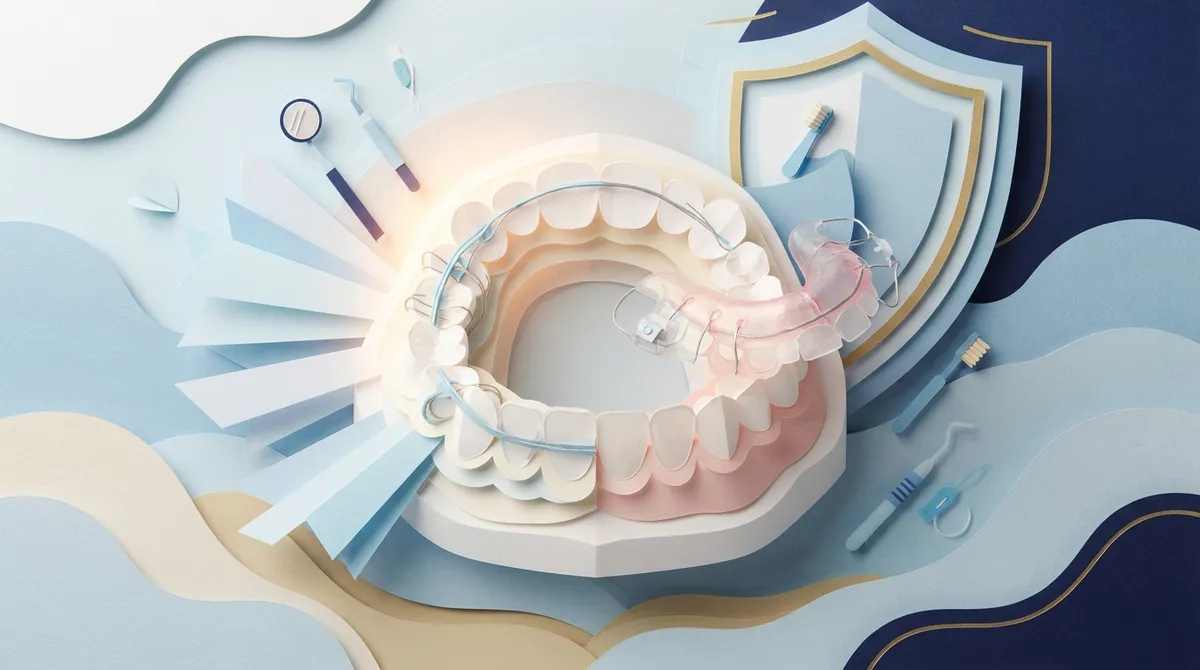
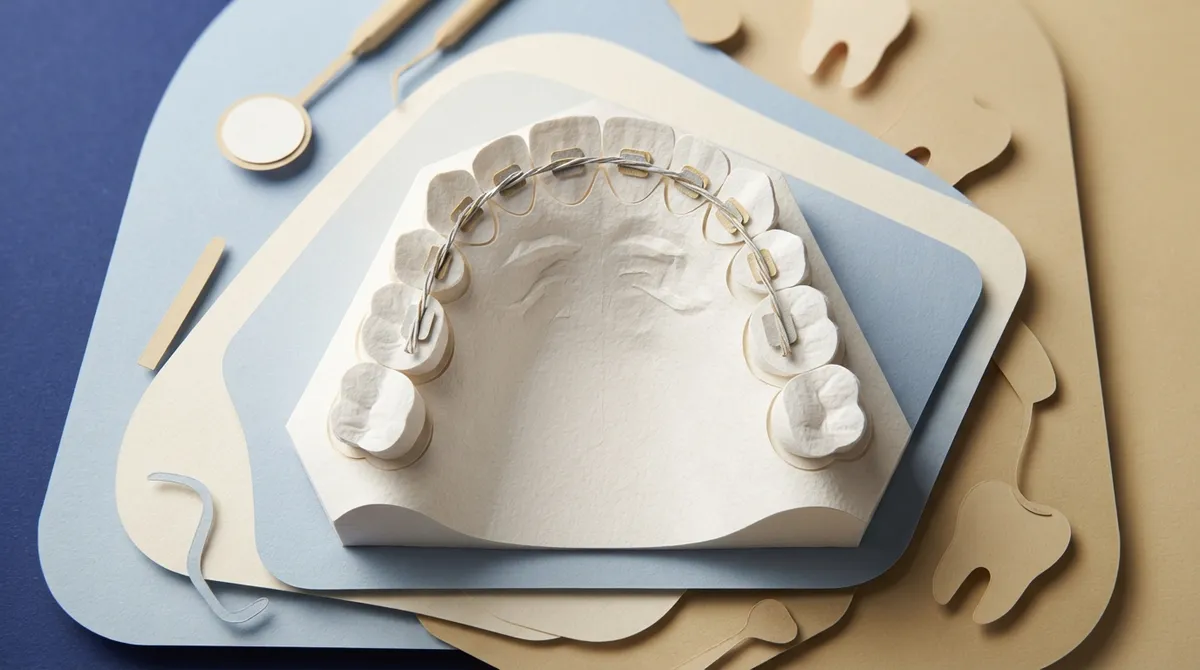
A permanent retainer, sometimes called a fixed or bonded retainer, is a thin wire glued to the back side of your upper front teeth. It sits right behind your teeth, tucked away from view, using a special dental adhesive called composite.
For the top arch, this wire usually stretches from canine to canine, meaning it touches your six front teeth. In some cases, your orthodontist may bond it to fewer teeth, depending on your bite and original alignment issues. If you had a lot of rotation or spacing before treatment, your orthodontist might recommend bonding all six teeth for extra stability.
The whole point of this little wire is simple: it stops your teeth from drifting back to their old positions. Teeth are sneaky. Even after months of wearing braces or aligners, they still “remember” where they used to sit. A permanent retainer acts like a quiet guardian, keeping everything exactly where it should be.
Permanent vs. Removable: The Real Differences
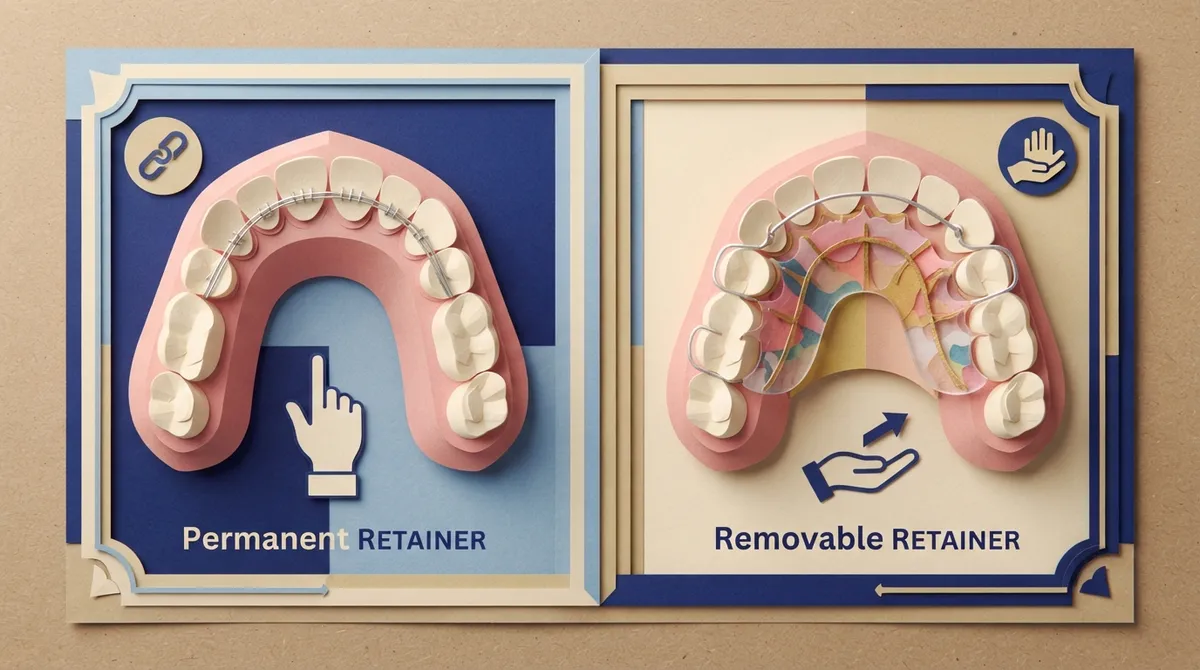
Let’s be real with each other. Both permanent and removable retainers do the same basic job: they keep your teeth from shifting after treatment. But how they do that job looks pretty different day to day.
| Feature | Permanent (Fixed) Retainer | Removable Retainer |
|---|---|---|
| Visibility | Hidden behind teeth, very discreet | Visible when worn, especially clear plastic types |
| Daily Effort | None, it’s always there | Must remember to wear it consistently |
| Cleaning | Requires floss threaders or interdental brushes | Easy to remove and clean separately |
| Durability | Can break or debond over time | Can crack, warp, or get lost |
| Best For | Higher relapse risk, spacing, rotations | Lower relapse risk, easier hygiene |
Neither option is “wrong.” It really comes down to your bite, your original orthodontic issues, and how good you are at sticking with a nightly routine. This is exactly the kind of conversation Dr. Brockway loves having with patients during their first visit and follow-up appointments.
Why Orthodontists Recommend Fixed Retainers for Some Patients
Here’s the thing about relapse. Teeth shift naturally with age, and they shift even more if there was significant spacing, crowding, or rotation before treatment. A permanent retainer offers non-stop protection, which some patients simply need more than others.
Think about it this way: if you had a noticeable gap between your front teeth before treatment (called a diastema), that gap has a strong tendency to reopen. A fixed wire behind your teeth acts like a seatbelt, keeping that space closed for good.
According to the American Dental Association, good retention habits are just as important as the active treatment phase. Skipping retainer wear, whether removable or fixed, is one of the top reasons smiles relapse after braces or aligners.
Good Candidates for a Top Permanent Retainer
- Patients who had significant spacing or a gap between front teeth
- Patients with rotated teeth before treatment
- Anyone with a higher risk of relapse based on their bite
- People who know they won’t remember to wear a removable retainer nightly
- Patients wanting a discreet, invisible retention option
The Not-So-Fun Truth: Permanent Doesn’t Mean Forever
Here’s something we want you to know upfront, because honesty matters to us. A “permanent” retainer isn’t actually permanent for life. The name is a little misleading, and we want you to go in with realistic expectations.
Research tells us a lot about how these wires hold up over time. A 2020 systematic review found that upper fixed retainers fail at a rate of around 41%, and lower fixed retainers around 36%. The British Orthodontic Society reports failure rates as high as 47% in some cases, especially for upper front teeth when a deep overbite is involved.
What does “failure” mean here? It could mean the wire breaks, the bonding glue lets go, or the wire becomes bent or distorted. None of this is anyone’s fault. It’s just part of having a small appliance in your mouth for years at a time. The good news? Most issues are quick, simple fixes when caught early.
Signs Your Permanent Retainer Needs Attention
- The wire feels loose or wiggly when you touch it with your tongue
- You notice a sharp or poking sensation behind your teeth
- One section of the wire looks bent or twisted
- A tooth feels like it’s moving slightly
- You see the wire has come away from one or more teeth
If you notice any of these signs, don’t wait around. Give your orthodontist a call right away. Leaving a broken retainer unattended can allow teeth to shift quickly, sometimes within just a few weeks. If you’re local to the area, our team can walk you through what to do if your retainer breaks so you’re never caught off guard.
Cleaning Around a Permanent Retainer (It’s Worth the Extra Effort)
Let’s talk hygiene for a second, because this is where a lot of patients get nervous. Cleaning around a bonded wire does take a bit more effort than brushing normal teeth. But don’t worry, it becomes second nature after a few weeks.
Here’s a simple routine that works well for most patients:
- Brush gently along the top and bottom of the wire, angling your brush to reach behind it
- Use a floss threader or orthodontic floss pick to get underneath the wire itself
- Try an interdental brush (the tiny bottle-brush style) for tight spots between teeth
- Rinse with an antibacterial mouthwash to help reduce leftover plaque
- Visit your dentist regularly for professional cleanings around the wire
Studies comparing bonded retainers to removable ones found that fixed wires tend to collect more plaque and calculus over about 12 months if cleaning isn’t consistent. That’s not meant to scare you, it’s just a reminder that a little extra care goes a long way. Skipping proper cleaning can lead to gum irritation or even early gum disease around the wire.
Does a Permanent Retainer Affect Your Bite or Speech?
This is a fair worry, especially for adults balancing busy careers and social lives. Here’s the honest answer: it depends on your bite.
If you have a deep overbite, meaning your top teeth cover a lot of your bottom teeth when you bite down, a fixed retainer on the top arch can sometimes get in the way. Your orthodontist will check this carefully before recommending a fixed wire, since the bite needs enough room for the retainer without causing pressure or discomfort.
As for speech, most patients adjust within just a few days. The wire is thin and sits close to the tooth surface, so it rarely causes a noticeable lisp or speech change. If anything feels off after a week or two, mention it at your next visit.
Fixed, Removable, or Both? How Orthodontists Decide
Clinical guidelines don’t point to one single “best” retention method for every patient. Instead, the decision comes down to your personal relapse risk, oral hygiene habits, and treatment history.
Here’s a general breakdown many orthodontists follow:
- Lower relapse risk: A removable retainer, like a clear vacuum-formed tray, is often enough
- Moderate relapse risk: A fixed retainer alone may do the job well
- Higher relapse risk: Many orthodontists recommend both a fixed retainer and a removable one for double protection
This “dual retention” approach gives you the best of both worlds: the constant hold of a bonded wire, plus the extra reinforcement of a removable retainer worn at night. It’s a strategy Dr. Brockway often discusses during retention planning, especially for patients who had more complex orthodontic treatment like correcting significant crowding or spacing.
How Often Should You See Your Orthodontist for Retainer Checks?
Clinical guidelines suggest your first retention check should happen within three months of getting your retainer placed. After that, plan on two to four check-ups during your first one to two years of retention, depending on your specific risk level and how your wire is holding up.
These visits aren’t just a formality. They’re your chance to catch small issues, like a slightly loose bond, before they turn into bigger problems. Think of it like a regular oil change for your car. A little maintenance now saves you from a much bigger headache later.
If you’re due for a check-up or just have questions about your retainer, our friendly team would love to help. You can Contact us anytime to schedule a visit.
Cost Considerations for Top Permanent Retainers
We know cost is always part of the conversation, and we believe in being upfront about it. The price of a permanent retainer can vary based on how many teeth are bonded, the type of wire used, and whether repairs are needed down the road.
The good news is that most orthodontic offices, including ours, offer flexible payment options to make retention care fit your budget. We want cost to never stand between you and a smile that lasts. Check out our financing and insurance options to see what works best for your family.
Why Choose Brockway Orthodontics for Your Retention Plan?
At Brockway Orthodontics in Clearwater, Florida, Dr. Brockway takes retention just as seriously as active treatment. After all, what’s the point of a beautiful new smile if it doesn’t stay that way? Our team walks you through every option, whether that’s a permanent retainer, a removable one, or a combination of both, so you feel fully informed and confident in your choice.
We also treat entire families here, from teens getting their very first braces to adults exploring Spark™ Clear Aligners for a more affordable and discreet path to straighter teeth. Whatever stage of your smile journey you’re in, we’re here to support you with modern technology, same-day options when possible, and genuine care for your long-term results. Curious what other patients say about their experience? Feel free to visit us on Google — Brockway Orthodontics and read real reviews from our Clearwater community.
We also stay connected with our patients and community through social media. Follow along on Instagram or check out our updates on Facebook for smile transformations, tips, and a peek into life at our practice. You can also connect with us on LinkedIn to learn more about our team’s credentials and community involvement.
Bringing It All Together
Choosing between a permanent retainer for your top teeth and a removable option isn’t about picking the “best” retainer in general. It’s about picking the best retainer for you. Your bite, your original orthodontic issues, and your daily habits all play a role in that decision.
The research is clear on one thing: neither option guarantees zero maintenance. Fixed retainers need careful cleaning and occasional repairs. Removable retainers need consistent wear and a case to keep them safe. Whatever you choose, the goal stays the same, protecting the smile you worked so hard to achieve.
For more guidance specific to Pinellas County families, the Florida Association of Orthodontists offers helpful resources on orthodontic care standards across our state.
Ready to talk retention options with someone who genuinely cares about your smile’s future? Our Clearwater team is here for you. Book appointment online today and let’s make sure your beautiful new smile sticks around for the long haul.
FAQs
Q: What is a permanent retainer for the top teeth?
A: It’s a thin wire bonded behind your upper front teeth using dental adhesive. It quietly holds your smile in place without needing to be removed each day, which makes it a favorite for busy patients who want set-it-and-forget-it retention.
Q: How long does a permanent upper retainer last?
A: It really varies! Some patients keep the same wire for many years, while others need a repair or replacement sooner. Studies show failure rates around 40% over time, so regular check-ups help catch issues early before they become bigger problems.
Q: Can upper permanent retainers damage teeth or gums?
A: Not when they’re cared for properly. The main risk comes from plaque buildup if cleaning gets skipped, which can lead to gum irritation. That’s why we always teach patients simple daily habits like using floss threaders and interdental brushes.
Q: Is a permanent retainer better than a removable retainer for upper teeth?
A: Neither one wins across the board, it really depends on you! Fixed retainers work great for higher relapse risk, while removable ones suit patients with excellent hygiene habits and lower risk. Many people even get both for extra protection.
Q: What should I do if my top permanent retainer comes loose?
A: Don’t panic, but don’t wait either. Give your orthodontist a call as soon as you notice looseness, sharp edges, or any shifting in your teeth. Quick action helps prevent your smile from drifting back to its old position.
Our Service Area