Key Takeaways
-
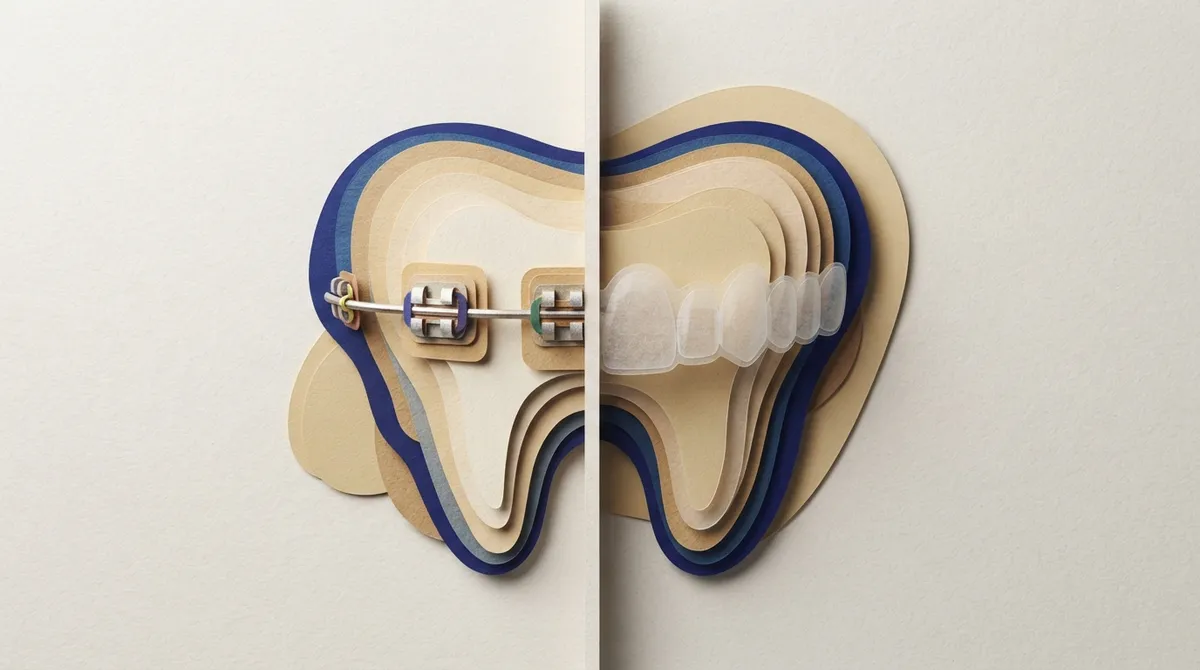
Neither braces nor Invisalign is universally superior: 2025 research found no significant difference in tooth alignment or bite quality outcomes, meaning the best choice depends on your specific case complexity and lifestyle.
-
Clear aligners require 20-22 hours daily wear and work best for mild-to-moderate crowding without extractions, while traditional braces are more predictable for severe cases, extractions, and complex bite problems.
-
Clear aligners offer better oral hygiene during treatment with lower plaque and gum inflammation scores compared to braces, making them ideal for patients concerned about dental health maintenance.
-
A professional orthodontic exam with digital scans and X-rays is essential before deciding; marketing claims about speed or superiority should be verified by a licensed orthodontist who understands your full oral health picture.
If you’re staring at your bathroom mirror wondering whether metal braces or clear aligners will finally give you that confident smile, you’re definitely not alone. This is one of the most common questions patients bring to our Clearwater office, and honestly, we love talking about it. The truth is, there’s no single “winner” between braces and Invisalign-style clear aligners. What works beautifully for your neighbor’s teenager might not be the right fit for your own smile goals.
At Brockway Orthodontics, we’ve guided hundreds of families through this exact decision. Dr. Brockway believes that great orthodontic care starts with honest conversations, not one-size-fits-all answers. So let’s break down what really matters when comparing braces and clear aligners, using the latest research and real-world experience to help you make a smart, confident choice.
What the Research Actually Says
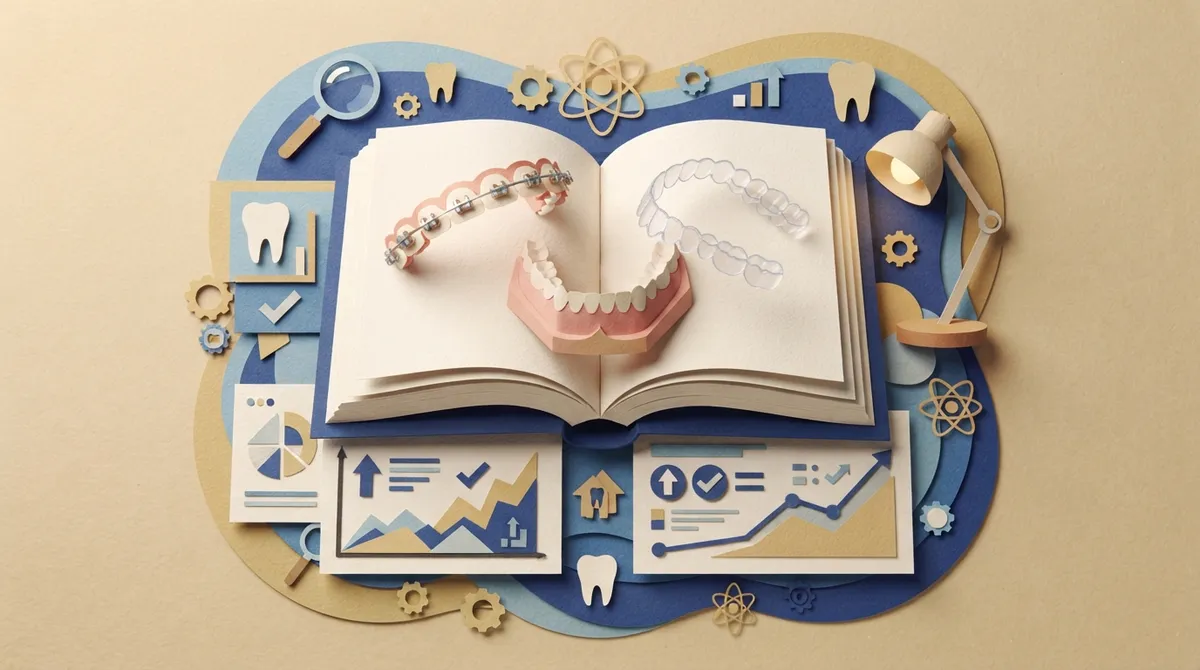
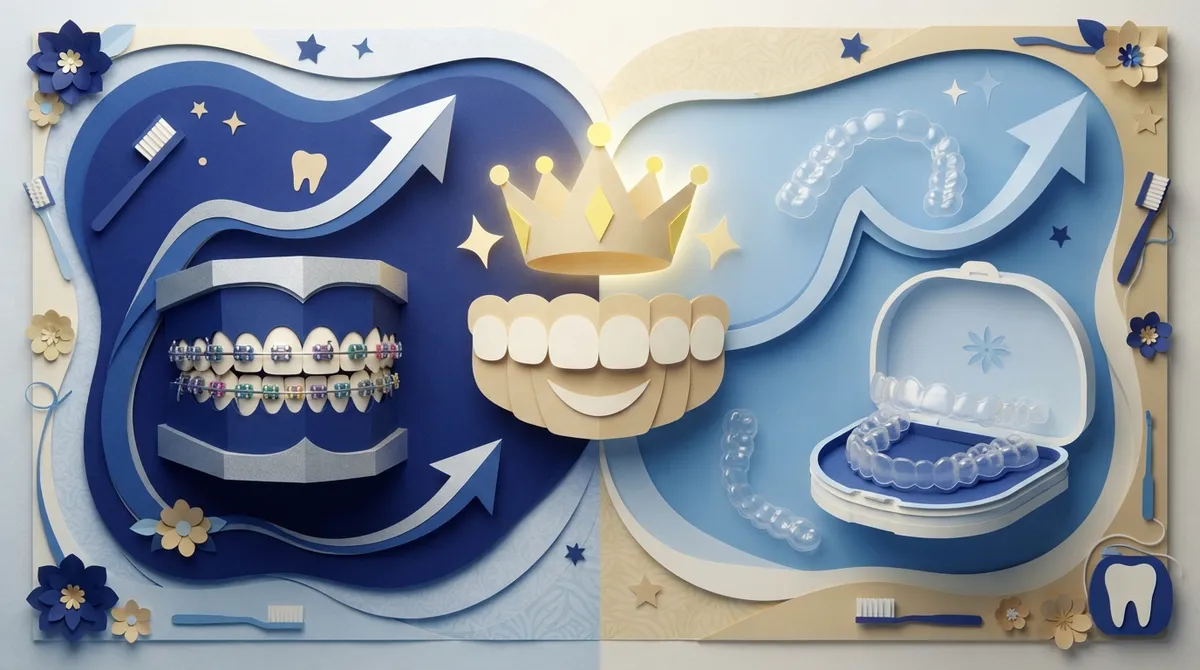
Before we dive into specifics, let’s talk numbers. A 2025 systematic review and meta-analysis compared fixed braces to clear aligners across several key measures, including tooth alignment scores and bite quality. The surprising result? No significant difference showed up in most outcomes, though researchers noted the evidence quality was still low. This means both options can work well, but neither one is automatically superior for every case.
Where clear aligners did shine was in oral hygiene. The same 2025 study found lower plaque, gum inflammation, and bleeding scores with aligners compared to braces. That’s a meaningful benefit for anyone worried about keeping their teeth healthy during treatment. However, a separate 2024 systematic review found that fixed braces sometimes outperform aligners for specific movements, like correcting how much the lower front teeth tip forward.
When Braces Usually Win
Traditional braces have been trusted for decades because they offer serious control. If your case involves complicated tooth movement, braces are often the more predictable choice. Here’s when your orthodontist might steer you toward braces:
- Severe crowding or significant rotations that need precise correction
- Teeth that require extraction before straightening
- Impacted teeth that haven’t fully emerged
- Major bite problems, including deep bites or skeletal discrepancies
- Cases needing substantial vertical or torque adjustments
Braces stay fixed to your teeth the entire time, so they don’t rely on you remembering to wear them. This makes them a dependable option for younger patients or anyone who might struggle with consistency. If you’re weighing your options for a teen, our guide on adolescent treatment covers what to expect at every age and stage.
When Clear Aligners Shine
Clear aligners have exploded in popularity, and it’s easy to see why. They’re nearly invisible, removable, and fit smoothly into busy adult lives. A 2019 systematic review found that aligners work well for many non-extraction cases, particularly mild to moderate crowding and spacing issues.
Here’s when clear aligners tend to be the better fit:
- You have mild to moderate crowding or spacing between teeth
- Your case doesn’t require tooth extraction
- You want a treatment option that’s easy to remove for eating and cleaning
- You’re committed to wearing your aligners 20 to 22 hours daily
- Appearance and discretion matter deeply to your lifestyle or career
At Brockway Orthodontics, we offer Spark™ Clear Aligners as a more affordable alternative to traditional clear aligner brands. Many of our Clearwater patients love that they get the same discreet, comfortable experience without stretching their budget. If you’re curious how Spark compares to other aligner systems, check out our post on Spark Clear Aligners vs Invisalign.
Braces vs Clear Aligners: A Side-by-Side Look
| Factor | Traditional Braces | Clear Aligners |
|---|---|---|
| Best for complex cases | Yes, highly reliable | Limited for severe issues |
| Visibility | Noticeable metal or ceramic | Nearly invisible |
| Removable for eating | No | Yes |
| Oral hygiene ease | More challenging | Generally easier |
| Compliance required | Low (fixed in place) | High (20-22 hrs/day) |
| Comfort during adjustment | Some soreness expected | Some soreness expected |
Answering the Big Questions Patients Ask Us
Does Invisalign Fix Overbites and Crossbites?
Clear aligners can correct many bite issues, including some overbites, crossbites, and spacing problems. However, severe cases involving skeletal discrepancies may respond better to braces or additional appliances. This is exactly why a thorough exam matters so much before starting treatment. Learn more about how we approach these concerns in our article on how braces fix a deep overbite.
Is Treatment Faster With Aligners?
Not necessarily. Treatment time depends on your specific case, not just the appliance type. Marketing claims that aligners are always quicker should be taken with a grain of salt. Your orthodontist can give you a realistic timeline based on your actual needs, not generic promises.
Which Hurts More?
Both options can cause temporary soreness, especially right after adjustments or when switching to a new aligner tray. Most patients describe the discomfort as mild and manageable, easing within a few days each time.
Steps to Decide What’s Right for You
Choosing between braces and clear aligners doesn’t have to feel overwhelming. Follow these steps to make a confident decision:
- Schedule a comprehensive exam that includes photos, digital scans, and possibly X-rays
- Discuss your daily habits, including your ability to wear removable trays consistently
- Ask about treatment goals, including how complex your case really is
- Compare costs and financing options for both treatments
- Consider your lifestyle, whether that’s professional meetings, sports, or teenage social life
- Trust your orthodontist’s recommendation based on your unique smile
Your first visit is the perfect time to ask every question on your mind. We walk you through exactly what happens during your first visit so nothing feels like a surprise.
Why Professional Guidance Matters More Than Marketing
It’s tempting to choose based on advertisements or what looks trendiest on social media. But your smile deserves better than guesswork. According to the American Dental Association, orthodontic treatment should always be planned and monitored by a licensed professional who understands your full oral health picture.
The Florida Association of Orthodontists also emphasizes that patients benefit most when treatment plans are customized rather than chosen off a menu. This is exactly how Dr. Brockway approaches every single patient who walks through our doors.
We proudly serve families throughout Clearwater and the greater Pinellas County area, offering both traditional braces and modern clear aligner therapy. Whether you’re a parent bringing in your first grader or an adult professional ready for a smile upgrade, our services are designed around your unique needs.
What Happens After Treatment Ends
No matter which option you choose, your smile’s journey doesn’t end when your braces come off or your last aligner tray is finished. Teeth naturally want to shift back over time, which is why retainers are such a critical part of long-term success. We’ll walk you through exactly how to protect your investment and keep that new smile looking its best for years to come.
Real Stories, Real Smiles
Nothing beats hearing from patients who’ve walked this path themselves. We love celebrating our community’s smile transformations, and you can follow our journey on Facebook or check out before-and-after photos on Instagram. You can also connect with our team professionally through LinkedIn to learn more about our practice and our approach to patient care.
Curious what your neighbors are saying? Feel free to visit us on Google — Brockway Orthodontics and read real reviews from real Clearwater families who’ve trusted us with their smiles.
Your Next Step Toward a Confident Smile
So, are braces better than Invisalign-style clear aligners? The honest answer is: it depends entirely on you. Your bite, your lifestyle, your budget, and your personal goals all play a role in finding the right fit. That’s exactly why Dr. Brockway takes the time to really listen before recommending any treatment plan.
Ready to find out which option fits your smile best? Book appointment online today and let’s start mapping out your path to a healthier, more confident smile together. Have questions first? Contact us anytime, we’re always happy to help.
FAQs
Q: Are braces more effective than Invisalign for severe crowding?
A: Yes, in most cases! Traditional braces generally offer more predictable control for severe crowding and complex tooth movements. That said, some moderate crowding cases respond really well to clear aligners too, so it’s worth getting a personalized evaluation before ruling anything out.
Q: Can Invisalign fix overbites, underbites, and crossbites?
A: Clear aligners can definitely help with many bite issues, especially milder cases of overbites, crossbites, and spacing problems. For more severe or skeletal-related bite concerns, braces or additional appliances might work better, so a thorough exam really is key here.
Q: How many hours a day do I need to wear Invisalign-style aligners?
A: Most orthodontists recommend wearing your aligners for about 20 to 22 hours daily for the best results. Think of it like this: the more consistently you wear them, the faster and smoother your treatment tends to go!
Q: Do braces or clear aligners hurt more?
A: Honestly, both can cause some mild soreness, especially right after adjustments or when starting a new aligner tray. The good news is this discomfort is temporary and usually fades within a few days each time your treatment progresses.
Q: Are braces or Invisalign more expensive?
A: Costs vary quite a bit depending on your specific case, treatment length, and provider. We offer Spark™ Clear Aligners as a more budget-friendly alternative to other clear aligner brands, so we’re happy to walk you through all your options during a consultation.
Our Service Area