Key Takeaways
-
Teeth naturally drift back toward their original position after orthodontic treatment, so wearing a clear plastic retainer consistently is essential to maintain your results and prevent relapse.
-
Most patients should wear their retainer full-time immediately after treatment, then transition to nighttime-only wear after a few months, with long-term retention often continuing indefinitely since teeth can shift throughout adulthood.
-
Clean your retainer daily with cool water and a soft toothbrush, use retainer-cleaning products weekly, and never expose it to hot water as heat can warp the plastic and ruin the fit.
-
Clear plastic retainers are nearly invisible, easy to remove for eating and cleaning, and offer similar effectiveness to other retainer types like Hawley or bonded retainers for maintaining tooth alignment.
-
Most patients need retainer replacement every one to two years due to normal wear and aging of the plastic, and you should contact your orthodontist immediately if your retainer cracks, doesn't fit properly, or causes persistent soreness.
-
If your clear retainer becomes cloudy or develops an odor that doesn't disappear after cleaning, this signals inadequate cleaning and requires more thorough daily maintenance with proper retainer-cleaning products.
So you finally got your braces off, or you just finished your last set of clear aligner trays. Congratulations! That new smile took real work, and you should be proud. But here’s a little secret: the job isn’t quite done yet. A clear plastic retainer is about to become your smile’s best friend, and understanding how it works can save you a lot of headaches down the road.
At Brockway Orthodontics in Clearwater, we see patients every week who have questions about their retainers. Some just finished treatment. Others are wondering why their old retainer suddenly feels tight. Whatever brought you here, this guide will walk you through everything you need to know about clear plastic retainers, backed by real research and years of hands-on experience helping smiles stay put.
1. What a Clear Plastic Retainer Actually Is
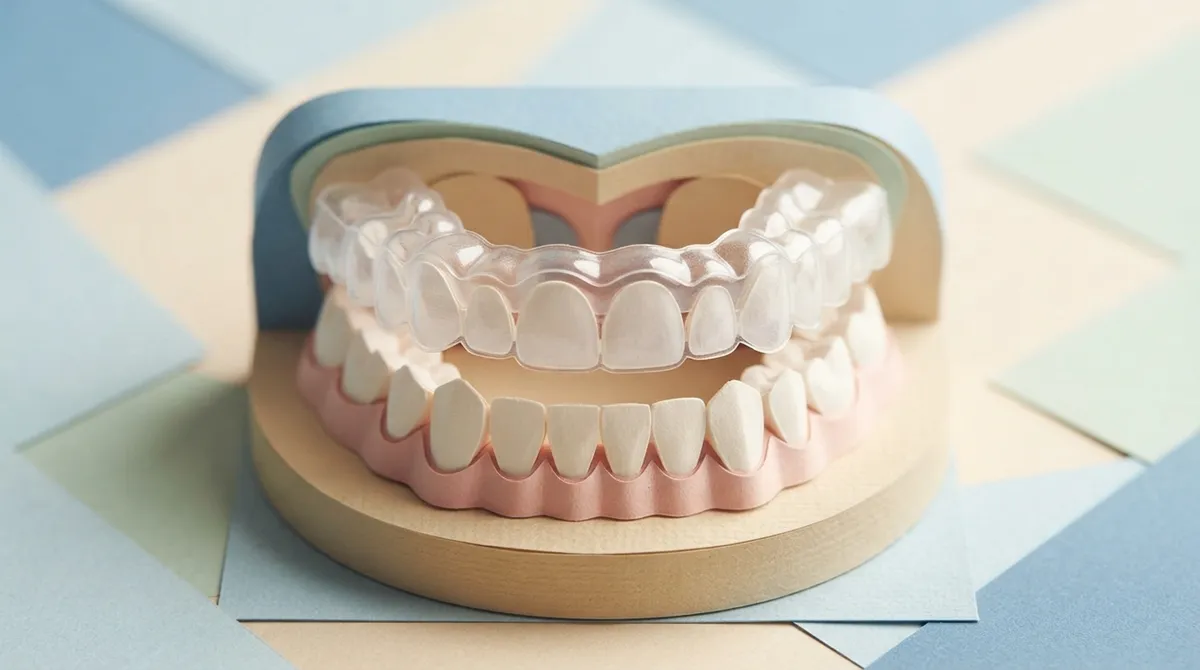
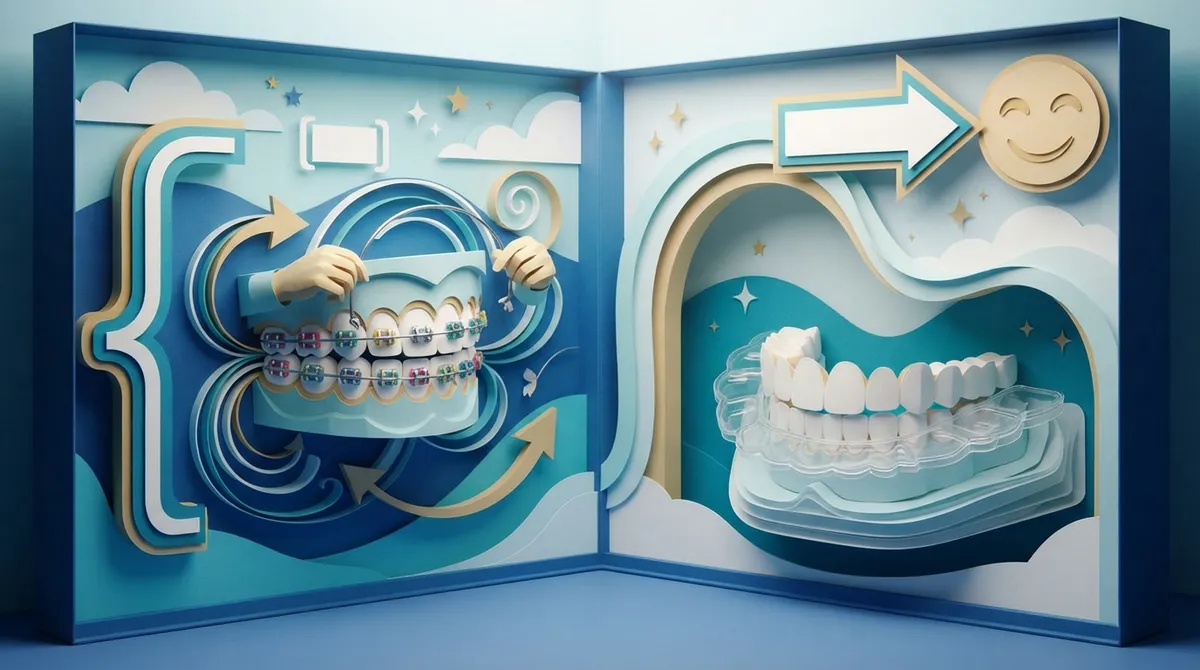
A clear plastic retainer is a custom-made appliance that fits snugly over your teeth. Orthodontists often call it a vacuum-formed retainer, or sometimes an Essix-style retainer. It’s molded from either a physical impression of your teeth or a digital scan, so it hugs your smile perfectly.
This is not the same thing as a clear aligner that moves your teeth. Aligners are active tools designed to shift teeth into new positions. A clear plastic retainer has a different job: keeping your teeth exactly where they are after treatment ends. Think of aligners as movers and retainers as the security guards who make sure nothing wanders off.
2. Why You Need One After Braces or Aligners
Your teeth just spent months, maybe years, moving into a beautiful new position. But teeth are stubborn. They have a natural tendency to drift back toward where they started, a process called orthodontic relapse. A clear plastic retainer holds everything in place while your bone and gum tissue adjust to the new alignment.
This isn’t just theory. It’s basic biology. Your teeth sit in a living, changing environment. Without something holding them steady, months of hard work could slowly slip away. That’s why finishing your braces treatment or Spark™ Clear Aligners journey isn’t really the finish line. Retention is the final, essential step.
3. The Real Advantages of Clear Retainers
Patients love clear plastic retainers for good reason. They offer some real perks over other retainer types.
- Nearly invisible: Most people won’t even notice you’re wearing one.
- Easy to remove: You can take it out to brush, floss, eat, or take photos.
- Accurate fit: It’s molded to match your exact smile right after treatment.
- Comfortable: No metal wires poking your cheeks or lips.
- Simple to clean: A quick rinse and brush keeps it fresh.
These benefits make clear retainers a popular choice for teens heading into graduation season and adult professionals who want a discreet solution that fits their busy lives.
4. How Long You Should Wear Your Retainer
This is probably the most common question we hear. The honest answer? It depends on your specific case, and only your orthodontist can give you exact instructions. That said, most treatment plans follow a general pattern.
- Full-time wear: Right after treatment, you’ll likely wear your retainer almost all day and night, removing it only to eat and clean your teeth.
- Transition period: After a few months, many patients move to nighttime-only wear.
- Long-term maintenance: Nighttime wear often continues indefinitely, since teeth can shift throughout your entire adult life.
Research backs up the idea that consistent wear matters more than any single universal schedule. A systematic review of wearing protocols found no major differences in alignment outcomes between full-time and part-time wear over six months to a year. But that doesn’t mean you should skip your orthodontist’s specific instructions. Every smile is different, and your risk of relapse depends on your original bite issues, your habits, and your bone structure.
5. Why Retention Really Is a Lifetime Commitment
Here’s something that surprises a lot of patients: your teeth don’t just stop moving once you hit adulthood. Bone remodeling, natural aging, tooth wear, and even pressure from your lips, cheeks, and tongue all continue to affect your smile over the years.
This is why so many orthodontists recommend some form of long-term retainer wear, even if it’s just a few nights a week once things stabilize. Skipping this step is one of the biggest reasons people end up needing retreatment for crooked teeth later in life. If you’ve been down this road before, you already know how frustrating it feels to see your progress fade.
6. How to Clean Your Clear Plastic Retainer the Right Way
Cleaning your retainer properly keeps it clear, fresh, and free of bacteria. Follow these simple steps every day.
- Rinse your retainer with cool or lukewarm water right after removing it.
- Gently brush it with a soft toothbrush, avoiding your regular toothpaste since it can scratch the plastic.
- Use a retainer-cleaning product or mild soap once or twice a week for a deeper clean.
- Never use hot water. It can warp the plastic and ruin the fit.
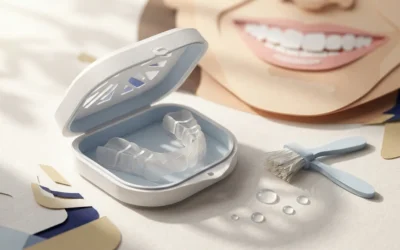
- Store it in its case whenever it’s not in your mouth, away from napkins or pockets where it might get lost or crushed.
A little daily care goes a long way toward keeping your retainer working properly and smelling fresh.
7. Comparing Clear Retainers to Other Retainer Types
Clear plastic retainers aren’t the only option out there. Hawley retainers, made of acrylic and metal wire, and fixed bonded retainers, which are cemented behind your teeth, are both common alternatives. Here’s how they stack up.
| Retainer Type | Appearance | Removability | Best For |
|---|---|---|---|
| Clear Plastic (Vacuum-Formed) | Nearly invisible | Fully removable | Patients wanting a discreet, easy-clean option |
| Hawley Retainer | Visible wire and acrylic | Fully removable | Patients needing durability and adjustability |
| Fixed Bonded Retainer | Hidden behind teeth | Not removable by patient | Patients who worry about consistent wear |
A 2024 systematic review and meta-analysis, which included 22 studies and 1,797 patients, found low- to moderate-quality evidence that vacuum-formed retainers work about as well as Hawley retainers for maintaining arch width, arch length, and alignment. The same review found that clear retainers and fixed retainers had similar effects on arch dimensions overall, though fixed retainers showed a slight statistical edge for lower-arch alignment. That difference, however, wasn’t considered clinically meaningful.
8. What the Research Says About Wear Time and Relapse
One Cochrane evidence summary found that part-time clear removable retainers were linked to slightly more lower-arch relapse compared to fixed multistrand retainers, with a mean difference of 0.92 mm on a standard alignment scale. That same review, however, reported better gum health outcomes with clear removable retainers, alongside a higher chance of retainer failure compared to fixed options.
What does this mean for you? It means there’s no single “best” retainer for every patient. The right choice depends on your original bite problem, your risk of relapse, your daily habits, and how easily you keep up with oral hygiene. This is exactly why a personalized consultation matters so much. Our team can walk you through your options during your first visit to our Clearwater office.
9. Common Problems and How to Handle Them
Clear plastic retainers are tough, but they’re not indestructible. Here are the most common issues patients run into.
- Cracking or warping: Usually caused by heat exposure, like leaving it in a hot car or washing it with hot water.
- Cloudiness or odor: Often a sign of buildup from inconsistent cleaning.
- Soreness or speech changes: Common in the first few days, but should fade quickly.
- Poor fit: This can signal that your teeth have shifted, which needs professional attention.
- Loss or breakage: Retainers are small and easy to misplace, especially when wrapped in a napkin at a restaurant.
A 2022 systematic review and meta-analysis found that vacuum-formed retainers were easier to keep clean than lingual-bonded retainers, but were somewhat more associated with discomfort, soreness, and temporary speech difficulty. If you notice a crack, a foul smell that won’t go away, or a retainer that no longer feels right, don’t try to force it or fix it yourself. Reach out to our team so we can take a look.
10. When to See Your Orthodontist About Your Retainer
Your clear plastic retainer should never cause ongoing pain, and it shouldn’t need to be forced into place. If you notice any of these signs, it’s time for a checkup.
- Your retainer feels tight, loose, or doesn’t seat properly anymore.
- You see visible cracks, warping, or cloudiness that won’t clean off.
- You experience persistent soreness or irritation of your gums or cheeks.
- Your retainer has an odor that doesn’t go away after thorough cleaning.
- It’s been longer than a year or two since your last professional check-in.
Forcing a poorly fitting retainer over your teeth can actually cause harm rather than fixing the problem. A professional evaluation helps determine whether you need a new retainer or a different approach altogether. Our orthodontic services include retainer checks as part of ongoing care for patients throughout Clearwater and Pinellas County.
11. What Clear Retainers Cost and Why Replacement Matters
Cost varies depending on your treatment history and whether you need a single retainer or a full set for both arches. Many practices, including ours, offer flexible financing and insurance options to make replacement retainers easier to afford. Since retainers wear out over time from daily use, cleaning, and normal aging of the plastic, most patients need a replacement every one to two years, sometimes sooner if a retainer cracks or gets lost.
Think of your retainer as routine maintenance for your smile, similar to how you’d maintain other important parts of your life. Just like All Trusted Lawn Care helps homeowners keep their yards looking sharp with regular upkeep, your retainer needs consistent care and occasional replacement to keep your smile looking its best.
12. Choosing a Trusted Orthodontist for Retainer Care
Not every clear plastic retainer is created equal, and neither is every orthodontic practice. Working with a provider who understands your full treatment history, from braces or aligners through retention, makes a real difference in your long-term results.
At Brockway Orthodontics, we’ve built our reputation in Clearwater by genuinely listening to patients and families. Whether you’re a parent bringing in a teenager after braces, an adult professional who just finished adult treatment, or someone dealing with relapse and considering retreatment, Dr. Brockway and her team take the time to explain your options clearly. According to the American Dental Association, consistent retainer wear is one of the simplest ways to protect your investment in orthodontic treatment, and we couldn’t agree more.
We also stay connected with professional standards through organizations like the Florida Association of Orthodontists, ensuring our care meets high standards for the entire community we serve. You can see what our neighbors are saying by checking out Visit us on Google — Brockway Orthodontics, or follow along with patient stories and smile transformations on our Instagram and Facebook pages.
Your smile deserves more than a one-time fix. It deserves a partner who’s with you for the long haul, from your very first consultation through years of retention care. If your retainer isn’t fitting right, feels cracked, or you simply have questions about keeping your smile in place, our friendly Clearwater team is ready to help. Book your appointment online today, or feel free to get in touch with our team with any questions. We can’t wait to help you keep that beautiful smile shining for years to come!
FAQs
Q: How long should I wear a clear plastic retainer after braces?
A: Most patients start with full-time wear, then transition to nighttime-only wear after a few months. Your exact schedule depends on your case, so always follow your orthodontist’s specific instructions rather than a general rule.
Q: Can I eat or drink while wearing my clear retainer?
A: It’s best to remove your retainer before eating or drinking anything besides water, unless your orthodontist tells you otherwise. This protects the plastic from damage and keeps your retainer clean.
Q: How often do clear retainers need to be replaced?
A: Most people need a new retainer every one to two years, though this can vary based on how well you care for it. If yours cracks, warps, or stops fitting properly, it’s time for a replacement sooner.
Q: What should I do if my retainer no longer fits?
A: Don’t force it into place, since a poor fit often means your teeth have shifted slightly. Give our Clearwater office a call so we can check things out and figure out the best next step for your smile.
Q: Why does my clear retainer smell or turn cloudy?
A: This usually happens when cleaning gets skipped or isn’t thorough enough. Rinse it daily, brush gently with a soft toothbrush, and use a retainer-cleaning product weekly to keep things fresh and clear.
Our Service Area