
Key Takeaways
-
Without retainer wear after orthodontic treatment, your teeth can slowly drift back to their original positions, making long-term retainer use essential to protect your investment in straightening.
-
Fixed bonded retainers work 24/7 without remembering to wear them, making them ideal for patients who struggle with consistency, but they require special flossing tools and regular checkups to prevent plaque buildup.
-
Clear Essix retainers are nearly invisible and convenient for removal during meals, but they can crack, warp from heat, and typically need replacement every few years, so budget accordingly.
-
Research shows around 10 hours of daily retainer wear may maintain results long-term, with most patients transitioning from full-time to nighttime-only wear after initial months of treatment.
-
Dual retention combining a fixed retainer behind front teeth with a removable retainer provides maximum protection for high-relapse cases and is recommended for patients whose teeth moved significantly during treatment.
-
Hawley retainers are the most durable and adjustable option lasting years with daily wear, but the visible metal wire makes them less aesthetically appealing than clear alternatives for some patients.
So you just got your braces off, or maybe you finished your last set of clear aligner trays. Congratulations! That’s a huge milestone, and you should feel proud of your new smile. But here’s a friendly heads up: your journey isn’t quite finished yet. Retainers are the unsung heroes that keep your teeth exactly where your orthodontist worked so hard to put them. Without one, your smile could slowly drift back toward its old habits, and nobody wants that after months of wearing brackets or trays.
At Brockway Orthodontics, we walk every patient through their retainer options with patience and care. Whether you’re a parent trying to understand what’s best for your teenager, or an adult who’s had a little relapse since your last treatment, this guide breaks down the different types of retainers in simple terms. Let’s dig in together and find the right fit for your smile and lifestyle.
1. Hawley Retainers: The Classic Choice
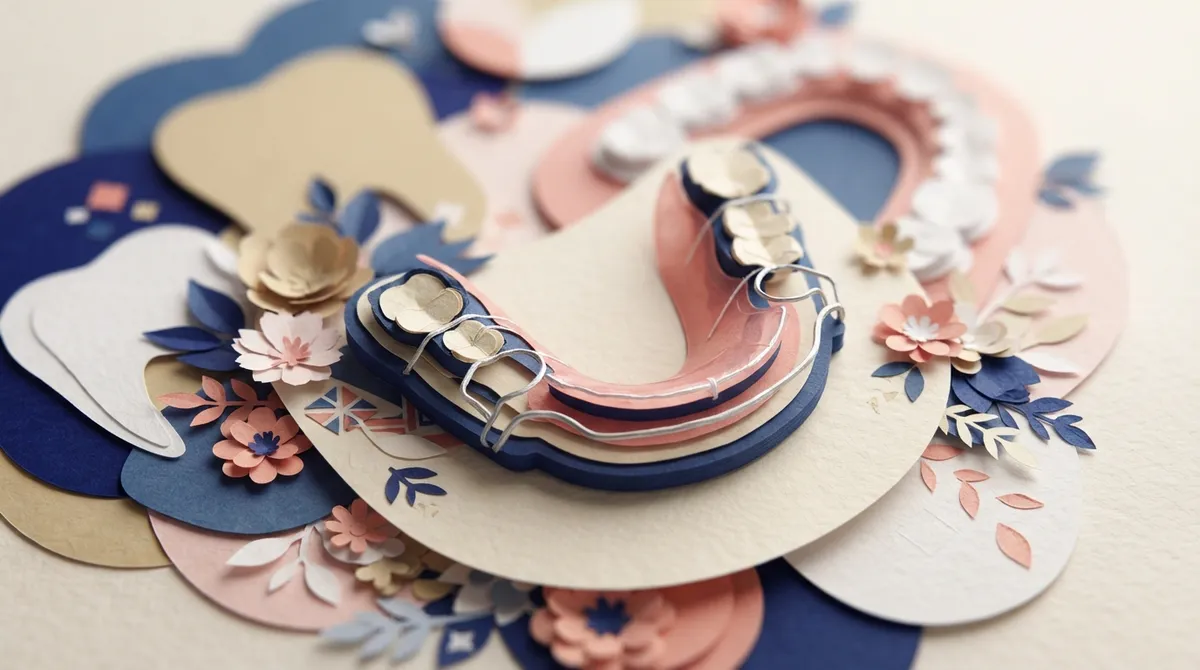
Hawley retainers have been around for decades, and there’s a good reason they’re still popular today. They’re made with a sturdy acrylic base that sits against the roof of your mouth or behind your lower teeth, plus a thin metal wire that wraps across your front teeth.
These retainers are tough. They can handle years of daily wear and tear, and your orthodontist can actually adjust the wire if small tweaks are needed. Many patients also like that a Hawley allows back teeth to settle naturally into a comfortable bite after treatment.
The trade-off? That metal wire is visible when you smile or talk. Some teens and adults don’t love that look, especially right after finishing braces. Still, for durability and adjustability, Hawley retainers remain a solid, time-tested option.
2. Clear Essix Retainers: Nearly Invisible
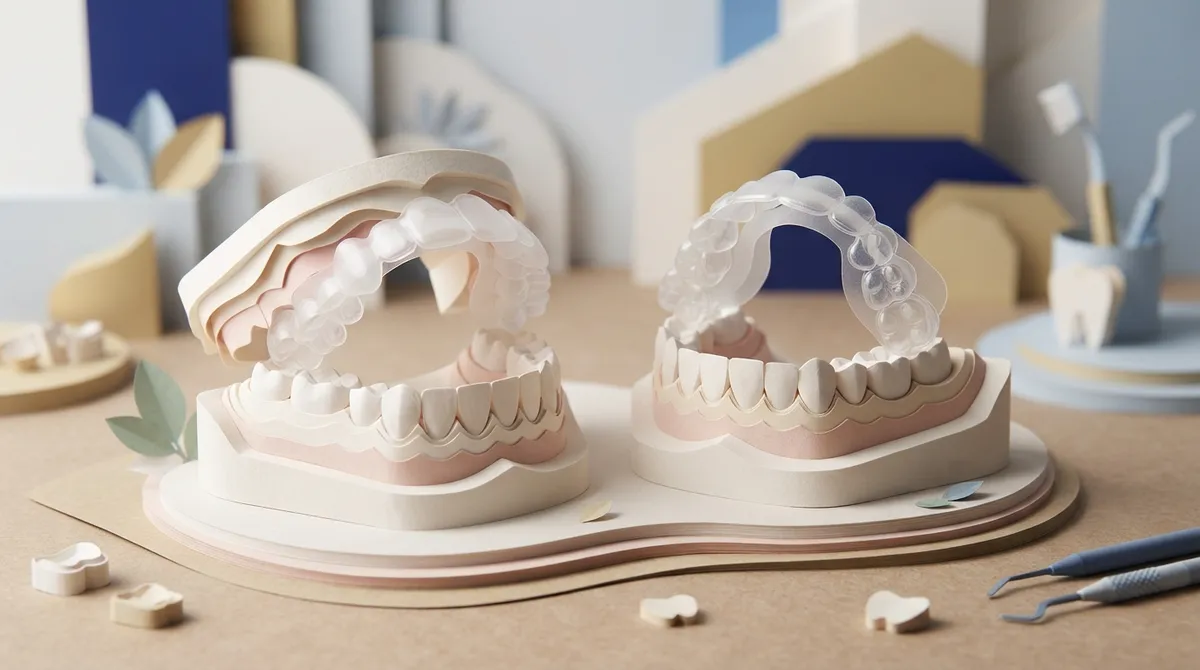
If you loved how discreet your clear aligners were, you’ll probably appreciate Essix retainers too. These are thin, clear plastic trays molded to fit snugly over your teeth, similar in look to a clear aligner tray.
Essix retainers are a favorite among teens and busy professionals because they’re barely noticeable. You can pop them in without anyone even realizing you’re wearing a retainer. They’re also easy to take out for meals and cleaning, which many patients find convenient.
On the flip side, clear plastic isn’t indestructible. These retainers can crack over time, warp if exposed to hot water or heat, and may pick up stains if you’re not careful with cleaning. Most patients need a replacement every so often, so keep that in mind when budgeting for long-term care.
3. Fixed or Bonded Retainers: Set It and Forget It
Fixed retainers work differently than the removable options above. Instead of a tray or wire you take in and out, a bonded retainer uses a thin metal wire that’s permanently glued to the back of your front teeth, usually the upper or lower incisors.
The biggest advantage here is that you don’t have to remember to wear it. It’s just there, working around the clock without any effort on your part. This makes fixed retainers a great option for patients who know they’ll struggle with consistency, including many teens juggling busy schedules.
That said, fixed retainers do require some extra care. Flossing gets trickier since you’ll need special tools like floss threaders to clean around the wire. If hygiene slips, plaque and tartar can build up. Also, if the wire loosens or breaks, you might not notice right away, which is why regular checkups matter so much.
4. Vivera and Other Premium Clear Retainers
Some manufacturers, including the makers of popular clear aligner systems, offer premium versions of clear retainers made from a slightly thicker, more durable plastic. These are designed to resist cracking and last longer than standard Essix-style trays.
They function much like standard clear retainers, fitting snugly over your teeth and staying nearly invisible. If you’re someone who wants extra durability and doesn’t mind paying a bit more upfront, this could be worth discussing with your orthodontist.
5. Dual Retention: Combining Fixed and Removable
Sometimes one retainer type just isn’t enough, especially for patients with a higher risk of relapse. That’s where dual retention comes in. This approach combines a fixed retainer behind your front teeth with a removable retainer worn over the rest of your smile, often at night.
This combo gives you round-the-clock protection from the bonded wire, plus extra reinforcement from the removable piece. Your orthodontist might recommend this if your teeth moved significantly during treatment or if you have a history of shifting back to old patterns.
How Orthodontists Choose the Right Retainer for You
Picking the best retainer isn’t a one-size-fits-all decision. Your orthodontist looks at several factors before making a recommendation:
- How much your teeth moved during treatment
- Your risk of relapse based on your bite and tooth alignment
- Your gum and periodontal health
- Your age and lifestyle habits
- How likely you are to wear a removable retainer as instructed
- Whether you prefer a discreet option or don’t mind visible wires
A 2023 critical review of orthodontic retainers found no clear winner among removable retention systems in terms of pure effectiveness. That means the “best” retainer really depends on your personal situation, not a universal ranking. This is exactly why a personalized consultation matters so much. If you’re curious which option fits your smile, our retainer options page walks through what we offer in more detail.
How Many Hours a Day Should You Wear a Retainer?
This is one of the most common questions we hear, and the honest answer is: it depends on your orthodontist’s specific instructions. That said, research gives us some helpful benchmarks.
- Right after treatment, full-time wear is typically recommended for the first several months.
- A 2023 review found that around 10 hours of daily wear may be enough to maintain results in some cases.
- British Orthodontic Society guidelines note that six months of full-time wear followed by six months of nighttime-only wear led to less relapse than shorter schedules.
- After the initial phase, many patients transition to nighttime-only wear, often for years or even indefinitely.
Why so long? Because the fibers connecting your teeth to your gums can stay stretched for more than seven months after your teeth move, according to Florida Association of Orthodontists guidance. Your teeth need time to truly settle into their new positions, and skipping retainer wear too soon is one of the top reasons people experience relapse.
Comparing the Different Types of Retainers
| Retainer Type | Visibility | Durability | Typical Cost Per Arch | Best For |
|---|---|---|---|---|
| Hawley Retainer | Visible metal wire | Very durable, adjustable | $150–$300 | Patients wanting a long-lasting, adjustable option |
| Essix (Clear) Retainer | Nearly invisible | Moderate, can crack or warp | $100–$250 | Teens and adults who want a discreet look |
| Fixed/Bonded Retainer | Hidden behind teeth | Long-lasting if cared for | Varies by provider | Patients who struggle with consistent wear |
| Dual Retention | Mixed, depending on combo | High protection overall | Combined cost of both | Higher relapse risk cases |
Pricing can vary based on your provider, your location, and whether you need a replacement down the road. If you’re weighing your budget alongside your options, our team can walk you through financing and insurance choices that make retainer care more manageable.
Caring for Your Retainer the Right Way
No matter which type you choose, proper care keeps your retainer working well and lasting longer. Here’s a simple routine to follow:
- Remove removable retainers before eating, unless told otherwise by your orthodontist.
- Clean them daily with cool or lukewarm water and a soft brush.
- Never use hot water, since it can warp clear plastic retainers.
- Store your retainer in a ventilated case when it’s not in your mouth.
- For fixed retainers, use floss threaders or interdental brushes to clean around the wire.
- Keep up with regular dental cleanings to catch any hygiene issues early.
According to the American Dental Association, consistent oral hygiene habits are essential whether you’re wearing braces, aligners, or a retainer. Simple daily habits go a long way toward protecting both your smile and your investment in treatment.
What to Do If Your Retainer Breaks or Feels Off
Retainers aren’t indestructible, and issues can pop up even with good care. Here’s what to watch for and how to respond:
- If your retainer cracks, feels loose, or no longer fits snugly, call your orthodontist right away.
- If a fixed retainer wire feels like it’s poking or has come partially loose, don’t try to fix it yourself.
- If you’ve misplaced your retainer, let your orthodontic team know as soon as possible so you can get a replacement before your teeth start shifting.
- If you notice irritation, swelling, or discomfort around a bonded retainer, schedule a checkup promptly.
Trying to bend, trim, or repair a retainer on your own can actually cause more harm than good, sometimes even altering your bite. It’s always safer to let a professional handle adjustments. Our team is always ready to help if something feels off with your retainer or smile, so feel free to get in touch with our team whenever you have questions.
Why Long-Term Retainer Wear Matters So Much
Here’s the truth: no retainer promises to prevent every bit of tooth movement forever. Teeth shift naturally as we age, and factors like gum tissue remodeling, growth, and habits like teeth grinding can all play a role. That’s exactly why most orthodontists recommend some form of nighttime retainer wear indefinitely, even years after treatment ends.
Think of your retainer like a seatbelt for your smile. You don’t need it every single second of your life, but skipping it regularly increases your risk of an unwanted surprise down the road. Patients who experience relapse often come back to us wanting retreatment, which usually costs more time and money than simply sticking with retainer wear in the first place. If you’re already noticing some shifting and thinking about retreatment, our adult treatment options can help get your smile back on track.
Why Clearwater Families Trust Brockway Orthodontics for Retainer Care
Every smile is different, and that’s exactly how we approach retainer planning at Brockway Orthodontics. Dr. Brockway takes time to understand your goals, your lifestyle, and your comfort level before recommending a retainer type. We also proudly offer Spark™ Clear Aligners, a more affordable alternative for patients looking for a discreet straightening option, along with traditional metal braces and ceramic braces for every age and need.
Our Clearwater, Florida practice is equipped with modern technology, including digital impressions and 3D imaging, so your retainer fits precisely the first time. We also understand that life gets busy, which is why we offer same-day treatment options whenever possible. Curious what other Clearwater families think about their experience with us? You can visit us on Google — Brockway Orthodontics to read real reviews from our patients.
You can also follow along and see smile transformations on our Instagram or connect with our practice on Facebook for updates, tips, and community stories.
Ready to Protect Your New Smile?
Choosing the right retainer is one of the most important decisions you’ll make after finishing orthodontic treatment. Whether you lean toward a classic Hawley, a discreet Essix tray, a low-maintenance fixed wire, or a combination of both, the goal is the same: keeping that beautiful smile you worked so hard for. If you’re ready to talk retainer options, retreatment, or starting fresh with braces or clear aligners, we’d love to help. Book appointment online today and let’s make sure your smile stays exactly where it belongs for years to come.
FAQs
Q: What are the main different types of retainers?
A: The main types are Hawley retainers, clear Essix retainers, and fixed bonded retainers. Some patients also use a combination called dual retention. Each type has its own perks, so your orthodontist will help you pick the one that fits your smile and lifestyle best.
Q: Is a Hawley retainer better than a clear Essix retainer?
A: Not necessarily better, just different! Hawley retainers are more durable and adjustable, while Essix retainers are nearly invisible. It really comes down to what matters most to you, whether that’s discretion or long-term durability.
Q: How long does a fixed or bonded retainer last?
A: A well-cared-for fixed retainer can last many years, sometimes even a decade or longer. That said, regular checkups are important since the wire can loosen over time without you noticing right away.
Q: How many hours a day should I wear my retainer?
A: This varies by patient, but many orthodontists recommend full-time wear for the first several months, then nighttime-only wear afterward. Some research suggests around 10 hours daily may be enough long-term, though your orthodontist’s specific plan should always come first.
Q: What should I do if my retainer breaks or gets lost?
A: Reach out to your orthodontist right away rather than trying to fix it yourself. Waiting too long can allow your teeth to shift, so it’s always best to get a replacement or repair scheduled quickly.
Our Service Area