Key Takeaways
-
Vivera retainers require consistent wear schedules personalized to your teeth; skipping or deviating from your orthodontist's plan can cause teeth to shift even years after treatment ends.
-
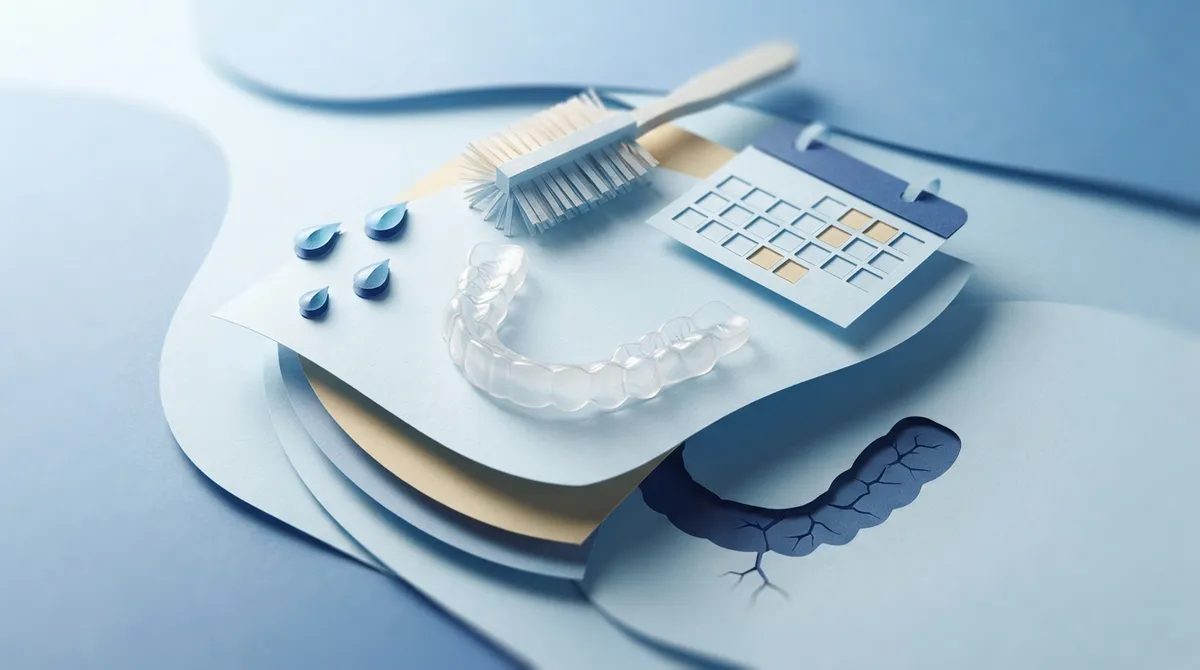
Clean Vivera retainers with lukewarm water and soft brushes only; using hot water, toothpaste, or abrasive methods can warp or damage them faster than normal wear.
-
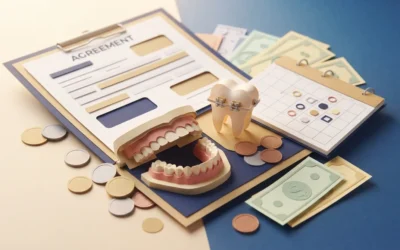
Budget $400-$1,200 for a four-set Vivera order and plan for replacements, as retainers crack, warp, or get lost; having backup sets prevents unexpected costs and gaps in protection.
-
Inspect retainers weekly for cracks, warping, or loose fit; damaged retainers stop protecting your teeth and should never be self-adjusted at home.
-
Vivera retainers are durable but not indestructible; durability depends on your wear habits, cleaning methods, and whether you grind your teeth at night.
-
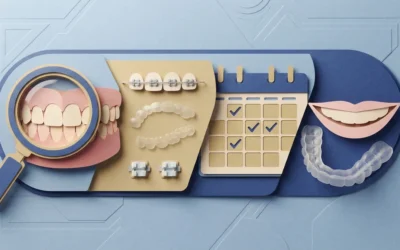
Most patients transition from full-time wear (20-22 hours daily) to nighttime-only wear over 6-12 months, but your personal schedule must be adjusted based on how your individual teeth respond.
So you finally finished your Invisalign treatment. Congratulations! Your teeth look amazing, and you probably can’t stop smiling in the mirror. But here’s a little secret nobody tells you enough: the retainer phase is just as important as the treatment itself. Skip it or mess it up, and your teeth can start drifting back to where they started. That’s where Invisalign Vivera retainers come in, and today we’re chatting about the common mistakes that can undo all your hard work.
At Brockway Orthodontics in Clearwater, Florida, we see patients every week who love their new smiles but aren’t quite sure how to protect them long-term. Whether you’re a busy parent managing your teen’s retainer routine, a professional balancing work and wellness, or someone who’s dealt with orthodontic relapse before, this guide is for you. Let’s walk through the five biggest Vivera retainer mistakes so you can avoid them and keep that smile looking its best for years to come.
What Are Invisalign Vivera Retainers, Anyway?
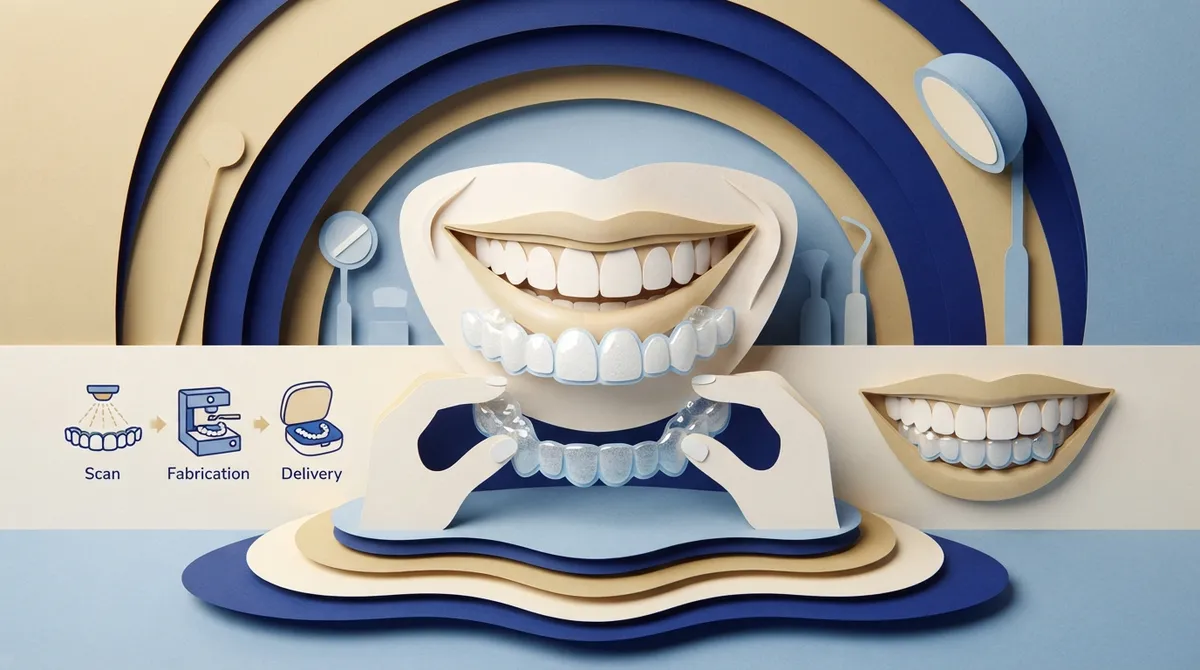
Vivera retainers are custom-made, clear, removable retainers created by Align Technology, the same company behind Invisalign. They’re designed to hold your teeth in place after braces or clear aligner treatment. Think of them as the final, crucial step in your orthodontic journey.
These retainers are made using a similar digital process as Invisalign aligners. That means they’re built specifically for your mouth, using precise scans rather than generic molds. They can even be customized to include pontics (fake tooth replacements for gaps), bite ramps, or space to work around a fixed lingual wire if you have one.
Most orthodontists, including our team here in Clearwater, order Vivera retainers in sets of four. Why four? Because life happens. Retainers get lost, dogs chew them up, or they simply wear out faster than expected. Having backups means you’re never left without protection for your smile.
Mistake 1: Assuming Vivera Retainers Last Forever
Align Technology states that Vivera retainers are at least 30% stronger and twice as durable as many other clear-retainer materials. That’s a great selling point, but it’s a manufacturer claim, not a guarantee for every single patient. Your actual results depend on how you wear them, how you clean them, and whether you grind your teeth at night.
A clinical trial comparing Vivera polyurethane retainers to a competing PETG material found no Vivera failures during the first six months. That’s encouraging data. But six months isn’t forever, and a single case report describing a 10-year lifespan doesn’t mean every set will last a decade. Treat your retainers like the valuable dental appliance they are, not an indestructible piece of plastic.
- Inspect retainers weekly for cracks or warping
- Avoid biting down hard on them out of habit
- Never assume “durable” means “disposable-free forever”
- Ask your orthodontist how often you should expect replacements
Mistake 2: Skipping the Wear Schedule Your Orthodontist Recommends
This is probably the biggest mistake we see at our Clearwater office. Patients feel great after finishing treatment, so they get lazy about wearing their retainers. Teeth are surprisingly mobile, even years after braces come off, and they can shift if retainers aren’t worn consistently.
Most patients wear their retainers full-time immediately after finishing active treatment. Over time, many transition to nighttime-only wear. But this timeline isn’t one-size-fits-all. Your retainer schedule should be personalized based on your orthodontic history and how your teeth respond.
Research on part-time wear of full-coverage thermoplastic retainers found it was linked to more settling in the back teeth. That’s not necessarily bad, but it does show that wear habits really do affect your results. If you’re unsure about your schedule, don’t guess. Reach out and contact us so we can review your specific plan.
How Retainer Wear Typically Changes Over Time
| Time After Treatment | Typical Wear Recommendation |
|---|---|
| First few months | Full-time wear (20-22 hours daily) |
| 6-12 months | Nighttime wear only, as directed |
| Long-term maintenance | Several nights per week, based on stability |
These are general guidelines. Your orthodontist will adjust based on how your teeth are behaving. Never assume your friend’s schedule applies to you.
Mistake 3: Cleaning Retainers the Wrong Way
We get it. Life is busy, and cleaning your retainer might feel like a chore. But using the wrong cleaning method can warp or damage your Vivera retainer faster than normal wear ever would.
Here are the cleaning mistakes we see most often:
- Using hot water to rinse or soak retainers (this can distort the plastic)
- Skipping daily cleaning, which leads to cloudy buildup
- Using toothpaste, which is often too abrasive for clear plastic
- Forgetting to brush the retainer itself, not just your teeth
- Storing a wet retainer in a closed case without drying it first
Instead, stick to lukewarm water, a soft toothbrush, and any cleaning solution your orthodontist recommends. If your retainer starts looking cloudy or has visible buildup, don’t just live with it. Bring it up at your next visit so we can check the fit and condition.
Mistake 4: Ignoring Signs of Damage or Poor Fit
A cracked, warped, or loose-fitting retainer isn’t just annoying. It can actually stop doing its job of holding your teeth in place. This is especially important for our adult patients who previously had orthodontic treatment and are working hard to avoid relapse.
Watch for these warning signs:
- Visible cracks or chips in the plastic
- A retainer that no longer snaps into place easily
- Cloudiness that doesn’t clear up with cleaning
- Buildup that feels rough or gritty
- Teeth feeling loose or shifted when you put the retainer in
If you notice any of these, don’t try to fix it yourself. Adjusting a damaged retainer at home can make things worse and might even hurt your teeth. Instead, schedule a visit so we can evaluate it properly. According to the American Dental Association, regular dental checkups play a key role in catching small problems before they become bigger, more expensive ones.
Mistake 5: Not Budgeting for Replacement Sets
Pricing sources commonly report that a four-set Vivera order in the United States runs approximately $400 to $1,200. That’s a wide range, and your actual cost depends on your provider, your location, your insurance coverage, and whether follow-up visits are included.
Too many patients get caught off guard when a retainer cracks or goes missing and they realize they need a costly replacement. Planning ahead saves stress and money. Here’s what to consider:
- Ask about replacement policies before you commit to a retainer plan
- Check whether your dental insurance covers retainer replacements
- Look into financing and insurance options that might apply
- Keep your backup sets somewhere safe, not floating around in a backpack
Our team can walk you through exact pricing and help you understand what’s included in your treatment plan. We believe in being upfront about costs so there are no surprises down the road.
Comparing Vivera to Other Retainer Materials
You might wonder how Vivera stacks up against other common retainer types like Essix or Hawley retainers. Research on Essix-type thermoplastic retainers found a failure rate of roughly 10% over two years in one study, though results vary by material and how the patient wears and cares for the retainer.
| Retainer Type | Material | Typical Look |
|---|---|---|
| Vivera | Polyurethane (Align Technology) | Clear, thin, custom-fit |
| Essix | Thermoplastic (PETG) | Clear, removable |
| Hawley | Acrylic and wire | Visible wire, less discreet |
Every patient’s mouth and habits are different. What works beautifully for one person might not be the best fit for another. That’s why a personalized consultation matters so much. If you’re weighing your options, our services page outlines what we offer for retention care.
Why Personalized Care Makes All the Difference
Every smile is different, and that means every retainer plan should be different too. Dr. Brockway takes the time to understand your specific orthodontic history before recommending a retainer schedule. She doesn’t believe in one-size-fits-all advice, and neither should you.
Whether you just finished treatment with Spark clear aligners, traditional braces, or Invisalign elsewhere, our Clearwater team can help you maintain your results with proper Vivera retainer care. We also work closely with families managing braces for multiple kids, adults returning for retreatment, and anyone who simply wants their smile to stay put.
Interested in learning more about the retention process? Check out our page on all about braces for a fuller picture of the orthodontic journey from start to finish. And if you’re a parent wondering how retainers fit into your teen’s treatment, our adolescent treatment resources can help answer common questions.
Trust the Experts With Your Retention Plan
Laboratory research has even looked at whether Vivera retainers release any concerning substances into saliva over time, and found no significant estrogenic activity in tested samples. While that’s reassuring, it’s still smart to follow your orthodontist’s cleaning and handling instructions rather than relying solely on lab findings.
The Florida Association of Orthodontists emphasizes that consistent retainer wear is one of the most important factors in long-term orthodontic success. We couldn’t agree more. Your retainer isn’t just a piece of plastic. It’s the guardian of your new smile.
Curious what real patients have to say? You can visit us on Google — Brockway Orthodontics to read reviews from families and adults across Clearwater who trust us with their orthodontic care. You can also follow along on Facebook or check out smile transformations on Instagram for a peek into our practice culture.
Ready to Protect Your Smile Investment?
Avoiding these five common Vivera retainer mistakes can save you time, money, and frustration. Your smile took hard work to achieve, and a little care now goes a long way toward keeping it beautiful for years.
If you have questions about your retainer schedule, need a replacement set, or you’re just starting to think about retention after treatment, our friendly Clearwater team is here to help. Book appointment online today and let’s make sure your smile stays exactly where you want it, for good.
FAQs
Q: What are Invisalign Vivera retainers?
A: Vivera retainers are custom clear removable retainers made by Align Technology, the same company behind Invisalign. They’re designed to hold your teeth in place after braces or clear aligner treatment, and they’re built using precise digital scans just for your smile.
Q: How long do Vivera retainers last?
A: It really depends on how you wear and care for them. The manufacturer says they’re stronger and more durable than many other clear retainer materials, but factors like grinding, cleaning habits, and daily wear all affect how long yours will hold up. Regular checkups help us catch wear before it becomes a problem.
Q: How often should I wear my Vivera retainer after Invisalign?
A: Most patients start with near full-time wear right after treatment, then move to nighttime-only wear over time. That said, everyone’s smile is different, so we’ll give you a personalized schedule based on your specific teeth and history.
Q: How much do four Vivera retainers cost?
A: Pricing for a four-set Vivera order typically ranges from about $400 to $1,200, depending on your provider, location, and insurance coverage. We’re happy to walk you through exact costs and financing options during your visit.
Q: What should I do if my retainer is lost, cracked, or doesn’t fit anymore?
A: Don’t try to fix it yourself or keep wearing a damaged retainer. Give us a call so we can check the fit, look for shifting, and get you a replacement if needed. Catching this early helps protect all the progress you’ve made.
Our Service Area