Key Takeaways
-
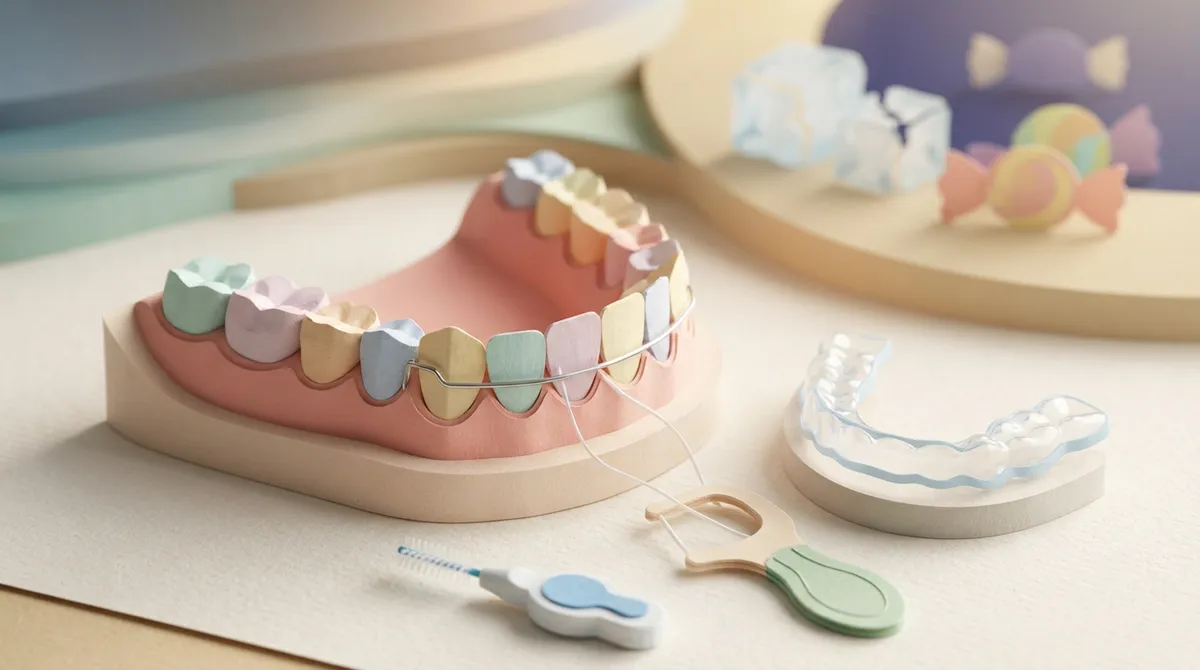
Clean around your permanent retainer daily using an interdental brush, floss threader, and careful angled brushing to prevent plaque buildup that causes cavities, gum irritation, and enamel spots.
-
Contact your orthodontist immediately if you notice looseness, sharp edges, or tooth shifting, as delays can allow teeth to drift and worsen the problem.
-
Avoid biting hard foods like ice or candy with your front teeth and skip nervous habits like pen chewing, which stress the bonded wire and increase failure risk.
-
Consider combining a fixed lower retainer with a removable retainer for backup protection, since fixed retainers can loosen, snap, or pop off despite being called 'permanent'.
So your orthodontist just bonded a thin wire behind your lower front teeth, and now you’re wondering what happens next. Good news: you’re in great company! Lower fixed retainers are one of the most common ways to protect your hard-earned smile after braces or clear aligners. But that little wire needs some love and attention to keep doing its job for years to come.
At Brockway Orthodontics, we bond countless lower retainers for patients across Clearwater every year, from teens finishing up treatment to adults who finally got the smile they always wanted. This guide will walk you through exactly what a permanent retainer on the bottom teeth does, how to clean it properly, and what to watch for so your smile stays put for the long haul.
What Is a Permanent Retainer on the Bottom Teeth?
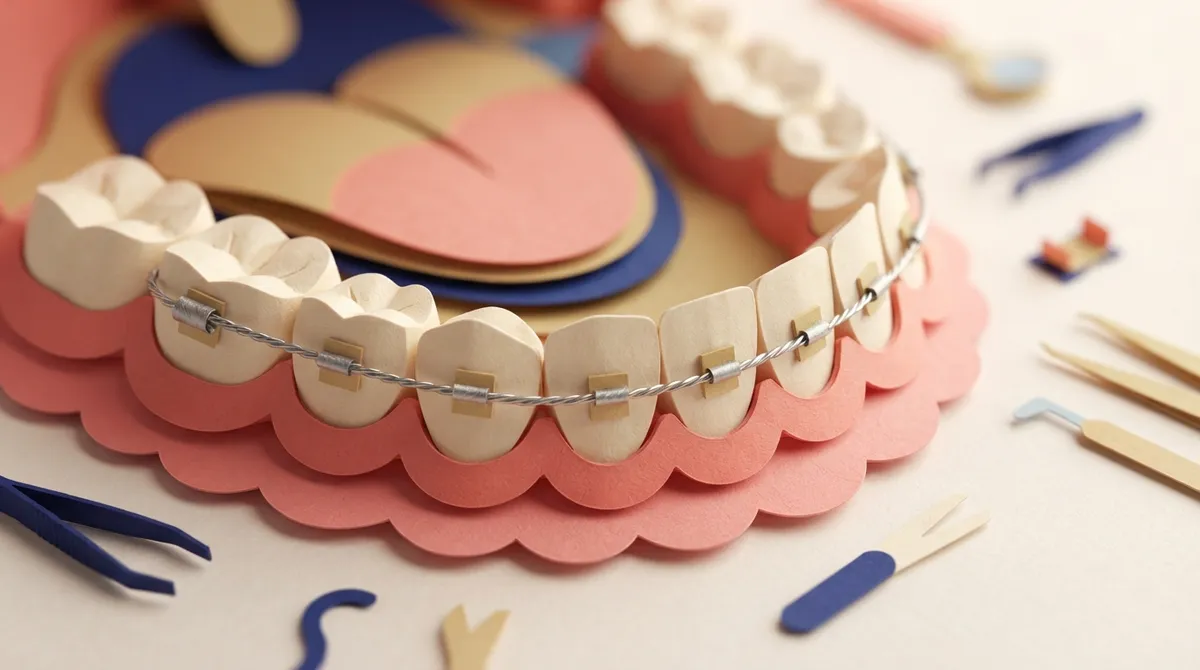
A permanent retainer, sometimes called a fixed or bonded lingual retainer, is a thin wire glued to the back of your lower front teeth. It usually stretches from canine to canine, the six teeth you see when you smile. The wire sits on the tongue side of your teeth, so it’s basically invisible when you talk or smile.
Orthodontists love using bottom retainers because the lower front teeth have a sneaky habit of crowding or twisting again, even years after treatment ends. A fixed wire gives you round-the-clock protection without you having to remember to wear anything. That’s a big win for busy teens, students, and adults who already have a lot on their plates.
Why “Permanent” Doesn’t Always Mean Forever
Here’s something a lot of patients don’t realize: the word “permanent” is a bit misleading. A bonded retainer can stay in place for many years, but it’s not guaranteed to last a lifetime. The wire can loosen, snap, or pop off a tooth over time. Your bite forces, diet, and how well you clean around it all play a role in how long it lasts.
Your orthodontist should be the one to decide how long your retainer stays in and when it might need a repair or replacement. That’s exactly why regular checkups matter, even after your active treatment wraps up. Learn more about our retainer options and how we help patients maintain their results long-term.
How to Clean a Permanent Retainer on Bottom Teeth
Cleaning around a fixed wire takes a little extra effort, but it’s totally doable once you get the hang of it. Plaque loves to hide around the wire, and if it builds up, you’re looking at a higher risk of gum irritation, cavities, and even permanent white or brown spots on your enamel.
Follow these steps every day to keep things clean and healthy:
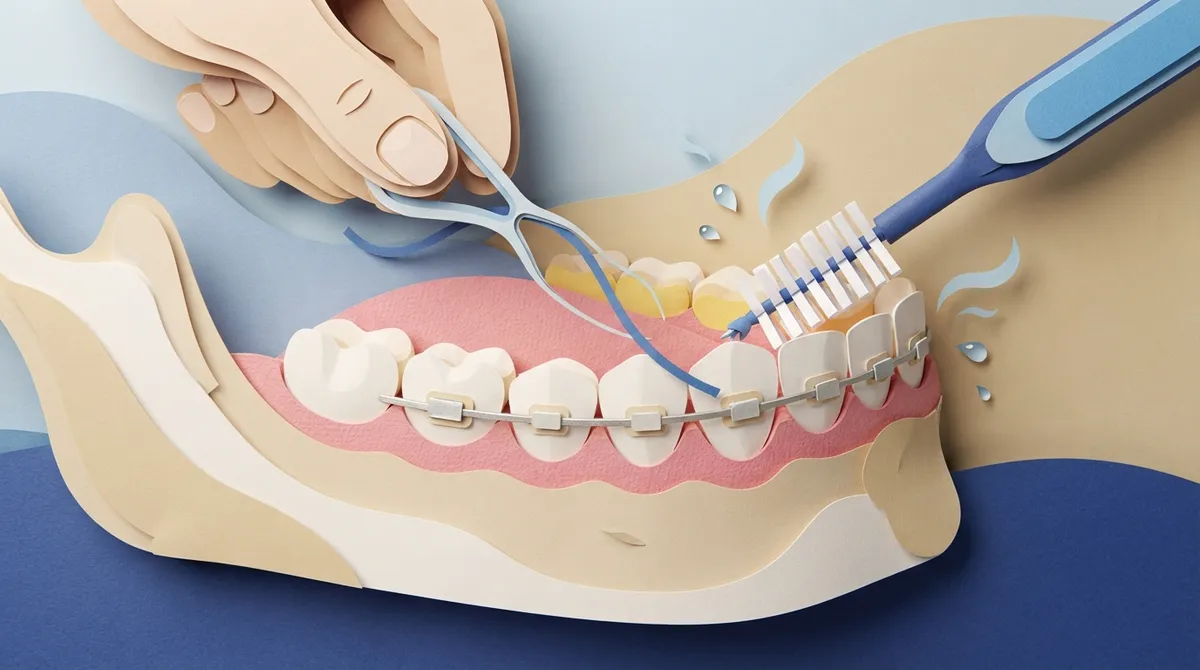
- Brush carefully around the wire. Angle your toothbrush so the bristles reach both above and below the wire. Take your time here instead of rushing through it.
- Use an interdental brush. These tiny brushes look like little pipe cleaners and slide easily between the wire and your gums.
- Try a floss threader or super floss. Regular floss usually can’t slip under the wire on its own, so a threader helps guide it into place.
- Rinse with a fluoride mouthwash. This adds an extra layer of protection against decay in hard-to-reach spots.
- Never force floss under the wire. If it won’t slide through smoothly, stop and ask your dental team for the right tool instead.
The American Dental Association recommends brushing for a full two minutes, twice a day, and that advice matters even more when you have a fixed retainer to protect. Sticking to this routine can save you a lot of trouble down the road.
Common Problems With Lower Fixed Retainers
Bonded retainers are reliable, but they’re not perfect. Knowing what can go wrong helps you catch problems early, before they turn into bigger headaches.
| Issue | What It Looks Like | What to Do |
|---|---|---|
| Loose wire | Wire feels wiggly or one end has popped off a tooth | Call your orthodontist right away, even if it seems minor |
| Wire breakage | The wire snaps or you notice a sharp edge | Cover the sharp spot with wax and schedule a repair visit |
| Tartar buildup | Rough, hardened deposits form along the wire | Book a professional cleaning with your dentist |
| Gum irritation | Red, swollen, or bleeding gums near the retainer | Improve your cleaning routine and get a checkup |
| Tooth shifting | Teeth feel slightly out of place despite the retainer | See your orthodontist to check for retainer failure |
A widely cited review published in PMC, part of the National Library of Medicine, found that fixed retainer failures typically involve the bond between the tooth and adhesive, the wire and adhesive, wire breakage, or unwanted tooth movement. No single lifespan applies to every patient, since so many factors are at play.
What to Do If Your Retainer Comes Loose
If you notice your bottom retainer feels loose, don’t wait it out. Even if it’s still attached at one end, a loose wire can shift out of place and let your teeth drift. It can also poke or irritate your tongue, which is no fun at all.
Give our office a call as soon as you notice anything off. Our team can usually get you in quickly to fix the issue before it becomes a bigger problem. You can always contact us the moment something feels wrong with your retainer.
Permanent Retainer vs. Removable Retainer
Some patients wonder if a fixed wire is really better than a removable retainer you take in and out. Honestly, it depends on your situation, and many patients benefit from having both.
- Permanent retainers work around the clock without relying on you to remember to wear them.
- Removable retainers are easier to clean since you can take them out completely.
- Combining both gives you backup protection if the fixed wire ever fails.
- Removable retainers may cover more teeth, which matters if your treatment involved more than just the front six.
Many orthodontists, including our team at Brockway Orthodontics, recommend pairing a lower fixed retainer with a removable retainer for the top teeth or as nighttime backup. This combo approach gives you the best of both worlds: constant protection plus an easy backup plan. Explore our full range of orthodontic services to see which retention plan fits your needs.
Tips for Making Your Permanent Retainer Last
A little daily care goes a long way toward keeping your retainer in great shape. Here are some simple habits that make a real difference:
- Avoid biting into hard foods like ice, hard candy, or raw carrots with your front teeth.
- Skip nervous habits like chewing on pens or your nails, which can stress the wire.
- Keep up with regular dental cleanings so your hygienist can check the retainer closely.
- Mention your retainer to your dentist at every visit, even if nothing feels wrong.
- Reach out right away if you feel any sharp edges, looseness, or shifting teeth.
The Florida Association of Orthodontists also encourages patients to keep long-term follow-up care as part of their retention plan, since teeth can continue to shift naturally with age. This is true no matter how old you are or how long ago you finished treatment.
Why Choose Brockway Orthodontics for Retainer Care in Clearwater
Dr. Brockway and our team genuinely care about how your smile holds up for years after treatment ends. We don’t just bond a retainer and send you on your way. We walk you through cleaning tips, answer your questions, and make sure you know exactly what to expect during every stage of retention.
Our Clearwater office uses modern tools like digital impressions and 3D imaging to plan your treatment and retention with precision. If you’re due for a checkup, need a retainer repair, or you’re just starting to explore your options, our friendly team is ready to help. Curious what other patients think? You can visit us on Google — Brockway Orthodontics to read real reviews from our Clearwater community.
We also love connecting with our patients online. Follow us on Instagram or check out our Facebook page for smile transformations, tips, and updates from our office. You can also find us on LinkedIn to learn more about our practice and team.
Ready to Protect Your Smile?
A permanent retainer on your bottom teeth is a fantastic tool for keeping your smile straight, but it works best when it’s paired with good habits and regular checkups. Whether your wire needs a quick look or you’re ready to talk about retention options after braces or Spark™ Clear Aligners, we’re here for you every step of the way.
Don’t wait until something feels wrong. Book appointment online today and let Dr. Brockway and our caring Clearwater team help you keep that beautiful smile looking its best for years to come.
FAQs
Q: How long should a permanent retainer stay on the bottom teeth?
A: There’s no one-size-fits-all answer here! Some retainers last many years, while others may need repair sooner depending on your bite, diet, and how well you clean around them. Your orthodontist will keep an eye on it at your regular checkups and let you know if it’s time for a change.
Q: Can permanent retainers cause cavities or gum disease?
A: They can, but only if plaque builds up around the wire and isn’t cleaned away regularly. The good news is that with careful brushing, interdental brushes, and routine dental visits, you can keep your gums and teeth healthy right alongside your retainer.
Q: What should I do if my bottom permanent retainer comes loose?
A: Give your orthodontist a call as soon as you notice it, even if it still feels attached on one side! Waiting too long can let your teeth start to shift, so it’s always better to get it checked out sooner rather than later.
Q: Is a permanent retainer better than a removable retainer?
A: It really depends on your smile and lifestyle. Many patients love the set-it-and-forget-it convenience of a fixed wire, while others appreciate being able to take a removable retainer out for cleaning. Plenty of people actually use both for the best long-term protection.
Q: Can I have a permanent lower retainer removed, and will my teeth shift afterward?
A: Yes, it can be removed whenever you and your orthodontist decide it’s time. Since teeth can naturally shift over the years, your orthodontist may suggest switching to a removable retainer afterward to keep your smile looking its best.
Our Service Area